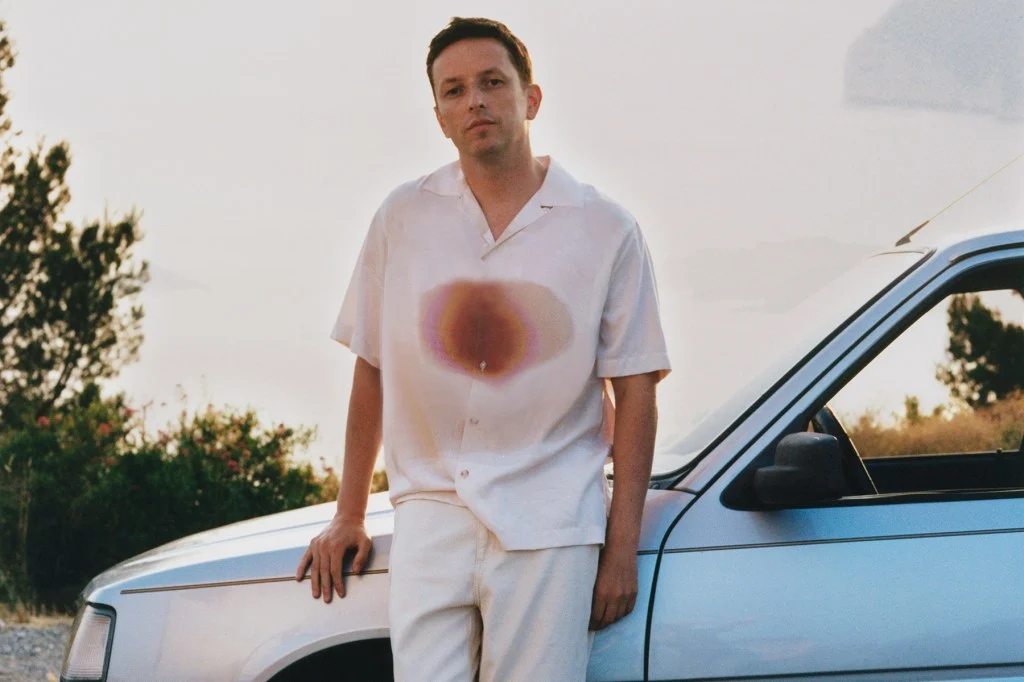
Totally Enormous Extinct Dinosaurs Now Goes by TEED, and His Gorgeous New Album Is an Apology

Photography: Sarah Tahon
On a rain-soaked afternoon in Los Angeles, TEED’s new record turns a cross-town drive into something cinematic — a moody, yearning soundtrack that makes even stop-and-go traffic feel atmospheric and oddly buoyant.
“To me, it’s romantic,” Orlando Higginbottom — who now performs simply as TEED — says over lunch in Hollywood, dressed in jeans and a brown leather jacket and sipping black tea. His third album, Always With Me, is due Friday, Dec. 5 via The Orchard and his Nice Age imprint.
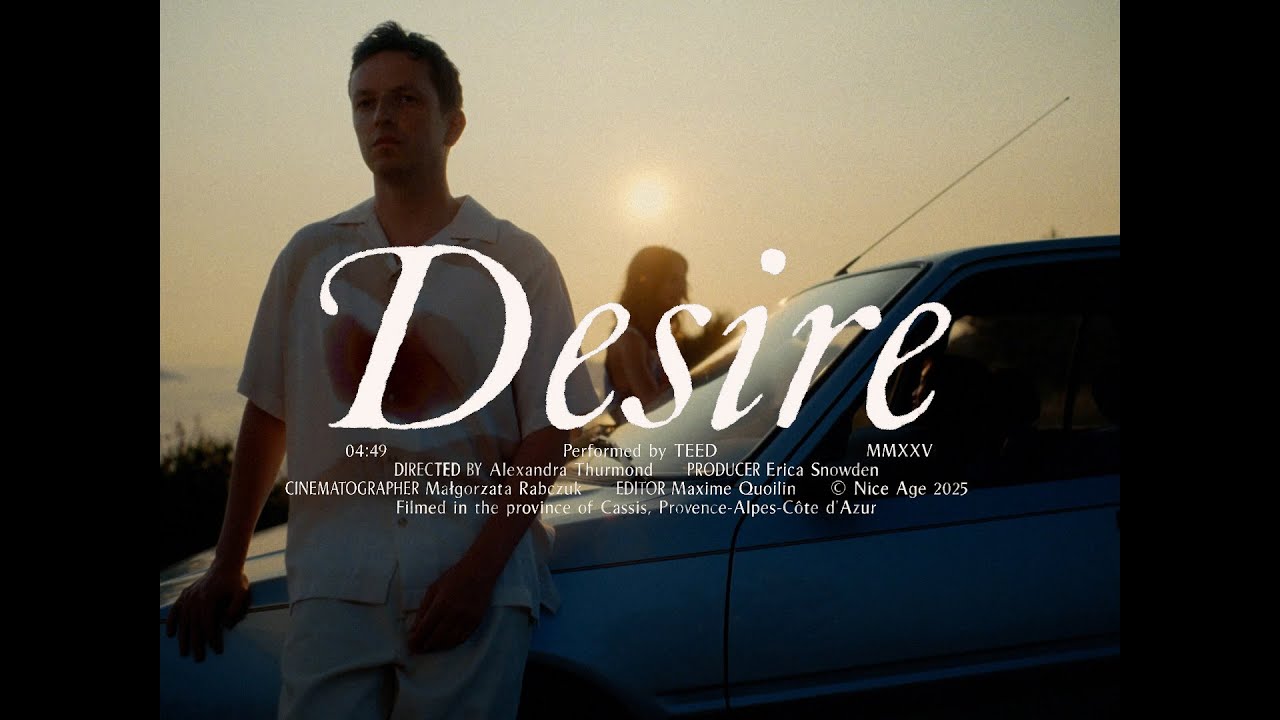
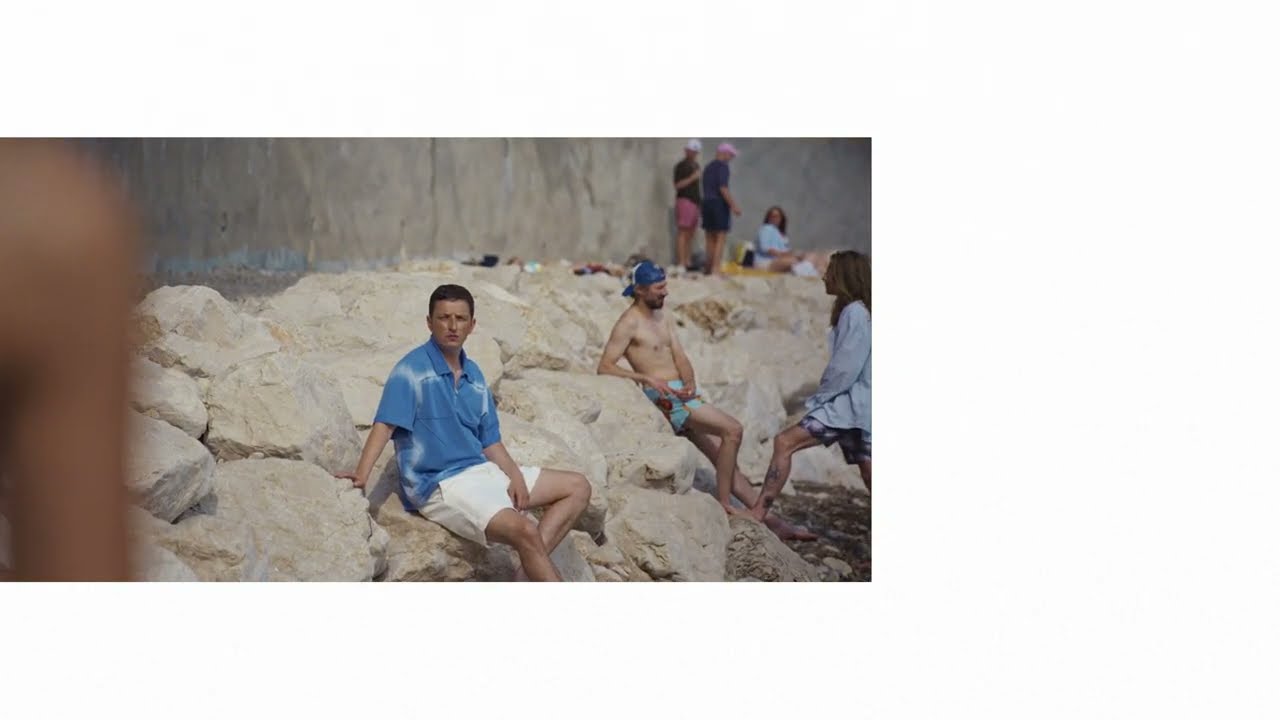
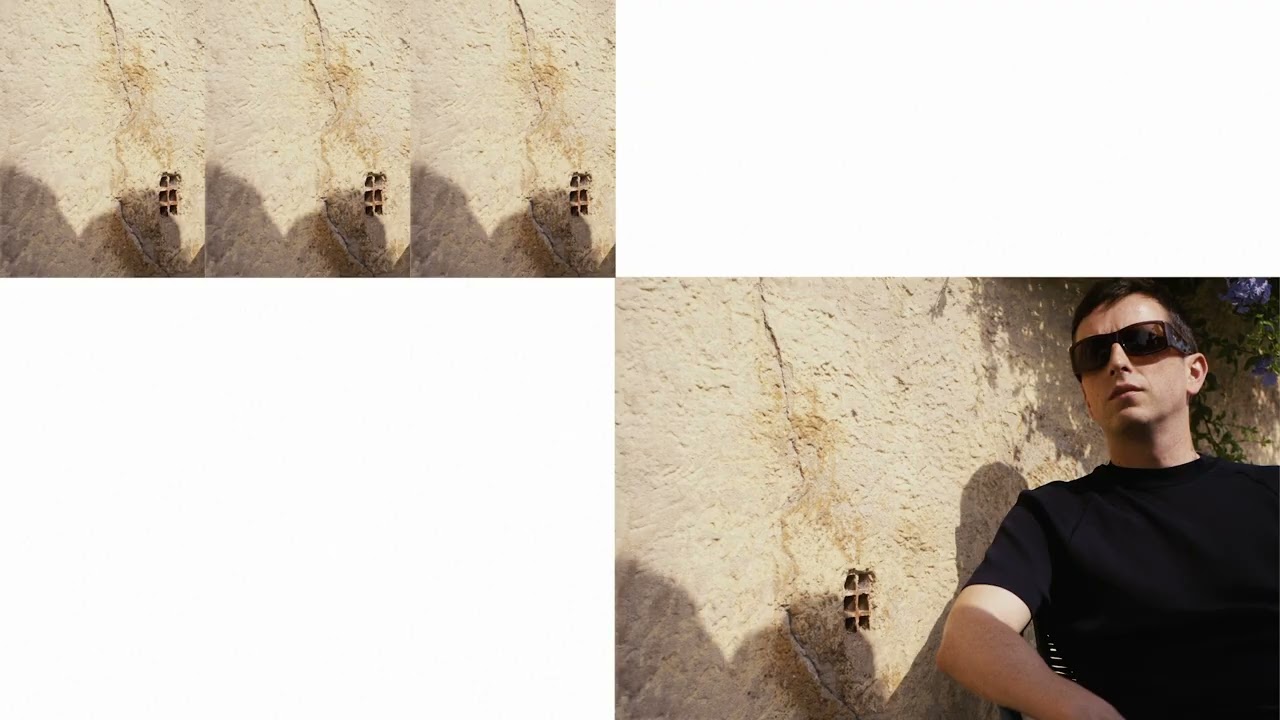
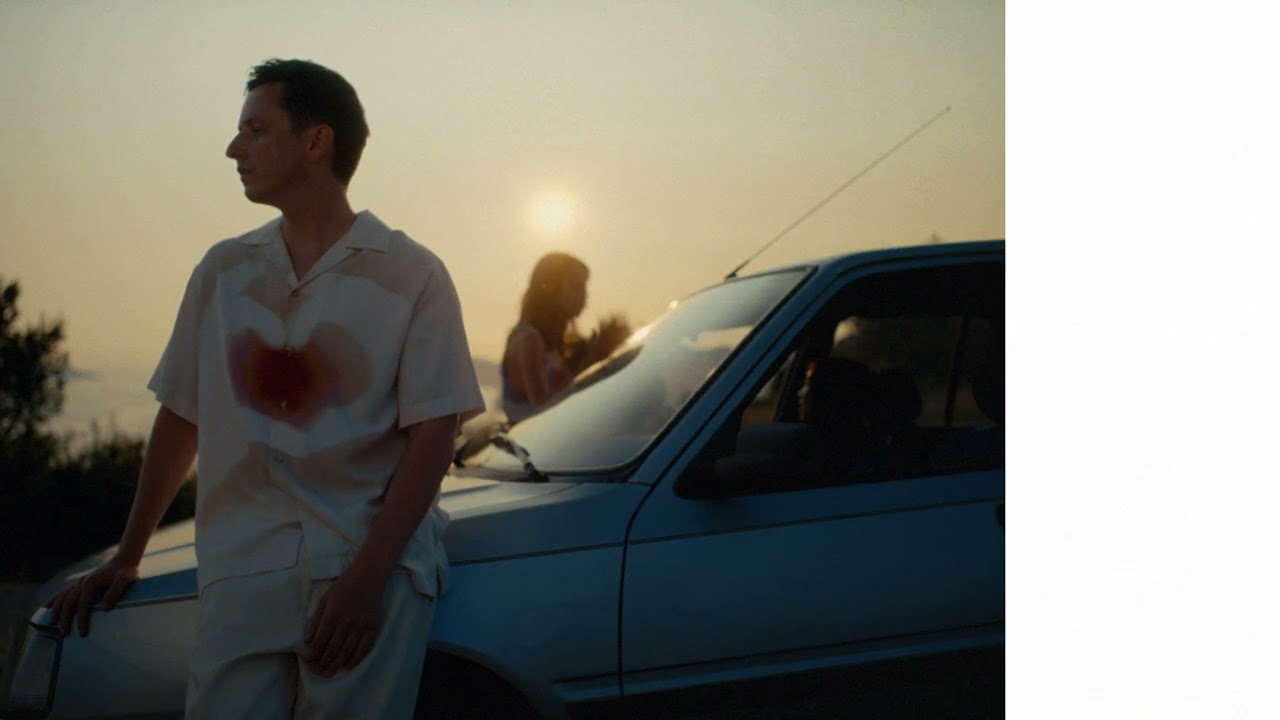
In his recent videos and Instagram posts, TEED adopts a wistful, holiday-worn persona: someone on vacation who looks out to sea with an inscrutable expression. That aesthetic traces back to family trips to France during his childhood — long drives, mountains and long afternoons with headphones on, moments that became a kind of private odyssey.
“We’d take two days to get there, and I’d have my headphones on for two days,” he recalls. “I’d be in the mountains for a month and my imagination would run wild… lots of dreaming happened on holiday.” Those afterglows of memory weave through the album’s 11 songs; his hope is to leave listeners feeling dreamlike and transported.
Musically, Always With Me marks the latest phase of a project that began under the name Totally Enormous Extinct Dinosaurs. The change to TEED felt natural — people always shortened his moniker — and mirrors a maturation that followed the wild ride after his 2012 debut, Trouble, a difficult industry period and a decade-long gap before his 2022 follow-up, When The Lights Go. There were low points and hard lessons, sobriety during the pandemic, and now a renewed creative chapter.
“I think strategy has become as much a conversation as the art itself,” he says of today’s music landscape. “People applaud clever marketing now. I wish we could just listen to the song and celebrate that.”
Settled into supportive partnerships — notably with The Orchard and his management at Jet — TEED has found calm and the freedom to make considered music. He admits he “failed completely” at making a pure club record, but his current headlining U.S. tour runs through Dec. 20 and will continue in Australia around the new year, giving him space to road-test the material.
On the new album
Your new album is gorgeous. What’s the central idea?
It’s cleaner and lighter than the last album — less inward-facing. In a way it’s a course correction: I wanted something warmer, easier to sit with. With the previous record I felt like I was asking listeners to join me in a murky cabin of sadness. This time I aimed for something that invites daydreaming rather than dwelling on the dark.
Are you apologizing for the previous album?
Kind of. I wanted this to be a more pleasant, less heavy experience. The songs often begin as an idea and then I chase the feeling that idea evokes, rather than trying to translate the literal thought into music.
Tell me more about the thematic through-line.
I kept circling back to the tone of first romantic awakenings — how those initial emotions set a color in your life. Many of those moments happened on summer holidays, so the album slowly formed around that sensibility. Roughly two-thirds of the record leans into that mood, and the rest was nudged in that direction.
Where does the “sad guy on vacation” aesthetic come from?
[Laughs.] I wish I could always look genuinely upbeat. I can be pleasant in person, but put a camera in front of me and I struggle to smile. Maybe it’s British restraint — I’ve been told I have a “resting disappointment face.”On the decade between albums
There was a 10-year gap after your debut, then a shorter interval this time. Why?
The long gap was tough to explain — I got lost for a while. After the success of the first record I was confused, depressed at times, and didn’t have the perspective to understand what had happened. I pulled away. There were albums I made that never saw the light of day. It wasn’t a creative block, but finishing and releasing music felt impossible.
What changed?
Sobriety around 2020–21 helped a lot. I self-released the next album and worked with The Orchard, who gave me the support and marketing resources I needed. That relationship felt safe and revitalizing — they were supportive even if the returns weren’t immediate.
Any low points with management or the industry?
Yes. I met managers who exaggerated connections or embellished deals. When you’re vulnerable, that’s corrosive. Eventually I decided to step away and do things on my own terms.
Was there a turning point?
On a birthday in 2018 a friend encouraged me to do something for myself, so I uploaded a song to SoundCloud — a small act that meant everything. People responded, and I realized I could release music again. I cried for hours that night; it felt like reclaiming my purpose.
On the craft
What was a typical day while making this record?
I’d listen to what I made the day before, have coffee, exercise, and spend the day in the studio. Because the project sustains me, I can take time to develop ideas — which is a rare luxury in an industry that urges constant output. The album came together over a year of intermittent studio work around touring and producing for others, with an intense six-month period of focus.
What are you “apologizing” for now?
My funny revelation lately is that I have an internal contrarian who undermines my taste. One part of me sees something as perfect; another voice insists on sabotaging it for the sake of difference. It’s a battle between perfectionism and a mischievous urge to “ruin it 15%.” I’m trying to quiet that saboteur and let the music be what I genuinely love.
Is that contrarian voice helpful or harmful?
Mostly harmful — it’s a defense mechanism. There’s also a Greek chorus of critics that’s always present, but this inner saboteur is closer and more personal. I’m learning to recognize it for what it is.
On the name change
You officially shortened the name to TEED. Why now?
The original name was partly an ironic shield — a way not to be pinned down. It saved me early on and let me be a bit silly. But times have changed: surface irony doesn’t carry the same weight, and simplifying the name lets the music speak without the baggage. Besides, saying “Totally Enormous Extinct Dinosaurs” out loud is a chore for fans and radio DJs alike — I feel for anyone who had to recommend my music and then say that name.
On collaborators and sound
You worked on SG Lewis’s record and the Heat EP with Tove Lo. What sonic space are you exploring?
There’s a current push to fuse the physicality of electronic music with the emotional depth of songwriting. Artists across generations — from Depeche Mode to classic house acts — have attempted this balance. Many of us today are trying to combine strong, danceable production with timeless songwriting. I haven’t totally solved it, but the pursuit keeps things interesting.
Do you feel close?
I enjoy the chase. It leads me to unexpected places, and that’s part of what makes the work worthwhile.

Related articles
 Carrie Underwood covers Limp Bizkit at Velocity Festival
 Kid Cudi Responds to Criticism of Ye Support After Stage Reunion in Chicago
 14 Concertgoers Hospitalized at The Chainsmokers San Jose Show
 Violet Grohl Covers The Cure for Triple J’s Like a Version
 Taylor Swift Discusses Double Meaning of I Knew It, I Knew You Lyrics in Rare Country Radio Appearance
 Attendee Dies After Suffering Medical Emergency at Burning Man Festival
 Dolly Parton’s Sister Stella Criticizes AI Garbage and Tweets About Singer’s Death
 Billboard Reader Poll: Vote for Your Favorite New Music Release by BLACKPINK’s LISA and JISOO, Miley Cyrus, Beyoncé, and More