
This retro Indiana Jones game was a formative disaster
If you have spent any significant time online lately, you might have stumbled across the heated discourse surrounding the Super Mario Galaxy Movie. The debate generally split into two camps: those who argue children should be exposed exclusively to high-caliber media, and those who contend that kids benefit from consuming “junk” entertainment to help them develop a discerning palate. If you missed this particular dust-up, consider yourself lucky; you were free to form your own opinion without the internet’s unsolicited input. Regardless, the conflict reminded me of a notoriously flawed piece of media from my own youth that has, somehow, stuck with me for three decades: Indiana Jones and His Desktop Adventures.
In the truest sense of the genre, the game was an “action-adventure” title, blending puzzle-heavy progression with combat involving snakes and firearms. You played as a miniaturized, pixelated version of Indy, dropped into a randomized world with a narrative drawn from a small pool of generic scenarios. Your objective was always the same: recover a MacGuffin while thwarting a generic villain. It featured the requisite Nazis and problematic depictions of indigenous peoples—in other words, it felt like a distilled, budget-friendly version of an Indiana Jones flick.
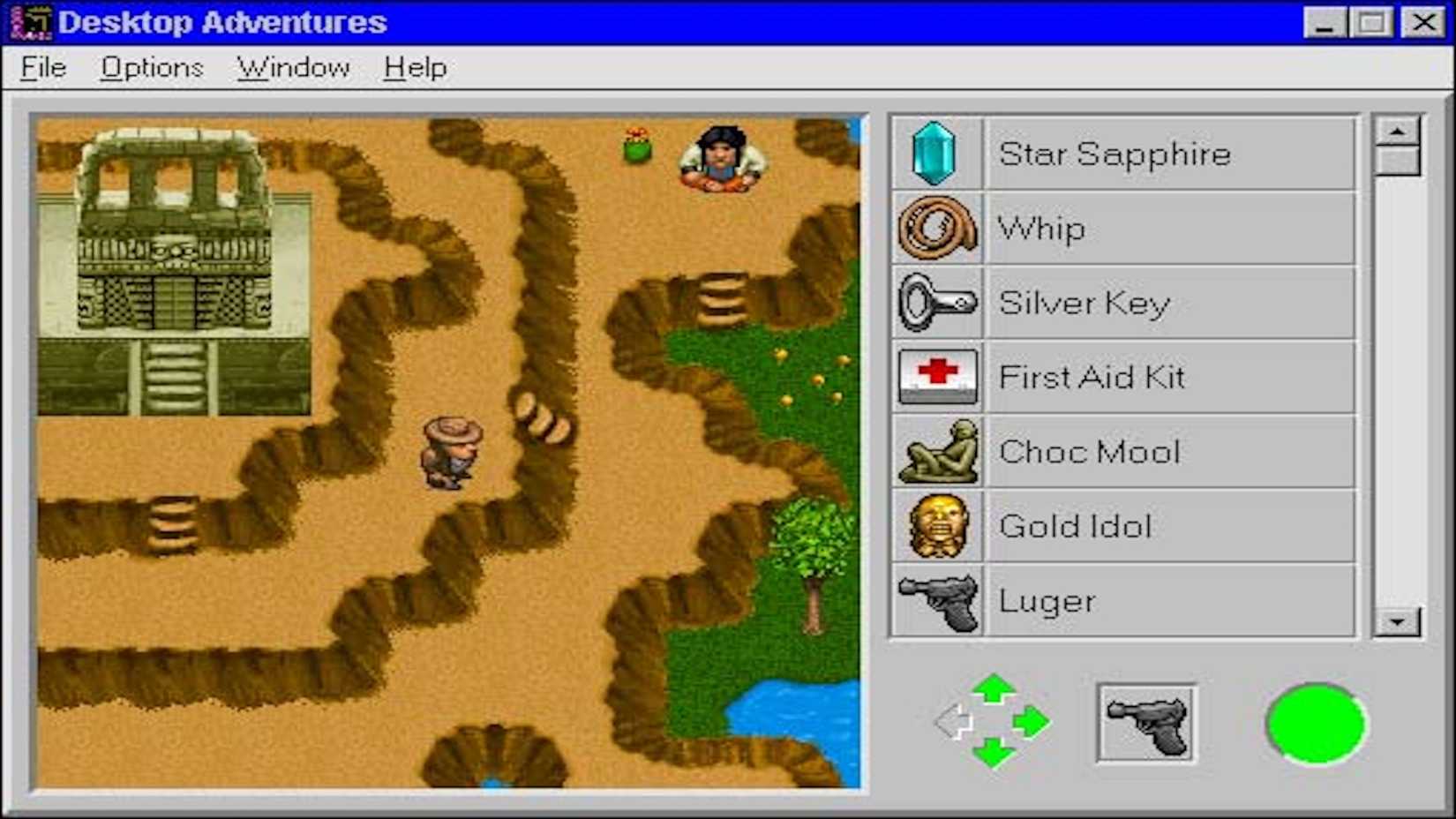 Image: Lucasfilm Games LLC
While the premise was simple, the gameplay loop was tedious. You spent your time trekking across desolate stretches of Central America, collecting items to trade for other items to solve rudimentary puzzles. You’d encounter ruins concealing “secrets” (usually just more quest items), a talking skeleton, and leopards that were somehow ten times more lethal than the Nazi soldiers. There was also tequila—a substance I was entirely unfamiliar with as a child, yet I intuitively understood that its inclusion made the game feel authentically “Indy.”
The combat was arguably the most frustrating element. Enemies moved with a supernatural speed and attacked from angles the player couldn’t replicate, rendering fights fundamentally unfair. Consequently, fleeing was almost always the superior strategy—a design philosophy that MachineGames would later refine with much better results in The Great Circle. Once a scenario concluded, you simply reset the game, and the map would shuffle into a slightly different, equally repetitive configuration.
By any objective metric, it was an atrocious game. However, my six-year-old self was completely mesmerized. I didn’t care about the stiff, ugly character models. My gaming palate was primarily shaped by the original Pokémon and that strangely unsettling, endless skiing game found on most office PCs. To me, games were utilitarian tools for engagement rather than aesthetic experiences. Furthermore, strict parental time limits of 30 minutes meant I rarely played enough to realize how hollow the experience truly was.
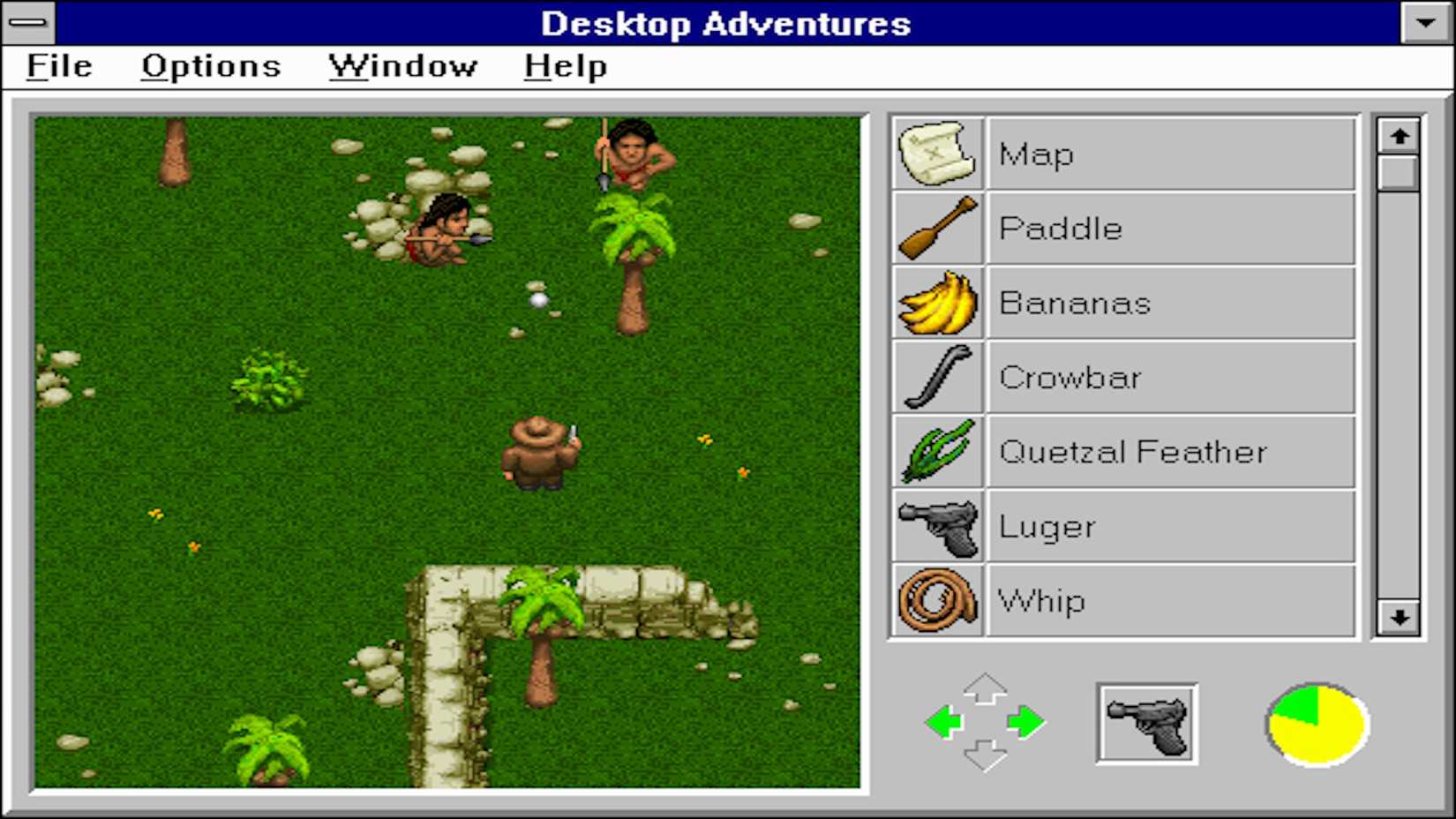 Image: Lucasfilm Games LLC
I did realize, even then, that it lacked the reactive depth of Yoda Stories, its sister title. While Yoda Stories felt like it had genuine variety—with shifting locations and a lightsaber that changed color to reflect your progress—Desktop Adventures offered no such evolution. Yet, it possessed a grounded, historical mystery that Yoda Stories lacked, which kept me hooked.
Ultimately, Indiana Jones and His Desktop Adventures was a bad game by any standard. Yet, it ignited a lifelong passion for puzzles, logical deduction, and the thrill of the chase. Even now, thirty years later, I maintain a soft spot for adventure games, though I’m grateful my standards have significantly improved. Perhaps, there is merit in experiencing sub-par media in our formative years—it teaches us exactly what we’re missing, and what we should eventually demand from the things we love.
Source: Polygon
Related articles
 Square Enix Wants to Maximize Nintendo Switch 2 for New Final Fantasy VII
 Survival Game Permafrost Reaches Over 8,000 Concurrent Players
 Polish Police Release Details on Teen Who Recreated School in Roblox and Simulated Attack
 Nintendo Will Keep Physical Copies Unlike PlayStation
 Jane Foster, Venom, and Jubilee Join Marvel Tōkon: Fighting Souls as Year 1 DLC
 Marvel Releases Praise-Filled Trailer for Vision Quest Ahead of Release
 Resident Evil Sets New Box Office Records
 Zach Cregger Sci-Fi Thriller Receives Promising Update