A Manga Master Returns With a Book That More Than Makes Up for His Adult Swim Anime Disaster

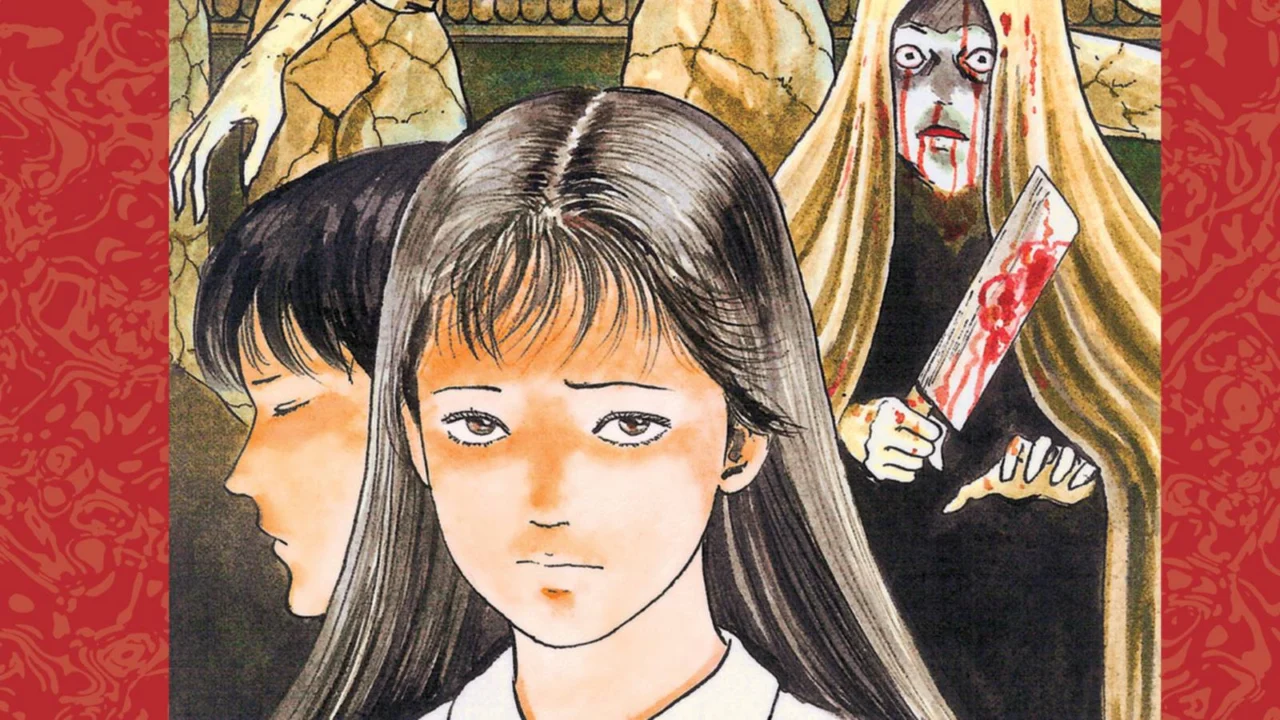
Whether it’s sinister scarecrows, animated stone figures, or towns defined by labyrinthine maps, Junji Ito possesses an uncanny ability to twist the mundane into something cosmically terrifying. His latest English-language collection, Statues (released March 2026), serves as a masterclass in macabre storytelling. It acts as a perfect atonement for the disappointing 2024 Uzumaki anime adaptation, reminding us why Ito remains the definitive voice in modern horror manga.
Statues captures the quintessential essence of Ito’s style. Through ten distinct chapters, the anthology explores the intersection of human psychology, sociology, and the fragility of our perceived reality, proving once again that the most unsettling horrors are the ones that hit closest to home.
 Image: VIZ/Junji Ito
A standout piece is “Dying Young,” a story that lingers in the mind long after the final page. It chronicles the lives of high school students who fall victim to a bizarre condition—they grow increasingly beautiful until the very moment of their death. It is a grotesque metaphor for the societal obsession with aesthetic perfection, forcing readers to reflect on how such a phenomenon might warp our own human connections.
Ito’s strength has always been his ability to zoom in on the intimate, human reaction to the impossible. Much like his acclaimed Fragments of Horror, this collection excels by focusing on personal tragedy rather than the sweeping cosmic scale found in Gyo or Uzumaki. “Maptown” is the ultimate example of this, following a newlywed couple whose trip through a town obsessed with cartography turns into a terrifying descent into a reality that seems to be dissolving entirely.
 Image: VIZ/Junji Ito
The oppressive atmosphere of these stories occasionally feels like a sibling to the mood of Silent Hill f. Tales like “The Will” and “Scarecrow” tap into a deep, tradition-soaked dread that mirrors the video game’s eerie sense of place. Ito masterfully exploits ancient customs to render the familiar deeply wrong.
Perhaps the most haunting entry is “The Bridge,” which examines a village ritual of casting the deceased out to sea on straw mats. When an architectural obstruction creates a pile-up of the dead, it serves as a chilling, visceral metaphor for how we are all shackled to the ghosts of our past.
 Image: VIZ/Junji Ito
Finally, there is “Circus,” a wild departure that highlights Ito’s flair for the absurd. It transforms a standard acrobatic performance into a parade of grotesque failures, ensuring you will never view live entertainment in quite the same way again.
Statues is an essential acquisition for horror aficionados. Whether you are a lifelong devotee of Ito’s surrealist nightmares or simply appreciate a masterfully crafted ghost story, these ten tales offer a terrifying journey into the void. Just be careful—once you start reading, it’s all too easy to lose yourself in the madness.
Source: Polygon
Related articles
 Insider Claims Resident Evil Code Veronica Will Get Separate Ways-Style DLC
 Developers Fall Into Debt Amid Rising Popularity of “Teach Your Sister How to Drive” Simulator Demo
 Arc Raiders Creator Admits Fan Divide Risk Over Requested Game Modes
 Modder Working on RTX Remaster of Call of Duty: World at War Releases First Screenshots
 Digital Foundry Releases Optimized PC Settings Guide for The Witcher 3 Remaster
 Archive Materials Suggest Wing Commander 3 Remaster May Be in Development After 32 Years
 Hacker leaks gameplay of nude Lucia from GTA VI, but players focus on other details
 New 90% Positive Steam Roguelike Is a Faithful PSP-Era Comeback