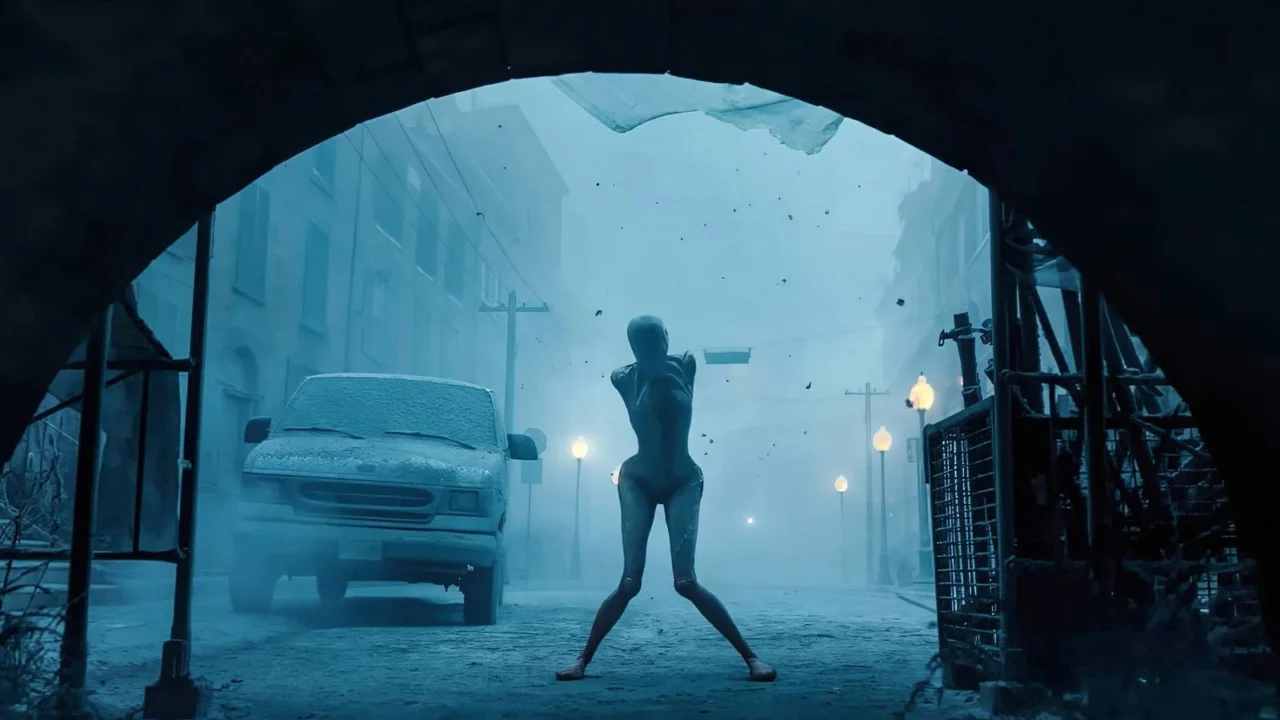
The Worst Video Game Movie of All Time Is Now the #1 Streamed Film
For years, the debate has raged: can Silent Hill truly work on the silver screen? Given two previous attempts that were met with critical derision, the skepticism is well-founded. With eight mainline entries in the series—and Silent Hill: Townfall soon to join the ranks—the franchise offers a goldmine of material. The games are defined by a distinct visual language, intricate character studies, and psychological dread that feels deeply earned. A successful adaptation shouldn’t require a radical overhaul; it simply needs the humility to respect its source material. Sadly, Christophe Gans never seems to have received that memo.
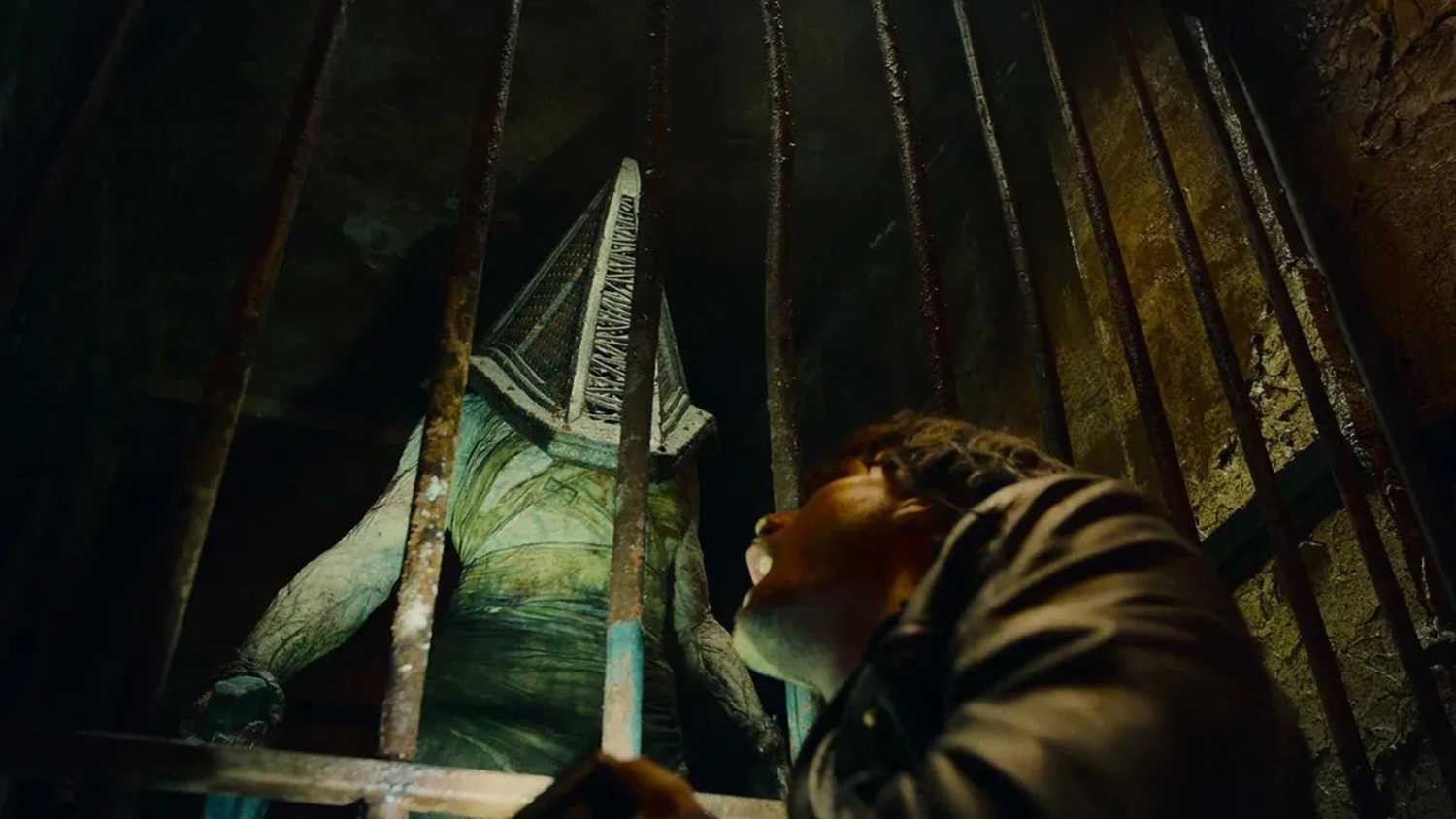
This directorial ego is on full display in the franchise’s latest outing, arriving two decades after his initial Silent Hill project. This time, Gans has set his sights on Silent Hill 2—a title widely regarded as a pinnacle of interactive storytelling. Yet, upon watching the disjointed experience that is Return to Silent Hill—which currently sits at the top of the Hulu charts—it is painfully apparent that the series’ cinematic curse remains unbroken. Gans persists in treating a masterpiece of psychological horror like a rough draft in desperate need of his “improvements.”
For the uninitiated, the film follows James Sunderland (Jeremy Irvine) as he ventures into the mist-shrouded town, driven by a letter from his wife, Mary (Hannah Emily Anderson), who passed away years prior. What follows is a descent into a landscape of familiar icons and baffling creative choices that drift further from the spirit of the original game with every passing scene.
There are glimpses of competence early on. An opening shot of a Mustang navigating a mountain pass provides a promising, atmospheric start. However, the goodwill evaporates as soon as the camera pivots to James casually lighting a joint, nearly veering into traffic—a jarring tone shift that signals the film’s erratic direction.
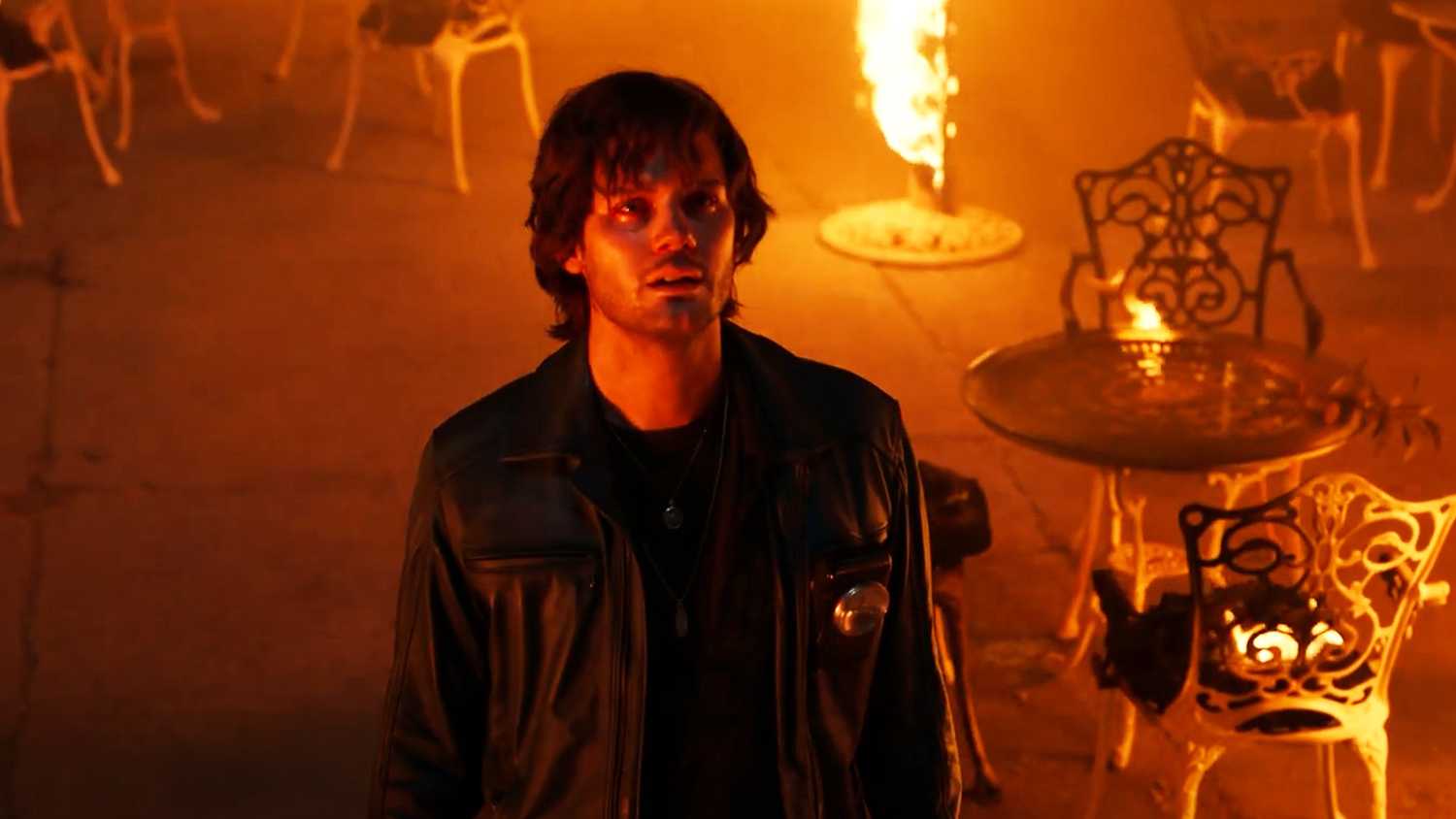
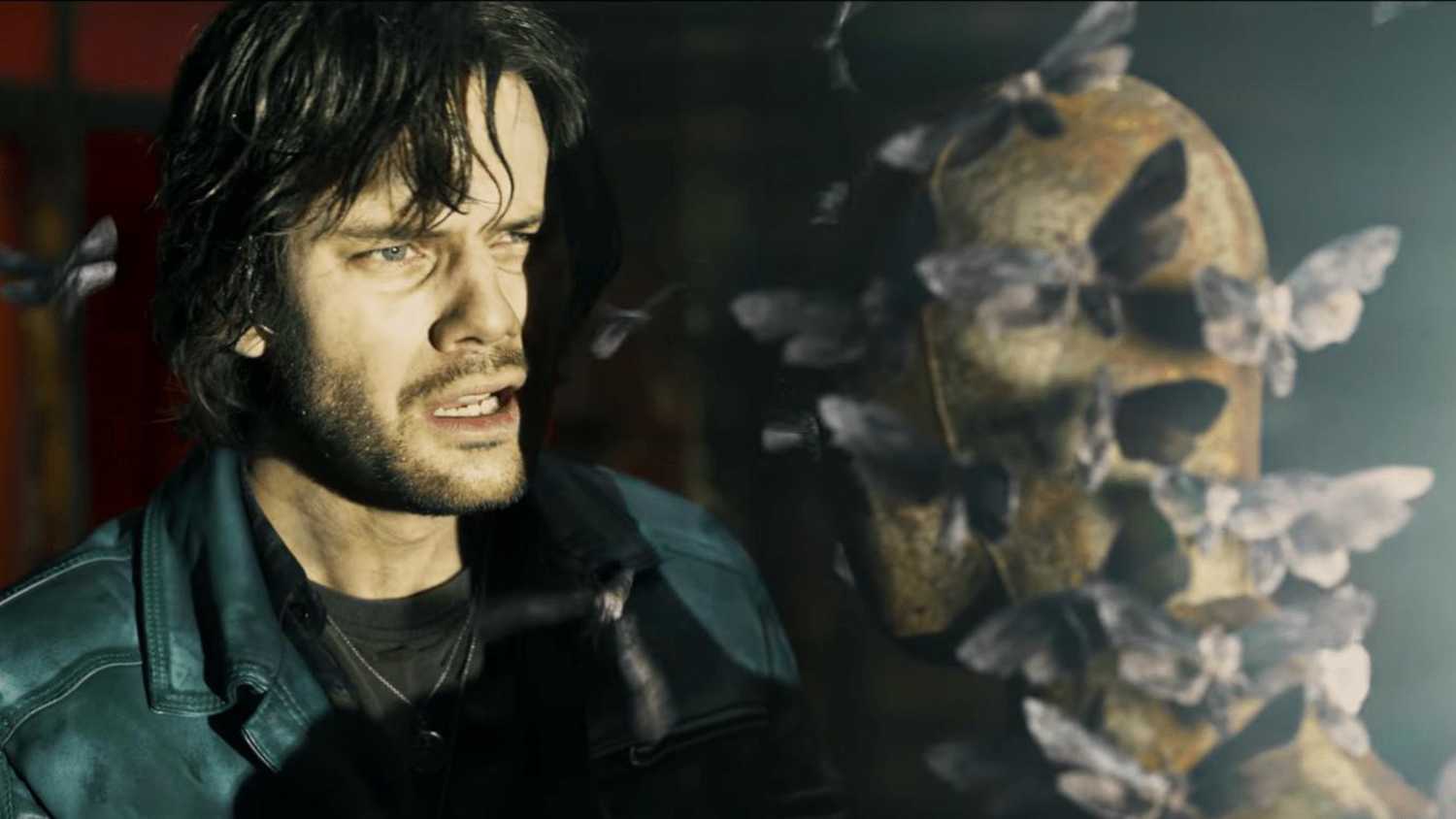
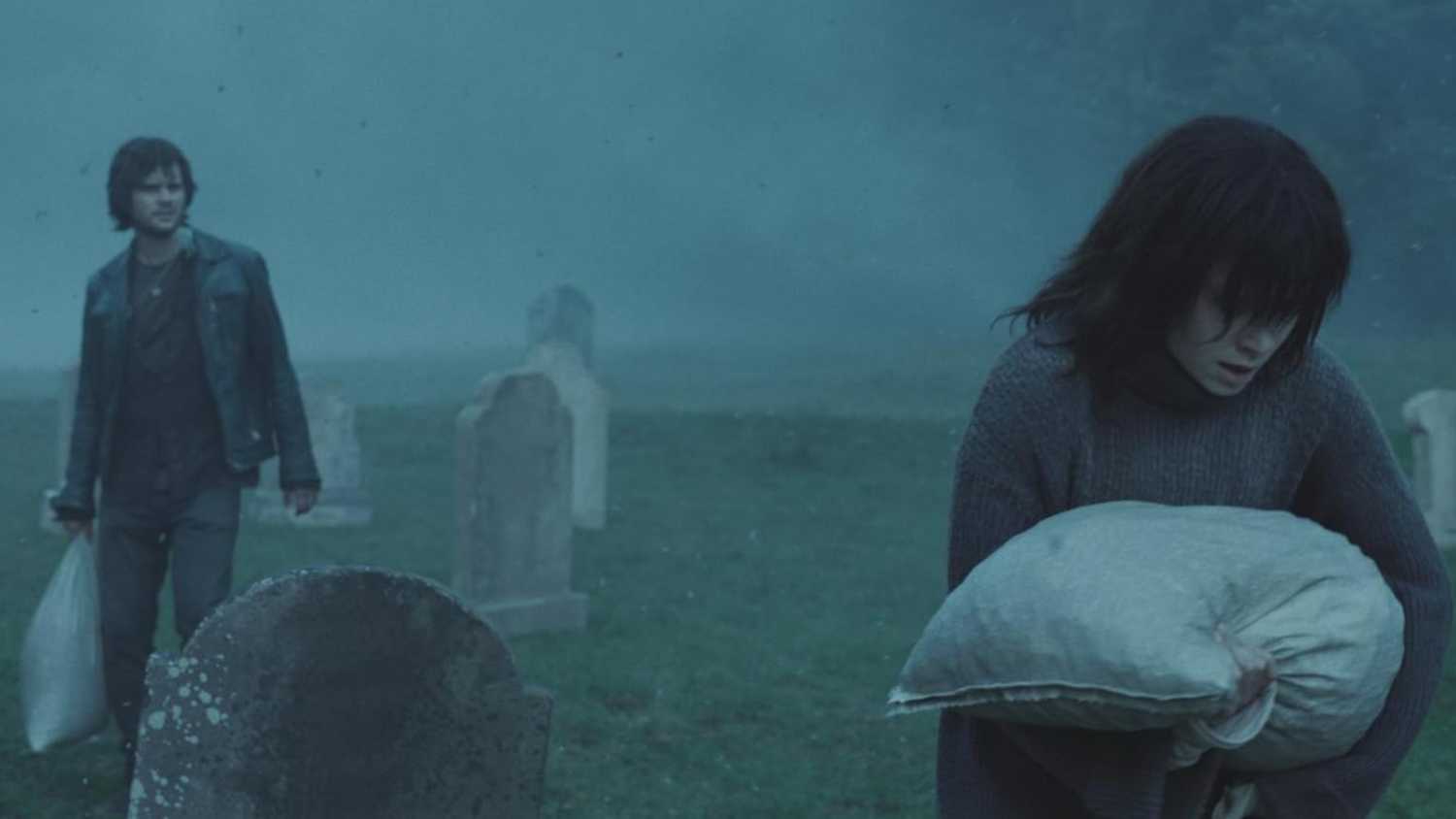
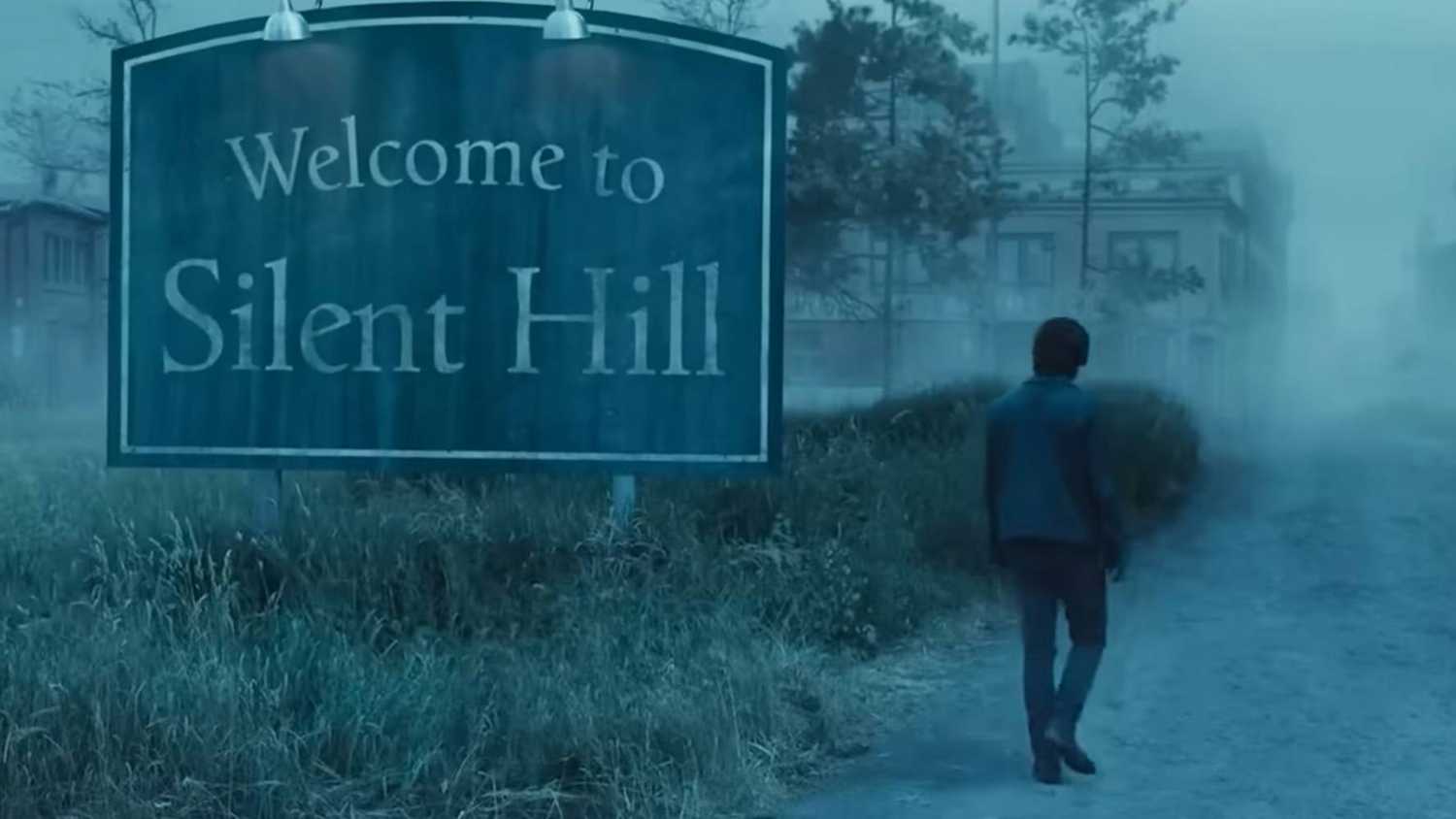
The most egregious failing is the complete dismantling of James Sunderland’s character. We are introduced to a hot-headed, substance-abusing protagonist, a far cry from the nuanced, haunted figure central to the game. Rather than a man processing profound grief, we get a caricatured painter, while Mary is weighed down by a convoluted, cult-focused backstory that feels entirely alien to the source material. These are not creative reinterpretations; they are fundamental alterations that hollow out the emotional core of the narrative.
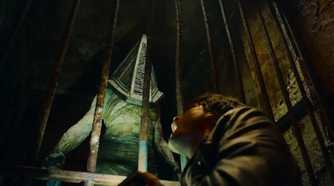
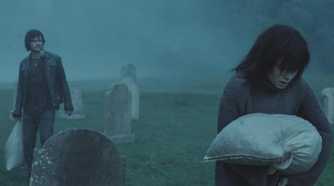
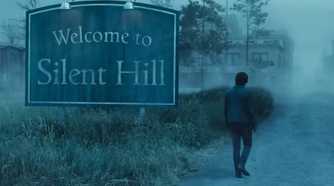
The supporting cast suffers a similar fate. Characters like Eddie are relegated to fleeting cameos, losing all the thematic weight that once made their presence meaningful. Similarly, Laura is stripped of her vital role as a foil to James’s guilt, reduced to a generic horror movie survivor scurrying through shadows. It is particularly galling given that the production had access to talent with firsthand experience in the franchise—only to waste them on tropes that feel leagues away from the source material’s sophistication.
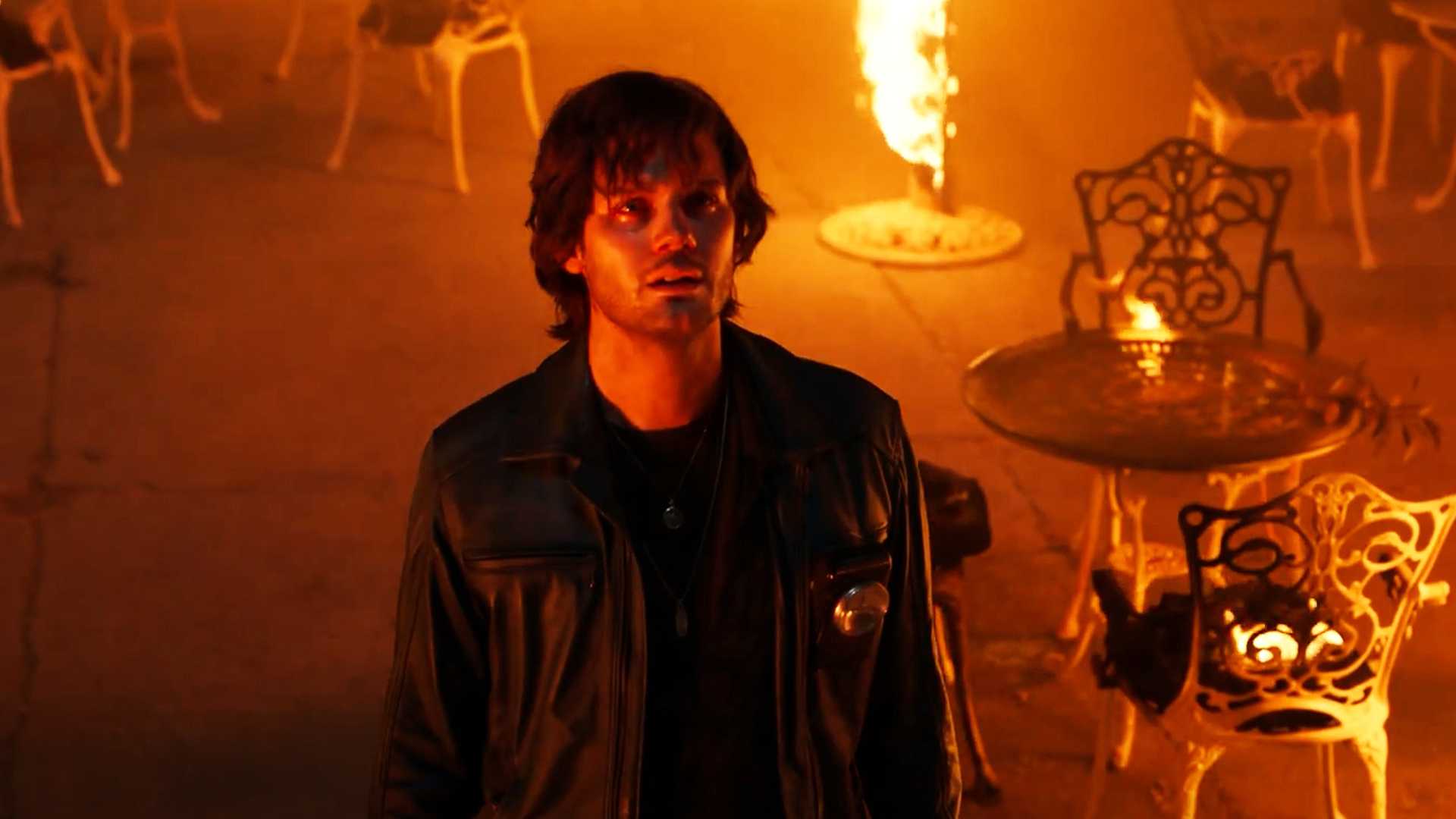
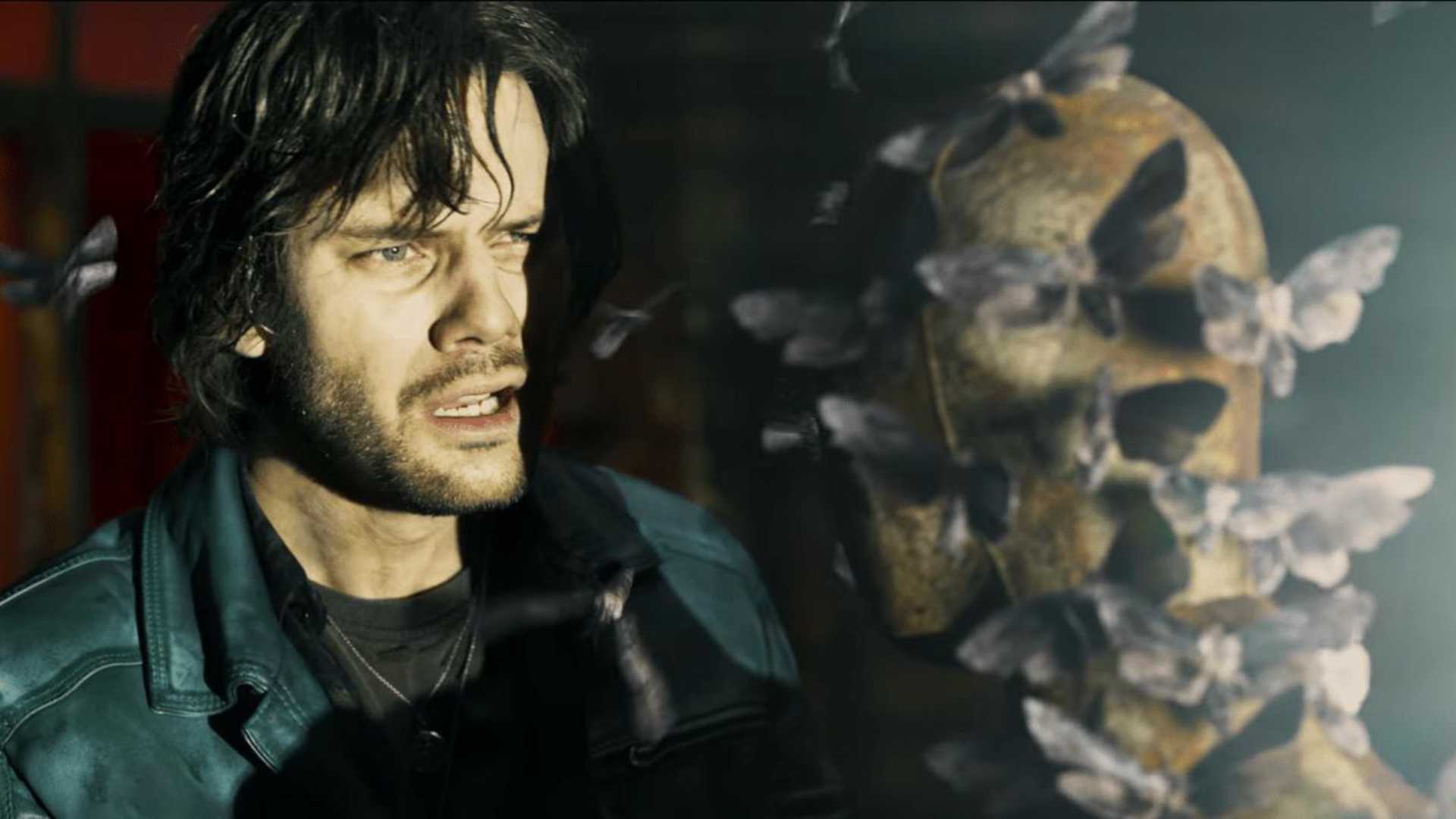
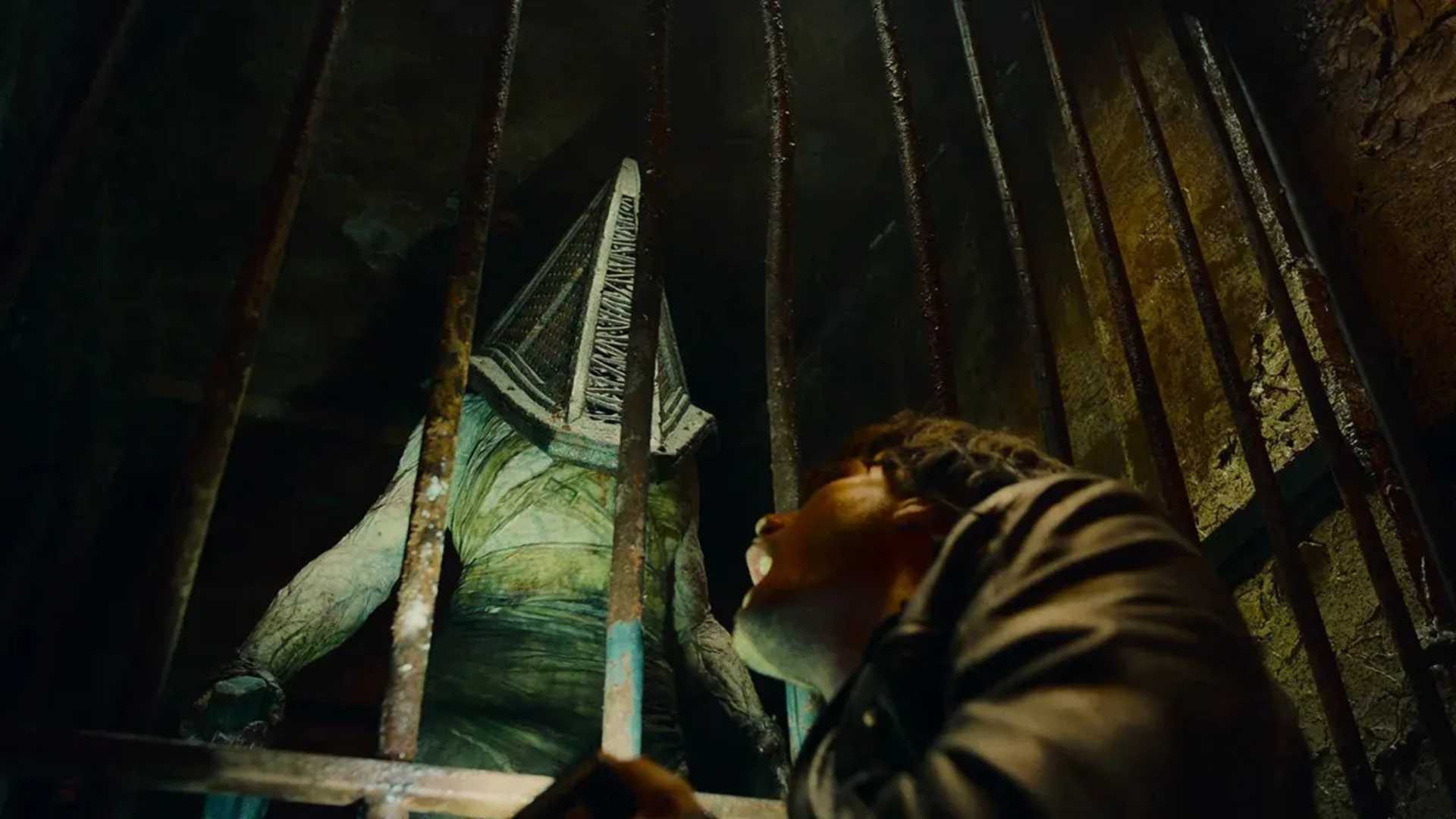
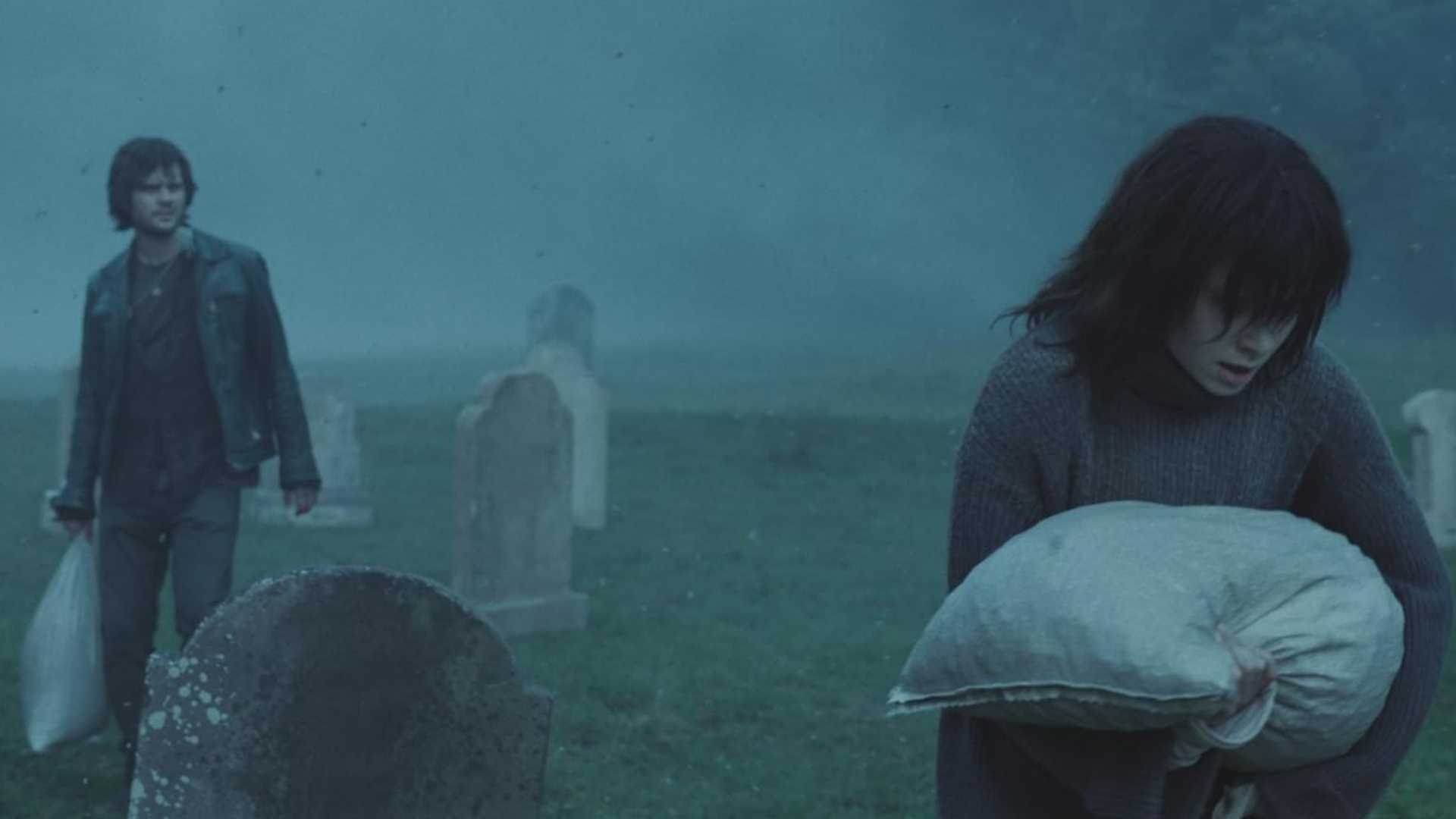
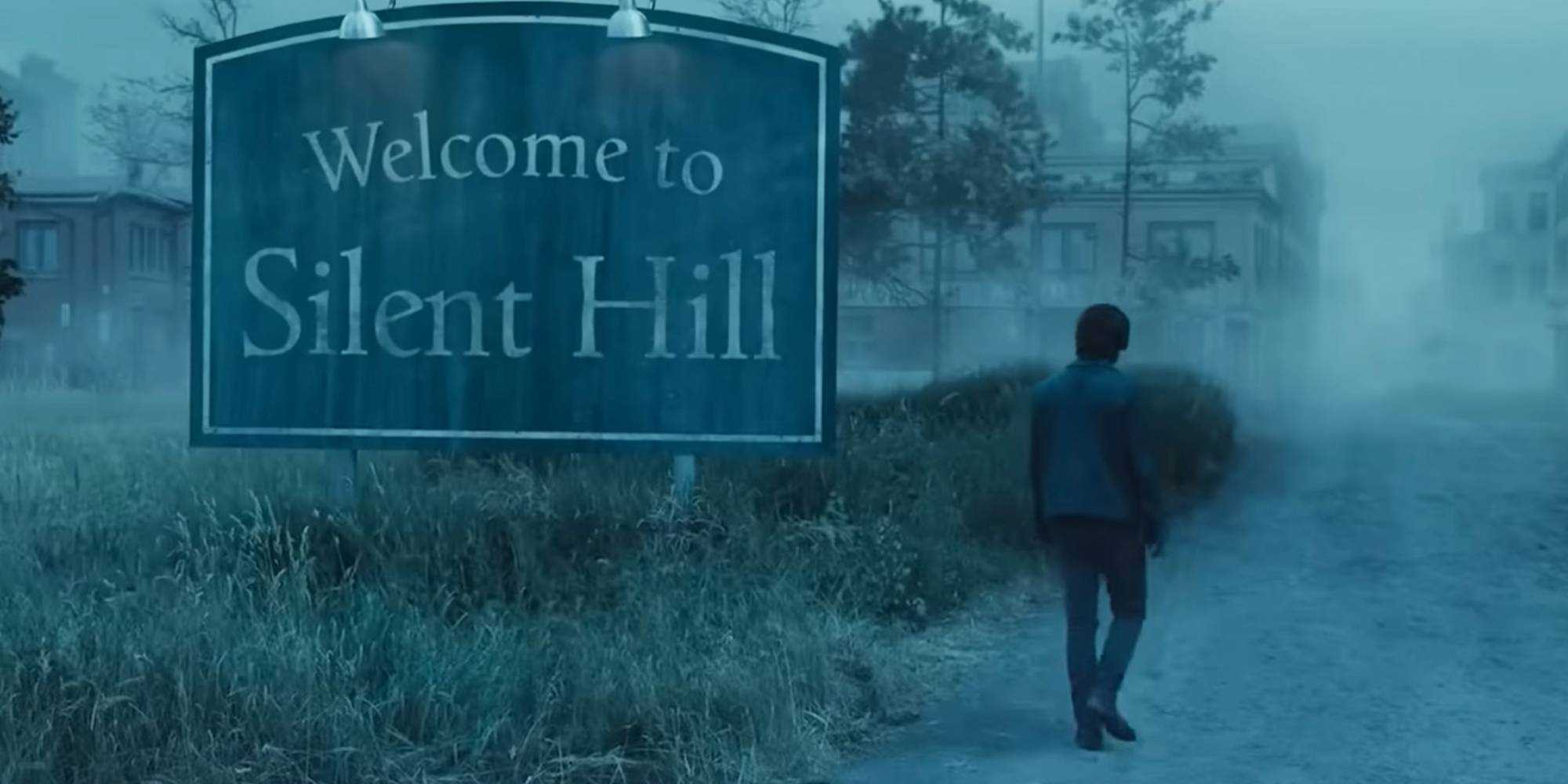
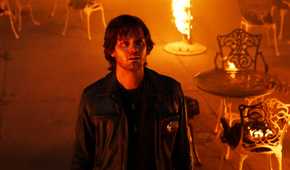
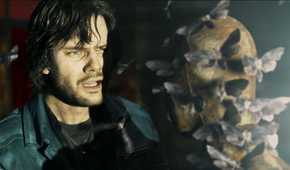
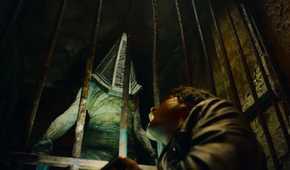
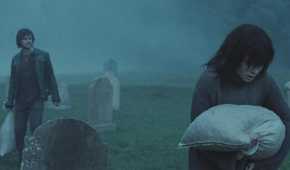
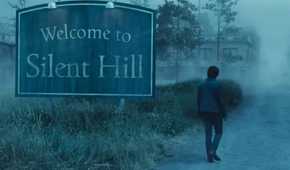
It is difficult to reconcile the film’s departures from the source material with Gans’ frequent claims of being a devoted fan. The movie frequently trips over details that even a casual player would catch. In one particularly laughable instance, Mary complains that the town is “boring” for its lack of cultural amenities, despite the fact that the film has just depicted several such locations—and continues to do so moments later.
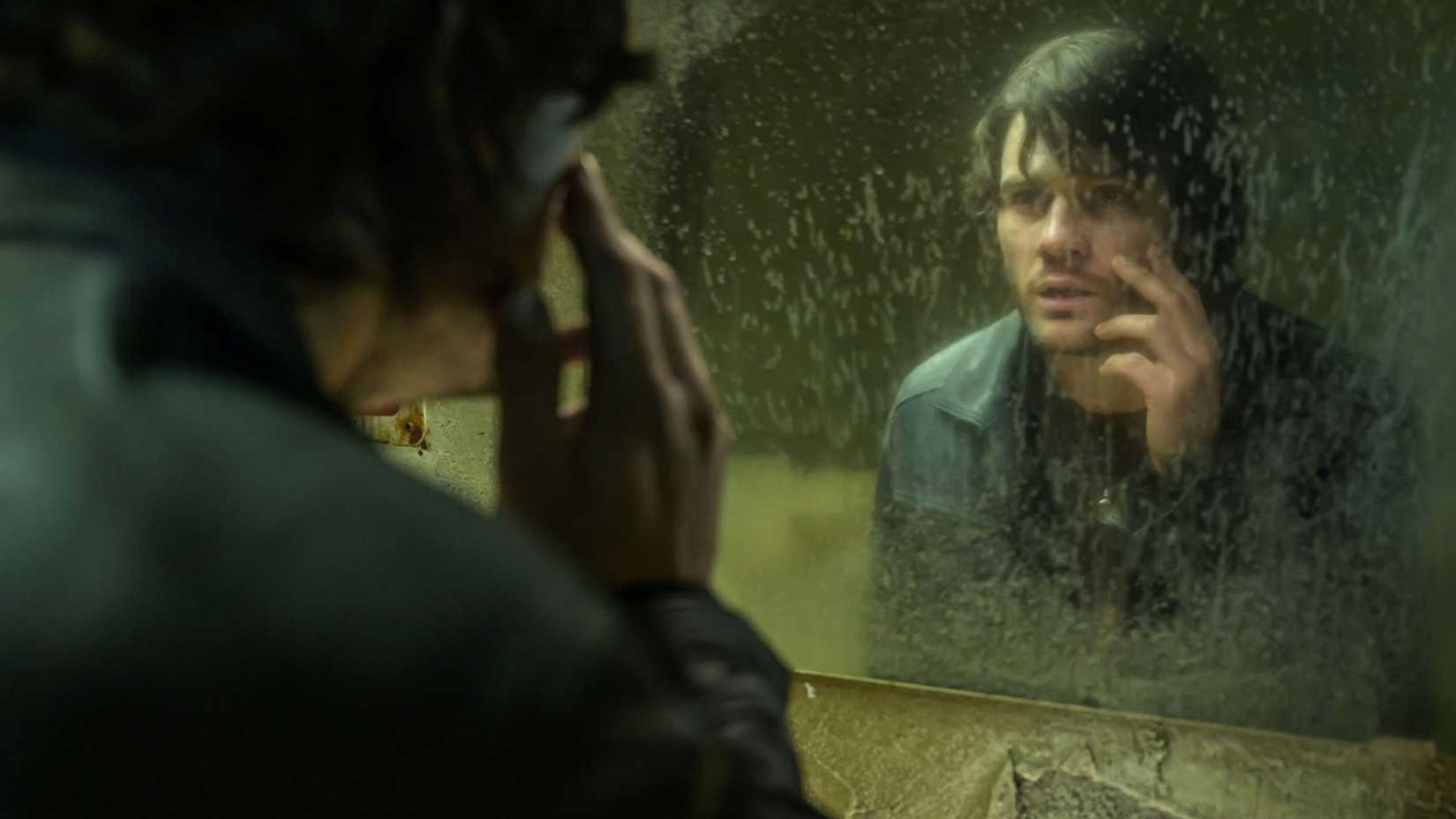
If you are seeking the authentic Silent Hill experience on film, look elsewhere. Skip these lackluster adaptations and watch Jacob’s Ladder instead. The psychological thriller that famously served as a primary inspiration for the games captures the essence of trauma, grief, and shifting reality far better than any official attempt. If Konami truly wishes to succeed in this space, they would be wise to entrust the IP to filmmakers who grasp the distinct, often melancholic aesthetic of the series—directors like Genki Kawamura or Kiyoshi Kurosawa.
After two decades of struggle, it is clear that Silent Hill does not suffer from a lack of potential. The failure lies in a persistent need to “fix” a narrative that was never broken in the first place.
Source: Polygon
Related articles
 Microsoft is reportedly preparing a negative change for Windows 11 gamers
 Microsoft Reportedly Developing Technology to Convert Discs Into Digital Xbox Games
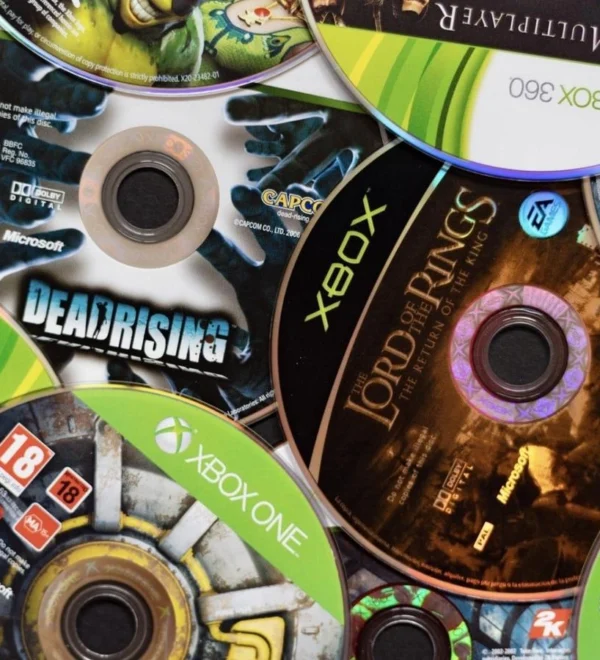 Three Major Xbox Games Cannot Be Converted to Digital Versions
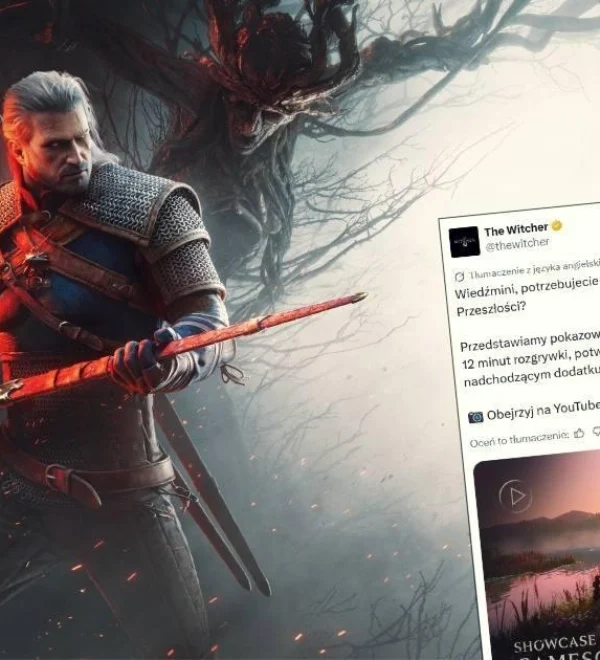 Analysts Predict Strong Sales for New The Witcher 3 DLC
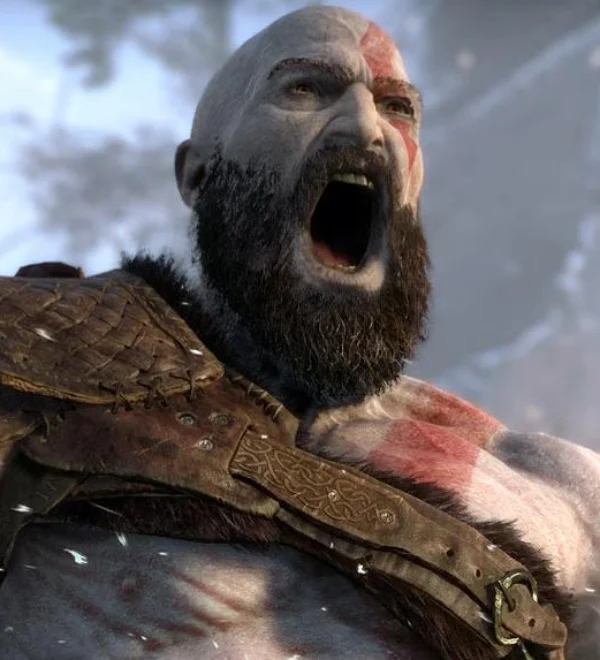 Christopher Judge Explains Why He Did Not Return as Kratos in God of War Series
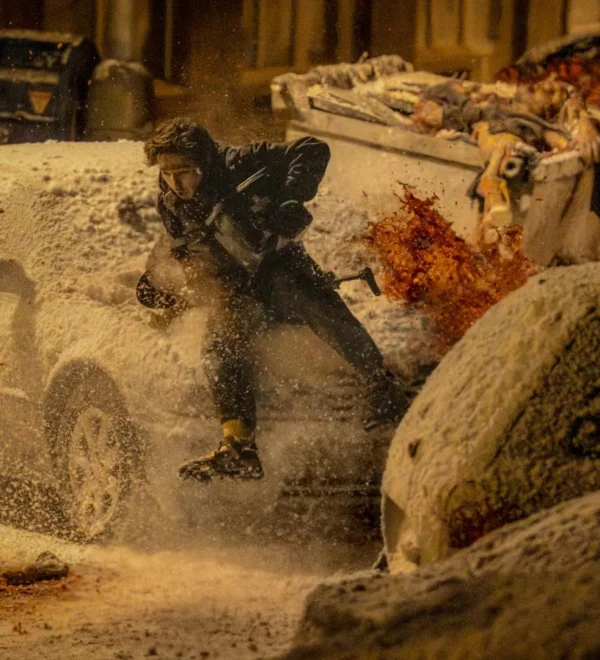 Journalists Preview First 30 Minutes of New Resident Evil Game
 Sony Threatens Players With Legal Action Amid Disc Protests
 Gamers Find Way to Beat Modern Warfare 4 Developer Records