
The Virtual Boy: From Commercial Failure in 1995 to a Historic Rerelease in 2026
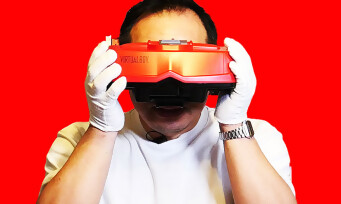
History is often written by the victors, but in the realm of interactive entertainment, failures sometimes cast the longest shadows. The Nintendo Virtual Boy, originally launched in 1995, stands as the quintessential example of a revolutionary idea crippled by the limitations of its era. This crimson-and-black stereoscopic headset promised a leap into 3D immersion, only to retreat into the annals of commercial disappointment. Fast forward three decades: Nintendo is bridging the gap between past and present with a 2026 re-edition for the Switch and Switch 2. We have unboxed, scrutinized, and compared this historical revival to the 1995 original to see if time has finally caught up with Nintendo’s most misunderstood hardware.
The Virtual Boy stood as a daring testament to Nintendo’s experimental spirit—perhaps too daring for its own good. Even viewed through a modern lens, the concept of a stereoscopic device using monochrome red-and-black displays to simulate depth was an avant-garde move. It occupied a strange limbo, neither a true portable nor a traditional home console, which confused the market from day one. In-store demonstrations were difficult, and the “tabletop” design forced players into a strained, forward-leaning posture that quickly led to visual fatigue and neck pain. While the inspiration was rooted in the high-concept immersion research of the 80s, the execution lacked the ergonomics necessary for mass-market success.
Technically, the machine sought to harness lenses and mirrors to create an illusion of profound depth, inspired by the era’s fascination with Data Gloves and scientific immersion laboratories. However, the domestic technology of the mid-90s was simply not refined enough to deliver a comfortable experience, and the software ecosystem struggled to justify the hardware’s eccentricities.
The Anatomy of a Commercial Collapse
The failure of the Virtual Boy wasn’t due to a lack of imagination, but rather a perfect storm of unfavorable factors. Beyond its ergonomic flaws, the decision to use red LEDs—driven by cost-saving measures—resulted in significant eye strain. Furthermore, the game library was notoriously anemic, consisting of just 22 titles worldwide. Many of these were glorified technical demonstrations; only Virtual Boy Wario Land truly showcased the hardware’s potential by utilizing multi-layered level designs. With roughly 770,000 units sold globally, the console was discontinued within a year. For a company fresh off the staggering success of the Game Boy, it was a humbling defeat that transformed the device into a holy grail for collectors and historians.
The original catalog, while limited, revealed Nintendo’s raw ambition. Titles like Galactic Pinball, Teleroboxer, and Red Alarm prioritized technical novelty over sustained gameplay depth. The absence of heavy-hitting franchises like Mario or Zelda in their traditional forms made the console a difficult sell to the general public, solidifying its reputation as a misunderstood curiosity.
2026: A Modern Rebirth
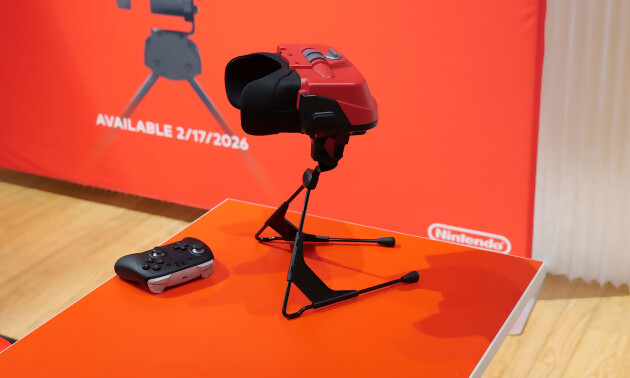
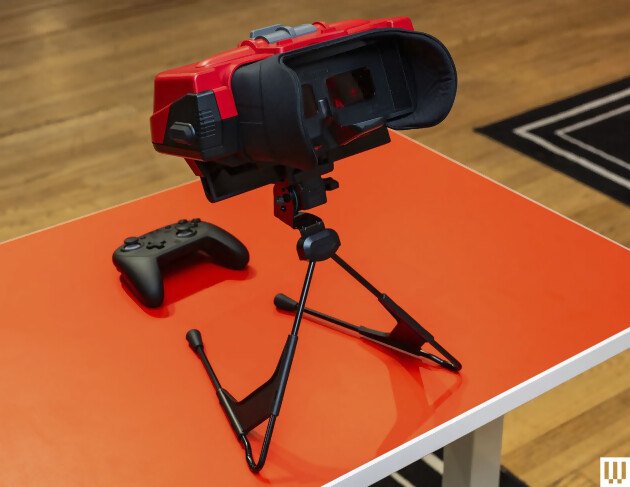
Thirty years later, Nintendo is finally embracing its red-hued past. The 2026 revival on Switch and Switch 2, integrated into the Nintendo Switch Online + Expansion Pack, serves as a digital museum. However, authenticity comes with specific hardware requirements. To play, one must use official peripherals: either a high-fidelity 80€ replica of the original headset or a 25€ cardboard “Labo VR” variant. Neither handheld nor TV modes are supported, as Nintendo insists on preserving the stereoscopic intent. The 1:1 replica successfully recreates the isolated field of view of 1995, and the seven games available at launch allow players to rediscover Wario Land in all its multi-plane glory. While titles like Zero Racers remain absent for now, the roadmap suggests more historical artifacts will be added over time.
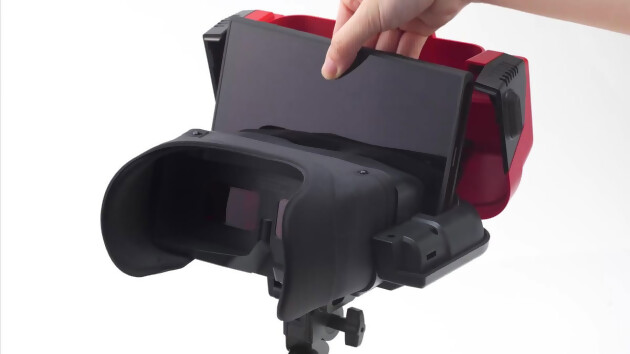
This 2026 re-release allows us to measure the vast gap between 90s ambition and modern reality. It illustrates that being “too early” is often indistinguishable from failing if the software and ergonomics don’t align. Yet, the Virtual Boy’s DNA lives on in today’s VR and AR headsets. By revisiting this gadget, we can appreciate the risk Nintendo took. Whether viewed as a niche collectible or a nostalgic tribute, the Virtual Boy remains a symbol of bold experimentation—a reminder that some ideas are simply too ahead of their time to be profitable, but too fascinating to be forgotten.
Related articles
 Timothée Chalamet and Hans Zimmer Record Joint Track for “Dune: Part Three,” Now Available to Stream
 Prime Video Releases Gandalf, Galadriel and Balrog Posters for The Rings of Power Season 3 Ahead of Trailer Premiere
 GTA VI Release Could Cost the Economy $1 Billion, Analyst Estimates
 Hacker Breaks PS5 Firmware to Run GTA VI, Sony Releases System Update Soon After
 Insider Reports “Euphoria” Star Jacob Elordi Has Been Cast as James Bond
 God of War Creators Considered a Different Name for Kratos, but Pizza Jokes Derailed the Plan
 Leak for ‘Mass Effect Universe’ Promises What Fans Have Awaited for Decades
 Shrek 2 Remastered System Requirements Call for RTX 50 GPU, Players Mock Specs