The Top 5 Greatest Twilight Zone Opening Monologues of All Time

“You are traveling through another dimension—a dimension not only of sight and sound but of mind.”
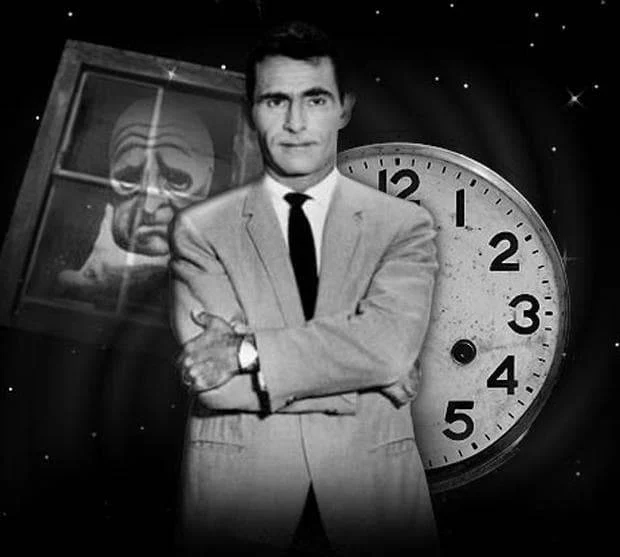
Every installment of The Twilight Zone commences with a legendary prologue, inviting the audience into the enigmatic “fifth dimension.” Series architect and narrator Rod Serling famously pierces the fourth wall, ushering viewers into a tapestry of the macabre and the moral before returning for a final, thought-provoking coda. These cold opens are more than just introductions; they are the soul of the series, defined by Serling’s distinctive cadence and razor-sharp prose.
These monologues do more than establish a premise—they often transform the narrative into a parable, leaving an indelible mark on the viewer’s psyche. Below, we revisit five of the most compelling openings in the show’s history, selected for their cultural resonance, their brilliant subversion of tropes, and Serling’s unparalleled gift for storytelling.
5
It’s a Good Life

Season 3, Episode 8, “It’s a Good Life,” remains one of the anthology’s most chilling entries, and its introduction is a masterclass in atmospheric misdirection. Serling stands before a map, informing us that this particular tale requires a “different kind of introduction.” He describes a small American town that has become an island unto itself—the rest of the world has simply vanished, wiped away by a localized “monster.” As he introduces the townspeople as mere playthings for this entity, he saves the most terrifying revelation for last.
“His name is Anthony Fremont. He’s six years old, with a cute little-boy face and blue, guileless eyes,” Serling reveals. “But when those eyes look at you, you’d better start thinking happy thoughts, because the mind behind them is absolutely in charge.” It is a hauntingly unique setup that paves the way for what is widely considered a pinnacle of televised horror.
4
Deaths-Head Revisited

Serling’s writing was never more potent than when he was confronting the horrors of human history. In Season 3, Episode 9, “Deaths-Head Revisited,” he delivers a searing indictment of a former S.S. captain, Mr. Schmidt, who returns to the ruins of a concentration camp in search of nostalgic comfort. Serling dissects the character with surgical precision, describing those like him as shells of men who “walk the Earth without a heart.”
Describing the grim legacy of the camps, Serling narrates: “They must remain standing because they are a monument to a moment in time when some men decided to turn the Earth into a graveyard. Into it they shoveled all of their reason, their logic, their knowledge, but worse of all, their conscience.” It remains one of the most articulate and devastating condemnations of evil ever broadcast.
3
Nothing in the Dark
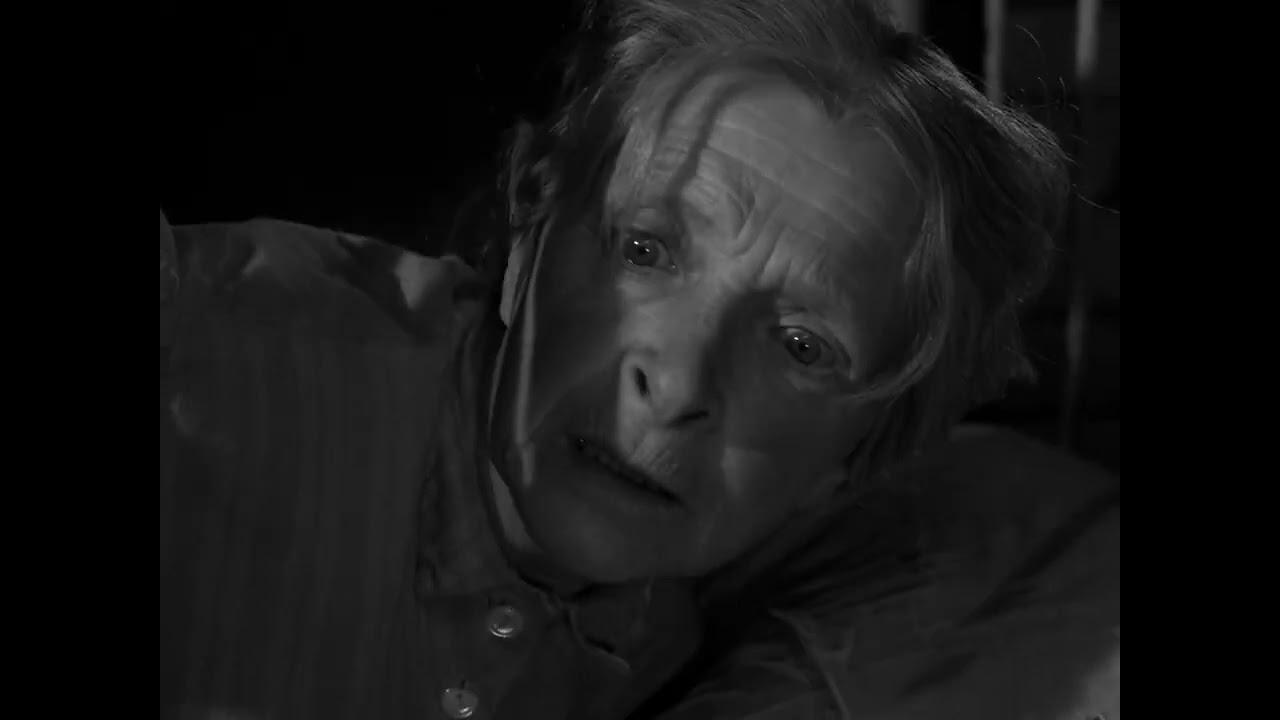
An elderly woman, paralyzed by the fear of death, lives in isolation within a crumbling apartment. When a young policeman is wounded outside her door, she faces an agonizing choice: offer help or remain hidden from what she believes is the Grim Reaper in disguise. Serling’s prologue here is elegant in its simplicity, framing the episode’s stakes with poetic grace.
“An old woman living in a nightmare, an old woman who has fought a thousand battles with death and always won,” Serling observes. “Now she’s faced with a grim decision—whether or not to open a door.” It serves as a profound meditation on the inevitability of our end, suggesting that death can be as gentle as it is feared.
Featuring a young Robert Redford alongside Gladys Cooper, Season 3, Episode 16, “Nothing in the Dark,” uses Serling’s narration to provide vital emotional context. Redford’s presence in the episode remains a highlight of his early career, adding a layer of timelessness to this haunting exploration of mortality.
2
The Obsolete Man
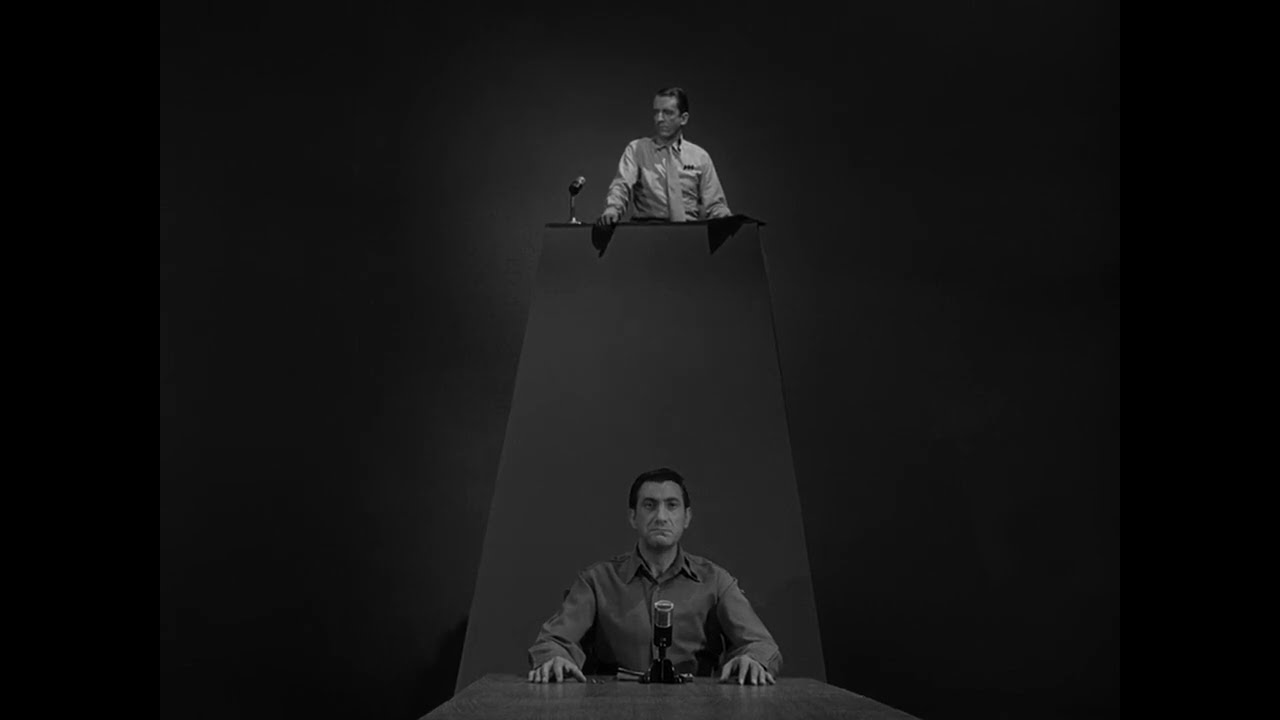
“You walk into this room at your own risk, because it leads to the future. Not a future that will be, but one that might be. This is not a new world. It is simply an extension of what began in the old one.”
Season 2, Episode 29, “The Obsolete Man,” is a cornerstone of the series. It envisions a totalitarian future where “The State” has eradicated literature, faith, and individual autonomy. The episode remains disturbingly relevant, portraying a regime that views logic as a threat and truth as a liability. Serling’s intro clarifies that the State has no loyalty to anyone—not even its own enforcers.
“But like every one of the super-states that preceded it, it has one iron rule: logic is an enemy and truth is a menace,” Serling warns. With a tour-de-force performance by Burgess Meredith, the episode stands as a grim reminder of the fragility of freedom.
1
Walking Distance

“Martin Sloane, age thirty-six. Occupation: vice president, ad agency, in charge of media.” This opening strikes a chord of quiet desperation, signaling the beginning of one of the anthology’s most moving narratives. Season 1, Episode 5, “Walking Distance,” explores the universal ache of nostalgia and the bitter realization that one can never truly return home. The town we remember is a frozen snapshot; the reality is a place that has moved on without us.
For Sloane, however, the laws of physics bend to allow a temporary reprieve. “Somewhere up the road, he’s looking for sanity,” Serling notes. “And somewhere up the road, he’ll find something else.” Notably, Serling refrains from his usual closing mention of the show’s title in this intro. It is as if he knows the lesson isn’t exclusive to science fiction—it is a fundamental human truth that Martin Sloane happens to discover… within the Twilight Zone.
Source: Polygon
Related articles
 GTA 6 Detail Compared to Sleeping Dogs, Red Dead Redemption 2, and Previous GTA Games
 Sony Lawyer Responds to Lawsuit Over Digital PlayStation Game Ownership
 Microsoft Announces Upcoming Xbox Game Releases
 Square Enix Shares Details on Kingdom Hearts IV and a Controversial Compromise
 How Counter-Strike: Global Offensive Began as an Xbox 360 Port
 Cyberpunk 2077 Leaving Xbox Game Pass This Month
 Rhythm Heaven Groove Returns to Number One in Japan as Sales Approach One Million
 Gate Zero Resembles Mix of Assassin’s Creed and Sci-Fi