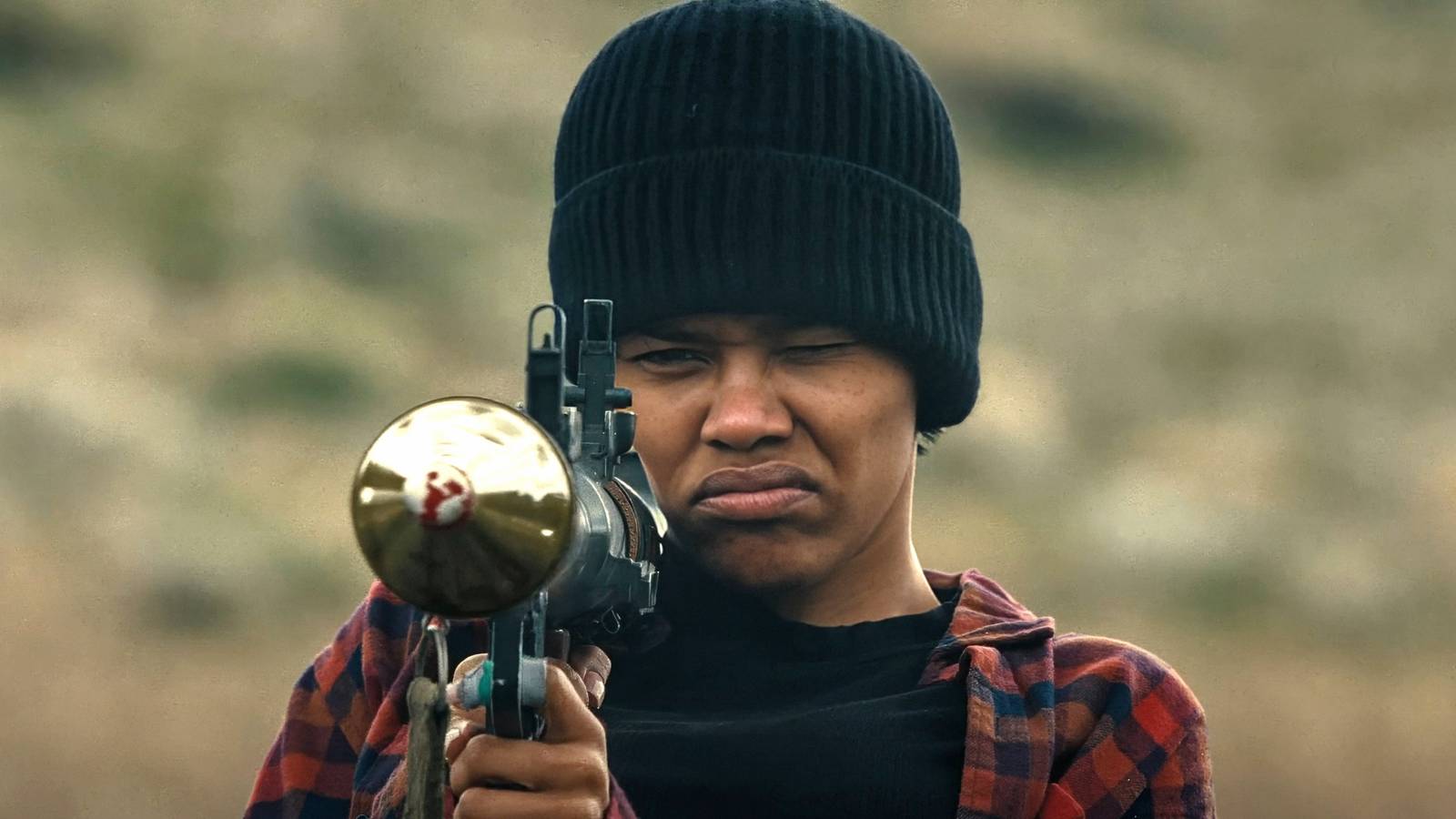
“Bigger” doesn’t automatically mean “better.” After roughly fifty hours with The Outer Worlds 2, that aphorism feels like the clearest takeaway. Obsidian poured more into the sequel — more jokes, more foes, more weapons, more traits, more locales — and those additions pay off in bursts. Yet the sheer volume of ideas ultimately makes the experience uneven as sessions stretch on.
The Outer Worlds 2 makes a striking opening impression. You begin as an agent of the Earth Directorate, an organization that aims to check corrupt states and corporate malfeasance. Following a series of dramatic events, you find yourself in the Arcadia system, a colony fractured by a three-way conflict between Auntie’s Choice (the merger-born corporate behemoth), the Protectorate (a draconian collectivist regime), and the Order of the Ascendant (a theocratic movement that worships numbers). Rifts that tear at space and time complicate matters, but your immediate objective is straightforward: reach a relay station to send an urgent transmission — a task complicated by the fact that the facility sits in an active war zone.
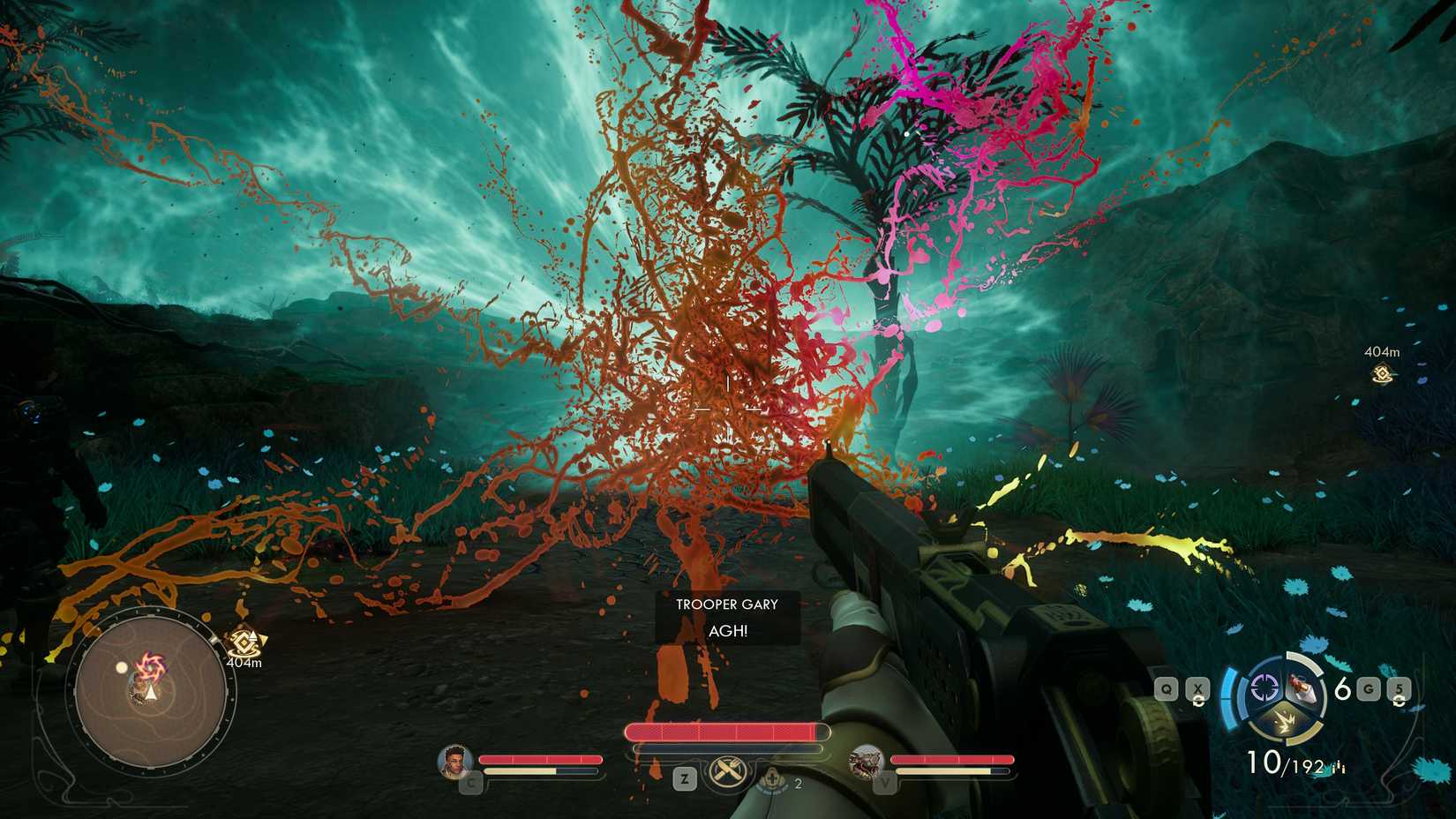 Image: Obsidian Entertainment/Xbox Game Studios via Polygon
Like its predecessor, Outer Worlds 2 is a first-person RPG built around a central narrative and an array of side activities scattered across distinct planets and large, contained zones. The first zone — and the sequence that gets you to the relay — is exceptional. You encounter oddball set-pieces (including a farmer with a sugar-fueled crab) but more often uncover clever shortcuts, hard-to-find clues, and small narrative beats that reshape how you approach objectives.
One sequence stands out: a fleeing Protectorate deserter near a bridge facing execution. It isn’t a formal quest and only appears if you explore and eavesdrop on ambient dialogue. Save him, and later you can rescue his lover from a monster-infested hideaway. Follow a hidden power line in the grass and it leads to a concealed entrance to the relay; explore a cave and you’ll find a sewer access that other routes don’t reveal. These early moments reward curiosity, and small discoveries — like an easter-egg character who matters hours later or a toy that persuades soldiers to ally with you — make the opening hour feel dense with possibility.
After that high, the sequel rarely sustains the same momentum. The second major area adopts a map structure reminiscent of the first game or Obsidian’s Avowed: a broad region dotted with points of interest and short-story side missions. These tasks tie thematically to the Auntie’s Choice vs. Order conflict but often feel isolated from the main narrative and from each other. Environmental storytelling that guided discoveries in the initial zone becomes scarcer.
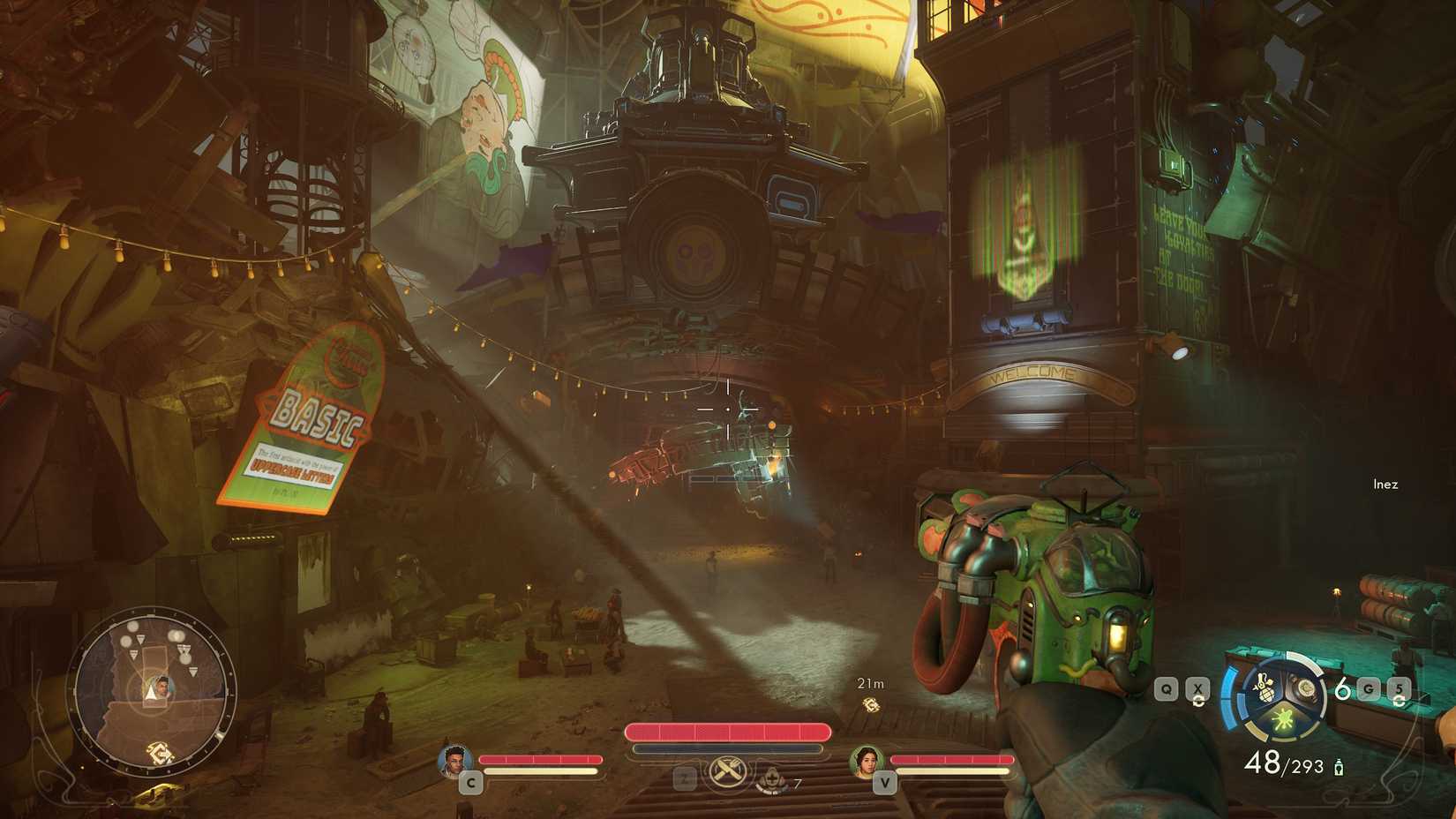 Image: Obsidian Entertainment/Xbox Game Studios via Polygon
A frustration emerges when consequential-sounding choices land with almost no consequence. In several side arcs, you decide between options that should carry weight — choices that might enable war crimes or condemn refugees — yet the aftermath is reduced to a throwaway line or two. A role-playing game need not let every decision ripple into the main plot, but if the narrative asks you to pick a side, it’s fair to expect more than perfunctory closure. The sequel delivers breadth, but some of that breadth comes at the expense of meaningful impact.
The second act attempts a larger-scale gambit: a multi-world mission that should force compromises and political bargaining across factions. It’s an ambitious idea that recycles the first planet’s structure, but it lacks the urgency and sting you’d want from a “deal-with-the-devil” scenario. The game often ensures alternate routes exist — and makes them obvious — so you can typically bypass hard choices with clever play or by following suggested optional objectives. When the system continually softens negative outcomes, the sense of genuine consequence is dulled.
That design philosophy — shielding players from lasting downside — pervades many systems. Locked areas usually offer multiple, clearly signposted entry methods, and puzzles frequently include bypasses (keycards, terminals, or narrative workarounds) that let players progress without the intended skill investment. Even when you briefly suffer for making an ethical choice, the game commonly hands you a method to erase that penalty shortly after. Options are important, but they need to carry risk and reward; otherwise the choices feel performative.
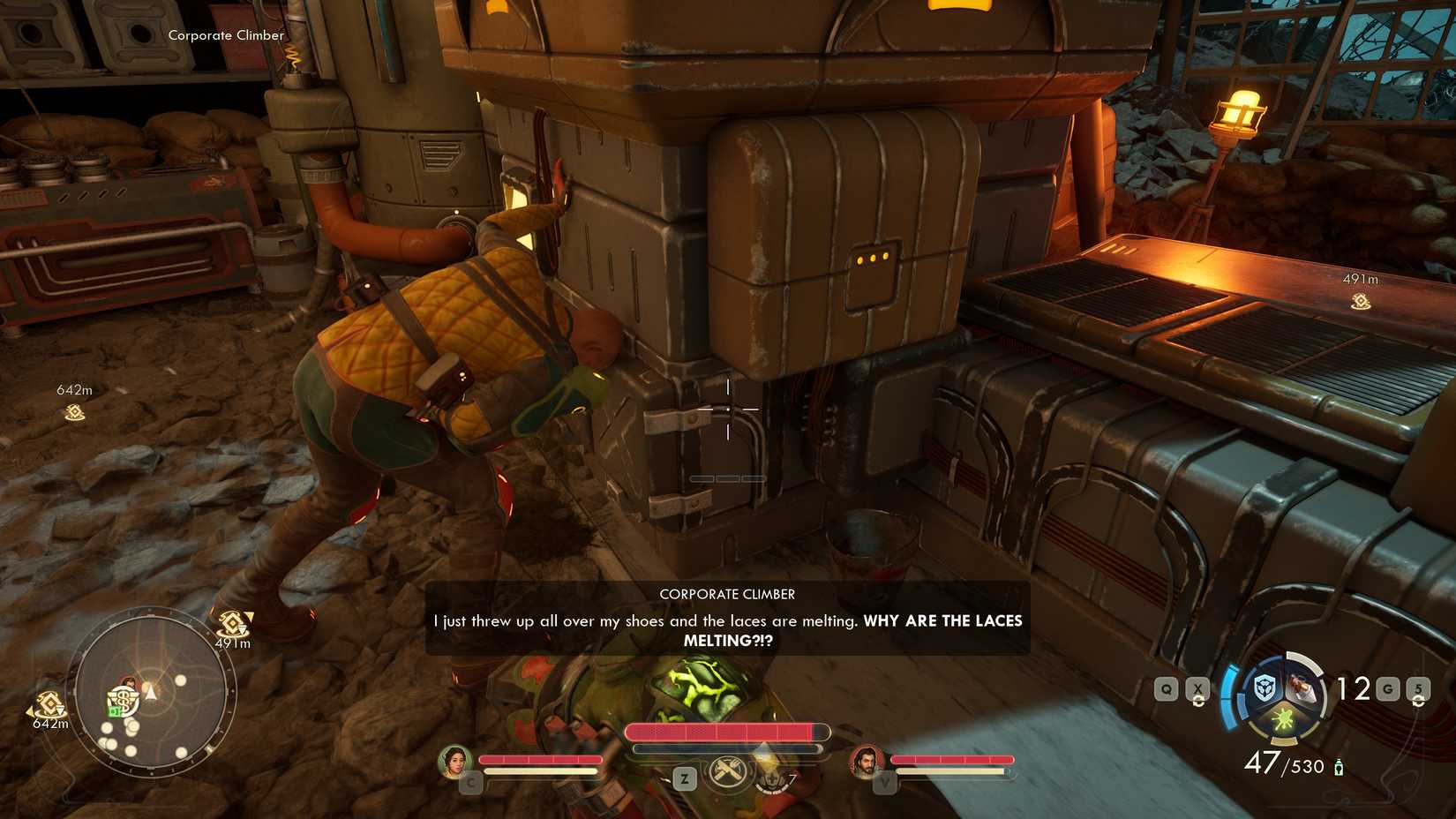 Image: Obsidian Entertainment/Xbox Game Studios via Polygon
Paradoxically, combat is where the game gives you the most expressive freedom. There are noticeably more weapons than before, and while enemy variety is still somewhat limited, encounters commonly mix creatures, humans, and machines in ways that reward tactical experimentation. I ended up juggling silenced sniper rifles, exploding pistols, frost weapons, poison handguns, and even a rocket launcher I’d nearly forgotten I’d looted. Among the standout toys: a two-handed hammer you can stuff with shotgun shells — gloriously chaotic and entertaining to use. Stealth builds are also viable and extremely satisfying, but they require deliberate investment the way melee and gunplay do not.
To test the game’s branching, I reloaded an earlier save and pursued one of the optional alliances in the second act. That alternative path changes pacing, forces deeper social interactions, and leans on traits and skills in ways the main route often avoids. It’s where some of the richest narrative moments hide — which makes it odd that these sequences are clearly framed as optional extras for a replay rather than integral parts of the primary experience.
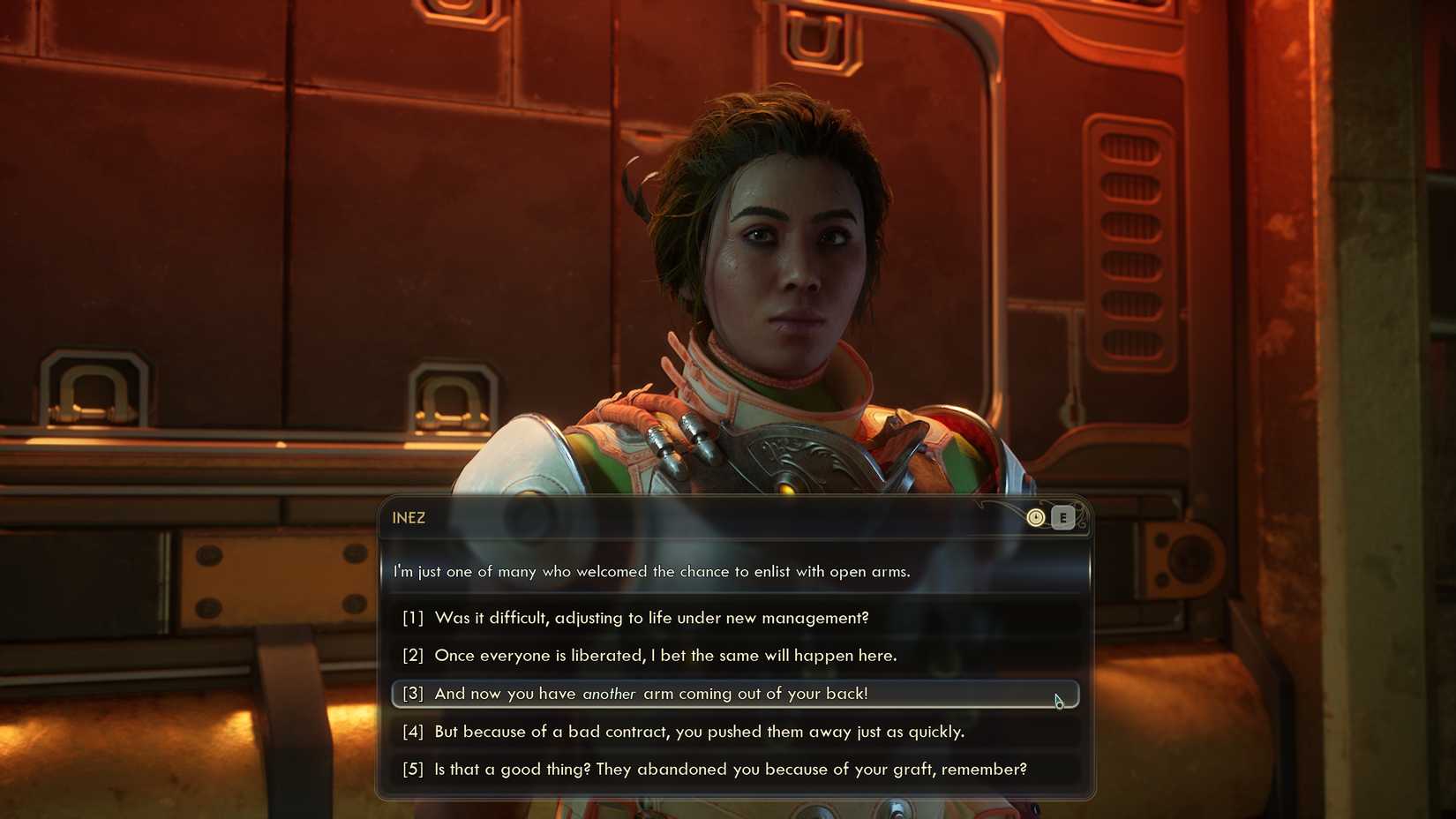 Image: Obsidian Entertainment/Xbox Game Studios via Polygon
When it’s firing on all cylinders, Outer Worlds 2 is excellent. The central narrative is consistently engaging, and Obsidian sharpens its critique of corporate power by tying it to personal identity and social dynamics rather than only wallowing in broad anti-capitalist jokes. The major plot turns can feel familiar if you’re versed in political history, but the emotional stakes often lie in how revelations reshape your companions’ arcs rather than in twist-for-twist shock value. In a few standout set pieces the story and character work click together — a notable accomplishment in an RPG genre that often splits strong plot from strong character writing.
The companion system is a particular highlight. Rather than restricting character development to a handful of scripted “milestone” conversations, relationships evolve through many smaller interactions. Casual remarks, private critiques, or tiny slights accumulate and influence arcs as much as the big confrontations do. That organic build toward dramatic moments makes companionships feel earned and alive.
Still, companion reactivity can be inconsistent. Unless you repeatedly and flagrantly betray a companion’s faction, they often shrug off behavior that should matter — looting a sacred tomb, stealing a relic, or parading a faction founder’s skull in plain sight barely registers. Companions rarely clash with each other once recruited, even when their backgrounds suggest they should be at each other’s throats. These are missed opportunities for conflict that could have amplified narrative tension.
The end result is a game of contrasts: moments of real narrative and mechanical satisfaction punctuated by stretches that feel frictionless to a fault. I enjoyed my time trying to tilt Arcadia toward a better future, but it’s frustrating to see the first act’s promise fade into later compromises. There’s a sweet spot between the concision of the original and the sequel’s overreach; hopefully Obsidian will find that balance in a future installment.
The Outer Worlds 2 is available on PlayStation 5, Xbox Series X, and Windows PC — the premium edition releases on October 24, 2025, and the standard edition follows on October 29, 2025. This review was conducted on Windows PC using a prerelease download code supplied by Microsoft. For more details on editorial standards, consult Polygon’s ethics policy.
Source: Polygon