
Robert Redford’s Definitive Spy Thriller Turns 50

Robert Redford’s involvement in Captain America: The Winter Soldier was a calculated tribute to the paranoid cinema of the 1970s, yet it’s easy to view his presence as just another superficial Marvel Easter egg. While it was certainly a treat to witness Redford’s understated gravitas within the MCU, his casting alone doesn’t necessarily validate the film’s genre aspirations. (Consider how filmmakers often cite What’s Up, Doc? as a touchstone for Ant-Man and the Wasp, seemingly based solely on their shared San Francisco backdrop.) However, this shorthand is effective because of Three Days of the Condor—the singular, defining paranoid thriller of Redford’s career.
While All the President’s Men shares the same DNA as Condor, The Parallax View, or Marathon Man, it functions more as a meticulous journalistic procedural than a traditional high-stakes thriller. Similarly, Sneakers served as a nostalgic 1990s callback to that era, utilizing Redford as a symbol of a lost age of espionage. Most of Redford’s other 1970s projects leaned toward the lighthearted, like The Sting or The Hot Rock. This leaves 1975’s Condor as his most significant contribution to this specific subgenre, a film reaching its 50th anniversary just as we reflect on the actor’s enduring legacy.
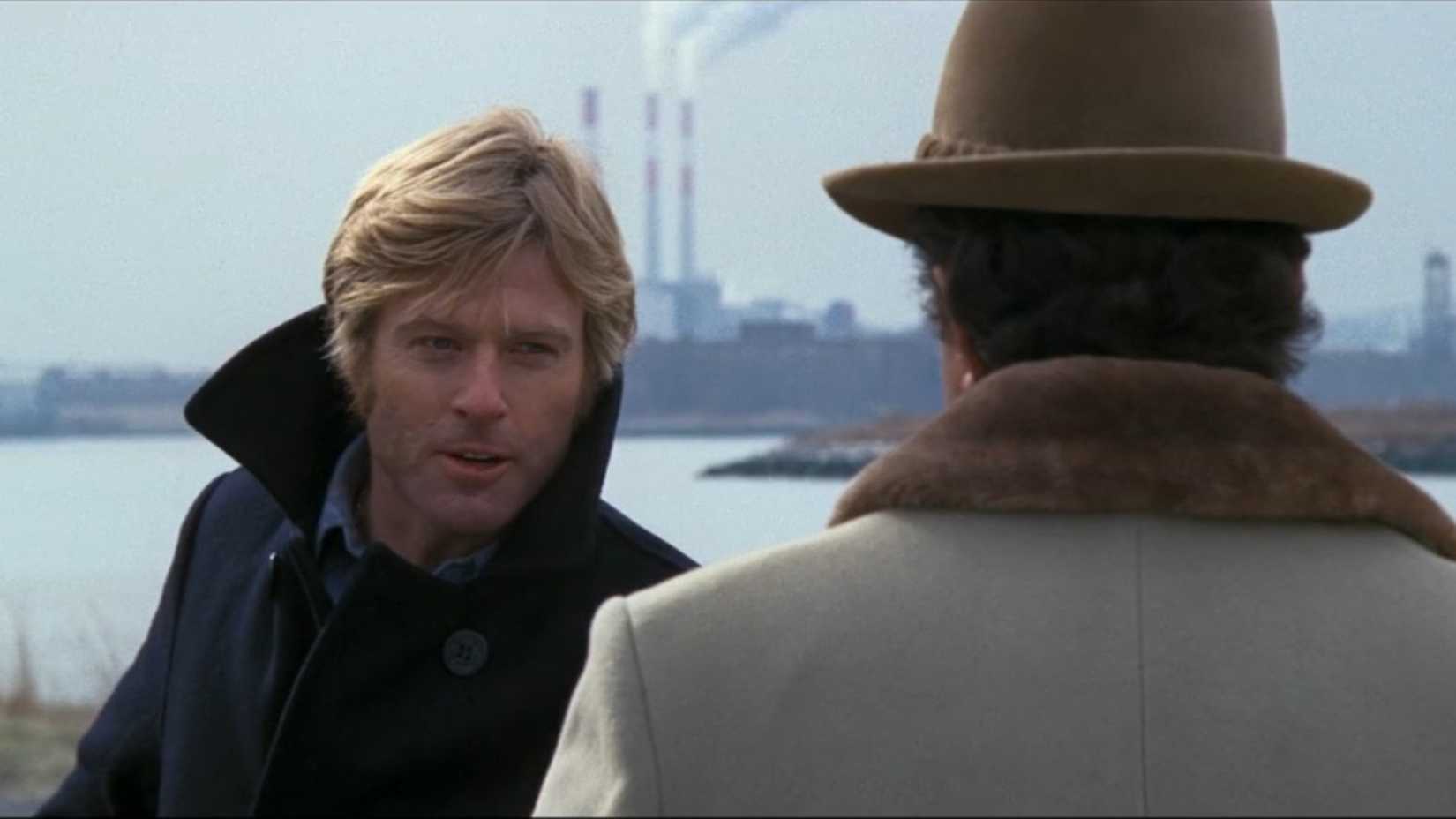 Image: Paramount Pictures
Initially, the film portrays Joe Turner’s (Redford) CIA workspace as a scholarly sanctuary, camouflaged as the American Literary Historical Society. The staff are intellectual types tasked with scanning global media for hidden messages and data leaks. The cozy atmosphere is shattered when a team of hitmen executes nearly everyone in the building. Joe, codenamed Condor, survives only by chance—his habit of using a forbidden back door to grab lunch kept him out of the assassins’ sights.
As Joe navigates the aftermath of the slaughter, his professional training clashes with a growing sense of dread. The agency’s failure to immediately extract him fuels his suspicion: Is he a target of his own government or a pawn in a larger conspiracy? While the plot has been imitated so frequently over the last half-century that some beats may feel familiar, Three Days of the Condor distinguishes itself by focusing on Turner’s internal process. It’s a thriller that values the protagonist’s intellect, emphasizing his need to outthink his pursuers rather than just outrun them.
Redford’s iconic looks often overshadowed his ability to portray deep intelligence, but in Condor, he projects a thoughtful, analytical air. Unlike the raw, visceral energy of contemporaries like Al Pacino, Redford specialized in a measured, even-tempered performance style. He speaks with a deliberate cadence that suggests a mind always two steps ahead. Even when Turner is visibly out of his depth, Redford’s performance maintains a core of competence and reliability.
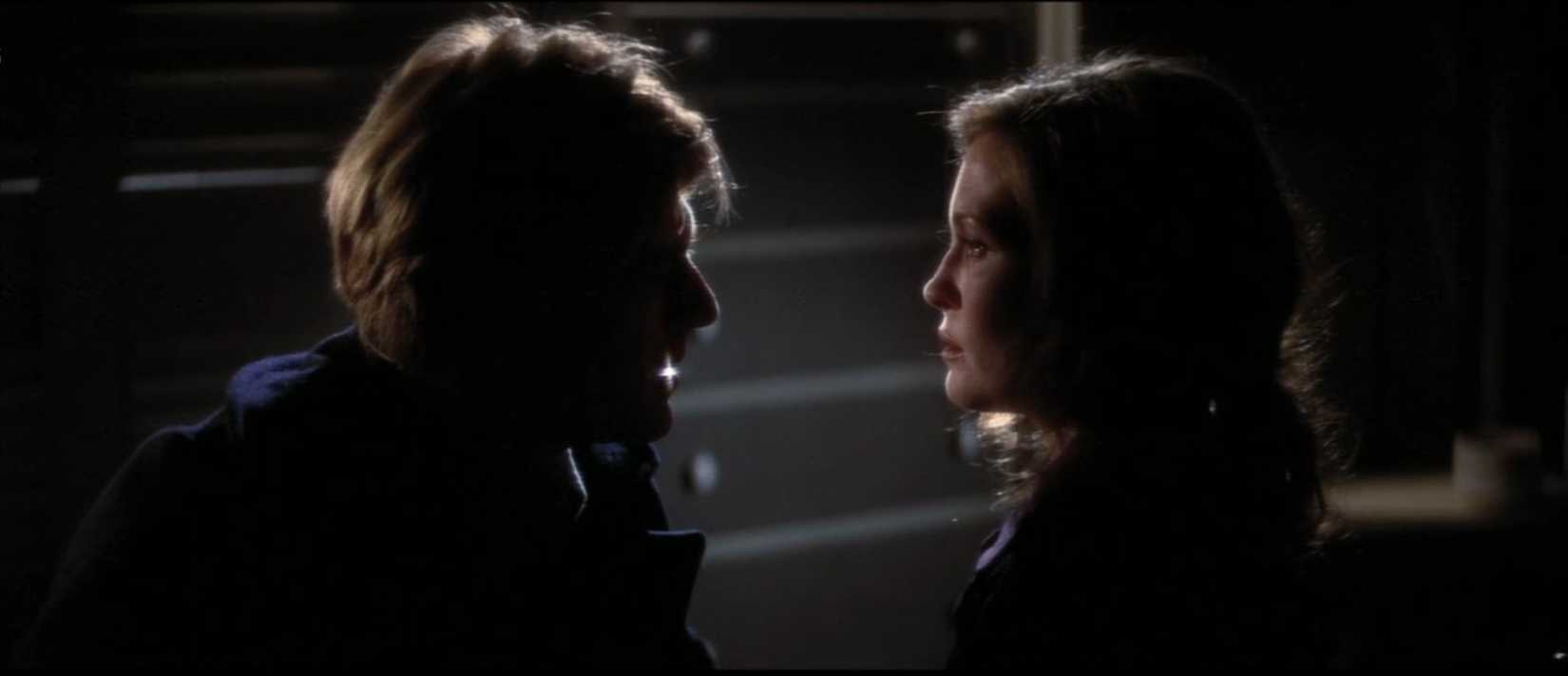 Image: Paramount Pictures
One of the film’s more controversial narrative choices involves Joe’s desperate kidnapping of Kathy Hale (Faye Dunaway). Despite the violent circumstances of their meeting, the story pivots into an unlikely emotional connection. This dynamic—where star power bridges the gap of logic—is famously discussed by characters in Out of Sight. While the modern viewer might find the instant affection between captive and captor hard to swallow, the undeniable chemistry between Redford and Dunaway infuses the film with a surprising, if illogical, tenderness.
Director Sydney Pollack, fresh off his romantic success with Redford in The Way We Were, eschews traditional noir shadows for a more contemporary sense of dread. He finds menace in the mundane, setting the film during a cold, snowless New York City Christmas where threats hide behind festive decorations and postal uniforms. The film is technically superb, boasting Oscar-nominated editing that reflects the efficiency and “precision” of its protagonist’s mind.
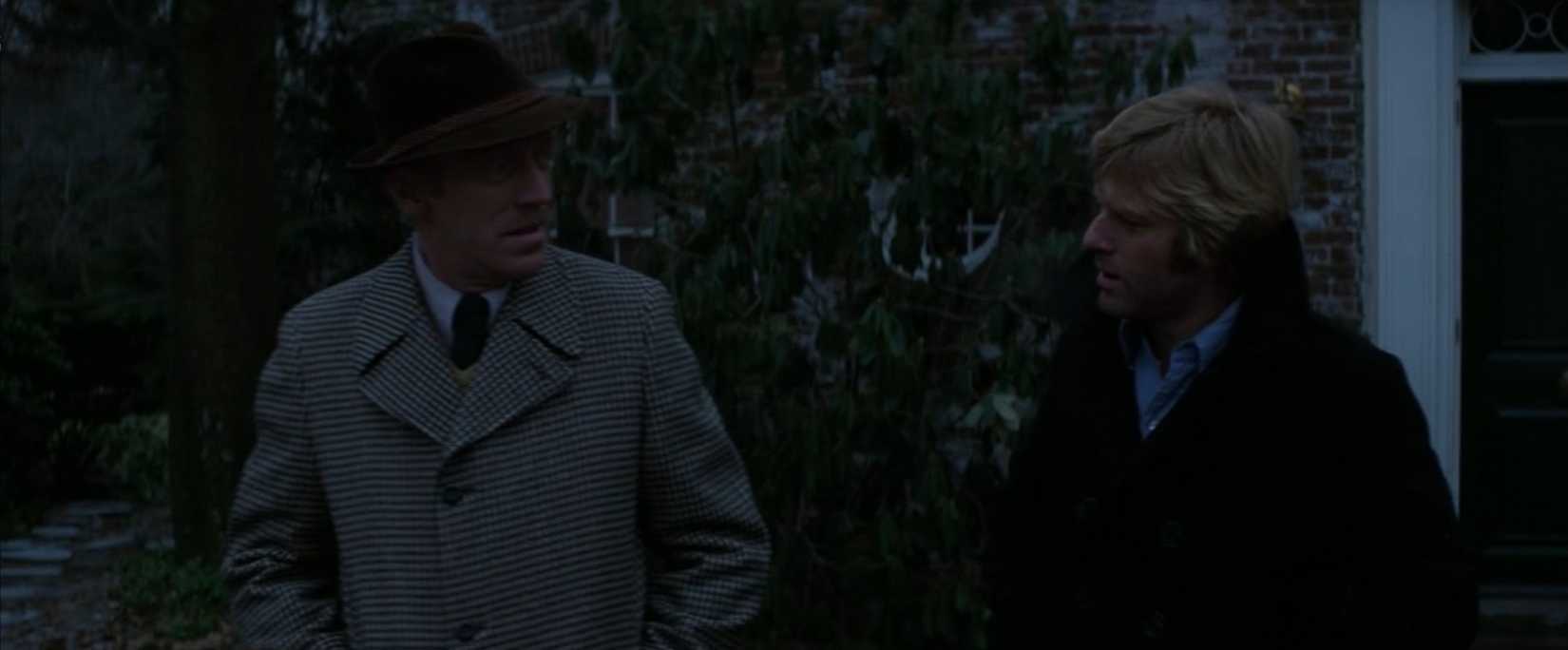 Image: Paramount Pictures
Ultimately, Three Days of the Condor is less an indictment of the CIA than a study in the cold mechanics of conspiracy. The most compelling figure isn’t a bureaucrat, but Max Von Sydow’s Joubert—an assassin who exists beyond ideology. He represents the ultimate fear: a professional who views global conflicts as mere intellectual exercises. His final speech to Joe about the “belief in your own precision” serves as the film’s chilling thesis. It is a movie that may lack the existential weight of The Conversation, but its sharp, calculated execution remains unmatched.
Three Days of the Condor is currently available for streaming on MGM+.
Source: Polygon
Related articles
 CDPR Reveals Number of Developers Working on The Witcher 3 Expansion
 Experts Explain How Ray Tracing Impacts GTA VI Visual Quality
 CD Projekt Red Begins Development on New Game Outside The Witcher and Cyberpunk Franchises
 The Video Games and More You Should Play This Weekend – September 4, 2026
 Dragon’s Dogma 2 Receives Performance Boost From 25 to 60 FPS
 Devil May Cry Creator Reveals His Biggest Fear Beyond the Death of Physical Discs
 Journalists Praise Silent Hill: Townfall Demo
 Developers Say Tomb Raider Catalyst Retains 2013 Trilogy Lara Croft