The One Piece Remake’s Baffling Episode Count Could Undermine Its Success
A series receiving a complete overhaul while its original iteration remains in production is a rare feat, a situation almost exclusive to a juggernaut like One Piece. While there are historical parallels—such as the production of Fullmetal Alchemist: Brotherhood overlapping with its predecessor—The One Piece, the upcoming reimagining of Eiichiro Oda’s magnum opus slated for February 2027, feels like a singular phenomenon.
The original One Piece anime is an undisputed pillar of the medium. With its recent transition to a seasonal release schedule, the series has successfully avoided pacing issues and filler, maintaining the high production standards fans have come to expect. This success begs the question: why is a remake necessary?
The justification seems straightforward: the early episodes, which first aired in 1999, show their age. By modern standards, the animation is inconsistent, the pacing is sluggish, and the reliance on filler—a common necessity for weekly television at the time—is glaring. Unlike contemporaries like Naruto or Bleach, which have concluded, One Piece continues its reign. The One Piece aims to breathe new life into those foundational arcs with contemporary production techniques and a refined artistic vision. However, if that is the goal, the decision to limit the first season to just seven episodes, concluding at the introduction of Sanji, raises some eyebrows.
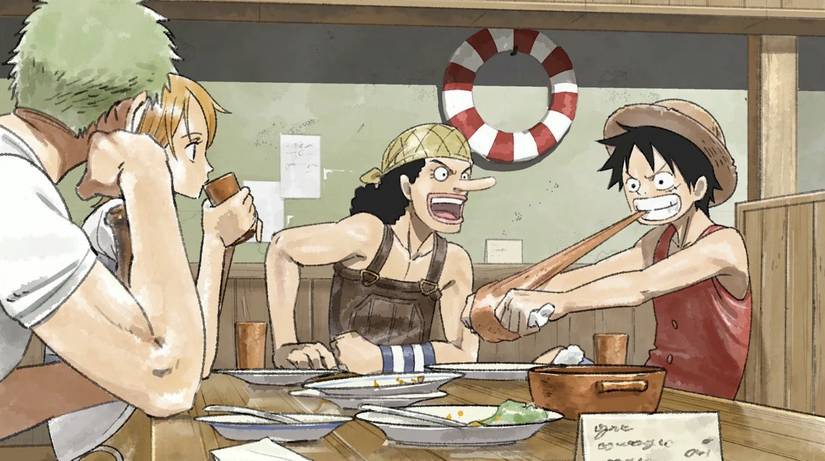 Image: Wit Studio/The One Piece committee
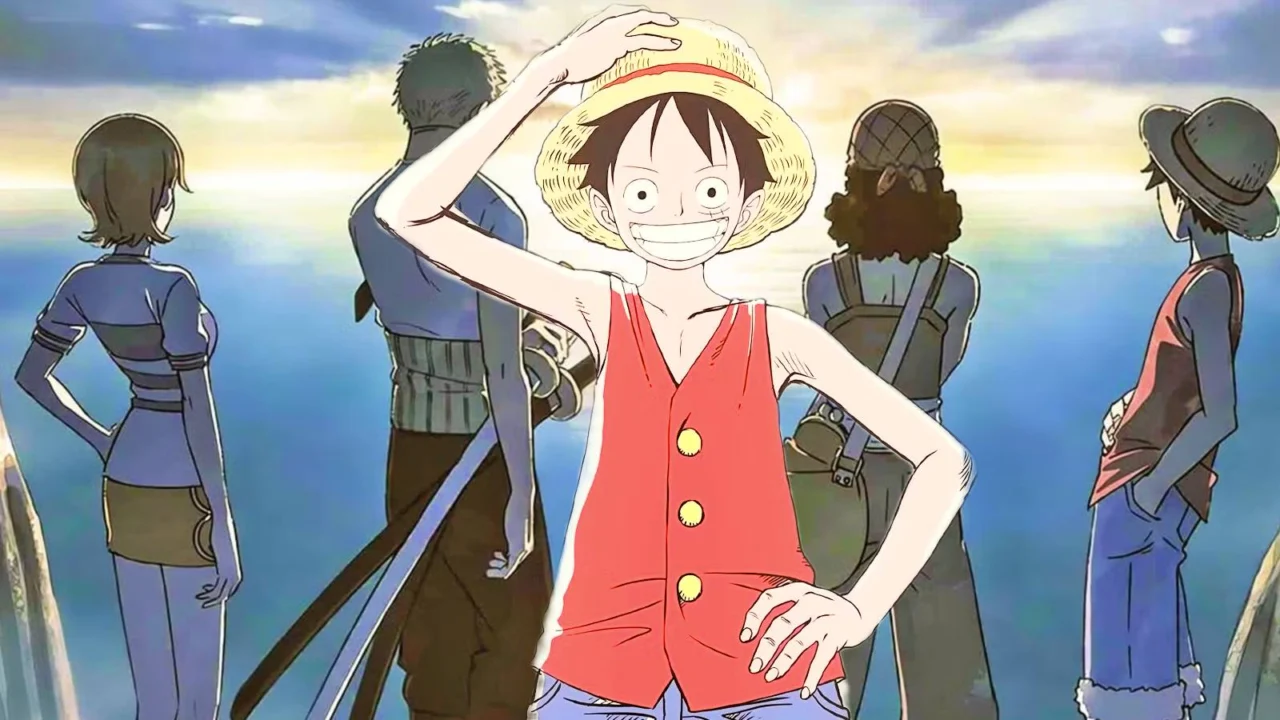
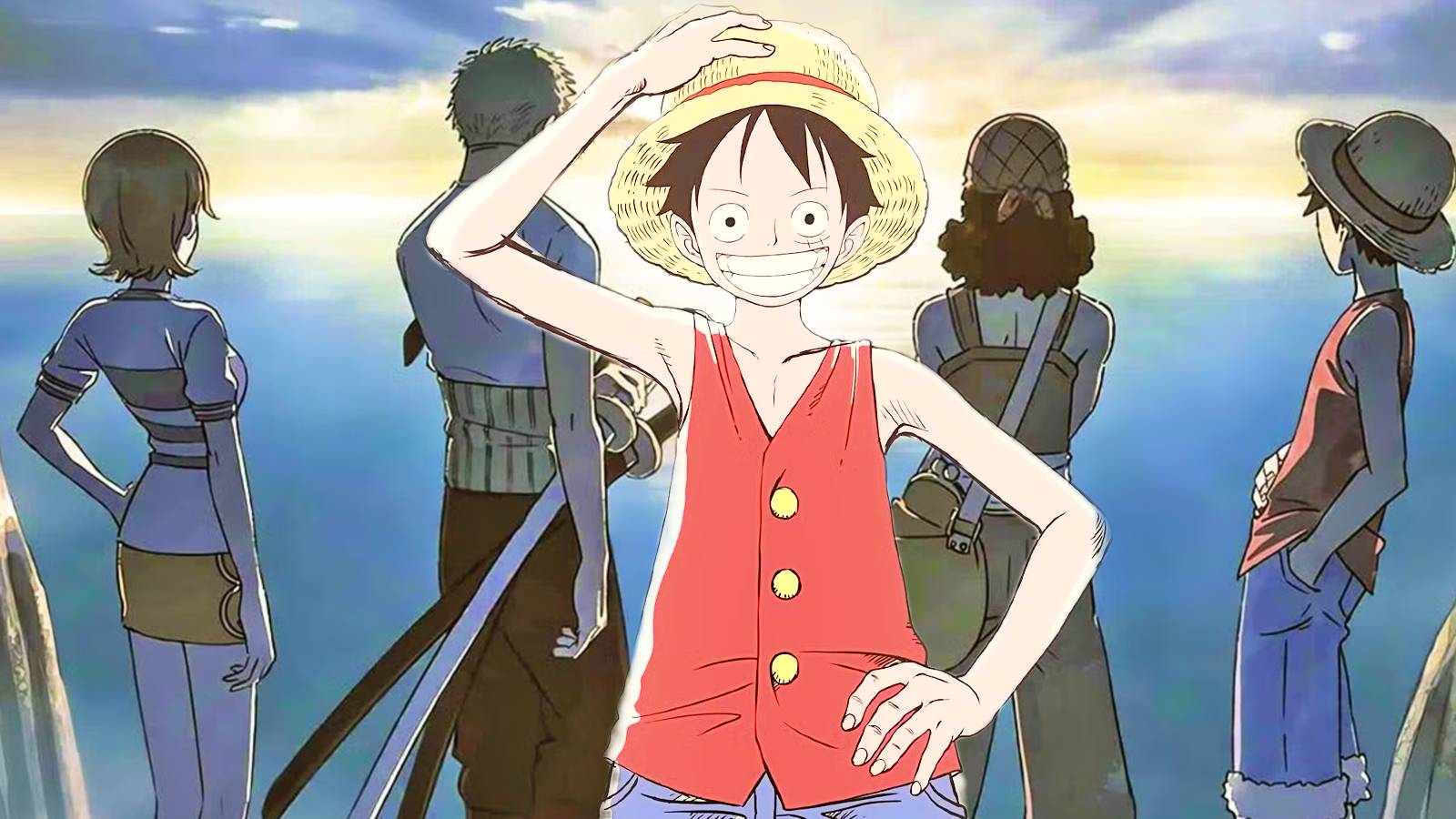
The promotional material for The One Piece is stunning. Should the final product maintain this visual quality, it will represent a massive leap forward from the original’s early years. While it promises a more faithful manga adaptation, visual excellence alone may not be enough to win over a skeptical fanbase.
Seven episodes is an unorthodox length for a season. Most modern anime target 12 or 24 episodes. While The One Piece will feature extended, 40-minute episodes, concluding the season at the encounter with Sanji at the Baratie feels abrupt. More narratively satisfying conclusion points would have been the climax of Arlong Park or the arrival in Logue Town. Effectively, this season only covers the first 50 chapters—just half of the East Blue Saga. This implies a two-season structure for the initial arc, a strategic choice that remains difficult for many long-term fans to fully embrace.
 Image: Wit Studio/The One Piece anime committee
Distributing the series as a Netflix binge-release—a model that has previously drawn criticism with shows like JoJo’s Bizarre Adventure—suggests a specific target audience. It is clearly designed to capture both the dedicated fanbase and new viewers enticed by the live-action adaptation, but who find the original anime’s sheer volume daunting.
While some may ask if this is another example of Netflix missing the mark with anime, The One Piece is a collaborative effort involving Wit Studio, Shueisha, Toei, and Fuji TV, making it difficult to point fingers at any single entity. Nevertheless, there is palpable hesitation among longtime supporters regarding the extended wait times for such brief seasons. If this cadence continues, a second season might not arrive until 2030—by which point the manga and the original anime will likely be approaching their finales.
It is vital to recognize that this is an entirely new production framework. The original, decades-long run was built on a weekly, continuous model. The One Piece is being crafted as a seasonal, modern project. Judging it by the standards of the weekly show is arguably a mismatch; it is a different product designed for a different era.
Despite this, the seven-episode count remains a curious choice. A 15-episode season covering the full East Blue Saga would have mirrored the pacing of the live-action series more effectively. Perhaps this initial release is simply the first “cour” of a larger rollout, or maybe production constraints required this limited scope. Regardless, we await the debut, hoping these seven episodes possess the same heart and impact as the original run.
Source: Polygon
Related articles
 Valve Announces Dates for Upcoming Steam Sales and Festivals
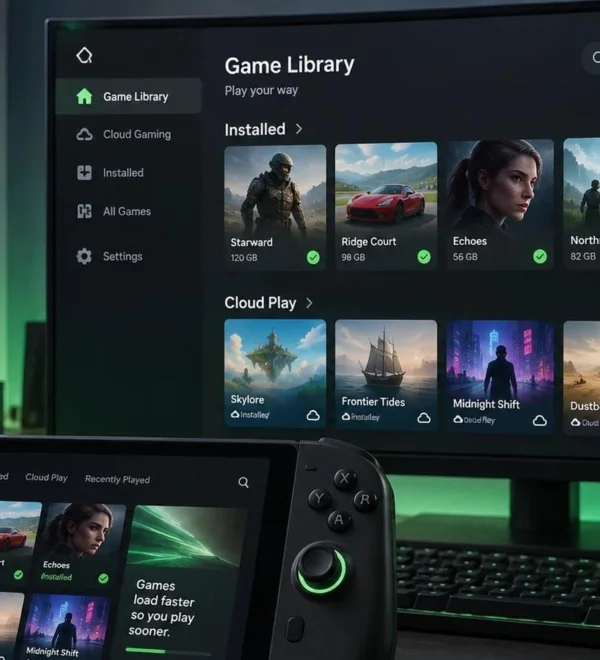 Microsoft Redesigning Xbox App for Windows 11 with Major Update
 It Takes Two Headed to Nintendo Switch 2 with Free Update Within Days
 JND Studios Teases Hyper-Realistic Rubeus Hagrid Statue
 007 First Light Gets Performance Mode on Xbox Series S
 Remedy Begins Full Production on Max Payne Remakes
 New Crazy Taxi: World Tour Trailer Showcases Brazil
 Ubisoft Promotes Diversity, Equity, and Inclusion Director to Head of AI Implementation