
The Forgotten X-Files Episode That Changed the Series Forever 30 Years Ago

When Assistant Director Walter Skinner, portrayed with rigid intensity by Mitch Pileggi, first appeared at the close of The X-Files season 1, he was hardly a fan favorite. While Mulder had successfully brought Scully into his orbit, the wider FBI viewed the X-Files division as a professional graveyard, and Mulder himself as a malcontent. Skinner arrived as a cold, bureaucratic hurdle, his presence further chilled by the looming shadow of the Cigarette Smoking Man.
Yet, the narrative arc of Assistant Director Skinner proved far more profound. Over time, he moved past viewing the X-Files as mere eccentricities, recognizing them instead as vital investigations exposing a deeper rot within the American government. A man of unshakable principle, Skinner evolved into the duo’s most steadfast ally, acting as a bulwark against corrupt superiors and occasionally proving he wasn’t afraid to get his hands dirty. One season 3 episode, in particular, served as a crucial turning point for his character development, even if the episode itself was only a moderate entry in the series canon.
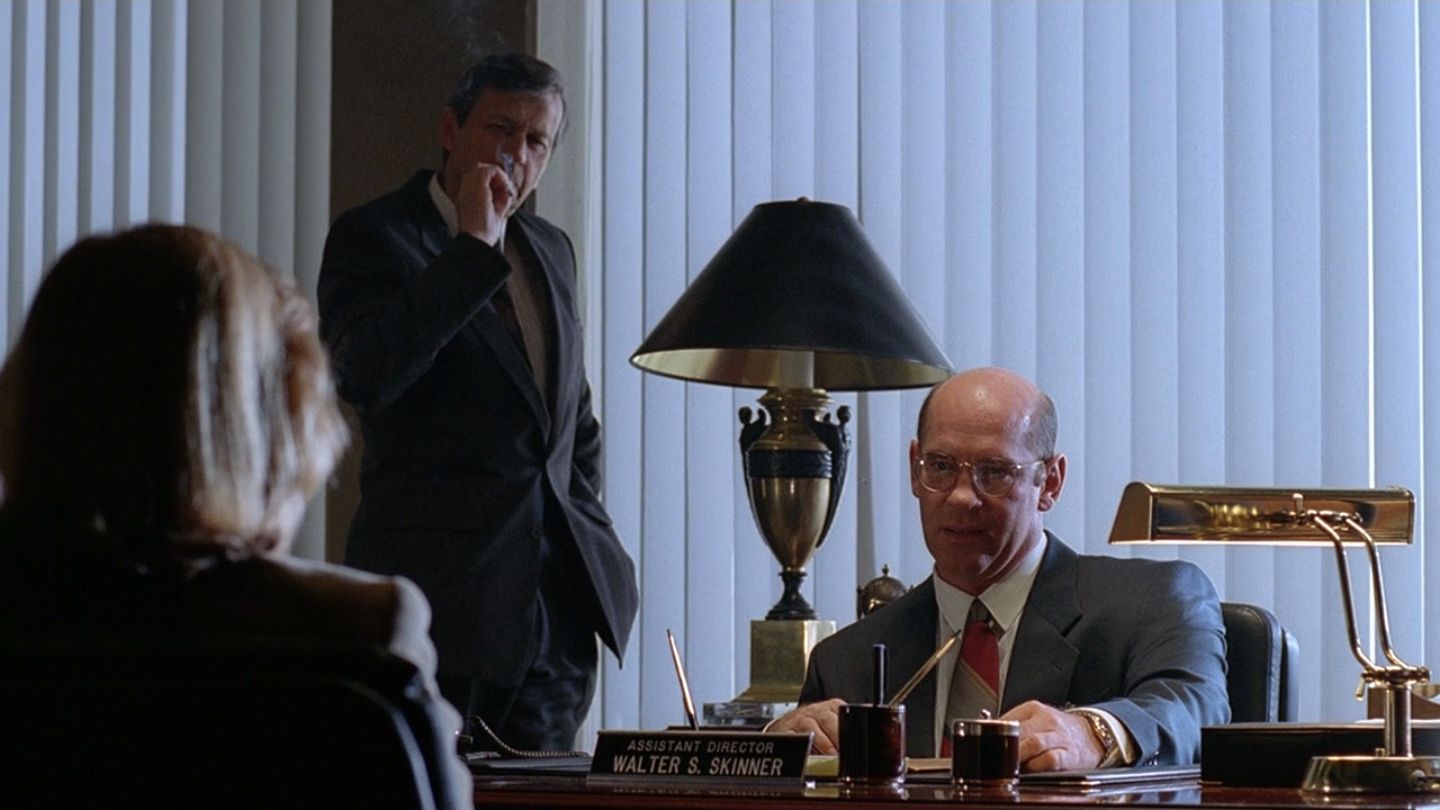
The episode, titled “Avatar,” first aired on April 26, 1996, and saw Skinner navigating a personal nightmare. After an encounter at a bar, he awakens to discover the woman he spent the night with has been murdered. As the mystery deepens, he is haunted by a vision of an elderly woman—a specter he first encountered during his service in Vietnam. Though he initially attempts to compartmentalize the ordeal, his eventual confession to Mulder and Scully forces them into a tense investigation involving a suspected succubus, ultimately leaving the supernatural elements of the case disturbingly unresolved.
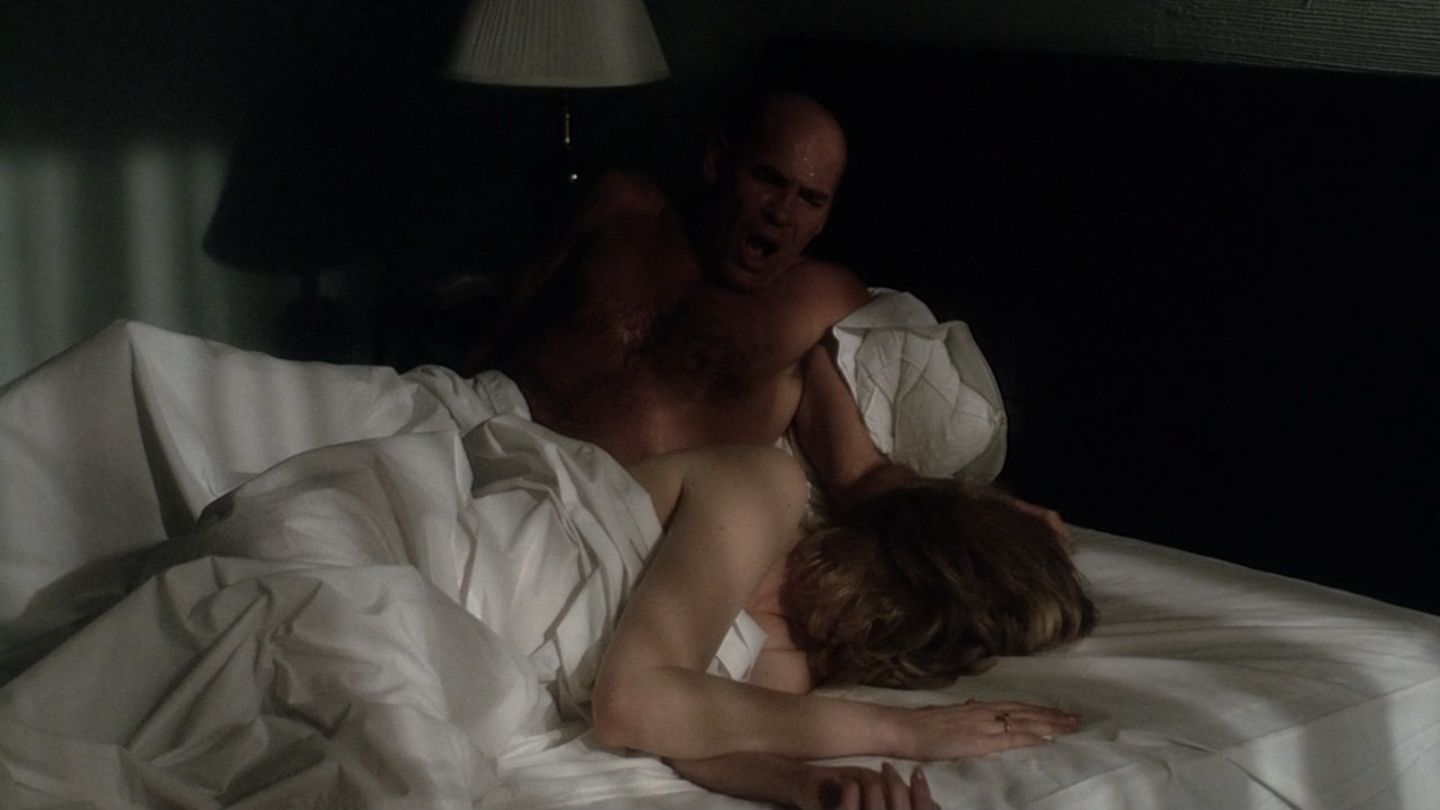
In the grand tapestry of The X-Files, “Avatar” remains middle-of-the-road. While Pileggi commands the screen with newfound depth, the plot feels somewhat inconsequential compared to the show’s legendary monsters like the Flukeman or Eugene Tooms. Nevertheless, it functioned as a vital proof of concept, demonstrating that the audience was ready to explore the man behind the badge.
By the time “Avatar” arrived, the groundwork for Skinner’s transformation had already been laid. His uncharacteristic vulnerability during season 2—where he shared a harrowing personal experience from his time in Vietnam to prevent Mulder from resigning—marked the first crack in his stone-faced exterior. It solidified his role as the Commissioner Gordon to Mulder and Scully’s Batman: a pragmatic, weary official who believed in the mission, even when he couldn’t publicly admit it.
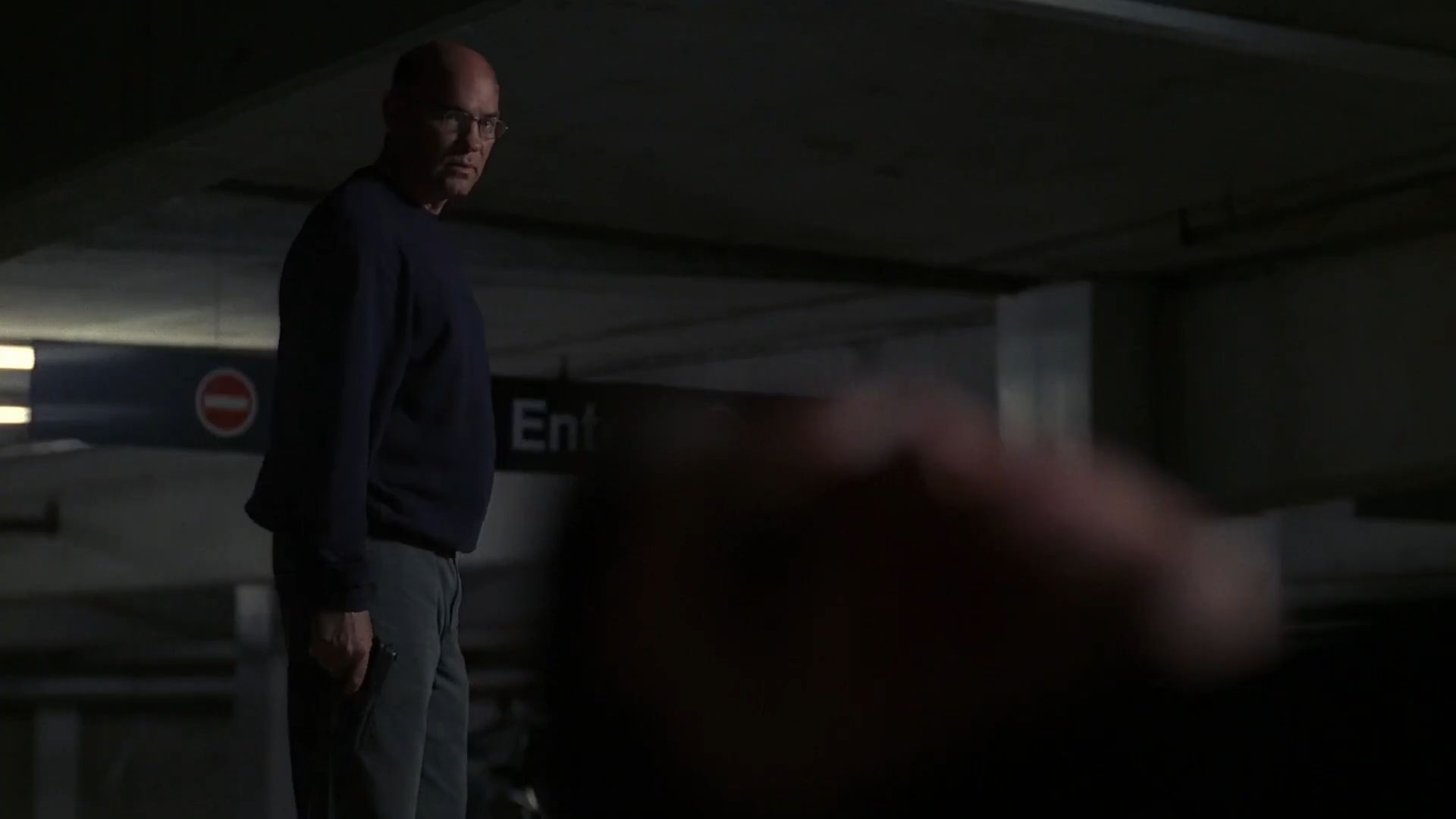
As the series progressed, Skinner became the duo’s only true constant. Even during the show’s later, more uneven seasons, Skinner remained a pillar of strength, culminating in his iconic confrontation with Alex Krycek. This consistency is a testament to Pileggi’s craft; he evolved from a generic antagonist into an indispensable moral compass. His ability to anchor the show even during its narrative lulls turned Skinner into one of the most compelling characters in sci-fi history.
Ultimately, it was Pileggi’s portrayal that breathed life into the character. Whether he was enduring a ridiculous bubble-bath call in “Hollywood A.D.” or displaying his comedic range in the spinoff The Lone Gunmen, Pileggi always delivered. He ensured that when the show faltered, Skinner never did—making “Avatar” a fitting microcosm for his tenure: an uneven episode elevated by an actor who was always firing on all cylinders.
Source: Polygon
Related articles
 Masashi Kishimoto Announces New Naruto Manga Continuation with Teaser
 Amazon Releases First Trailer for Blade Runner 2099 Series
 New Naruto Anime Does Not Meet Fan Expectations
 One-Punch Man Season 3 Trailer Criticized by Fans Over Animation Quality Ahead of 2027 Release
 Amazon Developing New Stargate Series with WandaVision Creator
 New Trailer Released for The Apothecary Diaries Anime Film
 Dr. Stone Creators Announce Continuation After Final Season
 Charlie Cox Mocked Mike Colter Over The Defenders Leak