The Boys’ Final Season: Louder, Larger, and Uncomfortably Real

Paramilitary squads are dragging dissidents off to internment camps for “thought crimes,” while the constitutional wall between church and state is being systematically dismantled. In a desperate crusade against “wokeness,” government agencies are cannibalizing themselves. If this sounds like a chaotic fever dream of modern headlines, you’re right: The Boys has returned for its final act.
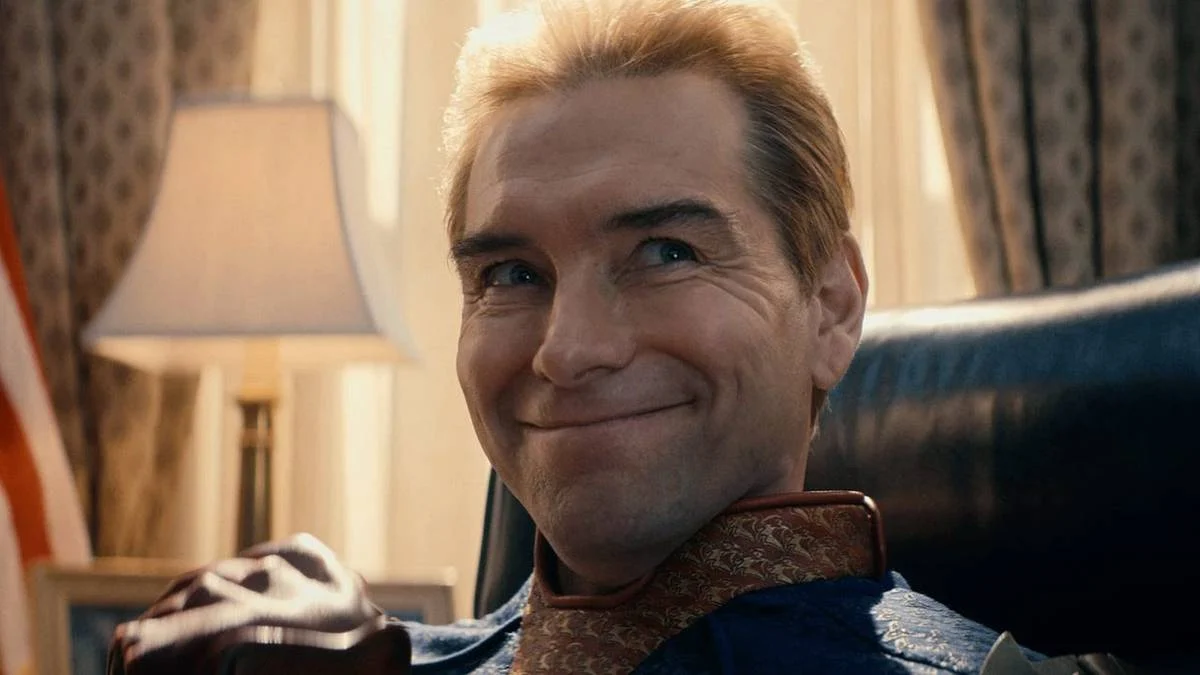
While the series has always weaponized superhero tropes to satirize the political landscape, this fifth and final season feels hauntingly synchronized with the current political climate. Much of this weight rests on the shoulders of the show’s primary antagonist, Homelander—an ego-driven, sociopathic mirror of Superman portrayed with terrifying nuance by Antony Starr. What began in 2006 as a cynical, ultra-violent comic book deconstruction has transformed into one of television’s most incisive examinations of creeping authoritarianism. Showrunner Eric Kripke navigates this concluding chapter by amplifying the series’ trademark depravity and spectacle while attempting to anchor a sprawling narrative. Through the first seven episodes, Kripke largely succeeds, despite leaning on a few familiar genre crutches.
 Credit: Amazon MGM Studios
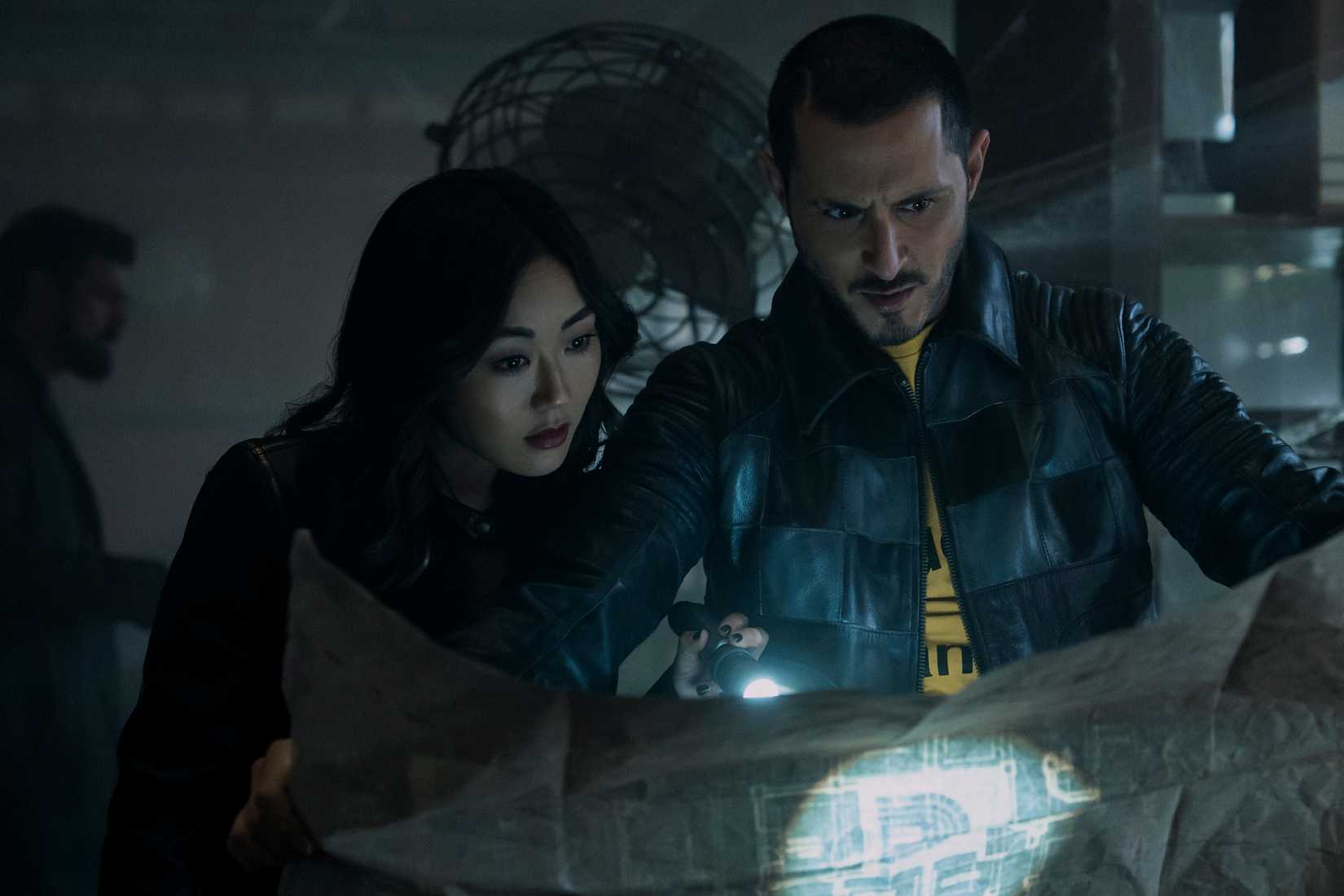
Picking up after the seismic shift of season 4, Homelander now sits at the apex of American power, operating through a puppet administration. His opposition is incarcerated, and the nation is policed by “supes” who swear fealty only to him. The sole flickering light of resistance is Starlight (Erin Moriarty), whose grassroots “Starlighter” movement is branded as a terrorist insurgency—a pointed allegory for the demonization of anti-fascist activists. When a trap intended for Starlight goes awry, our ragtag band of supe-hunters finds a narrow window to strike back. As the stakes escalate, The Boys formulate a scorched-earth strategy to eliminate Compound V from the world entirely, even as Homelander attempts to reshape the American identity—and Christianity itself—into his own image.
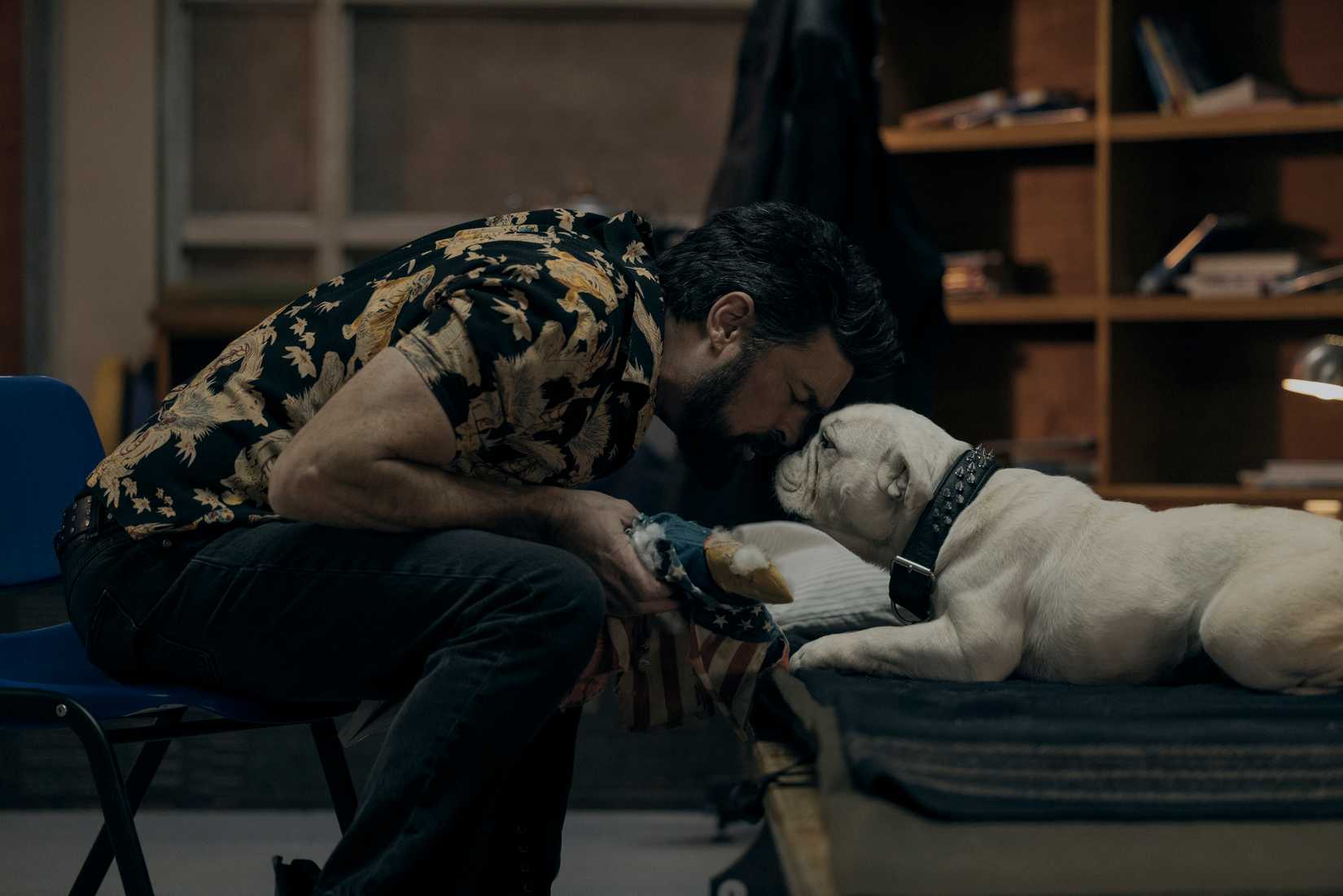
Kripke manages this denseness with a familiar, brisk energy. The violence is visceral and grotesque, especially as more members of The Boys acquire their own tactical abilities. The writing remains razor-sharp; the dialogue between Karl Urban and Jensen Ackles continues to find new depths of vulgarity and wit, while the show’s satirical targets remain as broad as ever, taking aim at everything from Taylor Sheridan to high-profile celebrity culture. Even with global annihilation on the table, the show never loses its pitch-black sense of humor.
 Credit: Amazon MGM Studios
The narrative efficiency is bolstered by the show’s reliance on real-world parallels as storytelling shortcuts. There is no need for lengthy exposition regarding Homelander’s gutting of diversity initiatives; the audience already understands the shorthand. However, the season does hit a minor snag with the introduction of a classic MacGuffin—a “pure” strain of the V serum. This creates a mid-season lull as both factions race to secure it, though the eventual payoff provides a necessary jolt to the final act. Additionally, the integration of characters from the spinoff Gen V feels somewhat forced, contradicting previous assurances that the shows would remain independent. While not alienating, it creates moments where casual viewers might feel they’ve missed a prerequisite chapter.
 Credit: Amazon MGM Studios
Despite the ensemble’s growth, Homelander remains the series’ gravity. He has become the ultimate symbol of American individualism curdled into toxic exceptionalism. Having previously aligned himself with literal Nazis and orchestrated a coup, season 5 explores the terrifying reality of his unchecked ego. He demands absolute subservience, discarding allies the moment they show a glimmer of independent thought. Interestingly, the character’s volatile narcissism is occasionally outpaced by real-world political theatrics, making the show’s heightened reality feel surprisingly grounded.
 Credit: Amazon MGM Studios
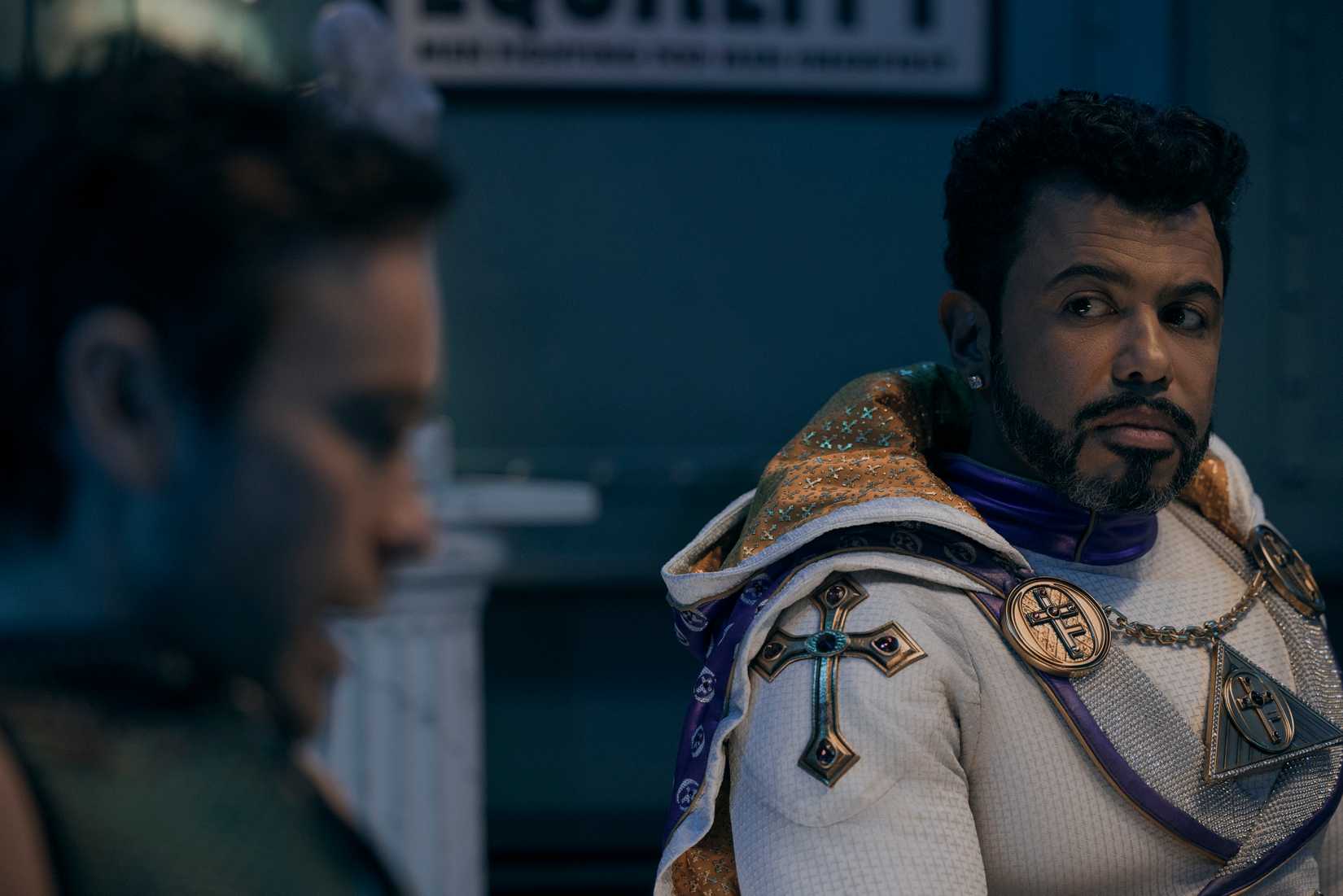
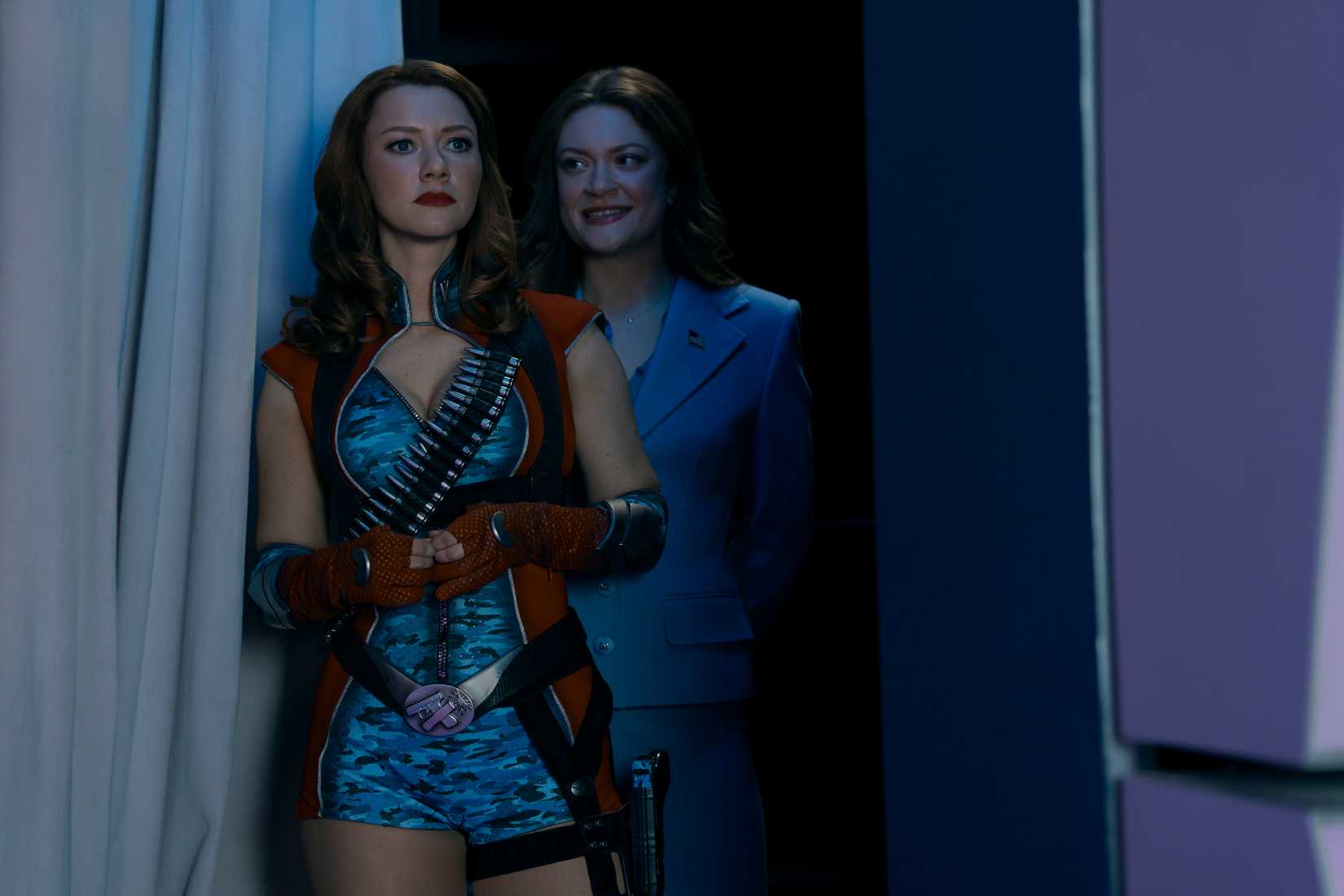
Beyond the primary conflict, the season shines in its character work. Daveed Diggs is an exceptional addition as a charismatic mega-church pastor with sonic abilities, perfectly capturing the intersection of spiritual manipulation and political power. Meanwhile, the core group—Hughie (Jack Quaid), Butcher (Karl Urban), and company—are fractured by a plan that requires immense personal sacrifice, leading to some of the series’ most emotionally resonant friction. Kimiko (Karen Fukuhara) also receives a long-overdue narrative arc, while Colby Minifie’s Ashley Barrett completes a fascinating transformation from corporate pawn to an unpredictable power player.
 Credit: Amazon MGM Studios
Ultimately, The Boys will be defined by the legacy of Homelander. He has evolved from a comic book riff into a cultural totem for a turbulent era. Decades from now, assuming satire remains a protected form of expression, Homelander will likely be viewed as one of the most effective, if unlikely, portraits of modern populist movements. While the final resolution remains unseen by critics, the hope is that this dark journey ends with a semblance of justice—both for the characters and the world they inhabit.
The Boys season 5 debuts April 8 on Prime Video.
Source: Polygon
Related articles
 Battlefield 6 Accused of Using AI for Battle Pass Cosmetics
 Analysts Estimate Marvel’s Wolverine Revenue at Nearly $193 Million
 Xbox is paying players to launch Gears of War: E-Day
 Modern Warfare 4 Will Reportedly Not Include a Platinum Trophy on PlayStation
 Sony Pulls Its Own Games From PS Store in Select Regions
 Marvel Series VisionQuest Resolves Major MCU Canon Issues
 How to Fish Reaches 10 Million Players as Developers Prepare Major Update and Console Ports
 Roguelike Strategy Game Crown Must Hold Announced