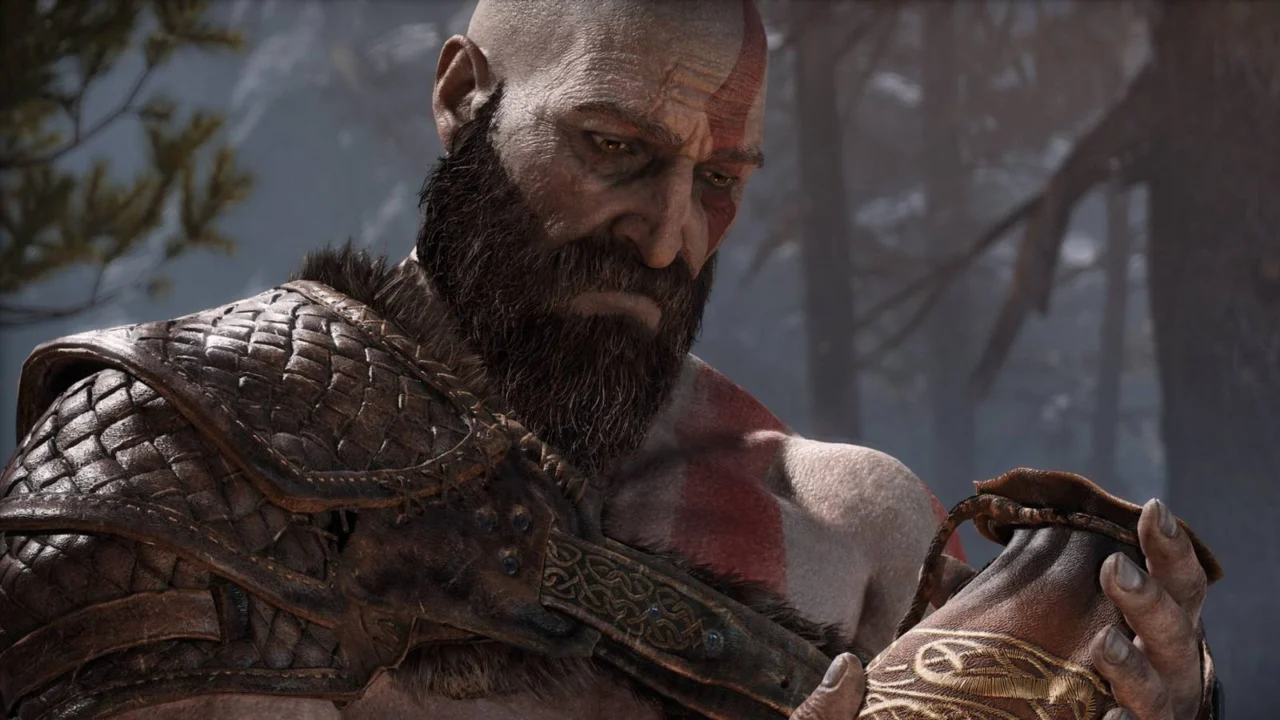
Sony Halts PC Releases Following Poor Sales of PS5 Ports
A significant strategic pivot is underway at Sony as the company reportedly begins scaling back its efforts to bring flagship, single-player PlayStation exclusives to the PC. According to a detailed report from Bloomberg, the tech giant is reversing its previous expansionist approach. Planned Windows versions for upcoming titles like Ghost of Yōtei and Saros, alongside several other unannounced internal projects, have allegedly been canceled in favor of maintaining console ecosystem dominance.
While Sony’s live-service ventures—such as Bungie’s upcoming Marathon—will likely remain multiplatform to capitalize on the massive success seen with Helldivers 2, the narrative-driven action-adventures that define the PlayStation brand are returning to their roots as hardware-locked exclusives. This shift marks a definitive end to the brief era where PC players could expect ported versions of Sony’s “prestige” catalog.
The report aligns with months of speculation from industry insiders. Bloomberg’s Jason Schreier previously hinted on the Triple Click podcast that Sony’s PC experiment was nearing its conclusion, specifically identifying the highly anticipated Marvel’s Wolverine as a title that may never see a release outside the PlayStation 5.
This sentiment has been echoed across the industry. Digital Foundry’s John Linneman recently shared his own suspicions, suggesting that Sony’s focus has refocused entirely on its native hardware. Similarly, Windows Central’s Jez Corden and prominent leaker Nate the Hate have both indicated that the internal decision to retreat from the PC market was solidified as early as last year.

Sony’s retreat is particularly striking given the current industry climate, where major players like Microsoft have embraced a platform-agnostic future. By pulling back from Steam, Sony is effectively swimming against a global tide of multiplatform accessibility. The question remains: what prompted this sudden isolationism?
Bloomberg suggests a combination of factors, ranging from underwhelming sales performance on PC to concerns over brand dilution. There is also a strategic fear regarding future competition; with rumors suggesting the next Xbox may be built on an architecture fully compatible with Windows PC games, Sony may be wary of inadvertently providing high-quality content for a rival’s ecosystem.
Financial data paints a clear picture of diminishing returns. An analysis by Alinea Analytics notes that while Sony has grossed roughly $1.5 billion from Steam, the lion’s share of that revenue comes from Helldivers 2. Sales for core sequels like God of War Ragnarök, Horizon Forbidden West, and Marvel’s Spider-Man 2 have failed to match the heights of their predecessors on PC, suggesting that the initial novelty of PlayStation games on Windows has worn off.
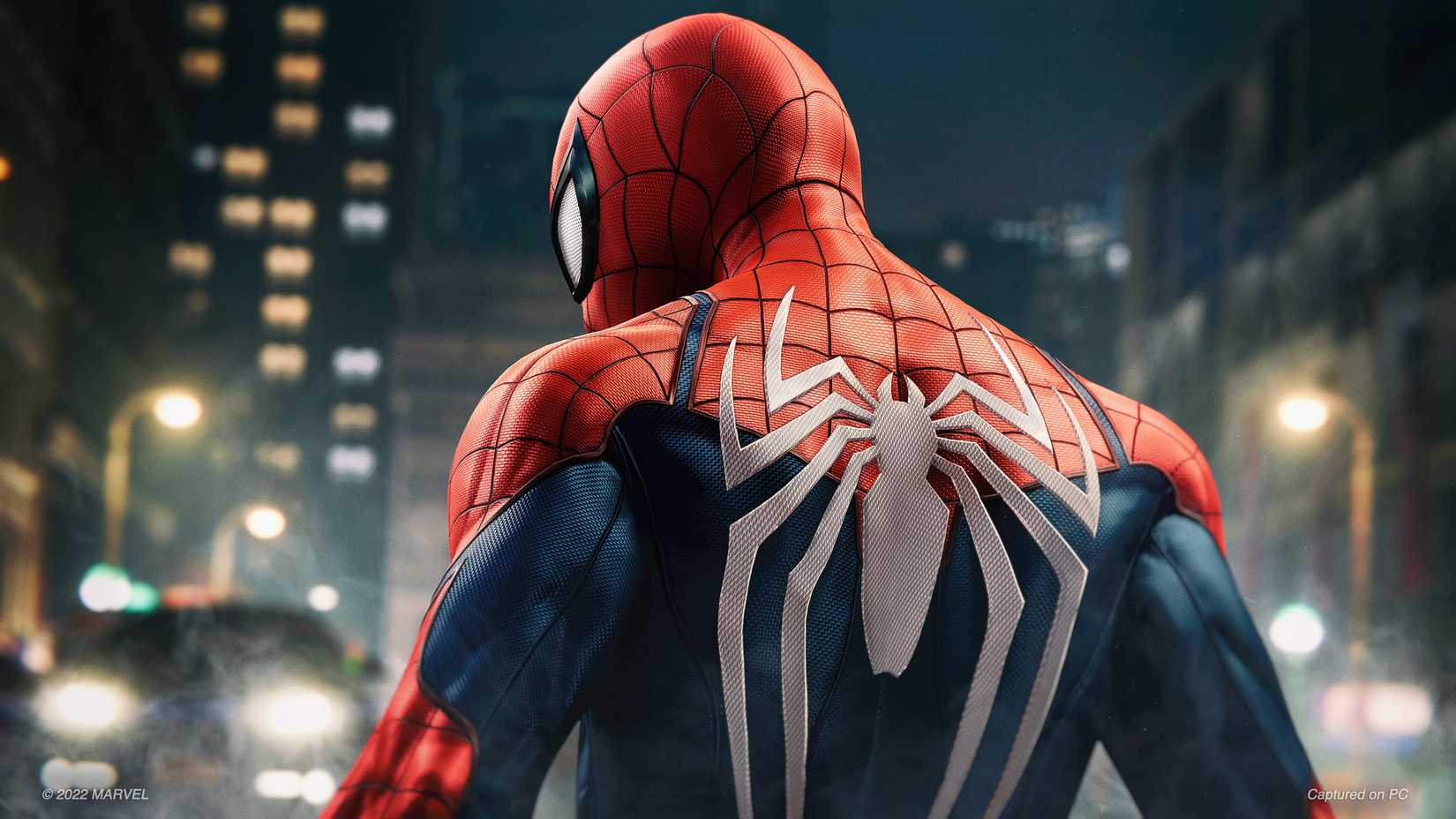
Engagement metrics on Steam further highlight this trend. Spider-Man 2 saw a peak player count of just over 28,000—a sharp decline from the original game’s peak of 66,436. Similarly, God of War Ragnarök struggled to reach even half the concurrent player count of its 2018 predecessor.
When compared to third-party blockbusters, these figures appear even more modest. For example, Resident Evil Requiem recently surged to over 344,000 concurrent players. The disparity suggests that Sony’s strategy of delaying PC ports by a year or more effectively kills the marketing momentum. By the time these games arrive on Windows, the hardcore audience has often already experienced them on a PlayStation console.

One notable outlier is Stellar Blade. The Shift Up-developed title reached a peak of 192,078 Steam players, a feat that stands in stark contrast to Sony’s first-party sequels. This anomaly suggests that the PC audience may be looking for experiences that differ from the standard “Sony house style” of cinematic action-adventure.
While Sony could theoretically solve its sales issues by adopting Microsoft’s “day-and-date” release model, leadership has remained steadfast in their refusal to do so. Protecting the prestige and value of their hardware remains the priority. If delayed ports are no longer serving as an effective “on-ramp” for the console, the logical step for Sony is to shut the door and reclaim the exclusivity that made the brand a titan in the first place.
Update (March 4): This story has been updated following new reports regarding Sony’s revised distribution strategy for PC titles.
Source: Polygon
Related articles
 Crimson Desert: Charting the Unknown DLC Features Overview
 Modder Is Building Bully “Remake” in Unreal Engine 5 With NPCs Given Conscious AI and Speech
 GTA VI-Style Game in Development on Roblox, Players Surprised by Gameplay Footage
 Esports Player Faces Possible Prison Term Over Income From Counter-Strike 2 Virtual Item Sales After Tax Authority Questions
 Steam Next Fest Draws Player Complaints Over Number of AI-Generated Games in Demos
 Here’s a Recap of the October 2026 ID@Xbox Showcase
 Daft Punk Reportedly Turned Down GTA VI Involvement Despite Supposedly Unlimited Budget
 Cosplayers Recreate Elden Ring’s Miquella and Malenia in Matching Gold and Rot Looks