Say Goodbye to the Most Underrated Thriller of the Last Decade Leaving Netflix

The Addams Family has seen countless iterations throughout the decades. The clan first emerged in 1938 via Charles Addams’ acerbic one-panel New Yorker cartoons. This led to the iconic 1964–1966 television series, followed by their first animated foray in 1973. The 1990s sparked a massive resurgence, delivering two beloved feature films, another animated series, a direct-to-video feature, and the largely forgotten sitcom, The New Addams Family. After that series concluded in 1999, the franchise seemed to suffer from over-saturation, leading to a long hiatus from major Hollywood productions.
Two decades later, in 2019, the family returned in the animated feature The Addams Family, followed by its 2021 sequel, The Addams Family 2. While these entries may not rank as the definitive versions of the franchise, they boast notable strengths, including a striking aesthetic, impeccable casting for Gomez Addams, and a core understanding of the characters that the widely celebrated Wednesday series often lacks. These elements make them worthy of a revisit before they leave Netflix on May 19.
Helmed by directors Conrad Vernon and Greg Tiernan, the animated films center on the Addams’ struggle to maintain their macabre lifestyle amidst the encroachment of suburban normalcy. In the first film, they are labeled as outsiders after a housing development springs up near their isolated, dilapidated asylum home. The sequel shifts the tone to a road-trip adventure, emphasizing the clash between their unsettling habits and the unsuspecting public.
Although financially successful, these films faced critical pushback, primarily due to concerns that their signature dark humor felt diluted for younger audiences. While they lacked the subversive, biting edge found in Addams Family Values—such as the infamous scene where Wednesday and Pugsley plot their baby brother’s demise—they still offered moments of genuine charm, like Uncle Fester’s bat-filled trench coat or the family’s excursion to the beach. They may lack the razor-sharp wit of earlier adaptations, but they excel in other, often overlooked areas.
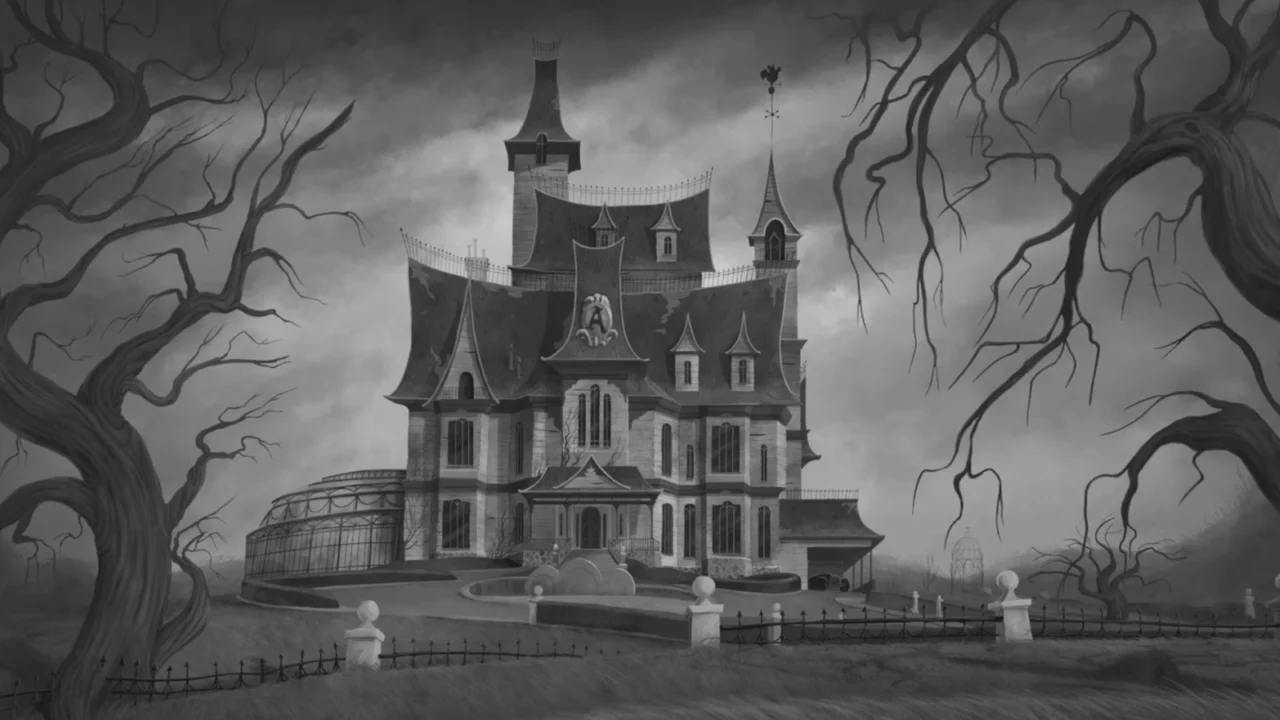
Perhaps most importantly, these two films provide the most visually faithful adaptations of Charles Addams’ original source material. The character designs embrace the original comic’s quirks: a stout, less-than-handsome Gomez, a ghost-like, minimalist Wednesday, and a Morticia who is hauntingly gaunt rather than glamorized. Instead of filtering these designs through a conventional Hollywood lens, the production team brought Addams’ original sketches to life.
This commitment to the source material is a refreshing change. The 1973 animated series attempted a similar approach but was hampered by low-budget animation and jarringly bright color palettes. Conversely, the 1990s cartoon, while superior in quality, largely disregarded the original aesthetic in favor of its own distinct style. The 2019 films, however, lean into a moody, near-monochromatic palette that honors the spirit of the original print cartoons.
Image: Charles Addams/The New YorkerThe animated films also benefit from a standout performance by Oscar Isaac as Gomez Addams. Isaac masterfully bridges the gap between Raul Julia’s debonair, romantic take and the manic, whimsical energy of John Astin’s portrayal. By successfully marrying these two interpretations, Isaac cements his version of the patriarch as a top-tier iteration, proving he would be an excellent choice for a future live-action role.
Ultimately, my critique of Wednesday is fundamentally tied to my appreciation for these animated films.
Polygon
Related articles
 Two Warhammer 40,000 Books Announced: Crucible of Fire and Raptors: War and Shadow
 Sony Faces Fan Backlash Following Cancellation of PHYSINT
 NVIDIA Confirms DLSS 4.5 Support for The Witcher 3
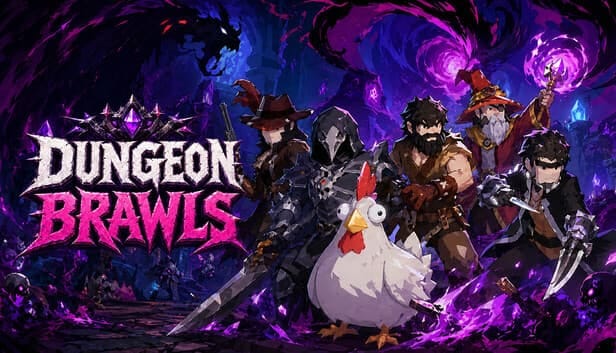 Dungeon Brawls Launches on Steam with Four-Player Co-op
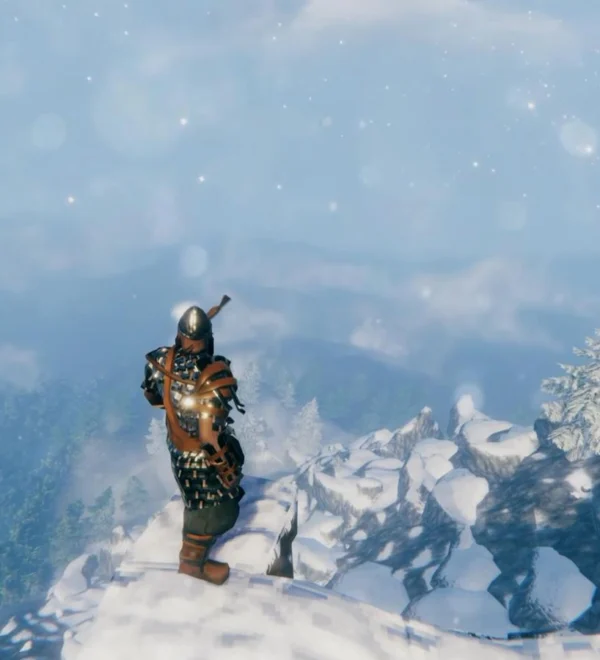 Valheim Receives Positive Reviews After Five Years in Early Access
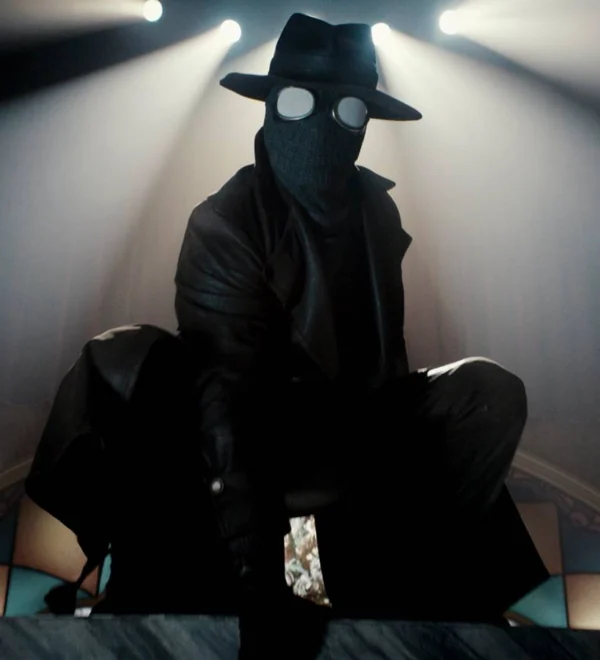 Spider-Noir Creator Reveals Season 2 Plans After Prime Video Cancellation
 Bethesda Veteran Explains Why Studio Should Not Have Developed Starfield
 Friday the 13th Prequel Series Crystal Lake Will Feature Expanded Jason Lore