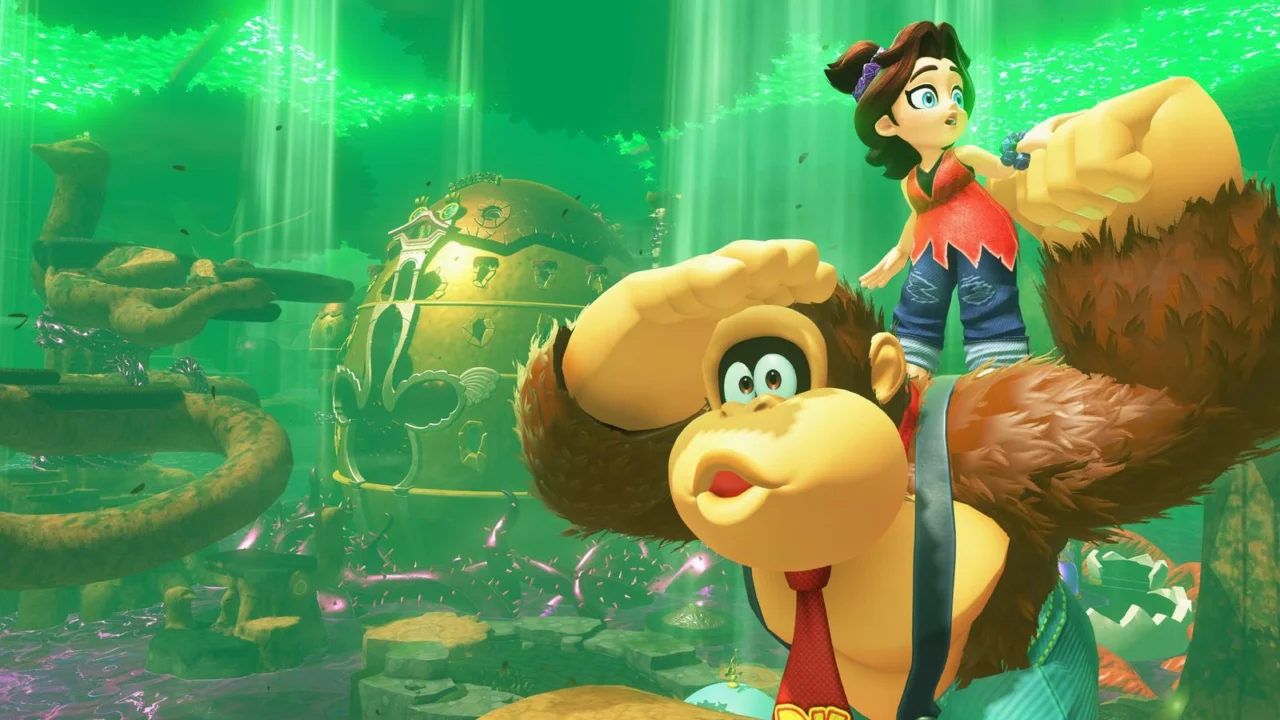
Rising Storage Prices Lower Interest in Switch 2 Games: Analysts Paint a Bleak Picture for Nintendo
The core issue lies in the console’s limited storage capacity, which is increasingly struggling to accommodate the massive file sizes of modern games.
The global surge in artificial intelligence has triggered a sharp rise in NAND flash memory prices, posing an indirect threat to the upcoming Nintendo Switch 2. According to Bloomberg, the escalating cost of NAND is already impacting the accessories market and may be dampening consumer interest in purchasing new titles.
Contract prices for the NAND flash used in SSDs and memory cards are projected to spike by as much as 90% this quarter, following a 30% increase in the previous three-month period. This volatility is largely driven by tech giants funneling massive investments into AI hardware, which relies heavily on these storage chips.
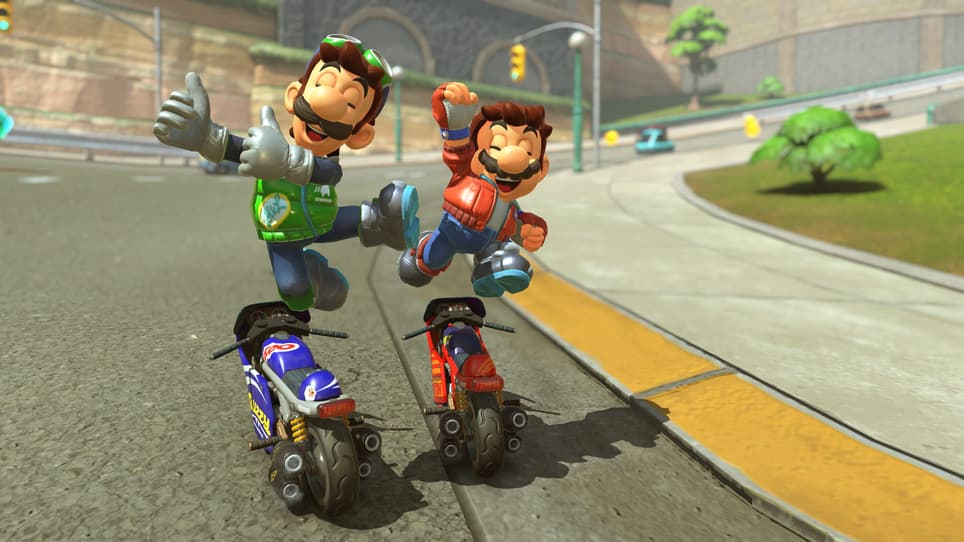
For the Switch 2, this is a particularly sensitive bottleneck due to its modest internal storage. The console is equipped with 256GB of onboard memory, expandable via microSD Express cards up to 2TB. However, as modern games grow increasingly bloated, a single triple-A release can now consume nearly half of the system’s default storage space.
Compounding the issue is the rising retail price of memory cards. Japanese manufacturer Nextorage Corp. is currently selling 256GB microSD Express cards compatible with the Switch 2 for 13,350 yen (approximately $85). This represents a price hike of about 30% since the hardware’s initial rollout in June.
Recent data suggests that the financial burden of storage is already shifting consumer behavior. While the hardware is selling at a faster clip than the original Nintendo Switch, users are purchasing fewer games. With 17.37 million units sold, the average “attach rate” stands at just 2.18 games per console—a significant drop from the 3.88 games recorded by the original Switch at a similar point in its lifecycle.
Analysts at Pelham Smithers Associates warn that this trend could create long-term structural problems for the ecosystem. If the Switch 2 gains a reputation as a platform where only first-party Nintendo titles sell well, third-party publishers may pull back. This loss of support could trigger a chain reaction, eventually eroding general consumer interest in the platform.
Source: iXBT.games
Related articles
 First Reviews of Cyberpunk: Edgerunners 2 Split Critics, Praising Visuals and Violence but Questioning Story
 One of the largest game decompilation sites is shutting down amid the rise of AI
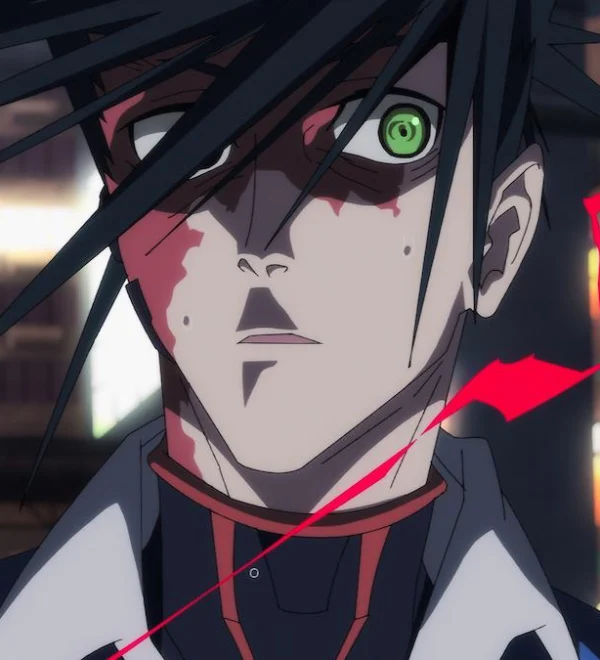 Cyberpunk: Edgerunners 2 Premiere Time Announced, All 10 Episodes Arrive on Netflix October 20
 Call of Duty: Modern Warfare 4 Dedicates Separate Screen to Memory of Vince Zampella
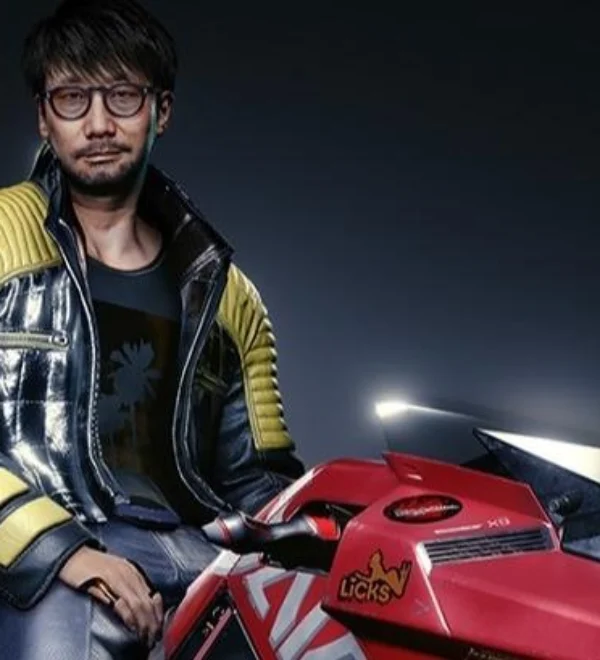 Hideo Kojima Will Appear in Cyberpunk: Edgerunners 2, Cyberpunk 2077 Developers Say
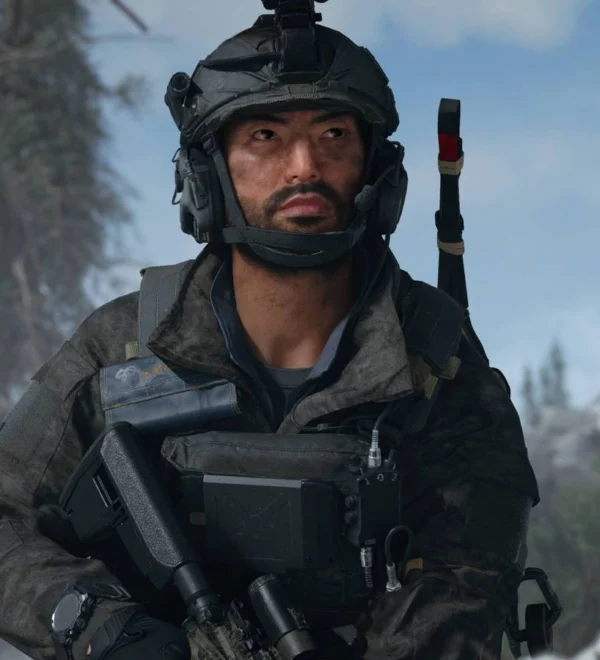 Modern Warfare 4 Is Legitimately a Top-5 Call of Duty Campaign
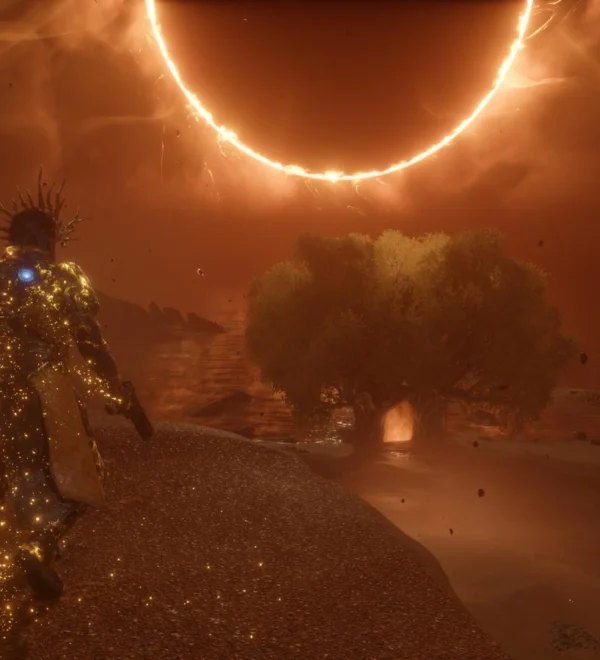 Saros Zenith Update Adds Slow Game Speed, Auto-Fire and Other Options to Make Combat Easier
 Super Meat Boy 3D Adds Jack Pepper From MOUSE: P.I. for Hire