
Resident Evil Was Originally Planned for the SNES

This feature was originally documented on December 4, 2017.
While the Resident Evil franchise is celebrated for its meticulously chronicled evolution, a fascinating chapter of its origin remains largely overlooked: Capcom’s legendary survival horror masterpiece was initially conceived for the 16-bit Super Nintendo.
The insight comes directly from veteran director Koji Oda. Joining Capcom in 1991, Oda’s early portfolio included work on iconic titles like Super Ghouls ‘n’ Ghosts and The Magical Quest Starring Mickey Mouse. During a retrospective discussion, Oda highlighted the rapid-fire nature of game development in the early 90s.
“I feel incredibly fortunate to have entered the industry at such a pivotal time,” Oda remarked. “Projects typically moved from concept to completion in less than a year, allowing me to gain experience across a diverse range of titles. It isn’t common knowledge, but before Resident Evil transitioned to the PlayStation, it was actively being developed for the SNES.”
In its earliest stages, the project was intended as a spiritual successor to Sweet Home, the Famicom horror cult classic that served as the primary blueprint for the genre. However, the arrival of the Sony PlayStation in late 1994 shifted the industry’s trajectory. Captivated by the potential of the new hardware, Capcom management decided to pivot development to exploit the console’s superior processing power.
“At the time, the ‘Resident Evil’ moniker didn’t even exist,” Oda explained. “We referred to the project simply by the codename ‘horror game.’ On the SNES, we were constantly battling storage limitations; we certainly couldn’t include cinematic movies or high-fidelity audio. Had that version reached the market, the atmosphere would have been starkly different. For example, the setting was originally envisioned as a surreal, hellish environment rather than the semi-grounded reality of the Spencer Mansion.”
This glimpse into the project’s 16-bit roots provides a unique perspective on how technical constraints—and opportunities—ultimately shaped one of the most influential franchises in gaming history.
Related articles
 Helldivers 2 Receives Thousands of Negative Reviews After Update Breaks Popular Mod
 The Rings of Power Season 3 Gets a New Trailer
 Hacker Claims Jailbreak of New PS5 Firmware 14.20 Eight Hours After Release
 EA Shuts Down BioWare, Cancels Next Mass Effect Game
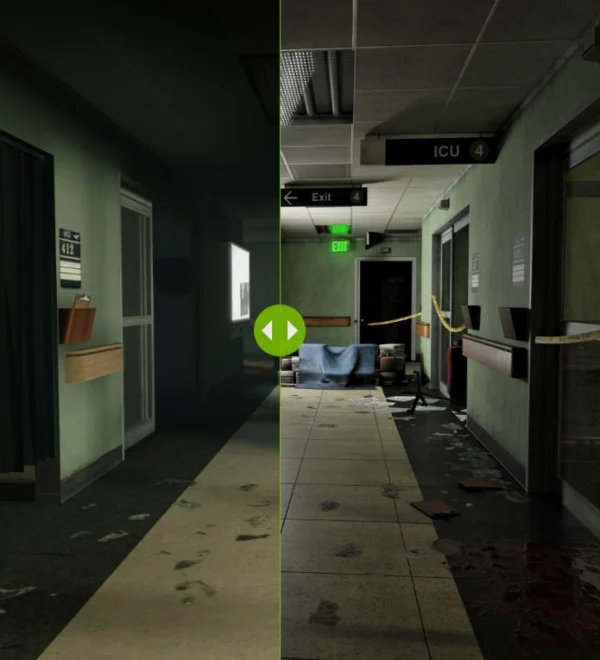 Left 4 Dead RTX Announced as NVIDIA Shows Enhanced Version of Left 4 Dead 2
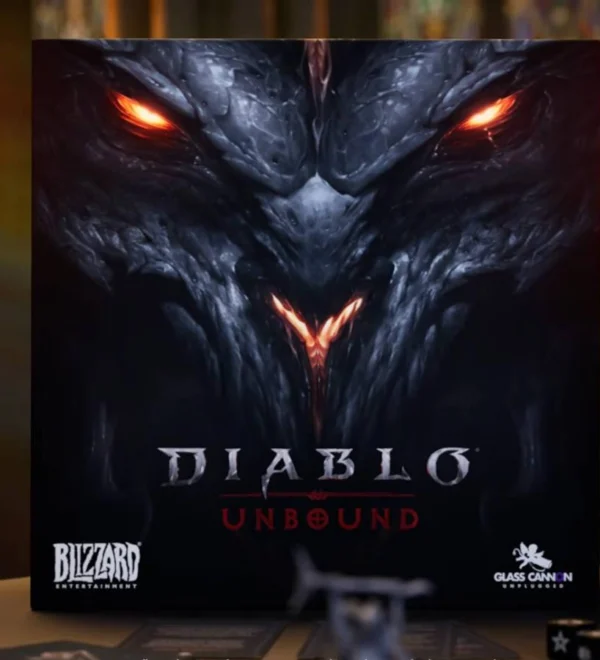 Diablo: Unbound, a Tabletop Dungeon Adventure With Random Loot, Announced
 Reddit user voices38 deletes account after court ruling allowing identity disclosure, and v0ices38 appears
 Borderlands and BioShock Are Being Removed From Steam Libraries After 13 Years, and Players Lose Licenses to Purchased Games