
Pragmata on Switch 2 Is Simply Pragmata
I’ve been diving into Pragmata on the Nintendo Switch 2, and it’s been a genuinely delightful experience. The game is a masterclass in stylish, character-driven action—the kind of polished, creative title that Capcom has been perfecting for decades. It feels unapologetically like a “video game” in the best way possible. While it introduces a distinct mechanic, it understands its own scope, executing the fundamentals with precision while remaining playful and imaginative within its well-defined boundaries.
I’ve opted to play on the Switch 2 not just because a review unit was available, but because handheld gaming fits my schedule far better than being tethered to my desk or the living room TV. Pragmata is a substantial multiplatform release; while perhaps not a traditional AAA tentpole in every sense, its lengthy development cycle certainly reflects a massive investment from Capcom. It’s rare to see a title of this caliber arrive simultaneously on Nintendo hardware, typically due to the console’s more modest technical profile. Yet, I don’t feel like I’m losing out on anything—if anything, the trade-off is negligible.
On the Switch 2, Pragmata simply feels like Pragmata. Aside from some minor visual concessions, the game remains intact, feeling right at home on the platform. It runs and looks exactly as a high-budget modern title should.
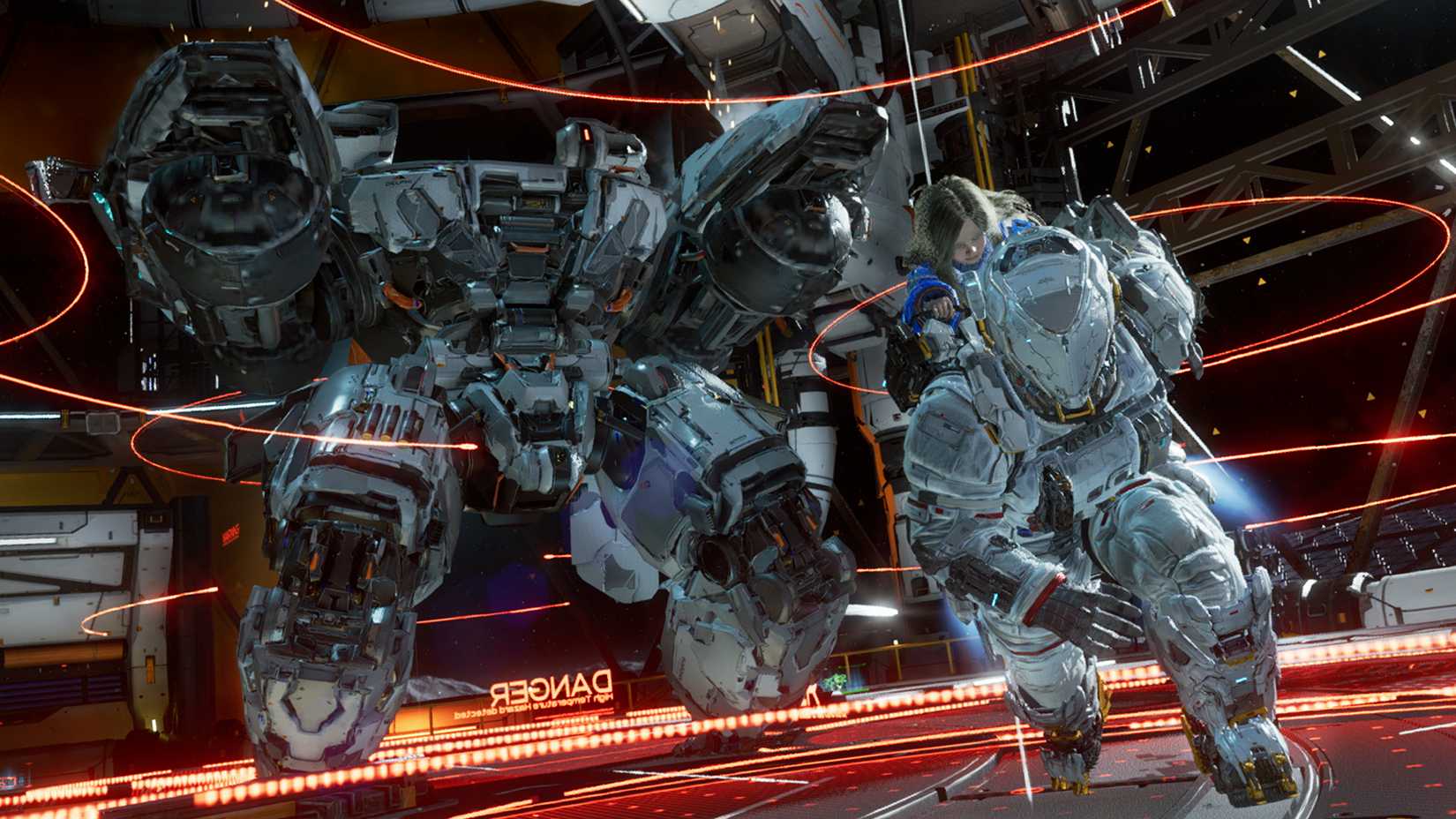
I haven’t tested the game across multiple platforms, nor do I have the technical rig to scrutinize frame rates or pixel counts. I’m not Digital Foundry—though I certainly await their deep dive—but as a player who simply appreciates a crisp, smooth experience, I am thoroughly satisfied with how Pragmata holds up on this hardware.
There is one predictable quirk. As seen with ports like Final Fantasy 7 Remake and Resident Evil Village, the Switch 2 occasionally struggles with hair rendering. Because of how Nvidia’s DLSS upscaling interacts with finer, low-resolution details, hair can sometimes appear a bit stiff or fizzy. In Pragmata, Diana’s thick, blonde hair exhibits this exact behavior, looking somewhat unnatural in motion.
However, in docked mode, the game’s presentation is remarkably clean, handling the intricate hard-surface art style with ease and, to my eyes, maintaining a fluid 60 frames per second. It’s impressive. In handheld, the game seems to target 30 frames per second with a slightly softer, “hazy” aesthetic common to upscaled, lower-resolution imagery. It’s clearly not native resolution, but it still looks great; it maintains the essence of the Pragmata visual identity.
Capcom opted against cluttering the menu with performance or quality toggles, which feels like a smart move. They’ve clearly prioritized stability and responsive controls, ensuring the game feels consistent whether you’re on the couch or on the move.

Given the success of the RE Engine and other heavy-hitters like the RED Engine on this platform, it’s clear that developers are finding ways to scale effectively. Pragmata benefits from relatively contained environments, but even with its high-fidelity visuals, it demonstrates that the Switch 2 can handle modern, large-scale design surprisingly well.
I won’t claim that Pragmata on Switch 2 matches the lighting or pixel-perfect sharpness of a PlayStation 5—it doesn’t. It feels more akin to a high-end, late-era PS4 title. But that is perfectly fine. The current generation offers an upgrade, certainly, but we’ve reached a point where the gap is no longer insurmountable. The vast majority of today’s games are perfectly enjoyable on either platform.
Ultimately, Pragmata is further proof that we are moving past the era of massive technical hurdles that once alienated lower-powered consoles. Many contemporary titles can now thrive on the Switch 2 without sacrificing their artistic integrity or playability. It’s much like comparing a standard Blu-ray to a 4K HDR disc—the latter might look a bit sharper, but the film remains just as compelling on both. Pragmata loses nothing by being played on the Switch 2; it’s simply a fantastic game, regardless of where you play it.
Source: Polygon
Related articles
 FromSoftware Fans Criticize Bloodborne PC Port Over AI Use
 Modders Release Gameplay Trailer for Cyberpunk 2077 Cooperative Modification
 Insider Claims Resident Evil Code Veronica Will Get Separate Ways-Style DLC
 Developers Fall Into Debt Amid Rising Popularity of “Teach Your Sister How to Drive” Simulator Demo
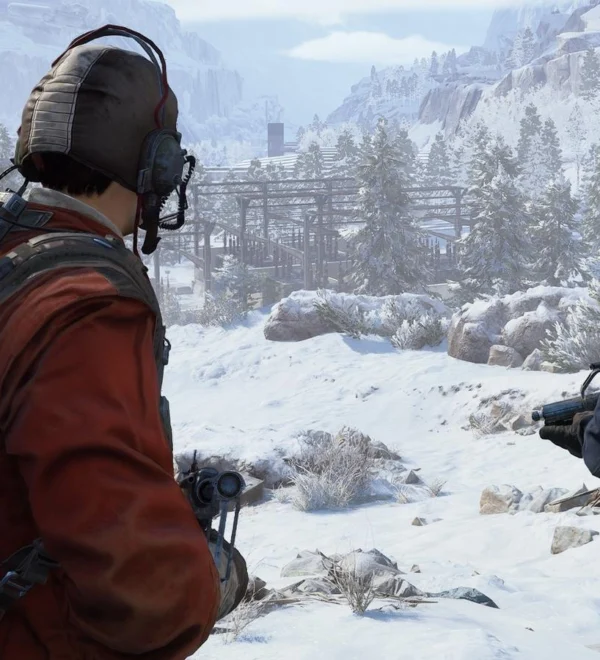 Arc Raiders Creator Admits Fan Divide Risk Over Requested Game Modes
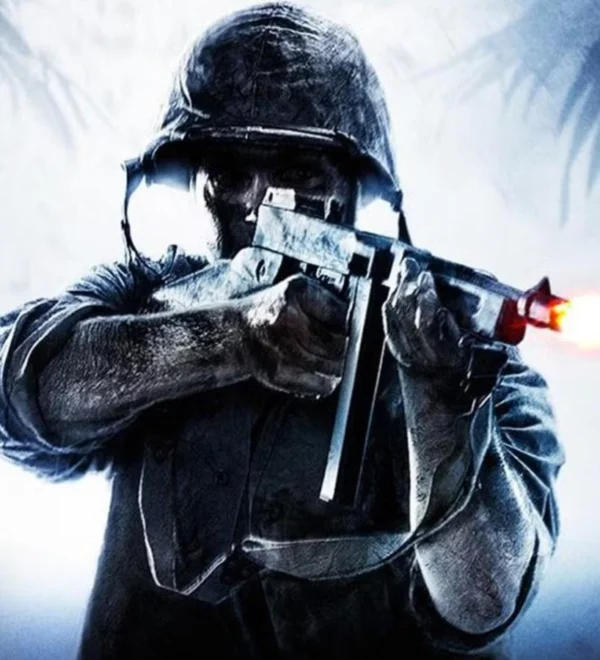 Modder Working on RTX Remaster of Call of Duty: World at War Releases First Screenshots
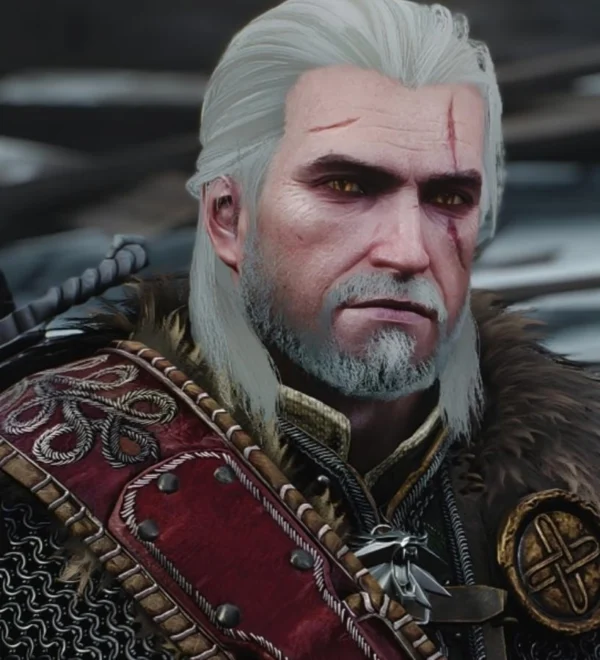 Digital Foundry Releases Optimized PC Settings Guide for The Witcher 3 Remaster
 Archive Materials Suggest Wing Commander 3 Remaster May Be in Development After 32 Years