When Overwatch 2 debuted in 2022, it arrived with a fresh coat of paint and a handful of new faces, yet it struggled to distinguish itself from its predecessor. The subsequent years were turbulent; the highly anticipated PvE mode was dismantled, and the surviving story missions failed to resonate with the community. Hero identities began to bleed into one another, leaving most characters feeling like generic damage dealers. It was functional, but it lacked the evolution expected of a true sequel. However, 2025 has signaled a massive paradigm shift. Blizzard is no longer just adding “more stuff”; they are fundamentally reimagining the gameplay loop through innovative perks and structural additions. The studio has finally stopped obsessing over minor stat tweaks and started thinking outside the box.
For years, Blizzard’s balancing strategy was a predictable seesaw of kit adjustments and numerical shifts. The introduction of Perks—minor and major modifiers to a hero’s core abilities—represents a more proactive approach to character design. These tools empower players to find creative solutions to traditional weaknesses. Instead of witnessing the fiftieth rework of Cassidy’s flashbang or a negligible change to Tracer’s damage that only professionals would notice, players can now customize their experience. Strategy has become more vital than simply reacting to the latest set of patch notes.
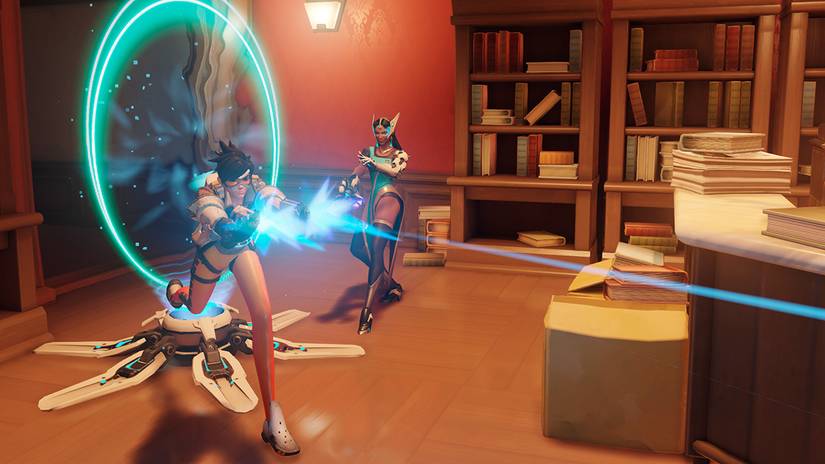
These perks foster spontaneous tactical decisions, ensuring matches no longer feel like repetitive loops. Mei can now opt for an additional ice pillar for emergency escapes, or sacrifice that utility to bolster her ultimate. Support players using Moira can spec into emergency healing bursts for her Biotic Orbs, providing a safety net when her primary resources vanish. Meanwhile, Freja can choose between tracking elusive targets like Sombra or gaining the mobility needed to kite aggressive tanks like Reinhardt. This flexibility adds a layer of depth that was previously missing.
Surprisingly, the new Stadium mode has emerged as an accidental masterclass in hero mechanics. While perhaps not designed as a tutorial, it teaches the nuances of the game’s 40+ characters more effectively than any previous feature. By experimenting with a “multiball” Moira build, for example, players learn the critical importance of orb geometry, positioning, and resource management. Similarly, focusing on Reaper’s attack speed reveals the raw power of flanking, fundamentally changing how a player approaches map layout. These lessons translate directly back to standard competitive play, where players are now utilizing map sectors—like the often-ignored corners of Esperanza and Hanaoka—with newfound sophistication.

The 2025 hero roster further exemplifies this commitment to novelty. While 2024 gave us Hazard (another dive tank), Venture (a subterranean flanker), and Juno (who shared much of Baptiste’s healing DNA), the latest additions defy easy comparison. Freja is a versatile combatant who can pivot between suppression and sharpshooting. Wuyang introduces an MMO-style complexity, where mastering water orbs allows players to bridge the gap between high-volume healing and top-tier damage. Then there is Vendetta, the game’s first true melee-focused damage hero, who forces players to master verticality and movement in ways that were previously optional.
Ultimately, Overwatch 2 has finally justified the number in its title. By embracing player agency and mechanical variety, Blizzard has steered the franchise toward a future defined by creativity rather than stagnation. This new direction isn’t just a fluke; it’s a bold commitment to making the game feel truly new again.
Source: Polygon