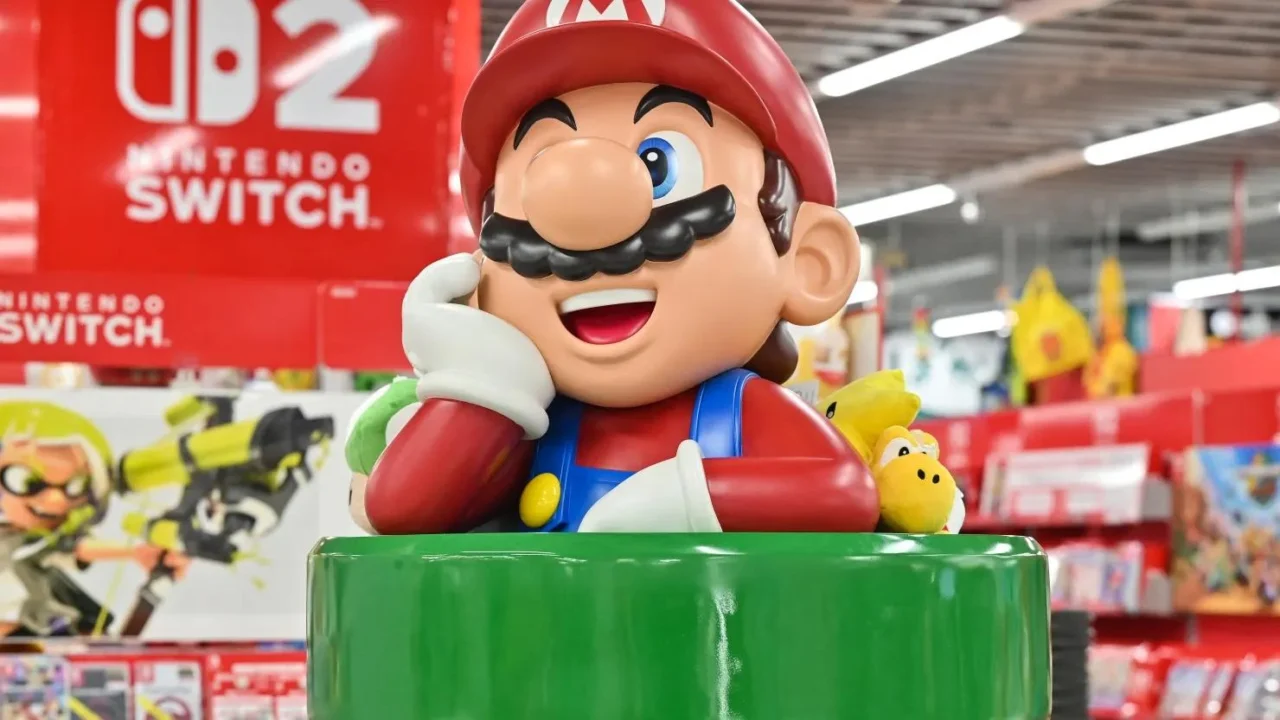
Nintendo Risks Stagnation Without Variety, Analysts Say
Nintendo is currently enjoying a period of remarkable market stability; however, industry analysts warn that the company’s greatest asset—its legendary roster of characters—could eventually become a significant long-term vulnerability.
Driven by the sustained momentum of the Nintendo Switch and the anticipated transition to its successor, which has already seen significant early traction, the brand remains heavily anchored by the global appeal of Mario, Zelda, and Pokémon.
Revenue continues to be dominated by these legacy franchises. Titles like Pokémon Scarlet and Pokémon Violet shattered records on the Switch, while Mario Kart remains a top performer across generations. Beyond software, Nintendo is diversifying into theme parks, film production, and licensed merchandise, though these ancillary ventures currently represent less than 3% of the company’s total annual turnover.
President Shuntaro Furukawa remains committed to a strategy that blends unique entertainment experiences with a broader global reach. This approach focuses on cultivating deep, multi-generational consumer relationships by leveraging both nostalgia and the inherent accessibility of their titles.
Nevertheless, market experts are raising concerns regarding creative stagnation. Serkan Toto, CEO of Kantan Games, noted that in ten to twenty years, the cultural dominance of Mario, Zelda, and Pokémon may begin to fade. While Nintendo has proven its ability to innovate with hits like Splatoon and newer initiatives such as Drag x Drive or Donkey Kong Bananza, the development of entirely new AAA franchises requires massive investment and carries substantial commercial risk.
The prevailing consensus among analysts suggests that while nostalgia is a powerful engine for current growth, long-term sustainability will require the birth of new ideas and protagonists capable of eventually succeeding Nintendo’s established icons.
Source: iXBT.games
Related articles
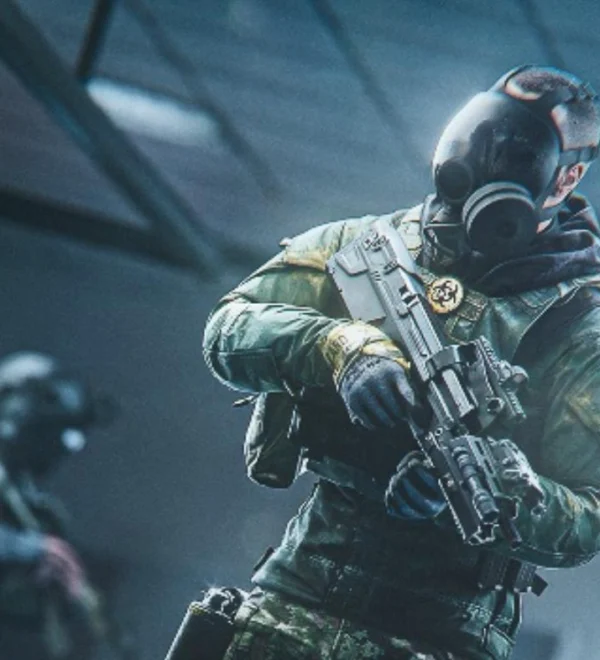 Escape from Tarkov Adds Limited-Time Achievement as Scourge Invasion Event Expands
 DICE and Respawn Reportedly Working on New Project, Possibly Star Wars Battlefront III
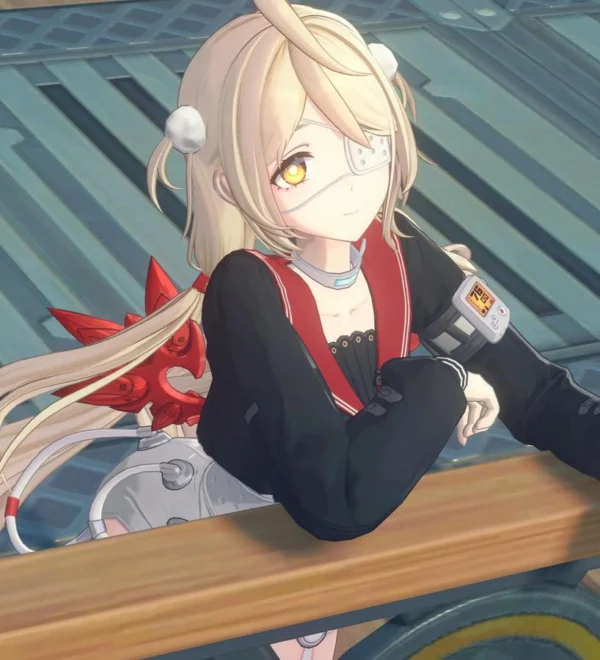 Zenless Zone Zero 3.3 Changes Translation and Adds New Characters, miHoYo Discusses Improvements
 Paradox Announces Release Date for Stellaris DLC Willpower, Which Focuses on Creating an Ideology
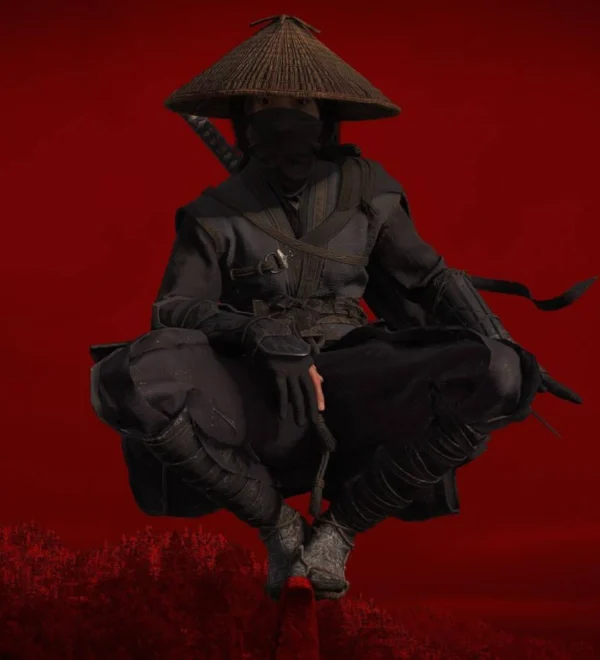 Assassin’s Creed Shadows Getting Tabletop Tactical Game With Stealth Mechanics
 Zero Parades: For Dead Spies to Launch on Xbox Series X|S With Expanded Edition in November
 HBO Poison Ivy Series Reportedly in Development With ‘The Penguin’ Producer
 GTA VI Preorders Reportedly Generated $630 Million Before Release, Analysts Say