
Ninja Gaiden 4 Impresses with Optimization Across All Platforms — Video Comparison Released
PS5 and Xbox Series X offer three display modes, while the PlayStation 5 Pro build includes an additional “Pro Mode”.
The middle option fuses standard-quality visuals with the smoothness of the performance setting, delivering a well-rounded compromise. Players on PS5 and Xbox Series X can pick Quality Mode, Performance Mode, or 120 FPS Mode depending on whether they prioritize fidelity or framerate.
Quality Mode on PS5 and Xbox Series X approximates high PC settings — with higher-resolution textures, more detailed shadows, and enhanced post-processing. Performance Mode reduces settings toward medium to sustain a steady 60 fps. The 120 FPS Mode sacrifices visual details to maximize responsiveness.
Pro Mode on the PS5 Pro balances elevated detail with fluid performance, maintaining consistent framerates without degrading image quality. The Pro’s 120 FPS option is more stable but does not increase native resolution.
Across all editions the game holds stable framerates and low input latency even during hectic, particle-heavy encounters. Xbox Series X is nearly indistinguishable from the PS5; the Series S trims draw distance and reflection fidelity but keeps fps consistent. The PC version is well optimized, though DLSS support is modest: there’s no in-menu quality slider or frame generation, but a broad range of settings is available to favor either performance or visuals.
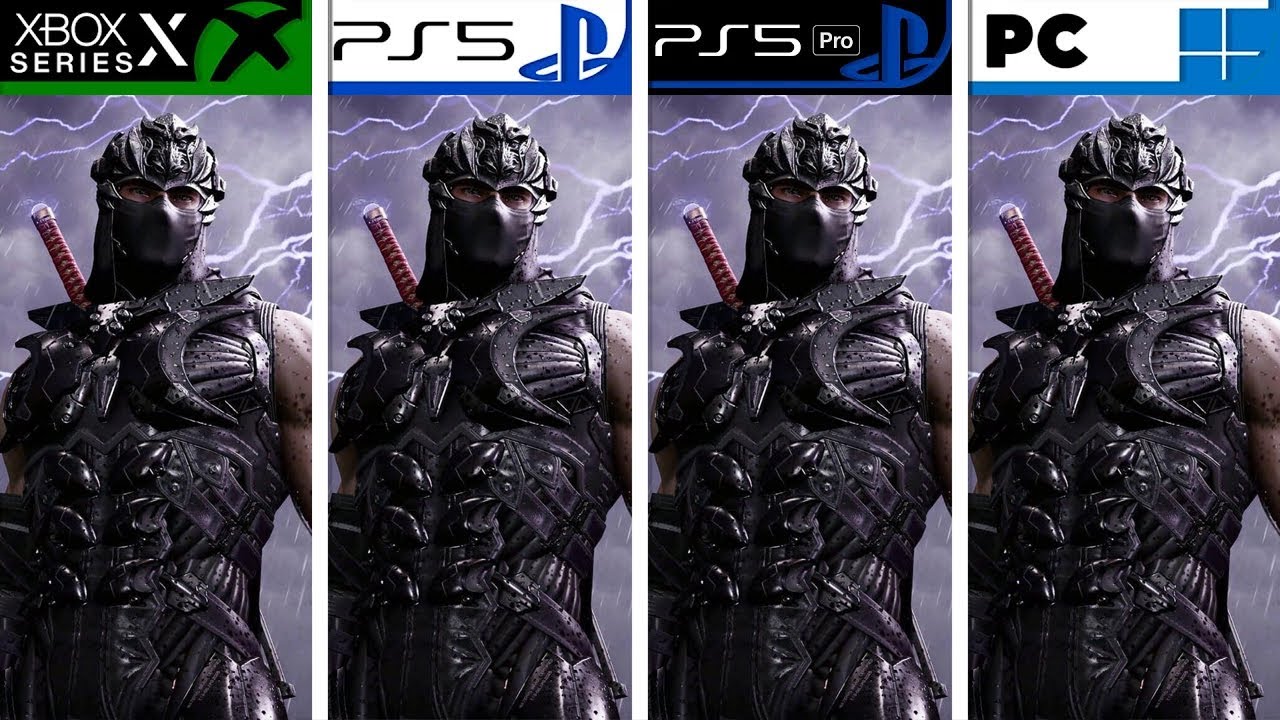
Source: iXBT.games
Related articles
 Nexus Mods Has No Plans to Ban AI-Generated Content
 God of War Laufey Delayed Until May
 Devil May Cry 3: Special Edition Gets an Unofficial Android Port
 Pokémon Pokopia’s Next Major DLC Officially Gets a Release Date
 Players Again Criticize Sony for Prioritizing Live-Service Games Over New Single-Player Titles
 Pokémon Pokopia Expansion Pass Part 2: Dazzling Decorations Brings New Accessories and More Next Month
 Sony’s New DualSense Controller Colors Spark Debate Among PS5 Owners
 Study Finds New Player Habits, Raising Questions About the Future of Expensive Releases