It won’t solve the global RAM shortage just yet, however.
Scientists at Ohio State University have successfully demonstrated that fungal mycelium can be utilized for data storage—at least under laboratory conditions.
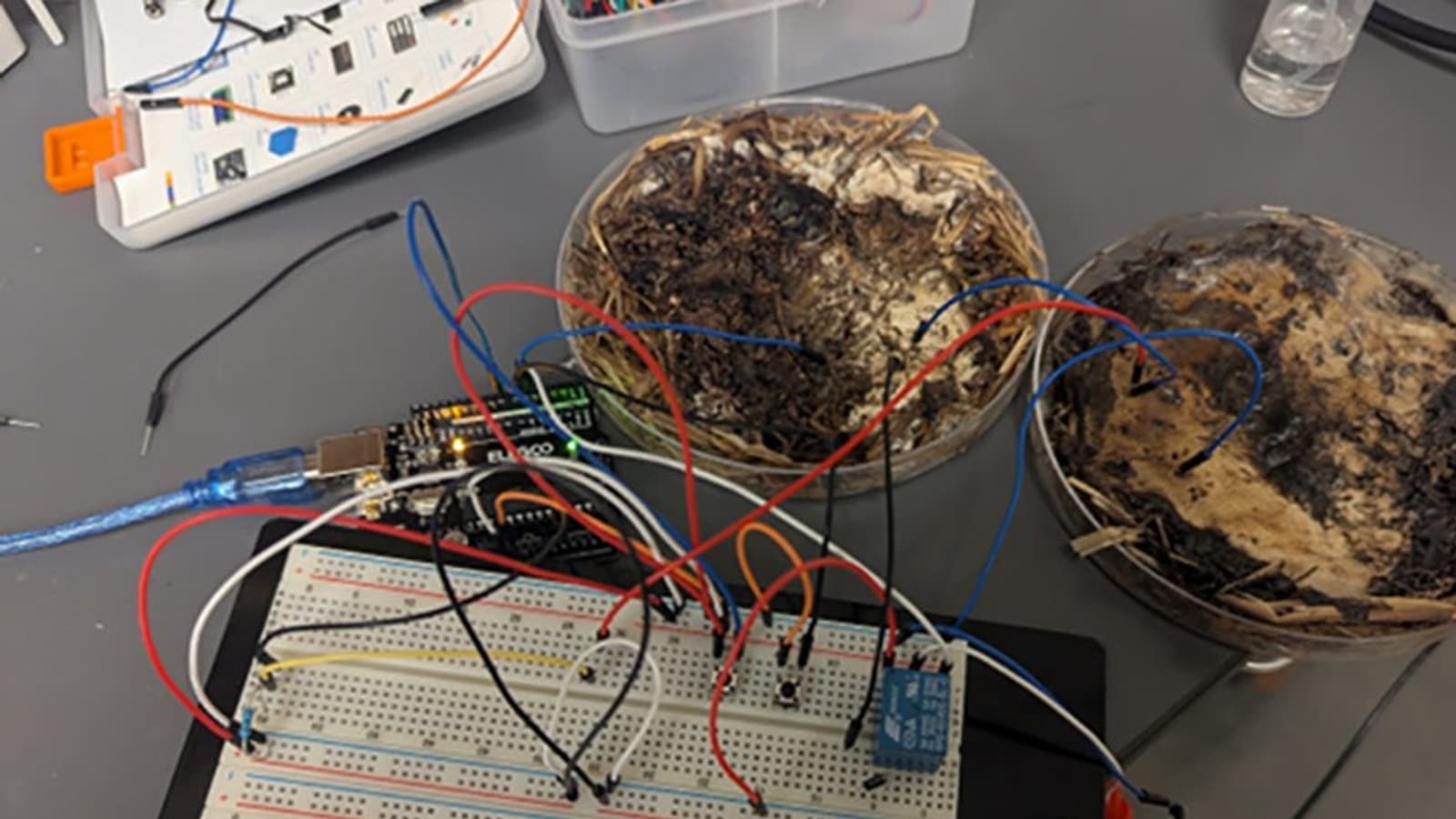
The research team experimented with shiitake and button mushroom mycelium, testing their viability as organic memristors. The cultivation process involved growing the mycelium in Petri dishes and drying it over several days until it reached a hardened state. Electrodes were then attached, and the samples were lightly rehydrated to restore electrical conductivity. By passing various voltages through the material, researchers observed whether its resistance could “remember” previous states.
The most stable performance was observed at a voltage of approximately 1V. In this state, the mycelium was even programmed to function as a form of operational memory, reaching frequencies of nearly 6 kHz with an accuracy of around 90%.

Nevertheless, practical application remains a distant goal. The researchers emphasized that they aren’t talking about storing gigabytes of data yet—doing so would literally require vast fields of mushrooms.
Despite the current limitations, the fact that mycelium can store and reproduce electrical states opens the door to the development of sustainable, biodegradable computing systems. The authors highlight the environmental benefits: fungal networks do not require rare-earth metals, consume less energy, are lightweight, and can eventually serve as a compostable alternative to traditional electronic components. Additionally, shiitake mushrooms show remarkable resistance to radiation, making them a potential candidate for hardware in extreme environments, including outer space.
Source: iXBT.games