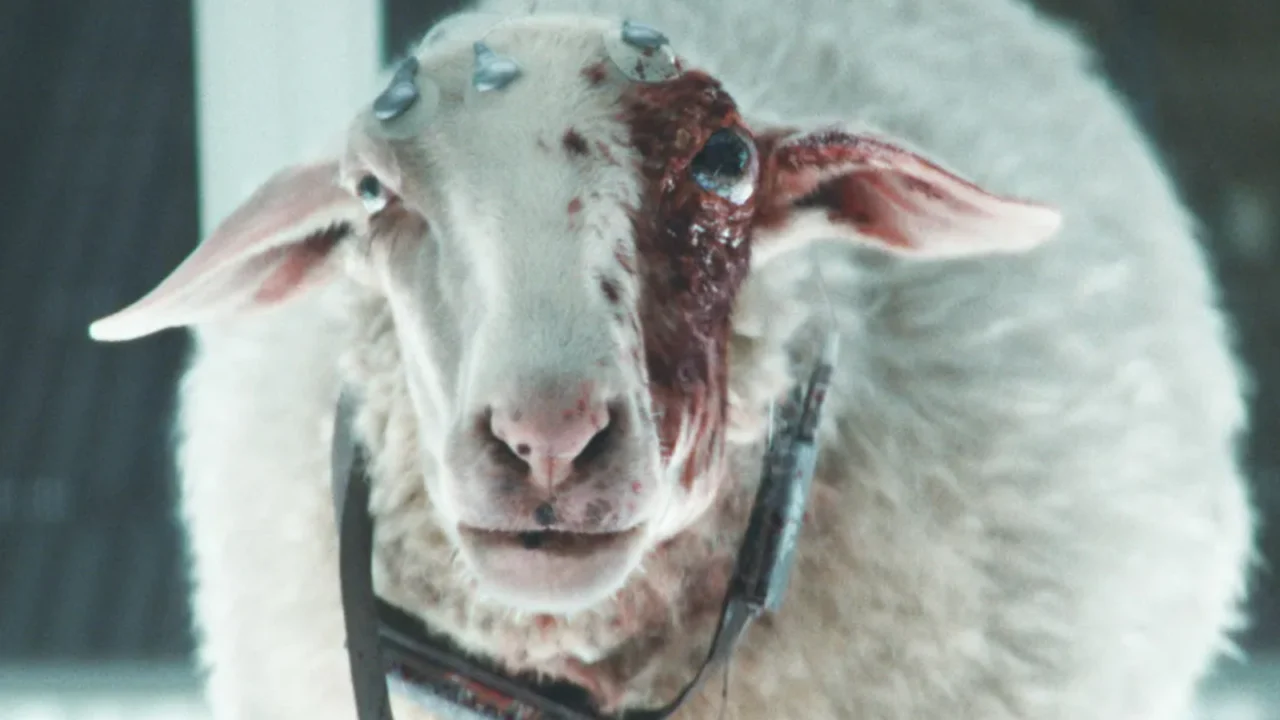
Meet Victoria the Sheep: Earth’s Creepiest Alien
Image: FX
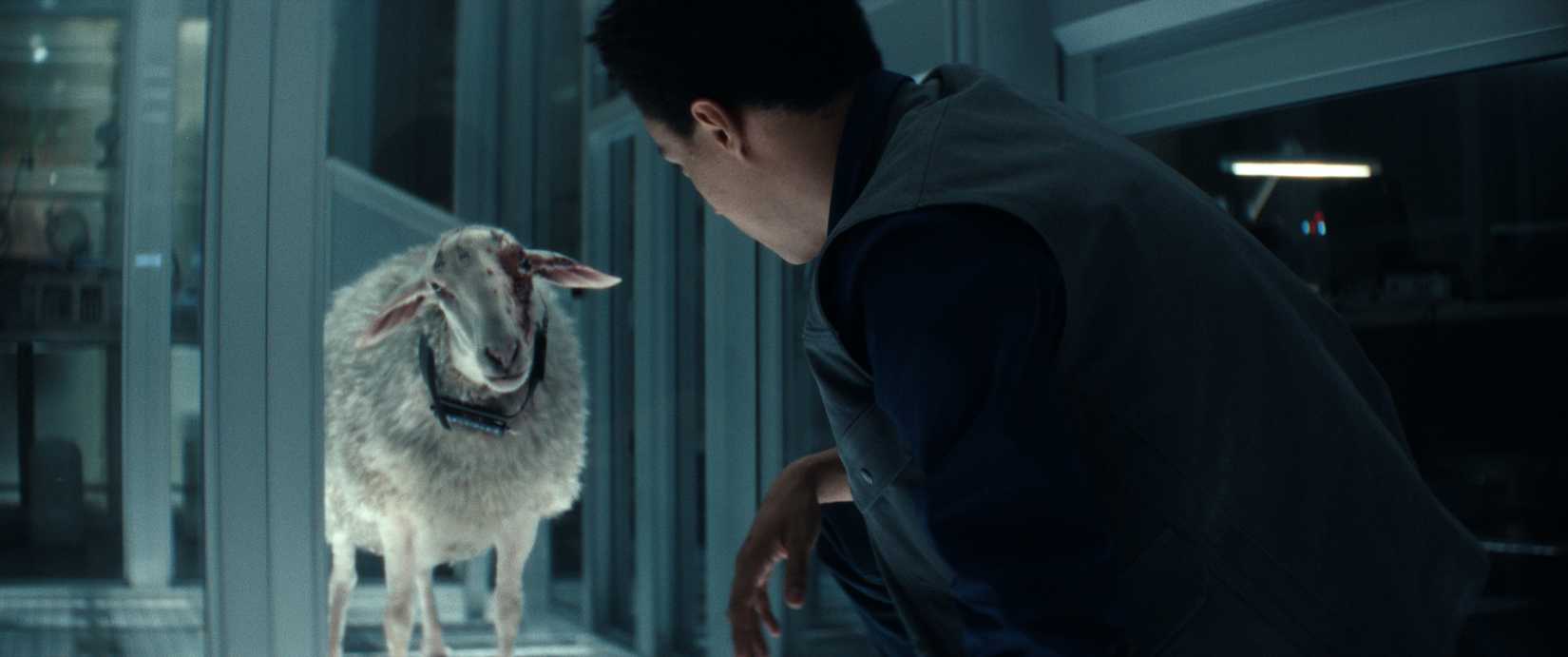
“He likes the sheep,” Samuel Blenkin tells Polygon. “He thinks the sheep’s kind of cool.”
The animal in question is far from ordinary: it’s been overtaken by a parasitic, eyeball-shaped alien that turns cooperative creatures into lethal threats. In episode 6 of Alien: Earth — titled “The Fly” — the parasite’s scheme begins to unwind. For Blenkin, who portrays the petulant trillionaire Boy Kavalier, the creature (both the live animal and its mechanical double) made for an unnerving but compelling scene partner.
“No acting required,” Blenkin jokes. “It was genuinely terrifying.”
After screening episode 6, Polygon spoke with Blenkin and director Ugla Hauksdóttir about how the production realized one of the season’s creepiest creatures. Spoiler warning: the following passages discuss plot points from Alien: Earth episode 6.
“No acting required”
The parasite has picked up a few nicknames: viewers call it the eyeball alien or eyeball octopus for its tentacled form, while in-universe scientists classify it as trypanohyncha ocellus — Species 64. On set, the cast and crew affectionately referred to it as the “eye midge.”
As for the sheep, the production used a real animal for several early beats before switching to an animatronic double after infection. The live sheep that appears in some scenes is named Victoria — a detail Blenkin was quick to praise.
“Victoria is an incredible performer,” he says. “Honestly, the best I’ve worked with.”
To keep Victoria focused during takes, trainers used a practical trick: a handler stroked her belly with a green glove attached to a long pole so the prop could be digitally removed later. That small technique helped the animal hold eerie, fixed gazes that elevated the scenes’ creepiness.
“We had animal trainers on set,” Hauksdóttir explains. “Working with animals is always unpredictable, but with patience she delivered the exact moments we needed.”
After the infection, the team replaced Victoria with a near-identical animatronic that added the alien’s grotesque ocular feature. The puppet’s range was modest but unnerving — slow chewing, little head tilts, blinks, and small, unsettling eye movements.
“It looked so lifelike,” Blenkin recalls. “It just stood there, motionless — which made it all the more frightening.”
“We did have an actual facehugger on set”

Episode 6 doesn’t stop with the sheep. Multiple creatures break free in a sequence that culminates in a classic franchise moment: a facehugger assault. The production leaned heavily on practical effects for these beats — an animatronic facehugger and carefully rigged puppetry, reinforced by strings for wrapping and choking actions.
“That sequence was a joy to shoot,” Hauksdóttir says. “We had a physical facehugger on set and it was capable of movement. The strings helped sell the strangulation and the tail coiling.”
The preference for tangible effects came from showrunner Noah Hawley, and the entire cast embraced the decision. Hauksdóttir notes that having creatures present during filming changed how actors could react — they could physically struggle against something visible, which heightened the sequence’s immediacy.
Practically realized creatures like Victoria and the facehugger give Alien: Earth an especially visceral edge, even as the show expands the franchise’s creature canon in unexpected ways.
Alien: Earth airs weekly on Tuesdays at 9 p.m. EDT on FX and is available on Hulu.
Related reading: theories about the eyeball species, how the eyeball creature steals the show, episode 6 trailer, episode 5 coverage.
Source: Polygon
Related articles
 Lindsay Lohan to Star in New Rom-Com from ‘Mean Girls’ Director
 “Stranger Things” Director Shawn Levy Leaves Netflix for Disney
 Reacher Renewed for a Sixth Season
 Spider-Man: Brand New Day to be re-released with additional scenes
 Stas Baretsky stars in an action film alongside the “It” actor
 Photos from the set of The Mummy 4 have emerged
 “Predator: Badlands” Director to Helm Sleeping Beauty Adaptation
 Don’t Breathe to get a third installment