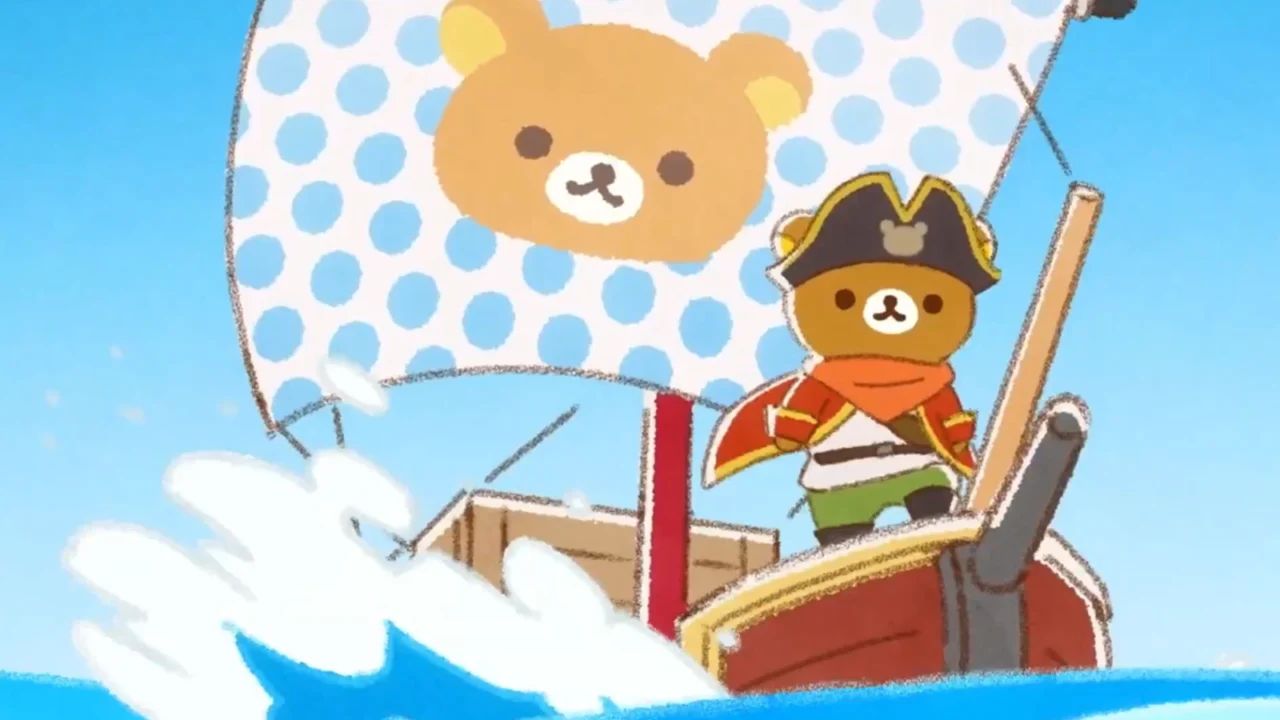
Meet Hello Kitty’s Greatest Rival Before His New Anime Debuts
Sanrio’s Hello Kitty is far more than a mere mascot; she is a global cultural titan. Since Yuko Shimizu debuted the charming anthropomorphic feline (and yes, she is indeed a cat) in 1974, Kitty has grown into a multi-generational phenomenon. Today, she remains a financial powerhouse for Sanrio, generating an estimated $3.1 billion in annual revenue. Her presence spans everything from the delightfully surreal Gundam vs. Hello Kitty crossover to digital vlogs and the cozy, Animal Crossing-esque world of Island Adventure. Her status as a pop culture icon is undisputed.
Brand strategists often attribute Hello Kitty’s longevity to her “stoic” and minimalist design, which serves as a blank canvas for fans to project their own emotions. Others cite the deep-seated childhood nostalgia she evokes. While newer contenders like Nagano’s Chiikawa have seen massive surges in popularity recently, few have managed to challenge Kitty’s throne. This raises the question: can Rilakkuma, the equally charming but significantly more mellow bear, finally step into the billionaire spotlight? A new anime series may be the catalyst this adorable bear needs to gain broader recognition in the West.
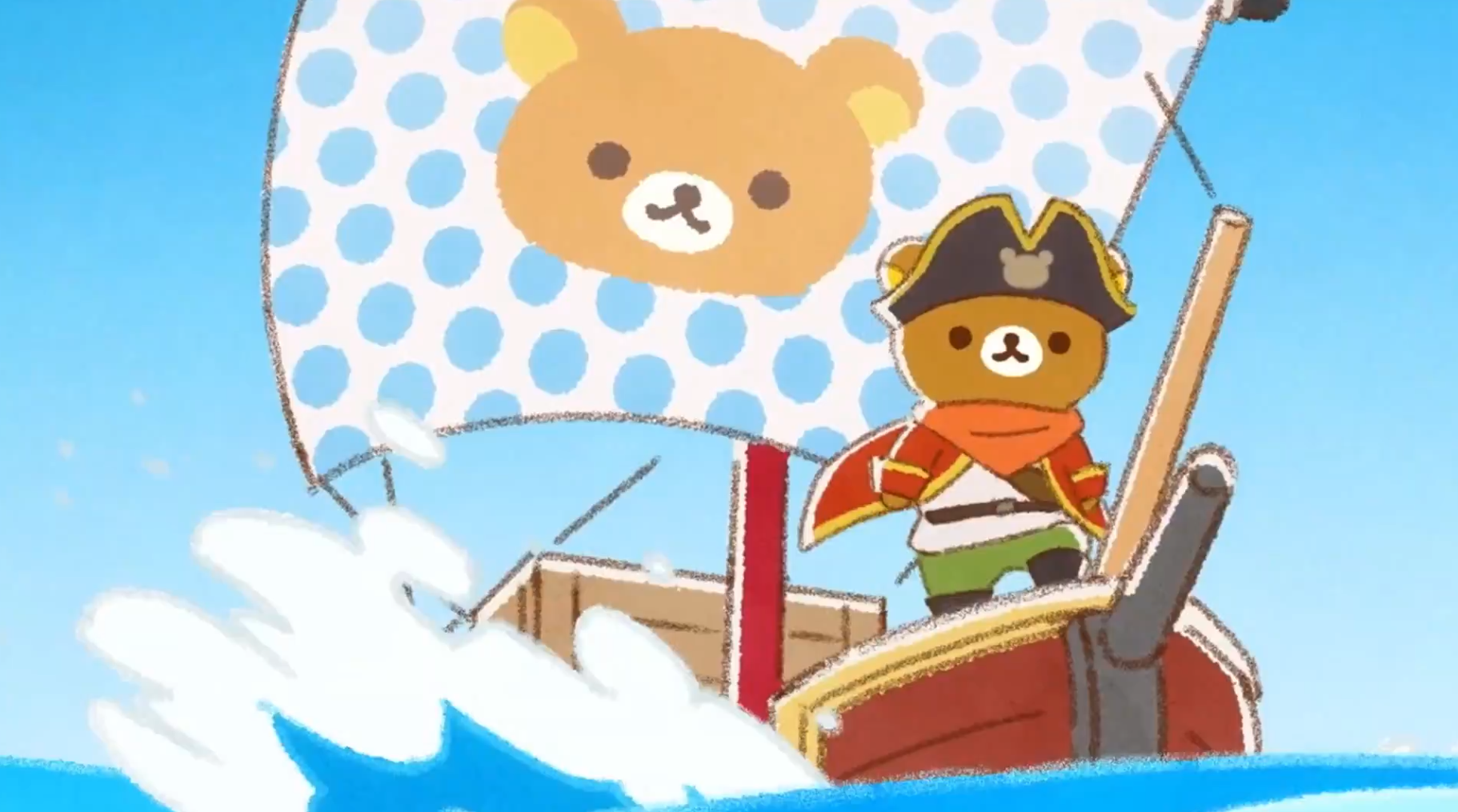
Though Sanrio and San-X (the creators of Rilakkuma) are entirely separate entities, they are fierce rivals in the “kawaii” mascot industry. San-X tends to be the more reserved of the two, despite historical triumphs like Tarepanda, which saw astronomical sales in the late 90s. However, Rilakkuma remains their crown jewel—a perpetually relaxed brown bear featured on over 16,000 products with a cumulative revenue of $162 billion recorded by 2016. The character enjoyed a creative renaissance with Netflix’s Rilakkuma and Kaoru, a breathtaking stop-motion series that mastered the slice-of-life genre. Now, a new anime adaptation from the renowned Production I.G. is slated for April 2026, promising fresh adventures for the bear and his quirky companions.
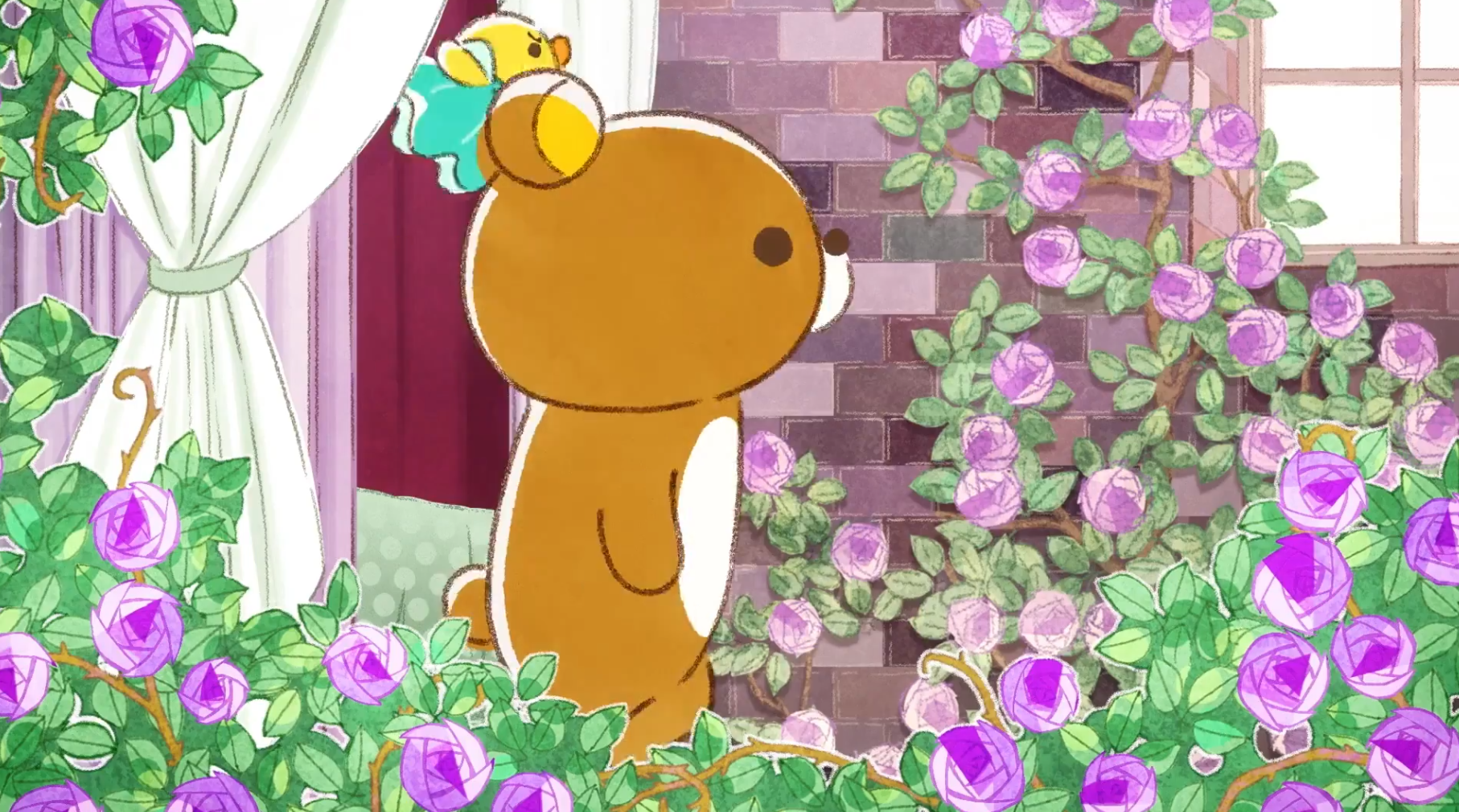
The name “Rilakkuma” is a clever portmanteau of “relax” and the Japanese word for bear, “kuma.” Originally introduced in the Rilakkuma Seikatsu comic series, the character is enigmatically described as a being inside a bear costume—complete with a zipper on its back—though the identity of the occupant remains a mystery. The story begins when an office worker named Kaoru finds the bear in her apartment one day and decides to let him stay as a roommate/pet.
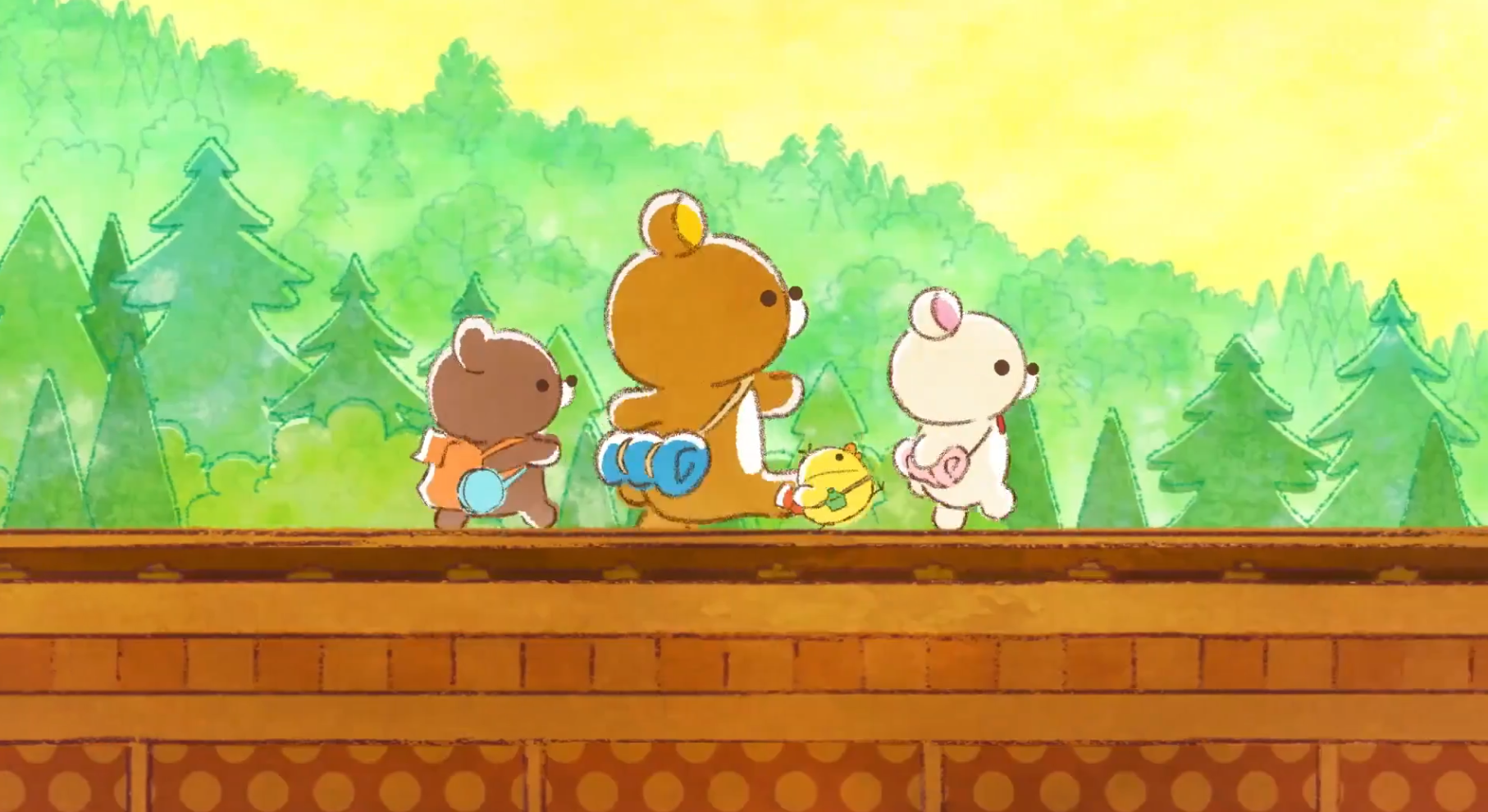
Rilakkuma isn’t a solitary houseguest; he’s often accompanied by Korilakkuma, a smaller white cub distinguished by a red button on her chest. A recent teaser for the upcoming anime shows Korilakkuma joining the title character on various global expeditions. Fans can also look forward to seeing Chairoikoguma, a real bear from the forest, and Kiiroitori, a diligent yellow bird who often serves as the group’s voice of reason.
While the teaser hints at outdoor exploration and underwater fun, Rilakkuma’s true passions are napping, television, and relentless self-care. This stands in stark contrast to Hello Kitty’s high-energy lifestyle of baking and social gatherings. Rilakkuma is content to simply exist, preferring a steady diet of pancakes and dango (sweet rice dumplings) over any form of ambition. He is notably averse to spicy food and finds the sweltering heat of summer quite bothersome.
Understanding the appeal of Rilakkuma—and the broader culture of “oshikatsu” in Japan—requires recognizing the deep sense of relatability these characters offer. In a world defined by the relentless pace of modern capitalism, there is something profoundly radical about a character whose primary goal is to do nothing. Rilakkuma’s lack of a complex, tragic backstory is part of his charm; his simple, languid nature offers a much-needed mental respite for millions of fans.
Even for those unfamiliar with the brand, the Rilakkuma anime arriving in April offers a perfect entry point into the world of “iyashikei” (healing) media. It serves as a gentle reminder of the importance of slowing down and finding joy in the mundane. While an exact launch date hasn’t been locked in, the anticipation for this soothing escapism continues to build.
Source: Polygon
Related articles
 No More Room in Hell 2 Gets New Map and Progression System in Camp Blood Update
 Owlcat Shows Lady Inquisitor and Massive Power Armor in New Warhammer 40,000: Dark Heresy Teasers
 Pokémon Pokopia Player Discovers Trick to Get Missing Event Pokémon
 New «Avengers: Doomsday» Teaser Features Two Captain Americas and Fantastic Four Baseball Game
 One Piece: Grand Gourmet Restaurant Sim Launches on Mobile and PC
 Jenna Ortega Wants to Step Away From TV Series After Wednesday and Explains Why
 One Piece Is Officially Coming to Fortnite
 Two New Trailers Released for Mamoru Oshii’s Armored Trooper Votoms: Die Graue Hexe Ahead of Nov. 20 Premiere