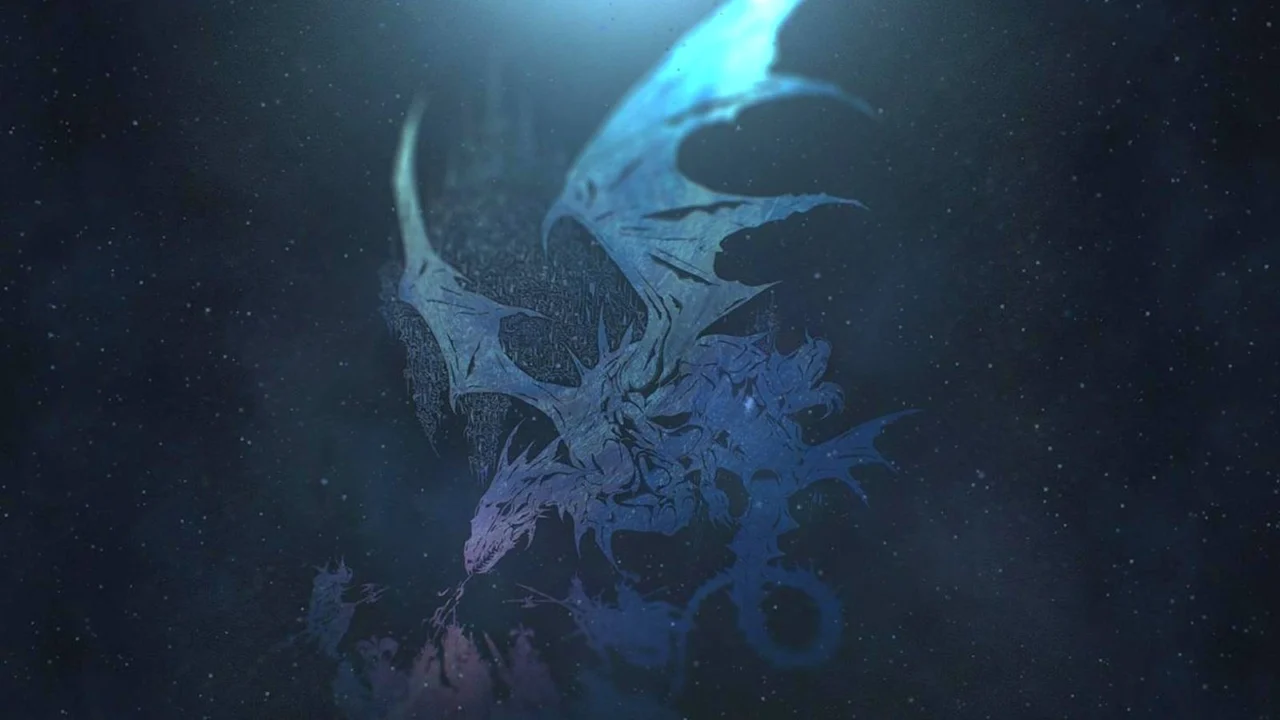
How Final Fantasy XIV’s Best Quote Elevated the MMO to New Heights
Trying to navigate the internet while playing a decade-old game is a recipe for disaster, so I assumed I’d already been spoiled on the infamous death in Final Fantasy XIV: Heavensward long before I reached it. I braced myself for a predictable moment of melodrama. After all, character deaths rarely resonate with me; they often feel like clumsy, manipulative attempts to manufacture grief without doing the necessary narrative heavy lifting. I was skeptical that a single fatality could genuinely elevate FFXIV‘s storytelling. I couldn’t have been more mistaken.
[Ed note: This piece contains spoilers for the finale of FFXIV: Heavensward.] Image: Square Enix
The demise of Haurchefant Greystone is a masterclass in heroic sacrifice that has lingered in my mind long after the credits rolled. His final words—”a smile better suits a hero”—rightfully earned a place among our list of the 100 greatest video game quotes. That scene is a definitive turning point, not just for Heavensward, but for the trajectory of FFXIV as a whole. It is the moment the game finally finds its soul.
Prior to this, FFXIV lacked a coherent identity. Even A Realm Reborn, the game’s impressive recovery from a catastrophic 1.0 launch, often felt aimless, shackled by the standard fantasy tropes of binary morality. There were clear-cut empires and villains, and progress felt like nothing more than swatting away baddies. Many Final Fantasy titles suffer from this same creative rigidity; while they attempt to inject complex character arcs—like Cloud Strife’s struggle for accountability or Cecil Harvey’s quest for redemption—they frequently default back to a simple narrative of one hero overpowering another.
Ursula K. LeGuin hit the nail on the head in the afterword of A Wizard of Earthsea: “All too often the heroes of fantasies behave exactly as the villains do, acting with mindless violence, but the hero is on the ‘right’ side and therefore will win.”
For a long time, FFXIV adhered to that exact mold. However, as the Heavensward expansion ramped up, the stakes shifted. The game began to deconstruct the tired “corrupt church” trope with profound depth. Ishgard, the primary setting, is a rigid, stratified theocracy where the ruling elite are just as concerned with maintaining their dogma as they are with public safety. The nation’s millennium-long war against dragons is built on a foundational lie—a secret guarded by the archbishop that, if revealed, would shatter the city’s spiritual and social fabric.
The writing here is sharp and feels far more reminiscent of the classic, intricate storytelling the franchise is known for. A gripping subplot involving the protagonist being framed for regicide forced me into a deep, meaningful bond with Haurchefant, transforming him from a background character into an essential pillar of the journey. Yet, I remained cynical, wondering if this was merely a temporary departure from the status quo. I was assured, “It gets better.”
 Image: Square Enix
And it did. Near the conclusion, as you confront the archbishop, an assassin strikes from the shadows with a blade of light. Haurchefant, the only one who stood by you when all others had turned away, intercepts the blow. His shield disintegrates, and he is struck down. It’s an agonizing moment of personal tragedy. He dies not for a kingdom or a god, but for you. He passes with no regrets, only an entreaty to keep your spirits high. Forced to mask my grief, I smile, and in that fleeting exchange, he fades away.
It brought a haunting, previously overlooked line into focus: “For those we have lost. For those we can yet save.” FFXIV finally clicked into place. The goal isn’t just to defeat the antagonist; it’s to carry the torch for those who sacrificed everything to bring you this far. True heroism isn’t found in victory, but in the legacy of love and the safety we provide for others.
Square Enix leaned into this ethos, weaving it into every expansion that followed. From the echoes of Haurchefant’s influence in Stormblood to the central thematic pillars of Shadowbringers and Endwalker, the series has consistently prioritized human connection over spectacle. Even as Dawntrail introduces a new saga, the game continues to explore these intimate themes: how we honor our ancestry and what it means to preserve the legacy of the departed.
Beyond its emotional resonance, Haurchefant’s death is simply exceptional writing. It eschews cheap shock value in favor of profound character growth. By doing so, it liberated Final Fantasy XIV from the mundane constraints of its genre, grounding the entire epic in a weight, humanity, and sense of purpose that remains unparalleled in the medium.
The 100 greatest video game quotes of all time
It has been spoken
Source: Polygon
Related articles
 Hacked PS5 Runs Xbox Game Pass and Free-Game Store
 Valve’s User Agreement Allows the Company to Revoke Unused Steam Wallet Funds After Six Months
 Valve Approves Fan-Made Left 4 Dead 2 Outbreak 64-Bit Port on CS:GO Engine
 FromSoftware Fans Criticize Bloodborne PC Port Over AI Use
 Battlestar Galactica Season 3 Episode Exodus Marks 20th Anniversary
 Modders Release Gameplay Trailer for Cyberpunk 2077 Cooperative Modification
 Six Darkly Funny Far Side Comics Starring the Devil
 Insider Claims Resident Evil Code Veronica Will Get Separate Ways-Style DLC