On Sept. 29, 2025, Saudi Arabia’s Public Investment Fund joined forces with Silver Lake and Jared Kushner’s Affinity Partners to announce a proposed $55 billion takeover of Electronic Arts. If the deal clears, EA would revert to private ownership, expand the PIF’s gaming holdings, and place one of the largest North American publishers under owners with close personal ties to U.S. political figures.
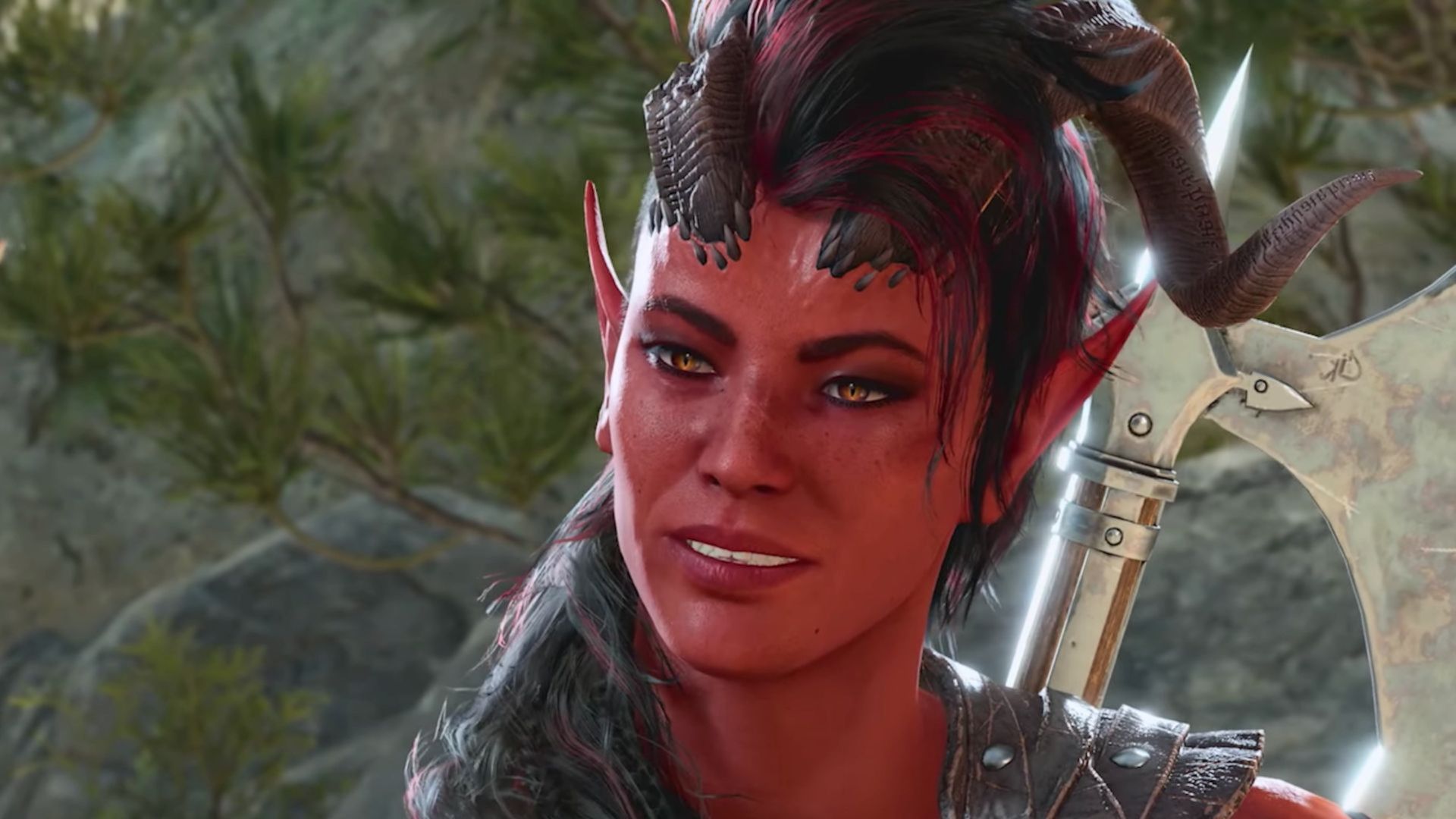
The transaction has prompted widespread unease across the industry. The buyout is notable in scale and implication, and it casts uncertainty over EA’s studios and marquee franchises — including BioWare, The Sims, Apex Legends, and Battlefield. Analysts disagree about the likely outcome, but many expect immediate cost-cutting, portfolio pruning, and a renewed focus on EA’s most profitable properties.
Freedom at a price
Some financial commentators — including analysts at Freedom Capital Markets — argue the buyout could liberate EA from quarterly investor pressures and allow studios to pursue riskier, more imaginative projects. Others are more skeptical.
“The $20 billion in debt looming over this transaction flies in the face of this advantage,” Rhys Elliott, head of market analytics at Alinea, observed on LinkedIn, referring to the portion of the purchase that EA would ultimately be responsible for financing.
That “B-rated” debt classification matters: a single-B rating signals high risk and is commonly labelled junk debt — loans extended to issuers with a weaker capacity to meet obligations. That is true even though EA generates strong cash flow (Elliott estimates roughly $2 billion) and remains one of the dominant publishers in many markets. Analyst firm Newzoo places EA at the top across 37 markets, and Circana senior director Mat Piscatella described the position EA has been put in as “unsettling.”
David Cole, president of DFC Intelligence, warns of the typical pattern after leveraged buyouts: short-term austerity. “Historically, leveraged buyouts are followed by cost reductions and the divestiture of non-core assets,” he told Polygon. While being private can eventually enable investment in riskier creative work, Cole says the immediate focus is likely to be maximizing revenue from essential franchises and preparing secondary properties for sale.
EA Sports
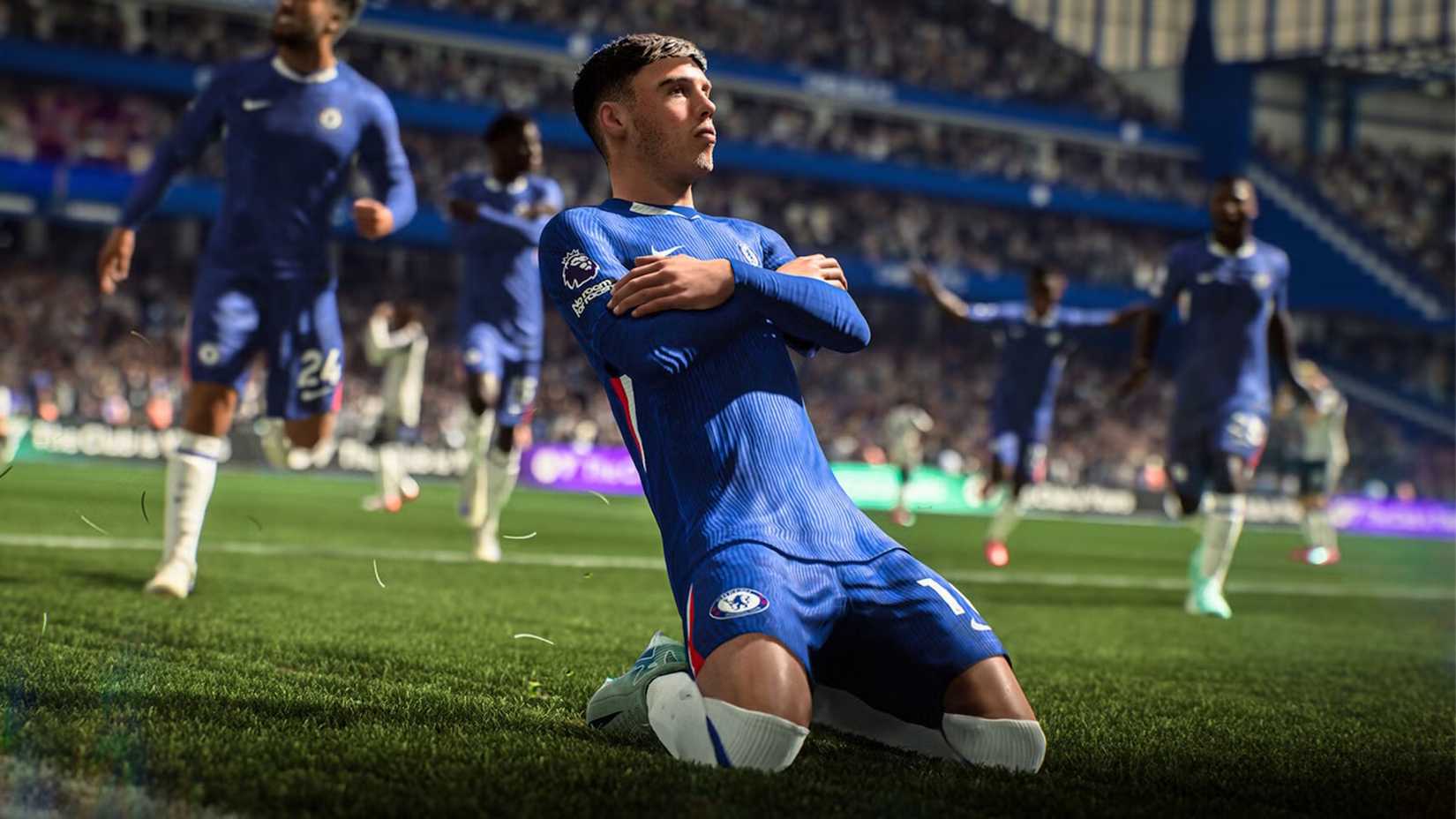
Franchises such as Madden NFL and EA FC (formerly FIFA) are unlikely to be endangered; they are cornerstone cash generators. Still, Cole expects EA to look for ways to extend and monetize those properties more aggressively.
That strategy carries risks. Freedom Capital Markets, while generally bullish on the acquisition, noted EA’s heavy dependence on annual sports releases and microtransactions — a model that can produce strong returns but is vulnerable when engagement dips, as EA’s preliminary January 2025 financial update illustrated. With roughly $20 billion in new debt, the company will be under greater pressure to extract revenue from proven franchises rather than subsidize experimental ventures.
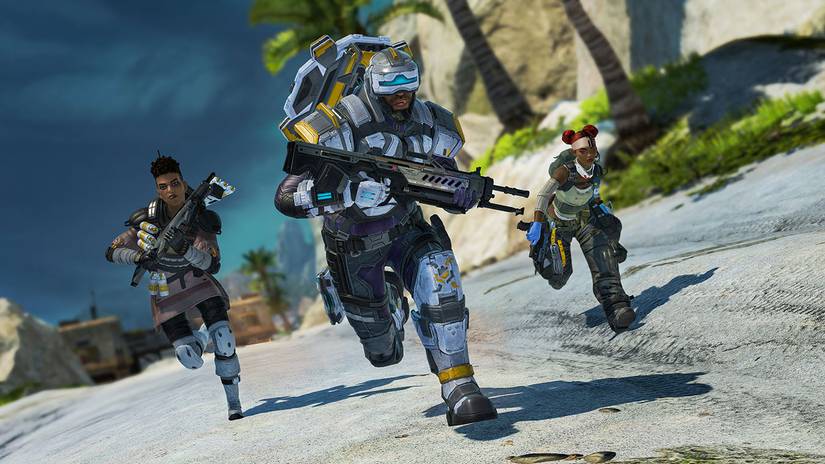
Attempts at heavier monetization have produced mixed results: EA’s 2024 changes to Apex Legends coincided with declines in player counts and forecasted revenue, despite some reversals of those changes. Newzoo ranked Respawn’s live-service title among EA’s top-earning products between August 2024 and August 2025, but in a crowded live-service market its future may appear less certain under an austerity-driven ownership. Cole, however, thinks live-service multiplayer remains exactly the kind of high-reward area EA may prioritize for selective creative investment.
Apex and Battlefield

Apex Legends has been a major revenue driver: EA reported the series generated more than $2 billion since its 2019 debut. After downward revenue guidance in 2024, EA said it would pursue “systematic changes” to keep Apex competitive. Still, Cole suggests the right acquisition offer could prompt EA to sell Respawn or the Apex IP outright, regardless of its historic earnings.
The fate of DICE appears tied to Battlefield 6. Some see BF6 as EA’s attempt to diversify beyond sports, reaching players who haven’t engaged with EA’s core releases. Cole says EA’s calculus will include whether Battlefield can credibly compete with Call of Duty; if EA’s leadership loses confidence in Battlefield’s long-term prospects, DICE could be a candidate for sale.
Analysts expect select divestments rather than blanket closures: smaller studios such as Criterion are more likely to be sold than shuttered, while support teams like Motive might be packaged with related studios. Those transactions are commonly preceded by layoffs and spending cuts. Elliott anticipates significant headcount reductions outside EA Sports, particularly among teams not focused on live-service titles, and warns of talent departures driven by concerns about EA’s new owners and their political connections.
The Sims and BioWare
Community members around The Sims have voiced apprehension about the change in ownership. Cole expects EA to keep The Sims brand intact unless an exceptional offer arrives; smaller Maxis properties such as SimCity or Spore are more likely candidates for sale. Economically, drastic shifts to The Sims 4 seem unlikely: between August 2024 and August 2025, The Sims 4 ranked among EA’s top-performing titles, and EA reported in 2023 that the game had surpassed 70 million players after converting to a free-to-play model.
There are also representation and inclusion considerations: Maxis’ internal research and public statements have highlighted a substantial LGBTQ+ player base for The Sims. EA’s CEO Andrew Wilson has maintained that the acquisition won’t alter the company’s values, but some employees and observers worry that inclusivity and politically sensitive content could receive less emphasis under the new ownership.
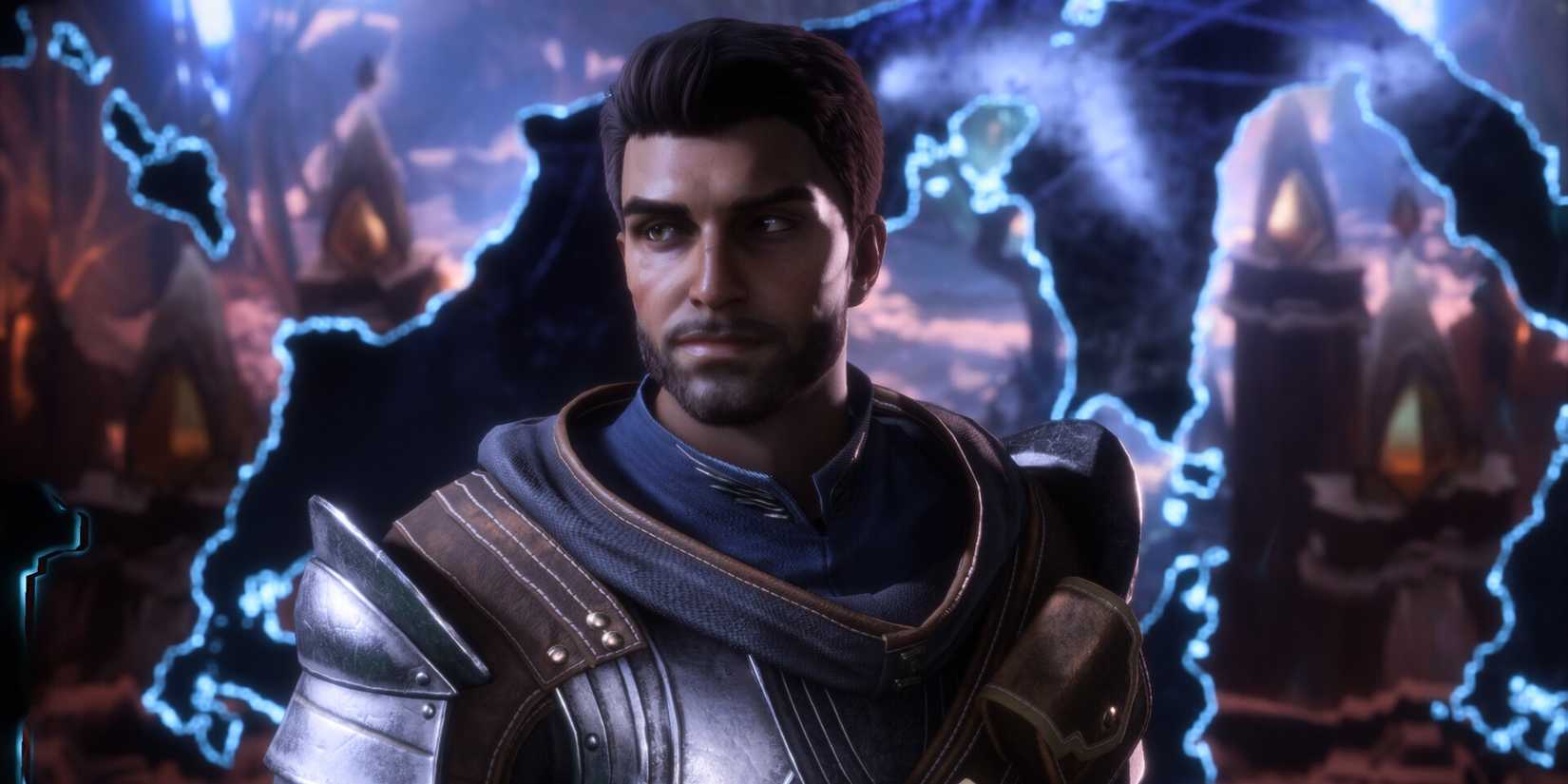
Most analysts agree BioWare is vulnerable to divestiture. After a difficult development cycle and performance below internal expectations for Dragon Age: The Veilguard, BioWare is frequently named as a prime candidate to be spun off — either piecemeal with individual IPs sold separately or as an entire studio package.
Regulators and shareholders aside, the acquisition is expected to close in the first quarter of EA’s fiscal 2027 year (the period that begins April 1, 2026). Firms may begin restructuring well before the formal close, and observers anticipate layoffs, cost reductions, and asset sales extending into 2028 as the new owners work to service debt and streamline the business.
Source: Polygon