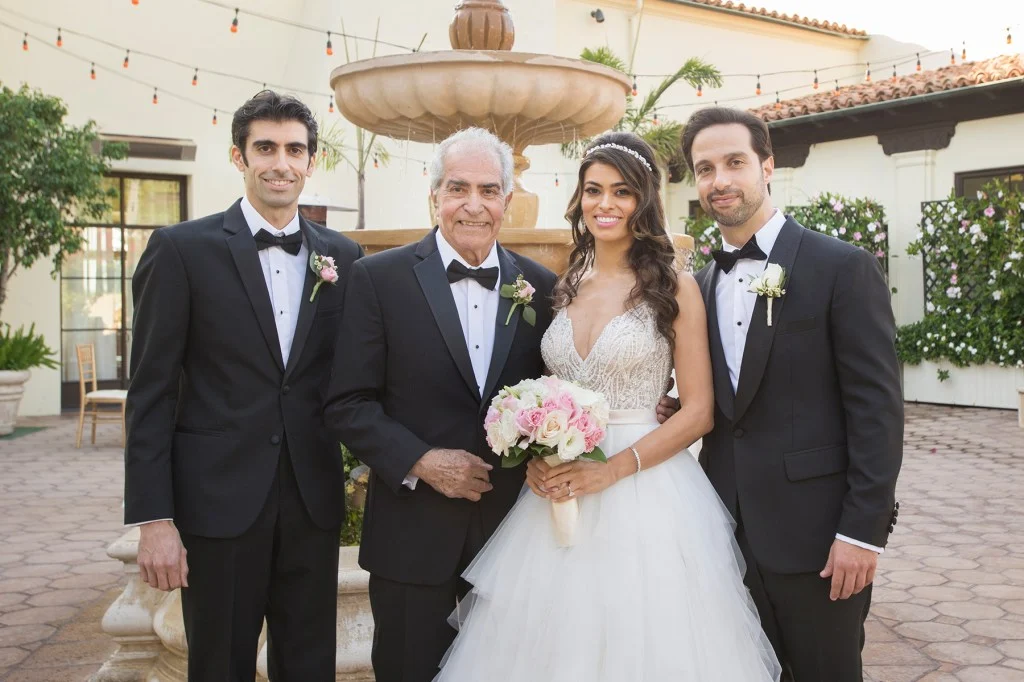
Hooshmand Aghili, Iranian Singer of “Farda To Miayee,” Dies at 88 — A Remembrance
Hooshmand Aghili, Cherished Voice of a Generation, Dies at 88
Hooshmand Aghili — Sept. 4, 2025

Hooshmand Aghili passed away on Sept. 4, 2025, at the age of 88. Surrounded by family, he left behind a lifetime of songs that became the soundtrack of so many Persian homes.
Born in Isfahan in 1937 — a city famed for its poets and turquoise tiles — Aghili’s musical path began early. As a young man he studied under the esteemed Taj Esfahani and soon found a regular place on Radio Isfahan, where listeners would pause to hear his voice.
Relocating to Tehran to continue his training, he emerged onto national stages and, when Iranian National Television launched, sang with the National Orchestra. Collaborating with leading composers and instrumentalists honed his classical phrasing and widened his artistic reach.
For generations of Persian families, one song in particular opens a flood of memory: “Farda To Miayee.” Its opening notes still transform living rooms into dance floors and gather relatives into impromptu choirs. Alongside that enduring anthem, recordings such as “Cheraghe Khooneh,” “Darya,” and “Ghesehgoo” traveled across oceans — pressed onto vinyl and cassette, later living on playlists that span decades.
In 1977, Aghili emigrated to the United States and built a life while keeping his homeland close in song. For the Iranian diaspora his voice became a bridge: a brief melody could place you back in a grandparent’s kitchen or carry you down Valiasr Street at night.
Beyond the stage he was warm, witty and generous. He loved to tell stories and recite poetry, and he could light up any room with an effortless charm. A devoted father, he handled school runs, taught bike riding and created countless ordinary moments that felt like gifts. His grandson, who carries Hoosh as his middle name, will carry a quiet piece of that legacy forward. After the death of his beloved wife Farideh in 2007, he did not remarry; much of his deepest expression came from the life he lived away from the spotlight.
Aghili showed how classical technique and popular sentiment could coexist without compromise. He proved a song can be both refined and accessible, rooted in tradition while welcoming new listeners. Decade after decade he offered listeners anthems for celebrations and comfort for solitary nights — a reminder of home and belonging.
To everyone who danced a wedding to “Farda To Miayee,” who kept “Cheraghe Khooneh” on repeat during a long drive, or who dreamed of the sea while listening to “Darya”: thank you for keeping his voice alive in your homes and hearts. We will continue to sing with you.
With love and gratitude,
Mae & Mike
Related articles
 Trinidadian Calypso Legend Mighty Sparrow Dies at 91
 Benny Blanco and Selena Gomez Celebrate Wedding Anniversary With Year-Old Cake Despite Martin Short’s Taste Test
 Musicians Reflect on Impact of Stevie Wonder Album Songs In the Key of Life Ahead of Its 50th Anniversary
 John Mayer to Headline Six-Night Residency at the Las Vegas Sphere Titled Meet Me Where the Light Is
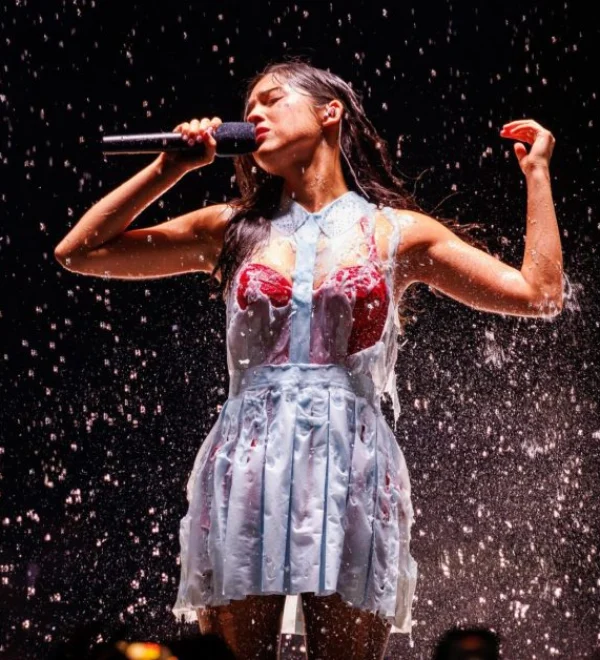 How Olivia Rodrigo Pulled Off Her Dissolving Unraveled Tour Dress, According to the Designer
 Lana Del Rey Celebrates Second Wedding Anniversary With Jeremy Dufrene
 Producer Todd Rundgren Criticizes Taylor Swift as the Apotheosis of Mediocrity
 Rihanna shares new photos and videos of daughter Rocki after first birthday