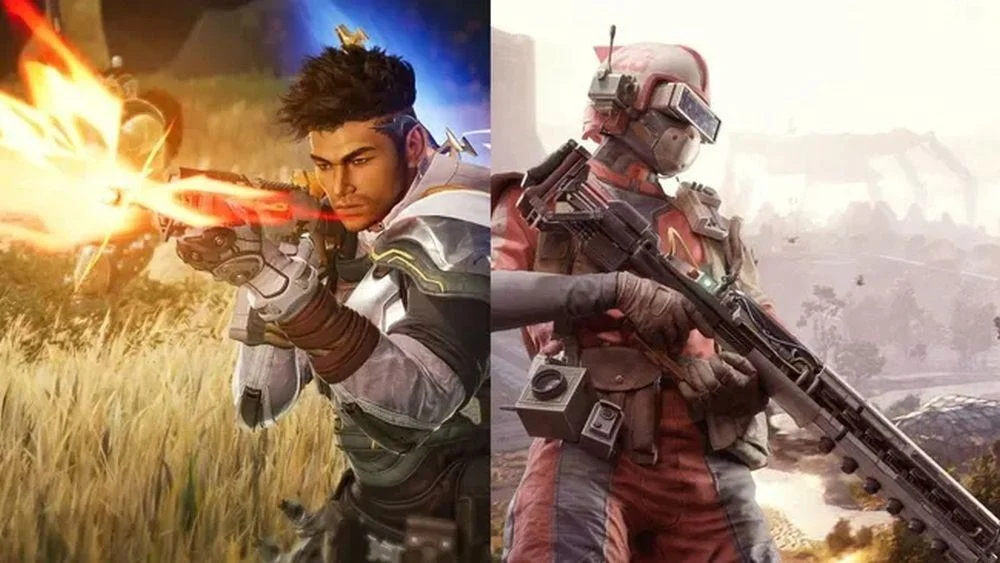
Highguard Failed Because It Didn’t Follow the ARC Raiders Approach: A Brutal Lesson the Gaming Industry Still Hasn’t Learned
Highguard ultimately proved to be a fleeting dream. While Wildlight Entertainment possessed a clear vision, the studio delivered a product that failed to find an audience for one simple reason: they never bothered to gauge whether players actually wanted it.
The contrast with ARC Raiders is particularly revealing. Embark Studios navigated years of rigorous closed and open testing, allowing the project to evolve significantly. Through constant community engagement and iterative development, they crafted an experience that keeps players coming back.
Highguard bypassed these essential stages entirely. An announcement just weeks before its debut at The Game Awards, coupled with a complete lack of public trials, immediately earned the game the “Concord 2.0” label—a harsh assessment, yet one that felt largely justified.
The examples of Bungie and Marathon demonstrate that early criticism can be a vital asset; the studio listened to player feedback and refined the project accordingly. The lesson is undeniable: launching a multiplayer title in 2026 without establishing a dialogue with the community is a near-certain path to failure, layoffs, and eventual studio closure.
Source: iXBT.games
Related articles
 Resonance: A Plague Tale Legacy Fell Short of Publisher’s Expectations
 Sony Pulls Its Last UHD Blu-ray Player From Sale in Japan
 Players Launch Petition Hoping to Save Mass Effect 5
 Assassin’s Creed Black Flag Resynced Developers Confirm New Mode
 Best Visions to Use in Final Fantasy Resonance
 Activision’s Polish Studio Reportedly Developing Open-World RPG to Rival GTA VI and Cyberpunk 2077
 The 25 Best Switch 2 Games
 Amazon’s Mass Effect TV Series Reportedly Still in Production Despite BioWare Closure