HBO’s ‘It’ Prequel Channels the Magic of ‘Stranger Things’ Season 1

During the mid-2010s, a collective fascination with the 1980s swept through popular culture. This nostalgic renaissance was spearheaded by Stranger Things, which debuted on Netflix in 2016 and rapidly evolved into a global phenomenon. Shortly thereafter, the cinematic adaptation of It arrived, delivering a quintessential coming-of-age narrative in the spirit of E.T. the Extra-Terrestrial and Stand By Me. The film was a box-office juggernaut, grossing nearly $720 million against a modest $40 million budget. This success was fueled by an impeccable ensemble cast, visceral scares, and a profound sense of yearning for an era defined by bicycle adventures and the freedom of exploring until sunset.
In the years that followed, Stranger Things became the cornerstone of Netflix’s original programming, expanding into multiple seasons and even a theatrical production on Broadway. While it remains a flagship title, it has occasionally struggled to replicate the lightning-in-a-bottle charm of its debut. Conversely, It: Chapter Two moved the timeline forward to 2016, a creative choice that met with critical indifference and a significant dip in ticket sales. By the decade’s end, it appeared the public’s appetite for this specific brand of nostalgia had been satiated. However, a new prequel series—heavily influenced by the atmospheric DNA of both properties—has managed to reignite that original spark.
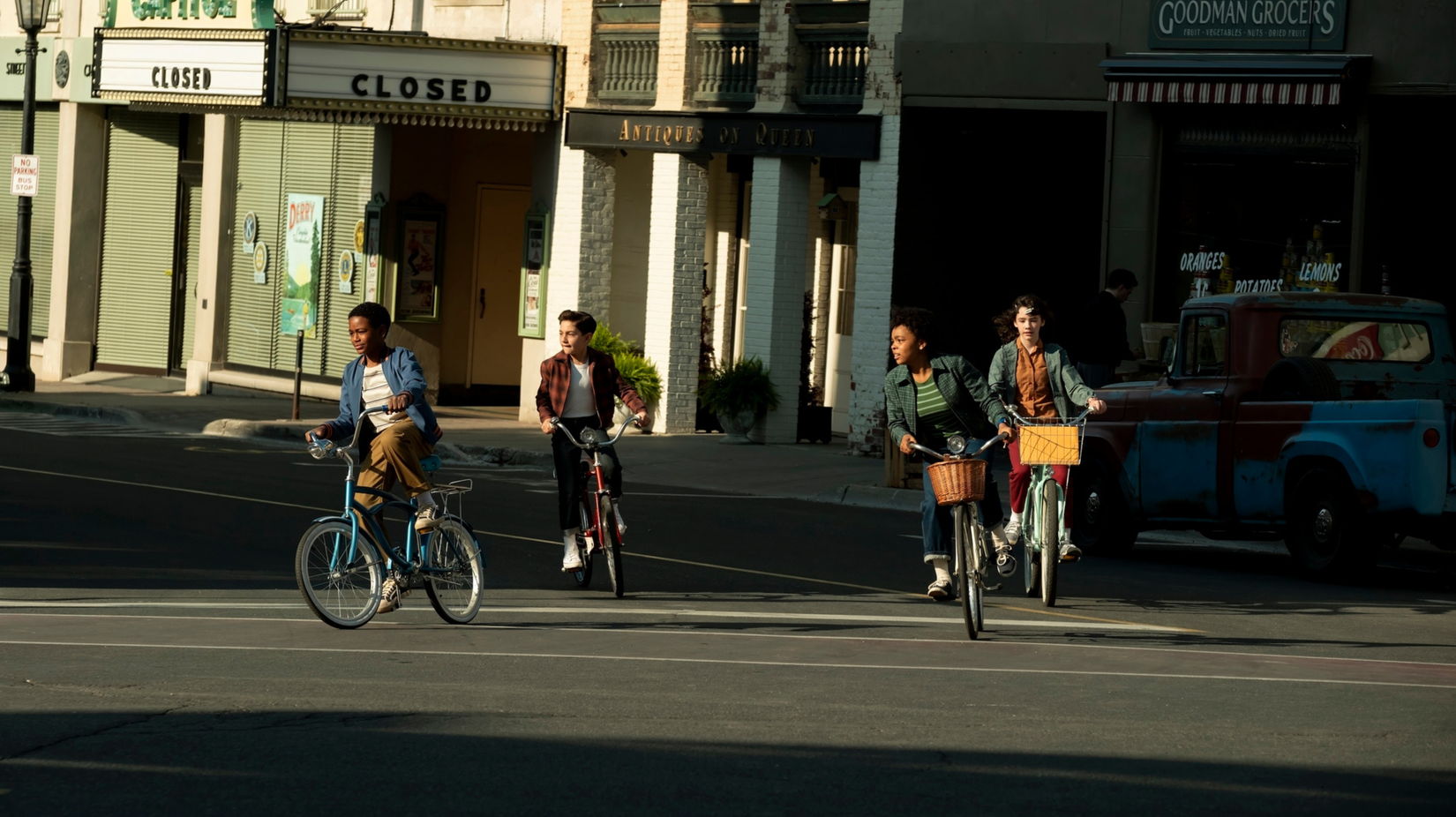 Image: Brooke Palmer/HBO
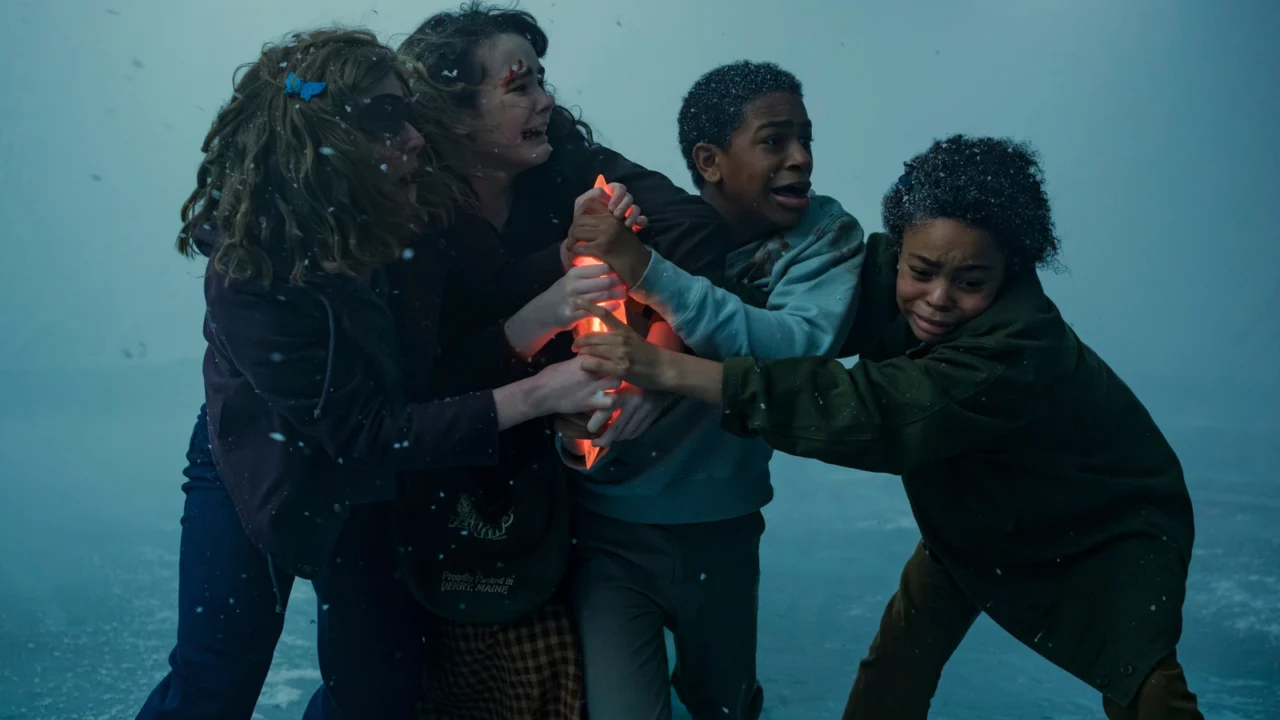
It: Welcome to Derry Season 1 skillfully synthesizes the elements that defined the film franchise: the unsettling mythology of the town, the visceral dread associated with Pennywise, and the tragic ways the entity corrupts the citizenry. Crucially, the show introduces a new “Losers’ Club,” establishing a cast of young characters whose fates feel just as urgent and poignant as their predecessors. In many ways, Welcome to Derry serves as a spiritual companion to Stranger Things, utilizing its 1960s setting—nearly three decades before the events of the first film—to deliver a fresh yet hauntingly familiar horror story.
These narratives share a common core: the resilience of marginalized children facing eldritch horrors. By banding together, these outcasts confront their deepest traumas in a world where parental protection is often absent or insufficient. It is this specific bravery—the willingness of the young to stand against overwhelming odds—that elevates Stranger Things and Welcome to Derry beyond mere genre exercises into compelling coming-of-age dramas.
 Photo: Brooke Palmer/HBO
The inherent challenge of the coming-of-age format is the inevitability of maturation. In Stranger Things, the cast has visibly outgrown the “kids on bikes” aesthetic; as Season 5 approaches, the protagonists are young adults on the cusp of university, which fundamentally alters the show’s dynamic. Similarly, It: Chapter Two lost some of its emotional potency by leaping forward 27 years to follow the adult versions of the characters.
Welcome to Derry ingeniously avoids this narrative trap. Rather than following its cast into adulthood, Season 2 is expected to retreat even further into the past. By exploring a different era of the town’s cursed history, the series can maintain its focus on the vulnerability of youth and the origins of Pennywise without the burden of a linear timeline.
While this approach means we may move on from the Season 1 ensemble, it preserves the purity of their story. We are spared the sight of them becoming world-weary adults, allowing the series to remain a perennial exploration of childhood terror and courage.
It: Welcome to Derry Season 1 is now available for streaming on HBO Max.
Source: Polygon
Related articles
 Until Dawn 2 Horror Game to Receive Physical Edition
 Tim Schafer Says Xbox Does Not Need Studios That Make Niche Games for Game Pass
 PlayStation Store Launches Gamescom Sale With Discounts Up to 75 Percent
 Riot Games and Hypixel Studios to Fund Technoblade Documentary
 Sony Adapts Pixel Adventure Game The Drifter Into Film
 Netflix Sets Avatar: The Last Airbender Season 3 for 2027 Release and Reveals Fire Lord Ozai
 FX Releases First Behind-the-Scenes Video for Season 2 of Alien: Earth
 Blade Runner 2049 Becomes HBO Max Streaming Hit