
Go Retro or Go Home: The Case for Authentic Design
Growing up in the 90s, it is perhaps inevitable that I harbor a profound reverence for the 16-bit era of side-scrollers. Even now, I find myself diving into the Super NES library on Nintendo Switch Online, seeking out the specific textures, chiptune harmonies, and distinctive atmosphere that defined gaming’s golden age. This nostalgia isn’t just mine; it’s a driving force in the industry today. Retro aesthetics are ubiquitous, with indie developers and massive AAA franchises alike looking toward the past to find a new path forward.
While I generally welcome this resurgence, it has birthed a specific frustration: the “retro-lite” trend. If a developer intends to speak the visual language of the 90s, they need to offer something deeper than just a handful of nostalgic pixels. Using the aesthetic as a gimmick without understanding the underlying design philosophy feels hollow.
This grievance has recently come to a head thanks to two high-profile releases. The first is God of War: Sons of Sparta. When it was unveiled during a PlayStation State of Play, the 2D Metroidvania approach looked like a masterstroke. The debut trailer promised a reimagined Kratos, trading 3D cinematic spectacle for pixelated carnage. At first glance, it appeared to be a brutal homage to Golden Axe, filled with skeletal warriors waiting to be cleaved in two.
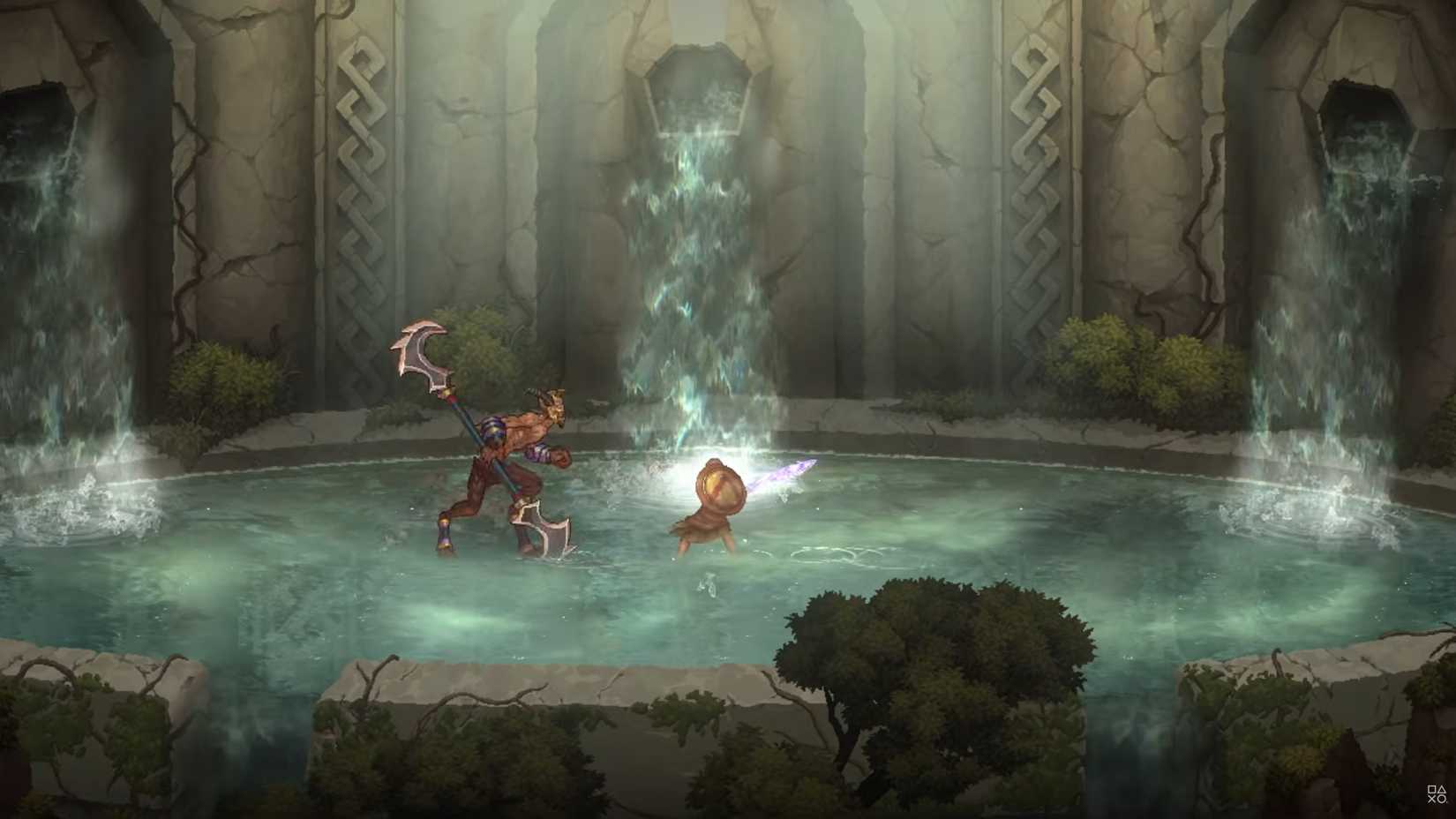
However, the comparison was merely superficial. Sons of Sparta uses nostalgia as a wrapper, but the core experience remains tethered to modern AAA sensibilities. It is saturated with sweeping orchestral scores, professional voice acting, and the same dense RPG systems found in God of War Ragnarök. While it’s a competent action-adventure title, the presentation feels contradictory—like an Instagram filter applied to a game that has no genuine interest in the era it mimics.
I encountered a similar dissonance this week with Legacy of Kain: Ascendance. Developed by Bit Bot Media, this revival leans even harder into the retro bit-rate with chunky, detailed pixel art. Unlike Sons of Sparta, Ascendance actually attempts to mimic the gameplay of a classic side-scroller, feeling more akin to Castlevania: Bloodlines than its 3D predecessors. Players navigate vampiric protagonists through straightforward levels, dispatching foes with simple strikes. It adds minor modern flourishes like parrying and finishers, but the fundamental loop is classic “walk right and slash.”
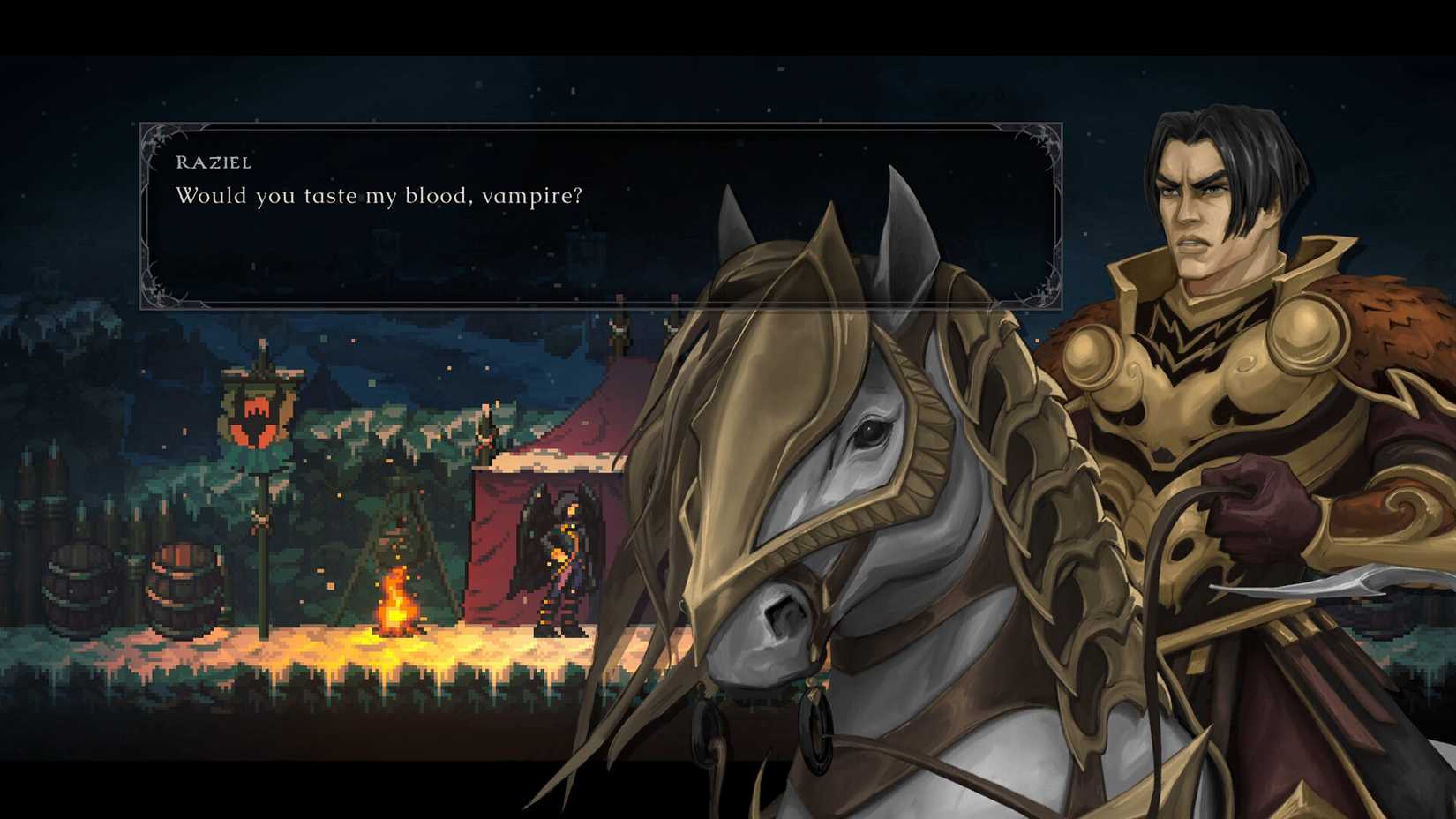
Yet, Ascendance also suffers from a lack of commitment. The gameplay might be retro, but it is bogged down by a booming cinematic score and long-winded, fully voiced dialogue sequences. The result is a fractured experience. The simplistic, throwback action feels thin and unpolished when juxtaposed with such heavy-handed production and dense, inscrutable lore. The parts simply do not form a cohesive whole.
The failure of both titles lies in treating “retro” as a visual style rather than a comprehensive design ethos. The masterpieces of the SNES era are memorable because their soundscapes, controls, and narrative methods were built in harmony with their technical limitations. There is a specific art to evoking dread through synthesized notes or telling a story through concise sprites and frames. Ascendance spends thousands of words saying less than Super Metroid does with a single, well-timed animation.
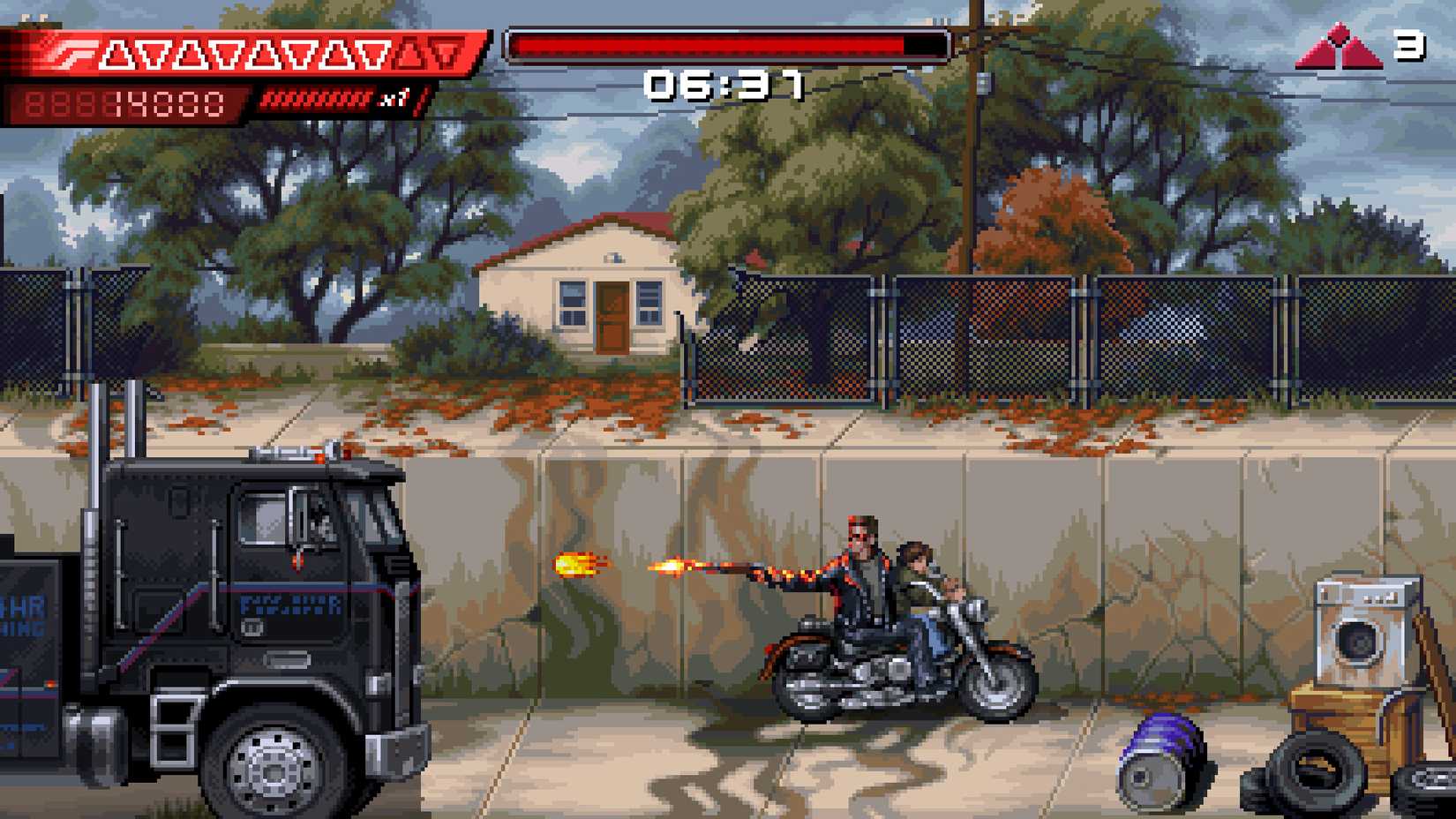
Thankfully, some developers still understand the assignment. Last year’s Terminator 2D: No Fate is a masterclass in transportive design. By utilizing beautifully illustrated cutscenes and a pulse-pounding synth soundtrack, it feels like a genuine relic unearthed from 1994. Tribute Games has similarly mastered this craft, with Marvel Cosmic Invasion and Scott Pilgrim EX perfectly capturing the frantic energy of a smoke-filled arcade. In contrast, Sons of Sparta and Ascendance feel lost in time—neither truly modern nor authentically retro.
Subscribe for more deep dives into retro game design
Get sharp analyses on the craft of modern homages, curated game picks, and breakdowns of what makes a pixel-art masterpiece truly authentic. Stay updated on the evolution of the classics.
This isn’t to say that the genre shouldn’t evolve. Absolum recently proved that you can successfully blend the beat-em-up structure with modern roguelike elements to create something innovative. True progress happens when developers respect their influences enough to build upon them, rather than just copying the surface details. Right now, Ascendance feels like a Halloween partygoer who threw on a cheap cape at the last minute. If you’re going to dress as a vampire, you need to remember the fangs.
Source: Polygon
Related articles
 Nintendo Details Switch 2 Battery Replacement Process
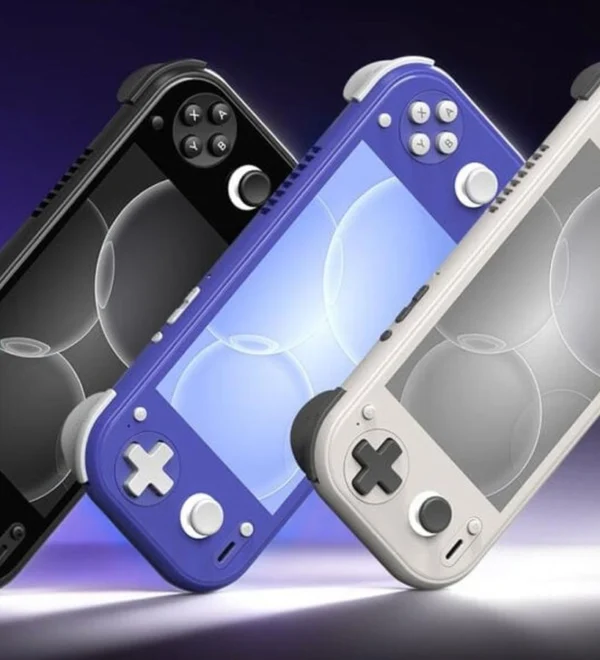 US Gaming Industry Demands Action Against Piracy Amid Threat to Cheap Retro Consoles
 Nvidia Plans to Double DLSS 5 Speed and Add New Game Support
 Jinx It announced for Steam with dice customisation and hand-drawn opponents
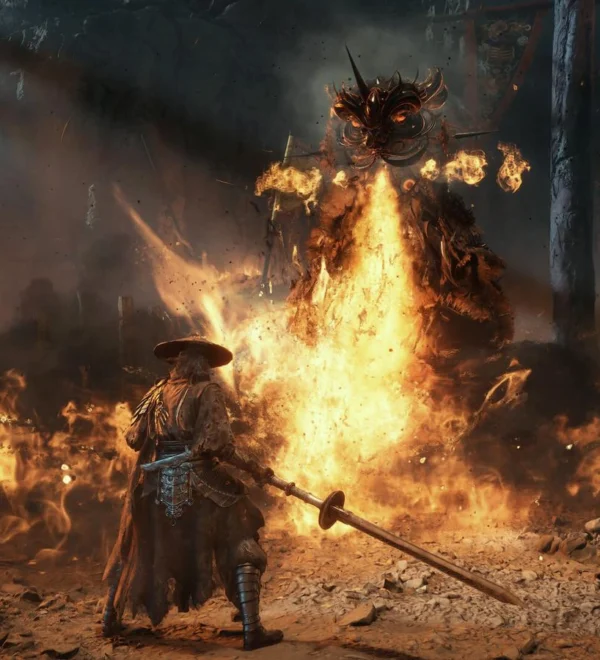 Phantom Blade Zero Developers Show Boss Fight and Deluxe Edition Costume
 Reporter Claims to Have Seen GTA VI Ahead of Jason Schreier’s Major Article
 Sony Lawyers Target Hacked PS5 Consoles as Unofficial Game Store Shuts Down
 Looking Back at Buffy the Vampire Slayer Season 3 Episode 3