
GeoGuessr for Video Games: The Free Browser-Based Map Challenge
Are you intimately familiar with every corner of the Sword Coast? You can now put your expertise to the test with Game World Guesser, a free browser-based experience that reimagines the GeoGuesser formula for iconic video game landscapes.
For those unfamiliar with the inspiration, GeoGuesser drops players into a random Google Street View location, challenging them to deduce their global coordinates using environmental clues like architecture, foliage, or street signs. The closer your pin is to the actual location, the higher your score.
Game World Guesser—a recently overhauled version of a project that first appeared two years ago—operates on the same principle but swaps real-world streets for virtual vistas. Players are presented with a series of in-game screenshots and must identify both the specific map and the exact location within it. You are granted three attempts to narrow down the coordinates, with the game providing feedback on your proximity after each guess. Successfully identifying the spot within three tries secures a pass.

Having just debuted this month, the platform currently offers a curated selection of challenges, including Rocket League arenas, Valorant maps, and the expansive world of Baldur’s Gate 3. The latter provides the most rigorous test; navigating Larian Studios’ massive RPG requires a keen memory of its diverse biomes. Pinpointing a specific cluster of giant mushrooms or a particular ruin among the sprawling Acts is no small feat.
While the official rotation is still growing, the platform thrives on community involvement. Players can request new Steam titles or design their own challenge sets using existing assets. Beyond the core titles, tools are already available to create map packs for Old School RuneScape, Counter-Strike 2, and Mario Kart 8 Deluxe.
The project is currently in its early stages of development. However, the team at Hallway Digital has already published a roadmap for the coming months, which includes features such as social sharing, achievement systems, and ad-free subscription tiers.
Source: Polygon
Related articles
 AISLPC Opens Preorders for Pocket AIS Retro Gaming Handheld
 The Witcher 4 Will Release in a Physical Edition, but with a Catch
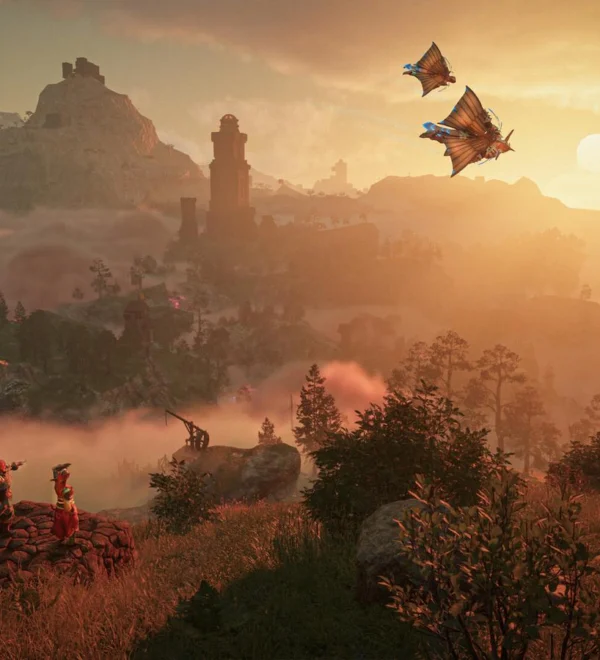 Survival Game Enshrouded Exits Early Access With Version 1.0 Release
 Steam to Add New Trophy System to Address Old Achievement Issue
 Steven Spielberg and Stanley Kubrick Sci-Fi Film A.I. Coming to Peacock
 PlayStation Casts Doubt on 60 FPS Support for GTA VI
 Avatar: Seven Havens Episode 6 Ending Explained
 Call of Duty Report Points to Modern Warfare 4 as Epic Finale Amid Major Franchise Overhaul