
Fifty Years Later, the Scorsese-De Niro Noir Classic Transcends Its Own Cinematic Legacy

In 1976, the cinematic landscape was dominated by *Rocky*, the definitive underdog story that balanced grit with mainstream appeal. However, another seminal character study emerged that same year, born from the personal isolation of screenwriter Paul Schrader. As Martin Scorsese’s *Taxi Driver* approaches its 50th anniversary on February 8, it remains a haunting antithesis to the traditional American success story—a psychological descent into darkness that reimagines the “lone hero” as a figure of horror.
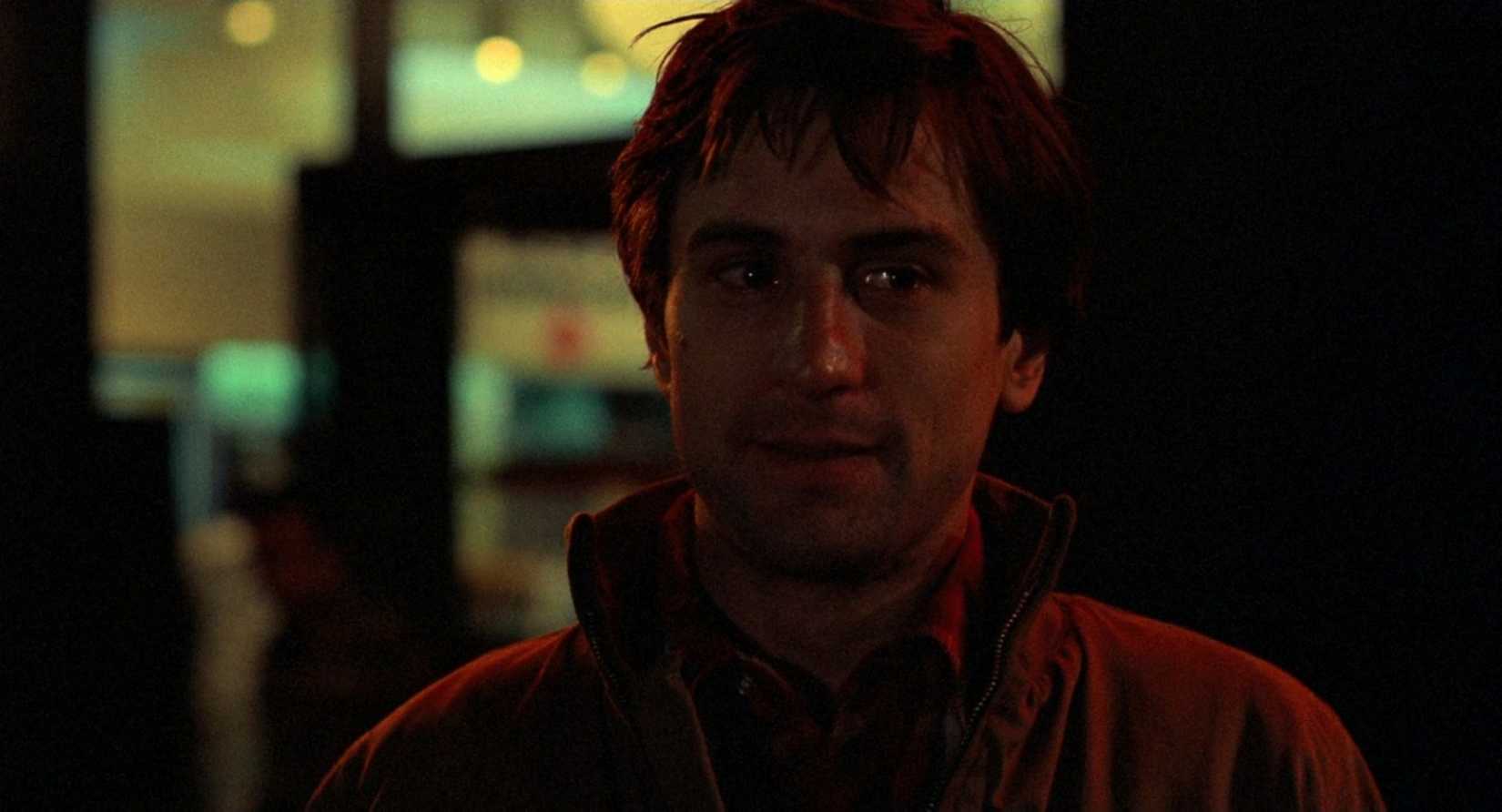
While *Rocky* suggests that its protagonist’s inherent goodness would eventually lead him away from a life of debt-collecting, Travis Bickle (Robert De Niro) offers no such clarity. It is never quite certain if his nocturnal occupation as a cabbie provides a shield against his darker impulses or serves as the very catalyst for his radicalization. Bickle is a phantom in his own life; a Vietnam veteran struggling with chronic insomnia and a profound sense of alienation, he treats the streets of New York City as a moral wasteland that he is destined to purify.
Credit: Columbia Pictures
The New York of *Taxi Driver* feels like a fever dream, and perhaps it always was. Filmed during a punishing 1975 heatwave just as the city teetered on the edge of bankruptcy, the production captured a very real sense of urban decay. Yet, Scorsese and cinematographer Michael Chapman elevated this grit into something expressionistic. Through their lens, the city is a shadowy labyrinth defined by aggressive neon and deep ink-blot blacks rather than architectural grandeur. The opening frame—a yellow cab emerging from a plume of street steam like a prehistoric beast—sets the tone for a world that is perpetually out of focus and hostile to the eye.
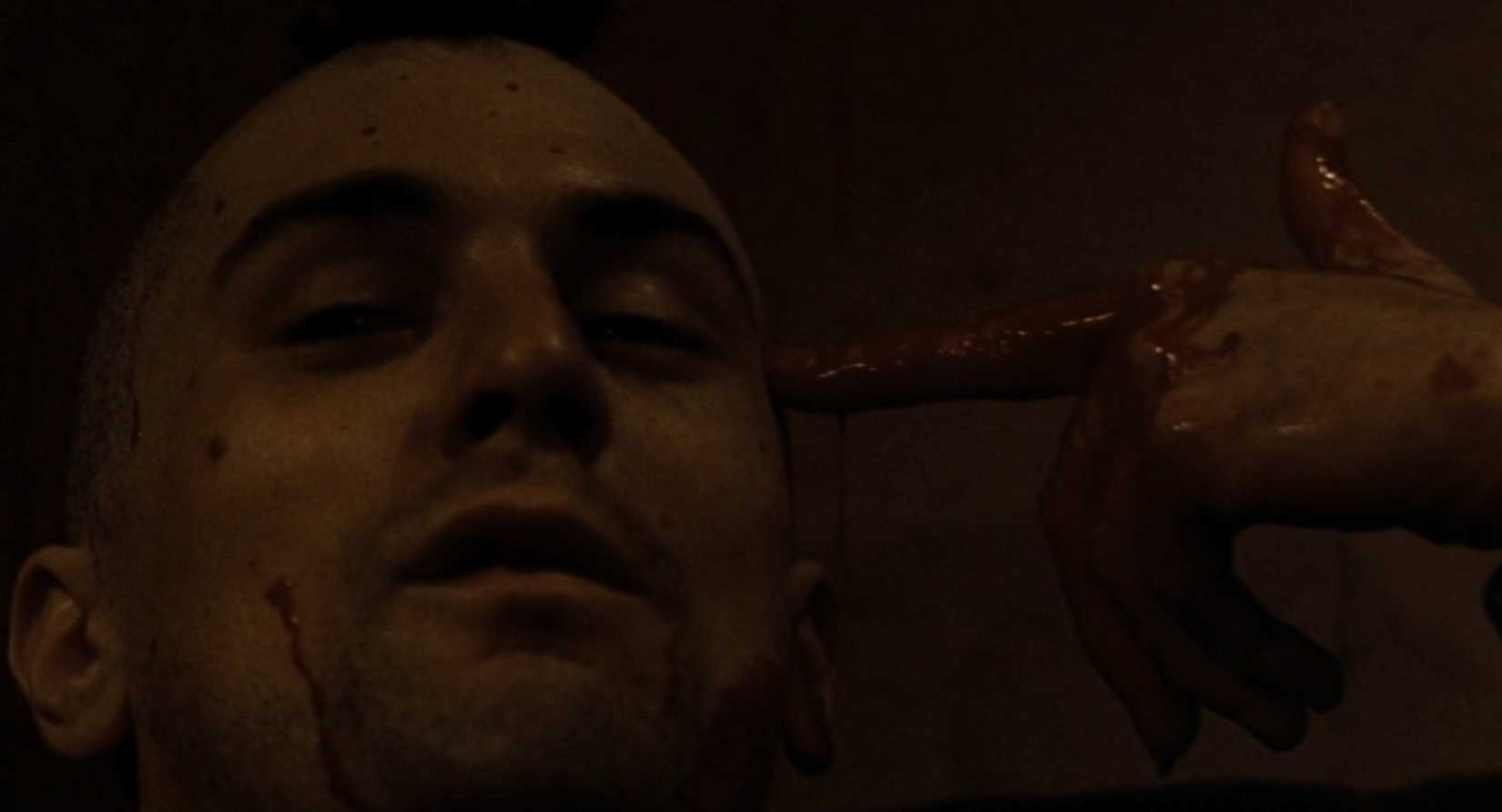
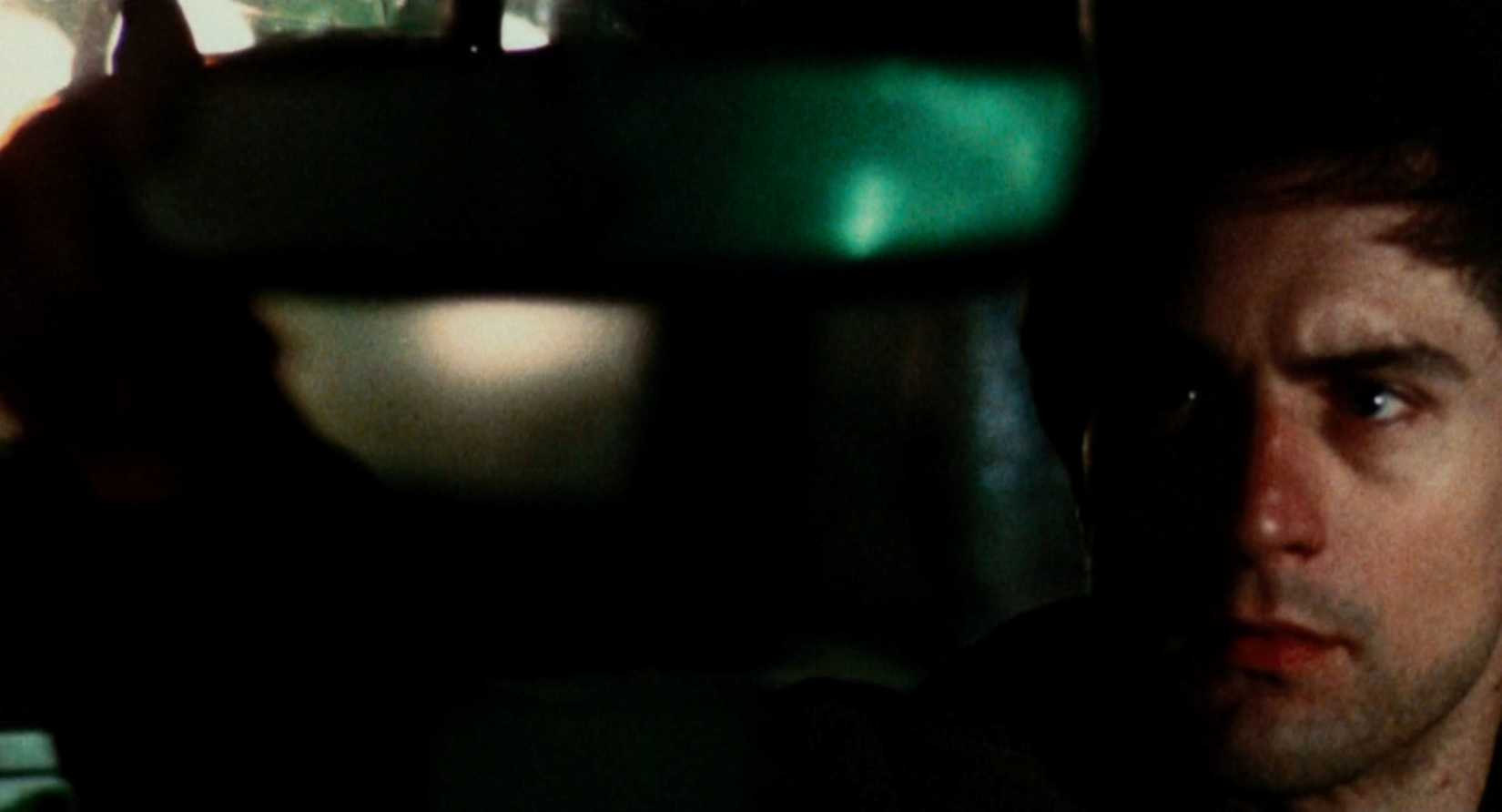
Bickle’s perspective is one of voyeuristic detachment. From the safety of his taxi, he observes the world in distorted fragments, a visual style that culminates in the infamous final bloodbath. To avoid a restrictive X rating, Scorsese famously desaturated the colors of the shootout, inadvertently making the sequence feel even more macabre and otherworldly. This heightened reality is what makes the film so enduring; it doesn’t just show a city in decline, it illustrates the terrifying internal landscape of a man who sees “scum” everywhere he looks.
Credit: Columbia Pictures
Five decades later, Travis Bickle’s incoherent worldview feels strikingly modern. His political leanings are a chaotic mess of projection and misdirected rage. He becomes obsessed with a presidential candidate solely to impress a campaign worker (Cybill Shepherd), only to later pivot to an assassination plot against that same man without ever understanding a single one of his policies. He is a walking contradiction: a man who complains about the depravity of the streets while spending his free time in adult theaters, and a veteran who seeks a righteous cause but possesses no moral compass beyond his own volatile impulses.
While the film’s real-world influence—notably on the obsessive motivations of John Hinckley—disturbed Scorsese, it also speaks to the movie’s profound understanding of social isolation. De Niro’s performance avoids the trap of caricature. Unlike modern “prestige” roles that rely on physical contortions or overt theatricality, De Niro finds Bickle in the quiet, pathetic moments. Watch him attempt to flirt with a snack-counter clerk, his awkwardness manifesting in the frantic purchase of candy; he isn’t a master villain, but a desperately lonely man whose inability to connect with society makes him infinitely more dangerous.
Credit: Columbia Pictures
The cultural legacy of *Taxi Driver* is often reduced to the Mohawk and the “You talkin’ to me?” monologue—images stripped of their context to serve as edgy iconography. However, viewing the film purely as a “tough guy” manifesto ignores the inherent tragedy of its ending. Though the press hails Bickle as a hero for his violent intervention in the life of a young girl (Jodie Foster), the final shots suggest his psyche remains as fractured as ever. He is not “cured” or redeemed; he is simply back behind the wheel, a ticking time bomb still haunting the New York fog, waiting for the next spark to ignite.
Source: Polygon
Related articles
 Cyberpunk 2077 Hits Record 2.8 Million Mod Downloads in 24 Hours on mod.io After Update 2.5
 Nintendo Switch 2 Hacked, Emulator Built, and Files From FromSoftware’s The Duskbloods Under Analysis
 Scientists May Help Make Hideo Kojima’s 40-Year-Old Dream of Blood-Scented Physical Game Editions a Reality
 Phantom Blade Zero Is the Perfect Martial Arts Game, For Better or Worse
 Hacker Announces PlayStation 5 Kernel Exploit for Firmware 14.00 and 14.10
 PC Prices Rising Quickly and Sales Plunging as Market Faces Another Blow
 Players Urge CD Projekt RED to Buy Mass Effect and Dragon Age After BioWare Closure
 Netflix’s Live-Action Gundam Movie Starring Sydney Sweeney Reveals First Story Details