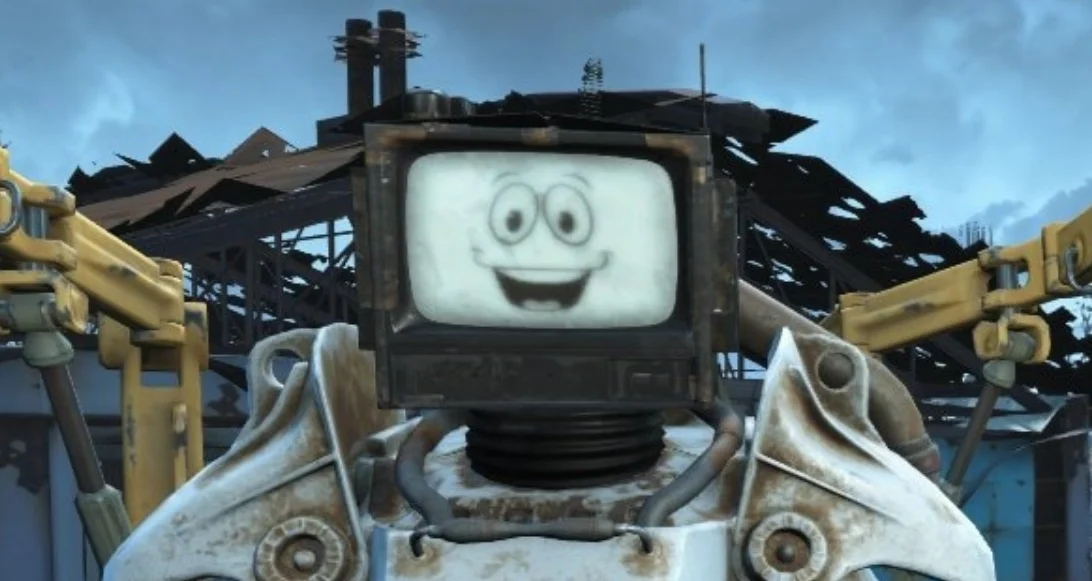
Fallout Creator Explains Why Game Prices Didn’t Keep Pace with Inflation for So Long
It appears the digitalization effect is starting to fade.
Recently, Tim Cain, one of the developers of the original Fallout, published a blog post exploring the “Physical vs Digital” debate. He laid out his view on the recent shifts in game pricing.
For a long time AAA titles were priced roughly the same — around $60 — but that has changed in recent years.
According to Tim, prices stayed stable for so long thanks to digital distribution. It reduced developers’ costs (no disc printing required), so in theory those savings could have been passed on to consumers.
But that didn’t happen: creators cut costs and increased profits, which kept prices from rising:
You know the savings from “digital”? Those were supposed to be passed on to consumers (lower prices) once everything went digital. But that didn’t happen. The argument I hear is that “development costs rose, so prices were balanced.” I don’t think they were balanced. It’s likely that digitalization is the very reason games resisted price growth — in other words, they didn’t rise with inflation.
Tim Cain shared a memory:
I’ve talked about this before. I bought games for $59 in the ’90s. By today’s standards that would be a very expensive title, and those were typical Super Nintendo games. Yet the savings from “digital” didn’t reach consumers (even though unit costs fell significantly with the advent of digital distribution).
Source: iXBT.games
Related articles
 Trailer Released for Second Season of Anime Anthology GROTESQQQUE
 Unusual Fighting Game Receives Positive Reviews and Free Release on Steam
 Kingdom Hearts Coming to Fortnite This Week
 Blizzard and CDPR Explain Why Diablo IV’s Geralt Skin Is for Barbarian
 Apex Legends Officially Crosses Over With Fall’s Most-Anticipated Action Movie
 Angela Balzac Returns in New Expelled From Paradise Sequel Teaser
 What time does Black Ops 7 Season 6 start in your time zone?
 Hype Surrounding Pokémon’s 30th Anniversary TCG Release Hits a Sad New Low