
Some contemporary developers would benefit from looking to their predecessors and learning to resist the urge to pile a game full of features.
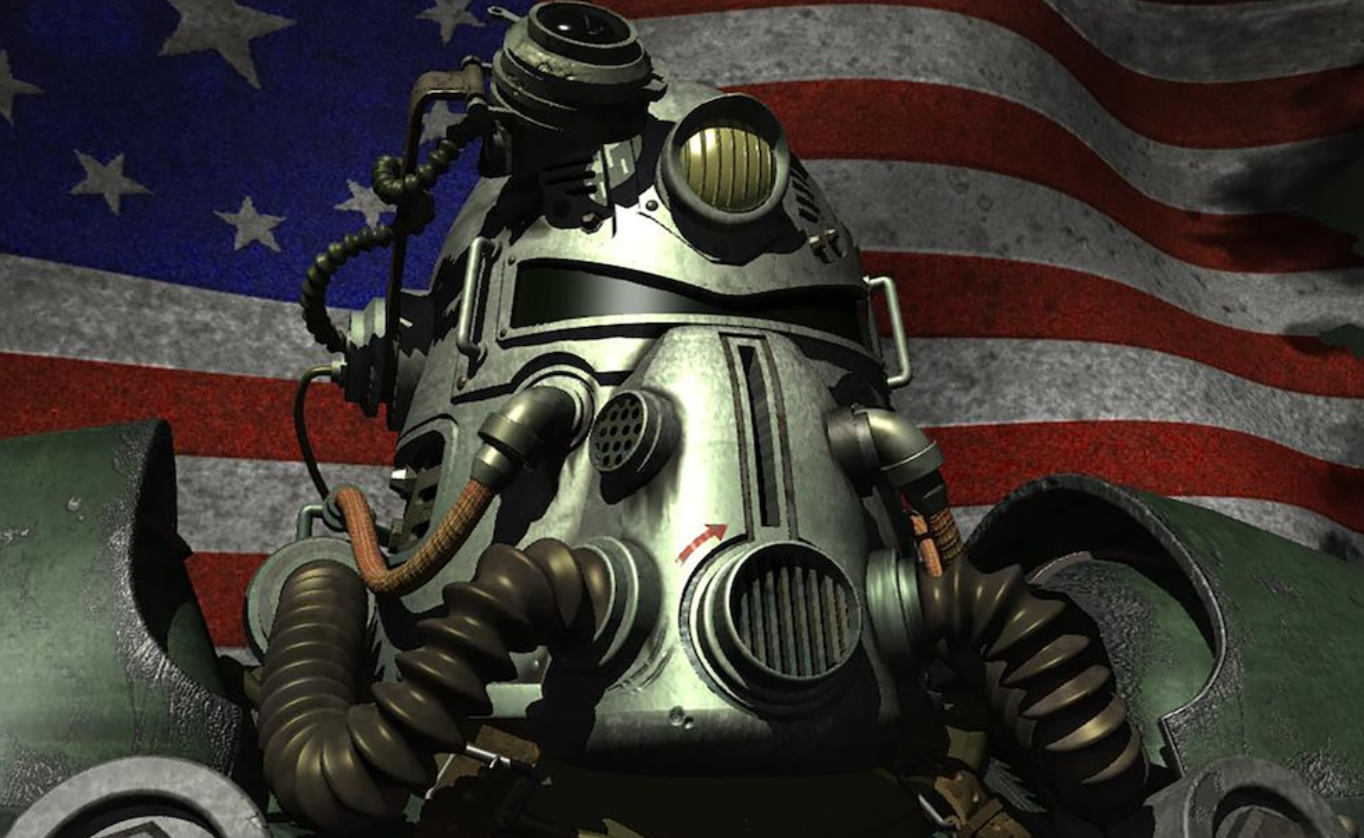
Fallout creator Tim Cain recently published a new blog post. This time he shared his thoughts on modern games.
In his view, many new projects suffer from an identity crisis. Older titles can offer today’s developers a kind of “forgotten wisdom”:
[Modern games] don’t know what they want to be. They try to be everything for everyone: design is often decided by committee to placate the publisher, while teams guess at what the largest audience wants.

Tim Cain explained that older games felt more focused because their creators simply had no alternative.
In the 1980s personal computers were far less powerful, there were no universal hardware standards, and development teams were less specialized. Programmers often doubled as artists and sound designers and worked without formal documentation.
Modern developers can take a lesson in efficiency from those who came before. Back then creators worked within tight limits and had to time pixel rendering to the millisecond or manipulate exact values in memory cells:
It wasn’t about deciding to write efficient code because it would be nice — it was survival: either you wrote efficient code, or your game simply wouldn’t run on an Atari console.
That efficiency extended to game design. Modern titles have been layered with extra systems — an action game may now include crafting, puzzles, and other mechanics. In the 1980s developers were far more focused on a few concrete elements:
You couldn’t do all of it. You had to pick: “Which segment of gameplay do I want to showcase?” and then you built exactly that. The idea of a single core loop containing a huge variety of actions simply didn’t exist.
Tim Cain likened game development to preparing a dish. Modern projects whose teams give in to the desire to keep adding elements resemble a buffet. Older games were more concentrated — they used fewer “ingredients,” yet the final “dish” was often sublime:
The trouble is that when you start making a game it’s easy to give in to the thought, “I want to add this, I like that, and I just played a game with that feature — so I should include it too.”
Aim for simplicity. Remain focused, and make sure everything you include is executed to the highest standard. Then you’ll be like a great restaurant: the dish uses few ingredients, but it’s utterly delightful.
Source: iXBT.games