Share by:
-
Facebook -
X
This theme of data versus feeling was a centerpiece of our discussion. If a weapon feels underwhelming to a player but the numbers show it excels in its specific niche, how does a developer intervene without breaking game balance? Watkins acknowledges the complexity of finding that middle ground.

“It’s a delicate balance,” Watkins admits. “If a gun feels ‘off’ because the visual or audio feedback isn’t satisfying, or because attachments don’t seem to make a tangible difference, we have to address that. We have to be nuanced when a player says something is ‘useless.’ We can see the damage numbers are hitting our targets, but perhaps the surrounding mechanics—like ease of use or visual clarity—are what truly need work.”
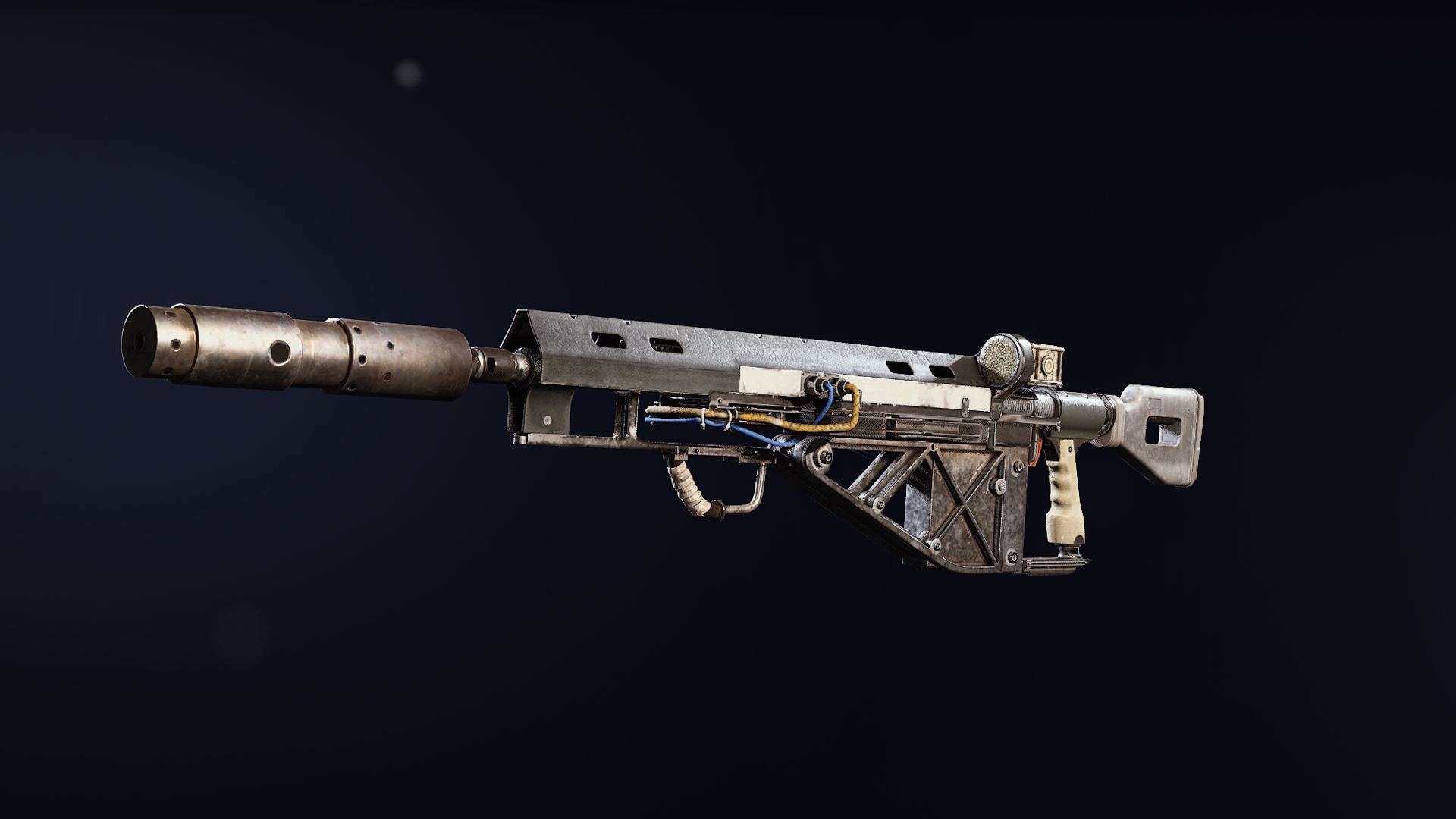
Watkins also points to the Aphelion as a current point of internal scrutiny. “We see players questioning where it fits in the hierarchy compared to cheaper alternatives. We have to analyze the Venn diagram of cost, ease of use, and efficacy to see where the overlap is failing.”
The “Hullcracker” remains the legendary benchmark for many Raiders. This launcher-type weapon was notoriously powerful at launch, but has since been adjusted. Watkins explains that its early dominance was actually caused by a bug. “Pre-nerf, the damage propagation was essentially maxed out at all times. It didn’t matter where you hit a drone; it would just vanish. That was never the intent.” Now, while the Hullcracker remains a heavy-hitter, it requires precision. Landing shots on specific weak points is necessary to take down massive threats like the Bastion or Queen, moving away from the “saturate and delete” gameplay players initially grew accustomed to.
Source: gamesradar.com