
Eurovision Allows Israel to Compete in 2026 as Several Countries Announce Boycotts
EU Decision on Israel’s Participation Prompts Several Countries to Withdraw from Eurovision 2026
Published: December 4, 2025

As the Israel–Hamas war enters its third year, the conflict has cast a long shadow over the Eurovision Song Contest slated for May 16, 2026, in Vienna, Austria.
On December 4, 2025, the European Broadcasting Union (EBU) issued a ruling stating that any member broadcaster that wishes to participate in Eurovision 2026 and accepts the contest’s revised regulations remains eligible to compete. The EBU announcement prompted several national broadcasters to withdraw their participation.
Public broadcasters from the Netherlands, Spain, Ireland and Slovenia have declared they will not take part in the 2026 contest; Iceland, which had previously threatened a boycott, is also expected to pull out.
“Participation under the current circumstances is incompatible with the public values that are essential to us,” said Dutch broadcaster AVROTROS.
— AVROTROS
Spain’s RTVE explained that its board decided in September that it would withdraw if Israel were permitted to participate, and that decision also means RTVE will not broadcast the Eurovision 2026 final or the semi-finals.
— RTVE
The Gaza conflict began on October 7, 2023, when Hamas launched a large-scale attack on Israel that resulted in significant casualties and hostages. The subsequent Israeli military campaign has led to extensive loss of life and injuries in Gaza. The human toll and the wider geopolitical ramifications have intensified debate over whether Israel should be allowed to appear at Europe’s flagship song contest.
Eurovision, established in 1956, has long aimed to remain apolitical, but the competition has periodically been affected by international disputes — including tensions between Armenia and Azerbaijan, the fallout around Russia and Ukraine, and Georgia’s past withdrawal. The EBU’s recent decision and the ensuing national withdrawals underscore how geopolitical crises continue to intrude on cultural events.

Related articles
 Carrie Underwood covers Limp Bizkit at Velocity Festival
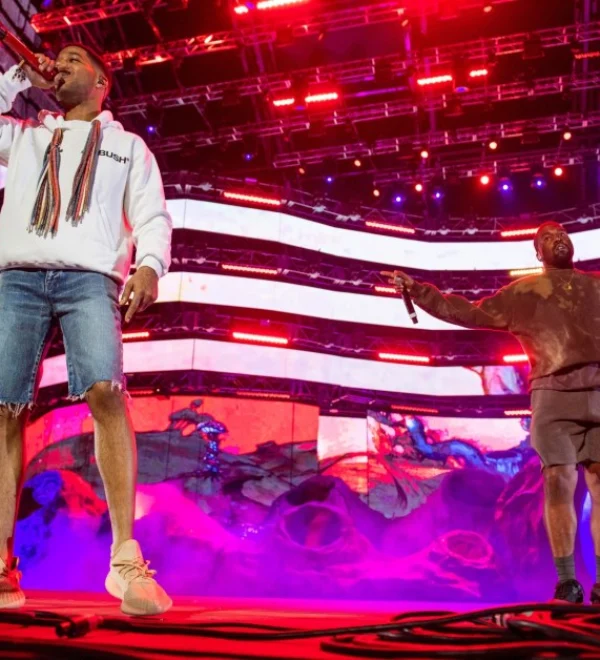 Kid Cudi Responds to Criticism of Ye Support After Stage Reunion in Chicago
 14 Concertgoers Hospitalized at The Chainsmokers San Jose Show
 Violet Grohl Covers The Cure for Triple J’s Like a Version
 Taylor Swift Discusses Double Meaning of I Knew It, I Knew You Lyrics in Rare Country Radio Appearance
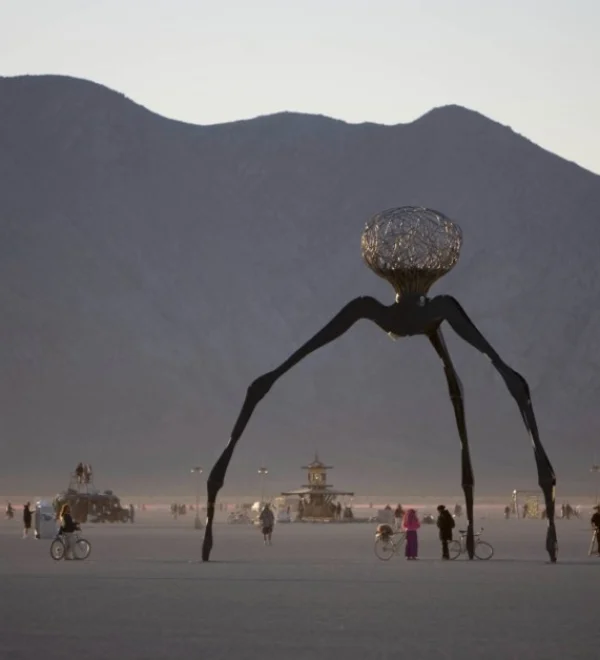 Attendee Dies After Suffering Medical Emergency at Burning Man Festival
 Dolly Parton’s Sister Stella Criticizes AI Garbage and Tweets About Singer’s Death
 Billboard Reader Poll: Vote for Your Favorite New Music Release by BLACKPINK’s LISA and JISOO, Miley Cyrus, Beyoncé, and More