
Ditch Star Wars: Stream the Wildest Sci-Fi Space Opera for Free Now
Some of the most legendary moments in science fiction history very nearly ended up in a dumpster.
Following the conclusion of principal photography, the master negatives for a sprawling space opera were being transported from London to Los Angeles for final assembly. As associate producer John Amicarella recounted, a portion of the cargo slipped onto the tarmac at LAX, where it was unceremoniously crushed by a forklift. Upon arrival, Amicarella was greeted by trash bins overflowing with mangled, ruined film.
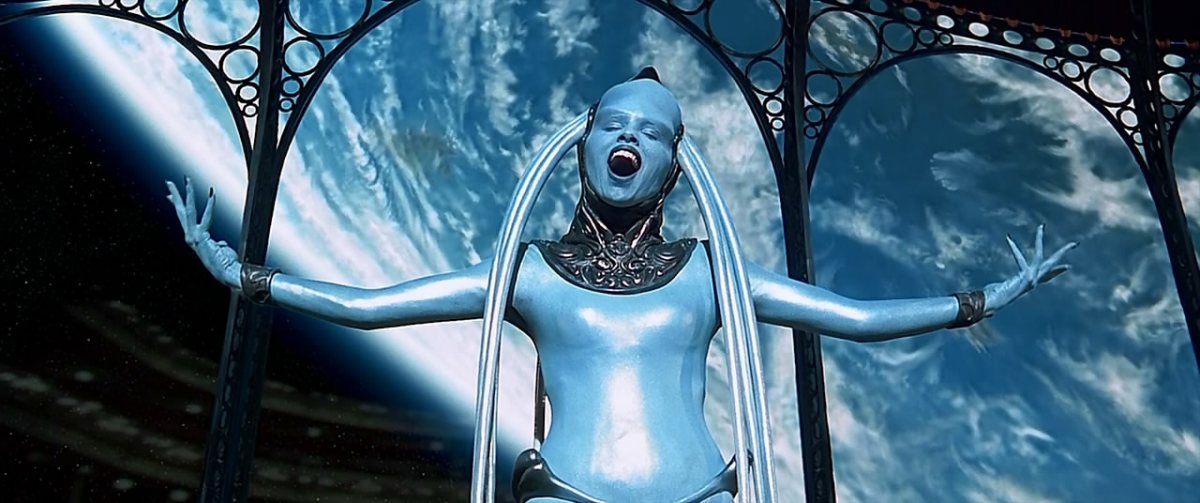
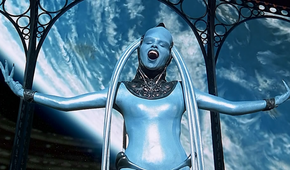
Among the casualties was the pivotal sequence featuring a blue-skinned alien diva performing an aria, only to be fatally struck down—a scene essential for retrieving the four mystical stones housed within her. Miraculously, the footage was rescued, the sequence was restored, and the film was saved from disaster.
Nearly three decades later, Luc Besson’s The Fifth Element still feels like a transmission from a surreal alternate dimension. It remains a rare breed of blockbuster: saturated with vibrant color, campy humor, raw charisma, and practical artistry. It is the kind of ambitious, eccentric project that modern major studios would likely deem too risky to produce. That in itself is reason enough to catch it now that it is available to stream for free on Pluto TV.
Set in the 23rd century, The Fifth Element tracks Korben Dallas (Bruce Willis), a former special forces operative eking out a living as a weary flying taxi driver in a chaotic, futuristic New York City. His existence is upended when a mysterious, ethereal woman named Leeloo (Milla Jovovich) drops into his life—literally plummeting through the ceiling of his cab.
Leeloo possesses a raw, childlike wonder, which makes sense given she is a celestial entity reconstructed into a human shell. As the titular Fifth Element, she is the sole force capable of harnessing four ancient stones representing the elements of nature. Together, they represent humanity’s final bulwark against a recurring cosmic force of evil that threatens to extinguish life every 5,000 years. If that sounds like a dense narrative, prepare yourself; it only gets more complex.
The gargantuan, bird-like Mondoshawans, introduced during the film’s prologue, serve as the universe’s sentinels, safeguarding these five elements. If they act as the acolytes, Leeloo is the savior they are destined to protect. The elemental stones act as power cells, and she is the conduit. If The Fifth Element is a futuristic fable, then Leeloo is the mystical figure tasked with shielding all sentient life from extinction. Her method of salvation? [Spoiler alert for a 29-year-old classic] The transformative power of love.
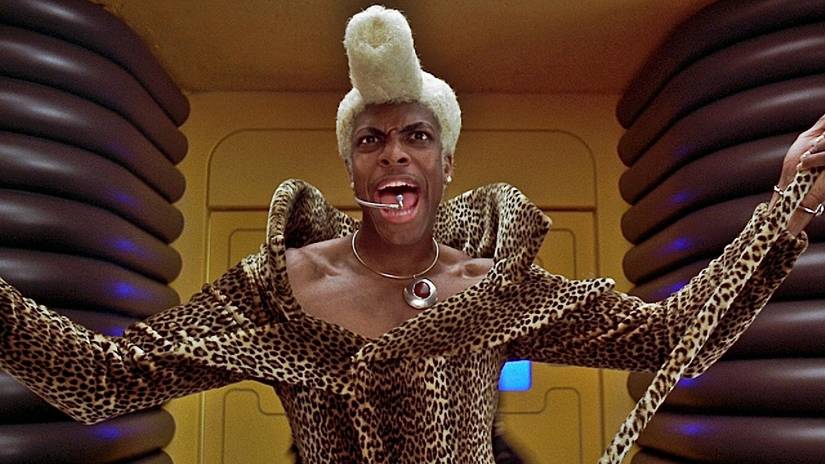
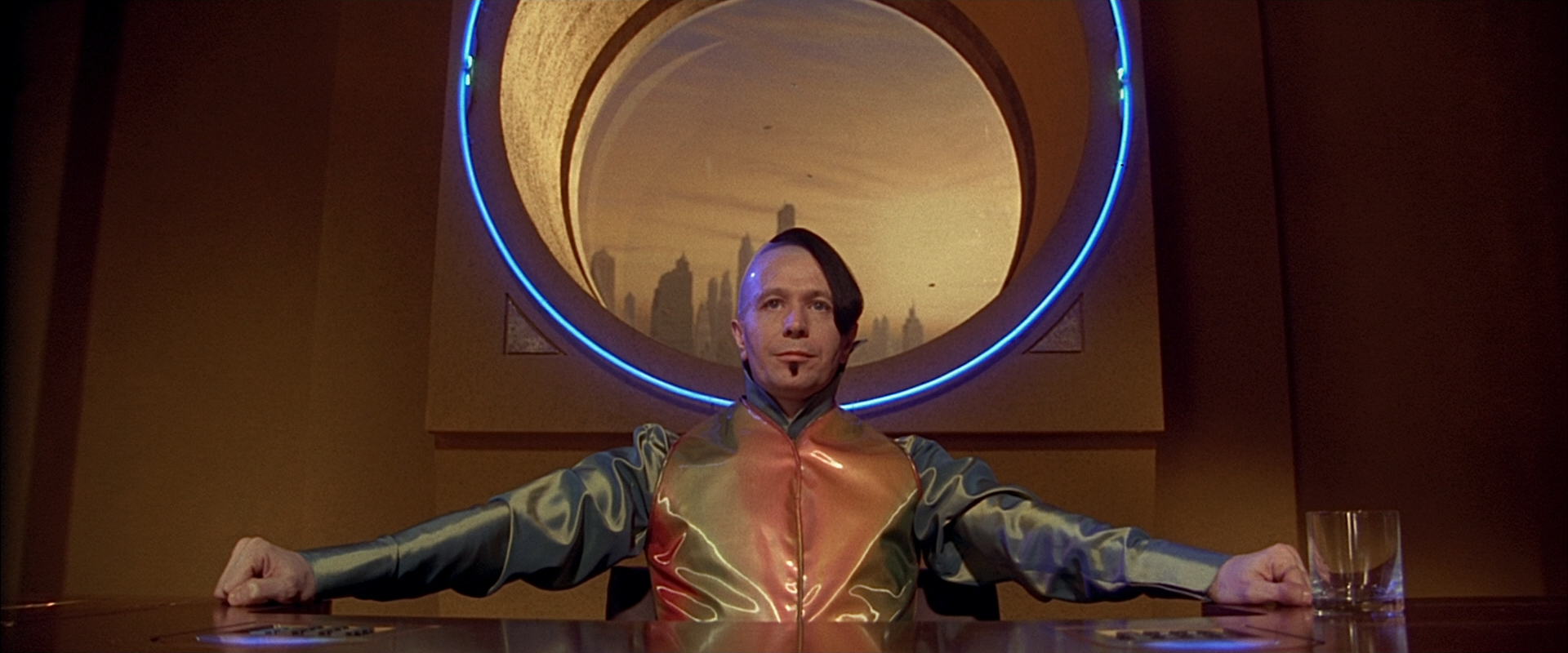
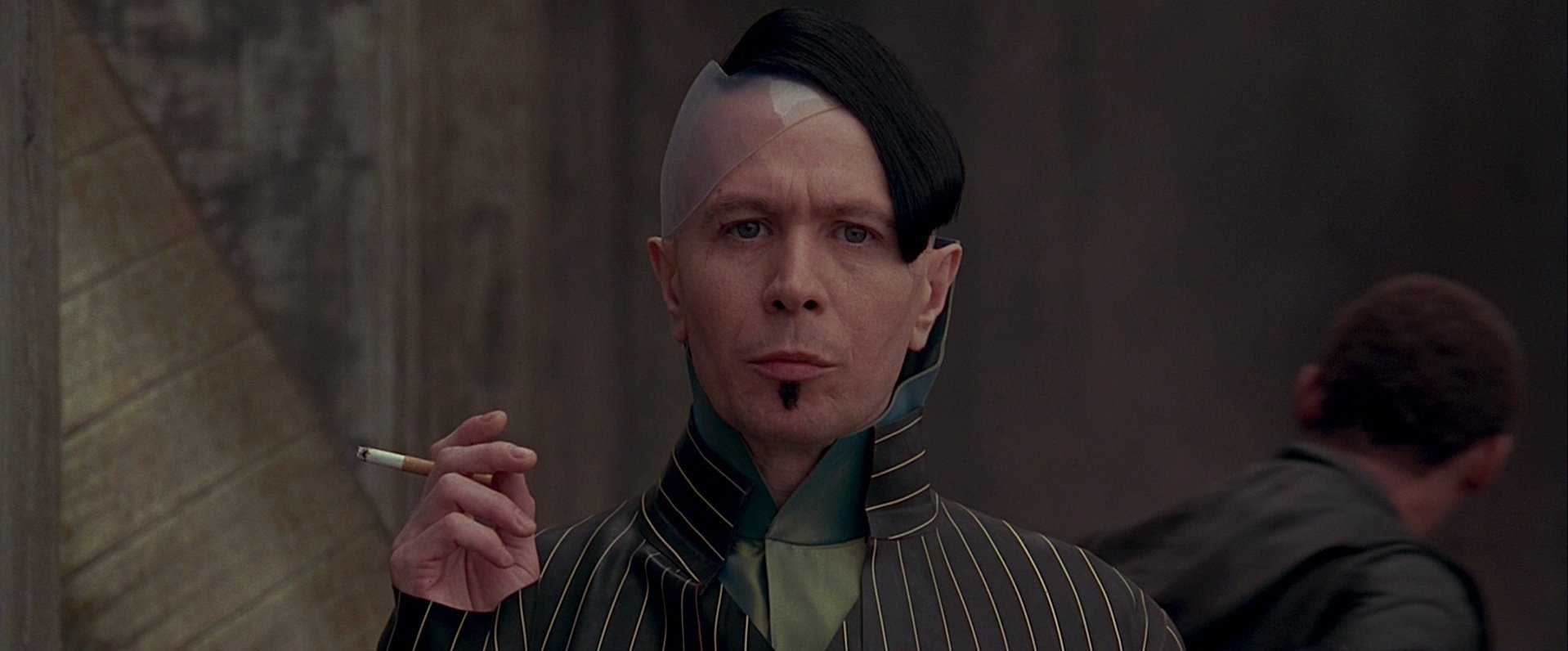
The premise is delightfully unhinged, yet it is anchored by Gary Oldman, who delivers a masterfully unhinged performance as the industrialist Zorg, complete with a bizarre Texas drawl and a jarring hairstyle featuring a plastic headpiece and a soul patch. Halfway through, the film introduces Chris Tucker as Ruby Rhod, a frenetic celebrity radio personality in an iconic, leopard-print leotard—a role originally earmarked for Prince. Despite its abundance of eccentric flourishes, the movie avoids collapse, coalescing instead into one of the most singular, stylistically adventurous blockbusters of all time.

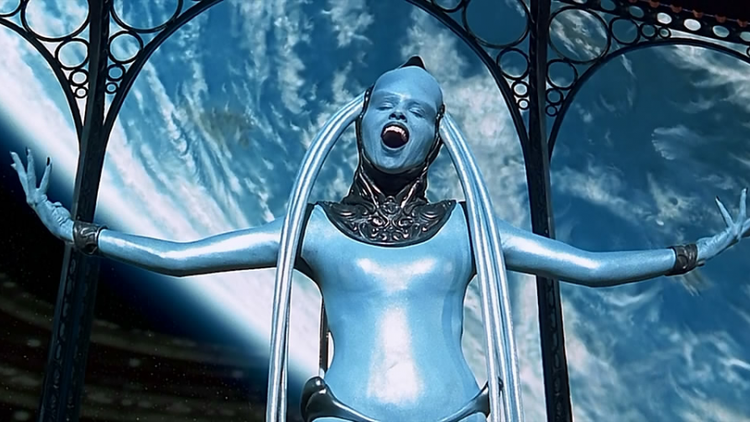
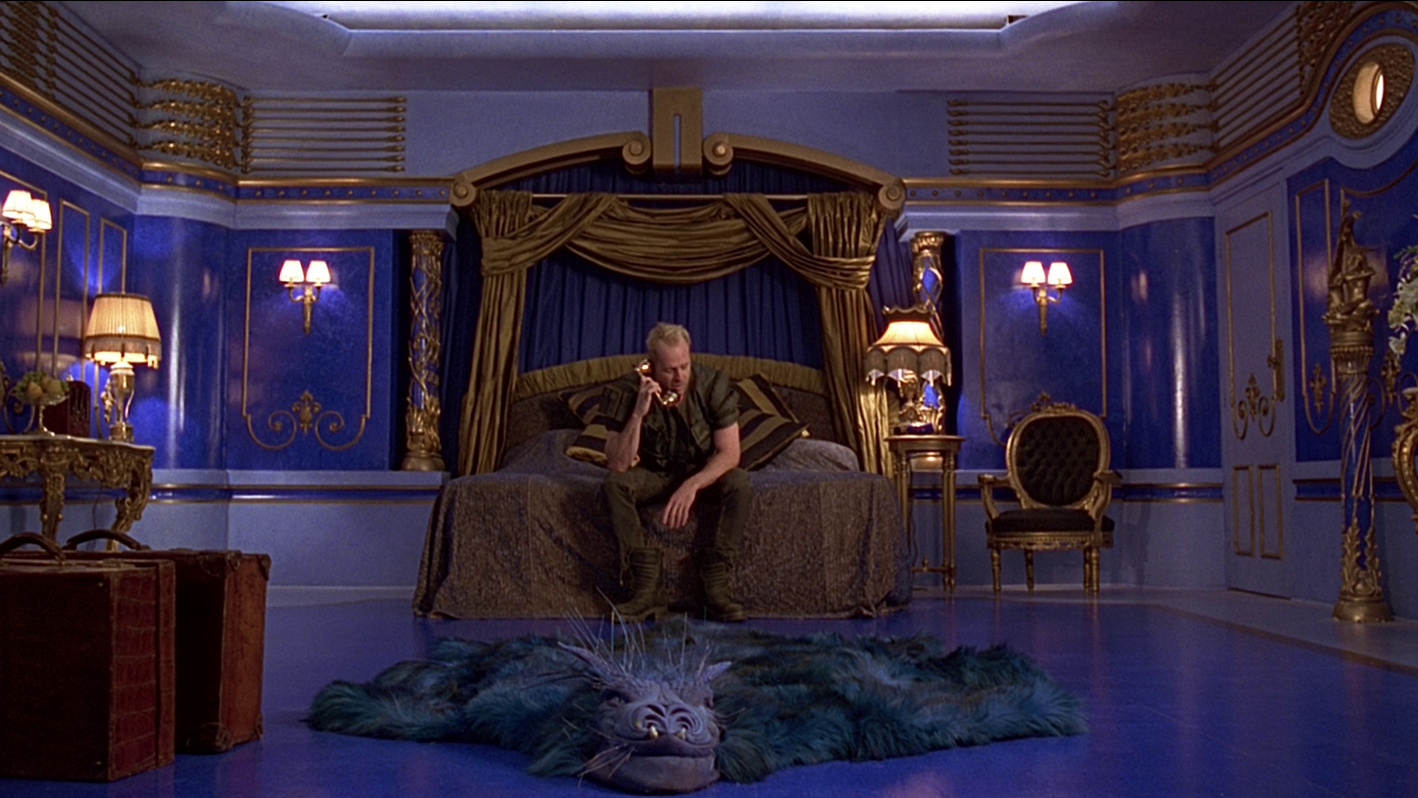
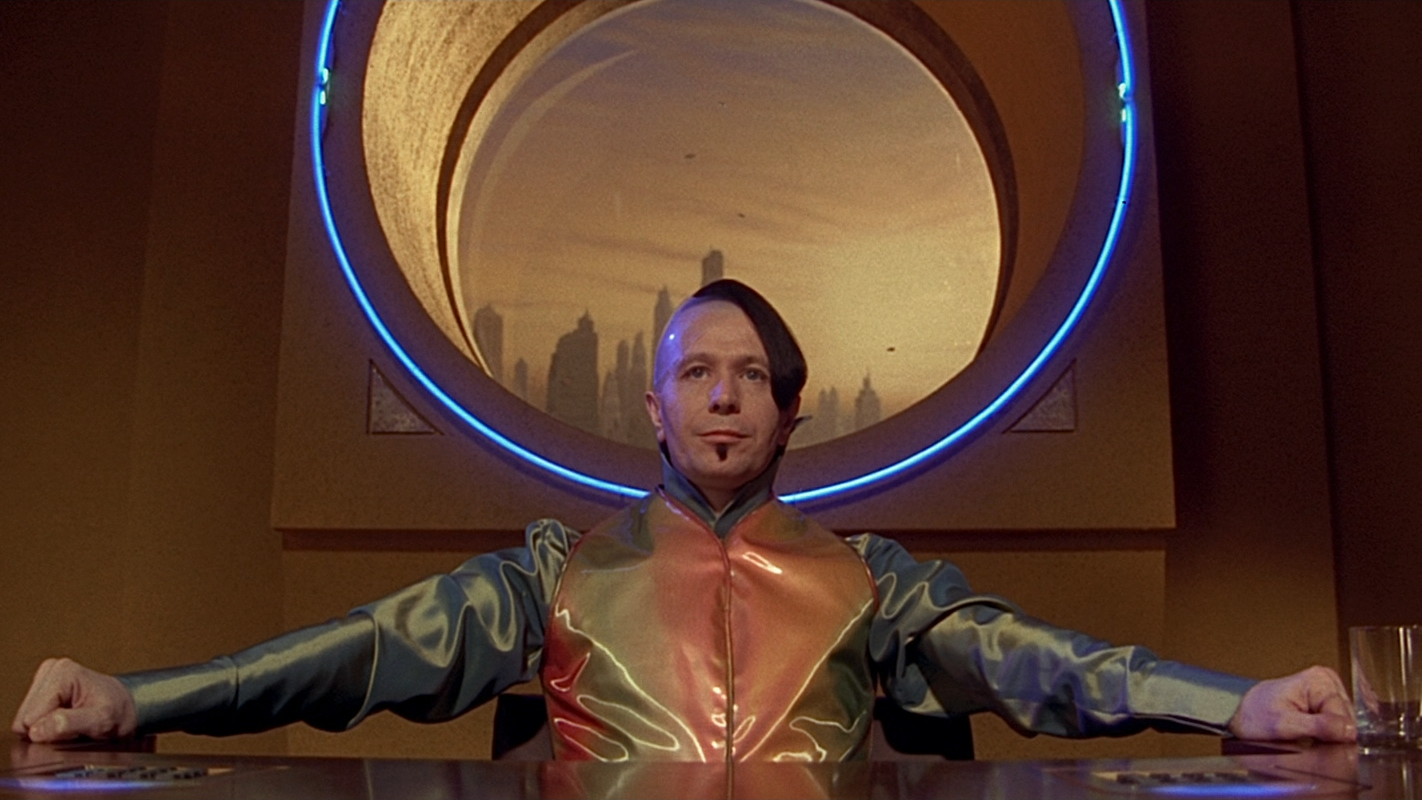
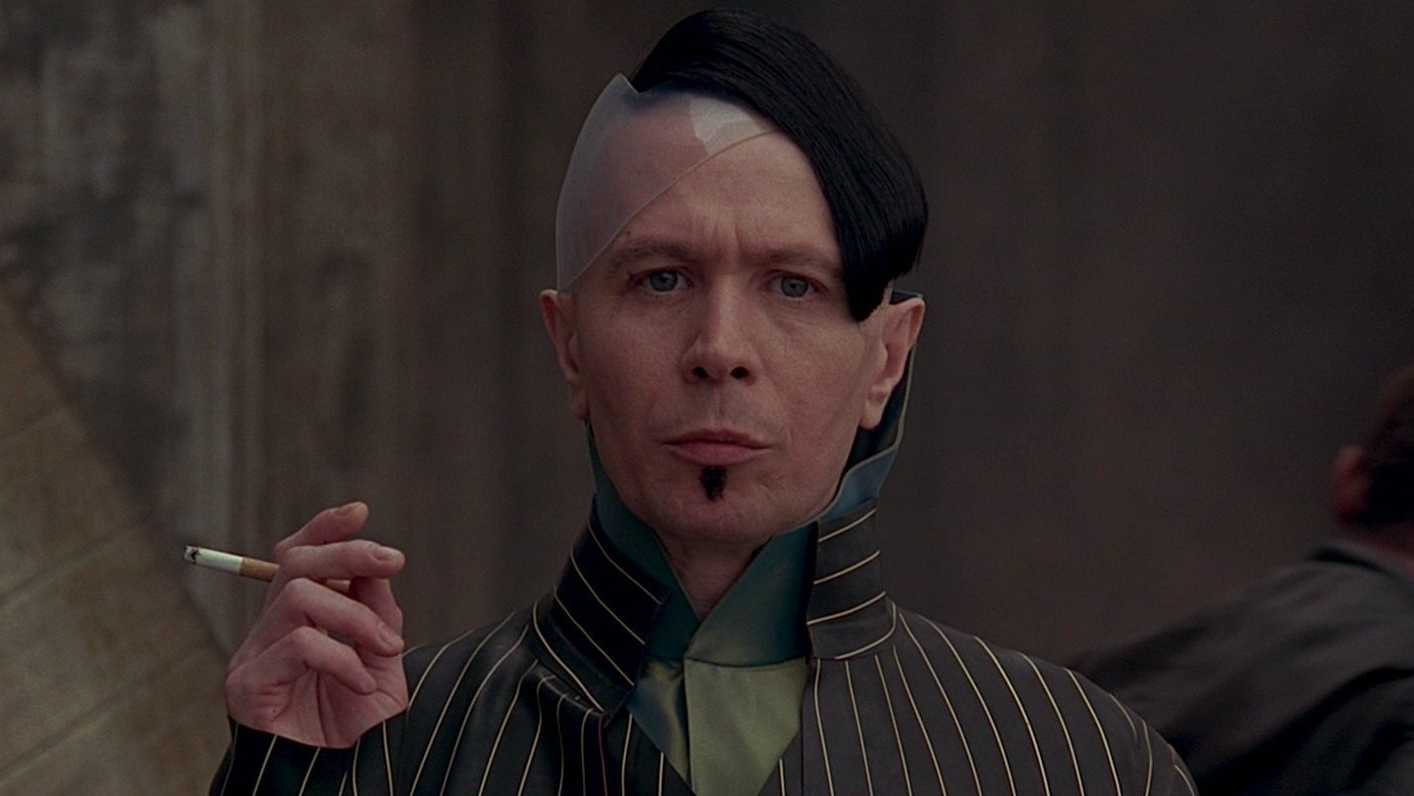

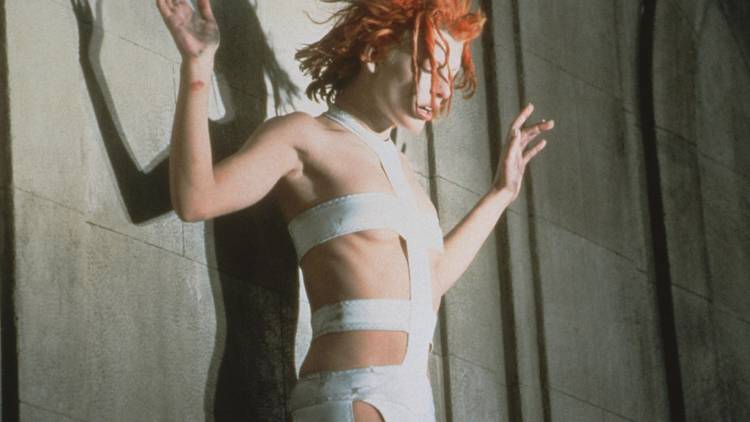
A major reason The Fifth Element retains its freshness is its vivid color palette. In an era accustomed to the sandy, muted tones of Dune or the gloom of the Blade Runner aesthetic, this vision of the future is surprisingly bright and energized. Leeloo’s shock of orange hair pops against every backdrop, and each frame is dense with eccentric costumes and intricate production details. It is a visual tapestry that feels like a fever dream born from the intersection of underground comics, Salvador Dalí paintings, and heavy metal cover art.

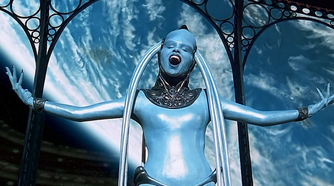
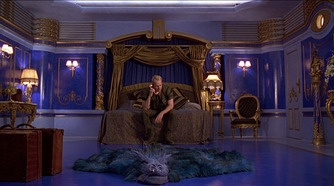
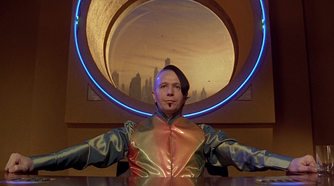



This creative boldness defines the acting as well. Willis provides a grounded, weary anchor, while the supporting cast operates at a heightened, theatrical intensity. Oldman’s Zorg is menacingly absurd, and Tucker’s Ruby Rhod stands as a daring, high-wire performance that few actors would even attempt today. Even Jovovich’s Leeloo offers an atypical take on the action heroine, navigating the film with a fusion of vulnerability and lethal competence.

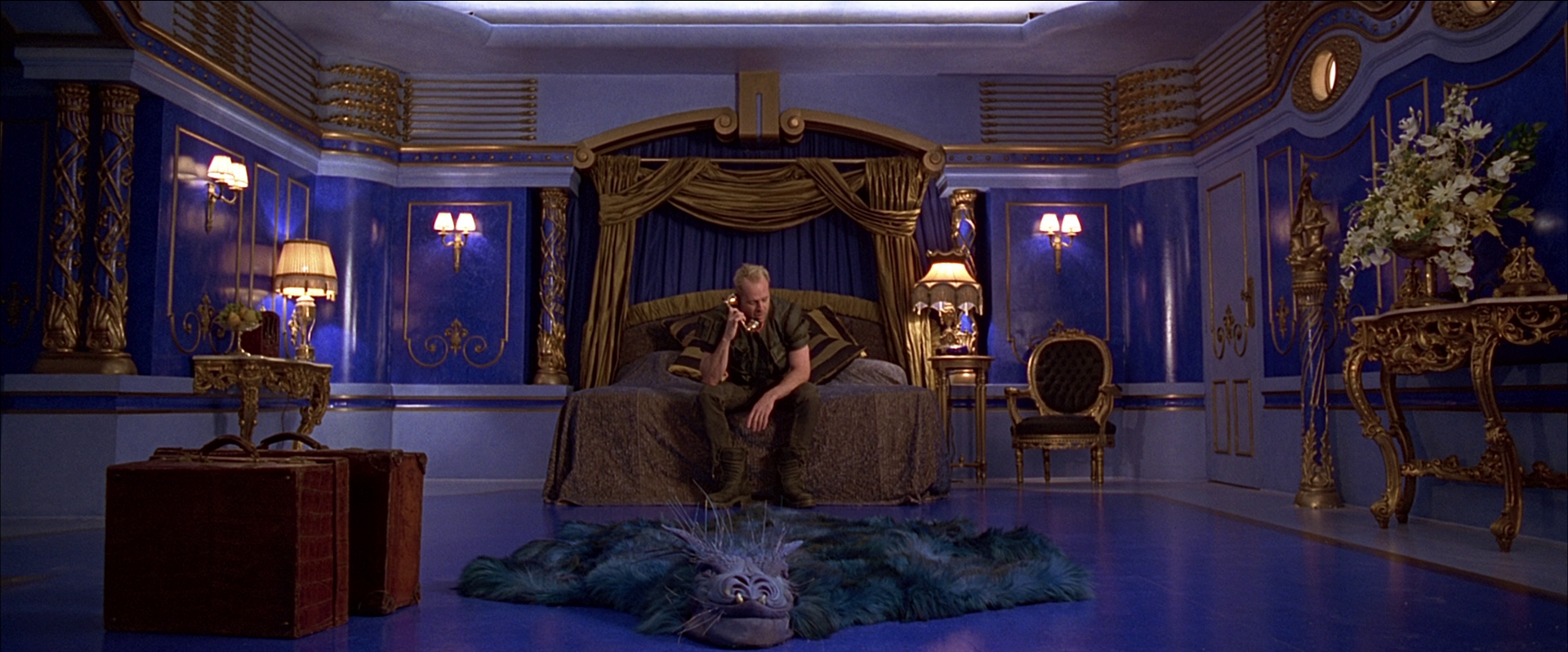


The film is also brazenly sexual in a way that feels unique to its era. Leeloo spends much of the film clad in Jean-Paul Gaultier’s iconic, provocative bandage-style costume. In this version of the future, even the mundane is fashion-forward—McDonald’s workers are styled in striking, strapless red dresses, while flight attendants don powder-blue uniforms that evoke a cross between a 1960s airline advertisement and a futuristic runway show. Besson’s world feels populated by messy, eccentric, and distinct individuals, breathing life into a universe that could have easily felt plastic and inert.




Ultimately, The Fifth Element survives its own camp and spectacle because it possesses a genuinely earnest core. Beneath the high-concept sci-fi tropes and operatic stakes, it remains a story about choosing hope over cynicism. The film’s climax doesn’t hinge on a bigger explosion, but on the conviction that love is worth defending. It’s a sentimental, perhaps even antiquated idea, yet it is precisely why audiences continue to rediscover this cult classic thirty years later.
If you haven’t yet experienced The Fifth Element, now is the ideal time to dive in. For those already familiar, it is well worth a rewatch to recall a period when blockbuster filmmaking dared to be this strange, risky, and relentlessly entertaining.
Source: Polygon
Related articles
 Microsoft Announces September Xbox Game Pass Lineup Featuring Call of Duty
 Witch Hat Atelier Manga Is One-Third Finished and Could Run for 12 Seasons
 GTA VI Trailer Outpaces Netflix Films in Popularity Across 87 Countries
 7 Years Later, What Remains of Edith Finch Still Has the Most Haunting Quote in Gaming
 An Unexpected Pokémon Card Is Set to Shatter Sales Records Against All Odds
 The Blood of Dawnwalker Tops Steam Sales Charts
 CD Projekt Red Details Unreal Engine 5 Plans for The Witcher IV
 Nintendo Releases Major Update for Mario Kart 8 Deluxe on Switch 2