Director Q&A: Chainsaws, Zombies, and Nostalgia in Resident Evil Requiem
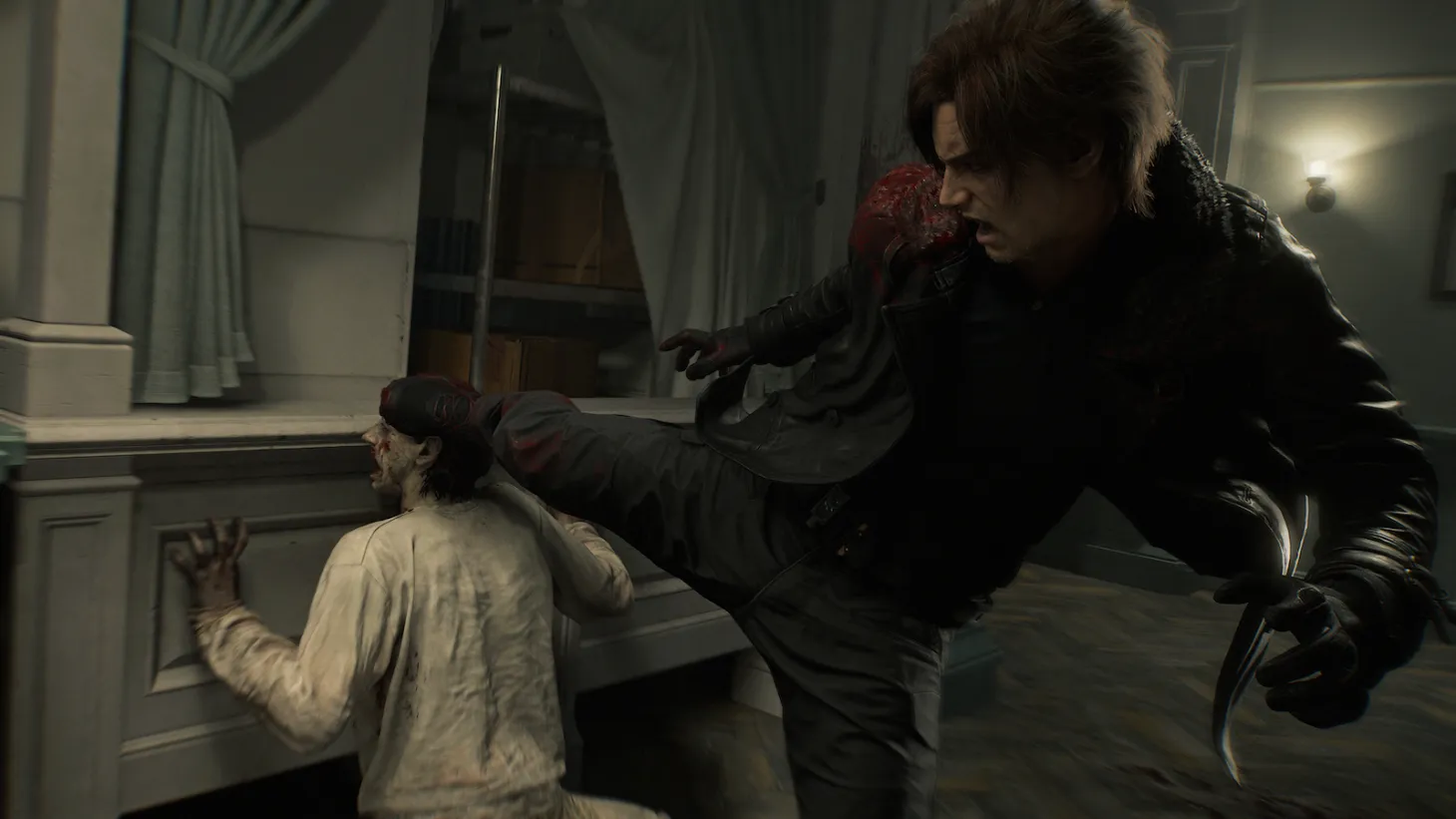
The highly anticipated debut of Resident Evil Requiem is nearly here, with a scheduled launch on February 27 for PlayStation 5, Xbox Series X/S, PC, and the Nintendo Switch 2. I recently had the opportunity to dive into this latest nightmare, spending a tense hour in the boots of veteran Leon S. Kennedy and two haunting hours as Grace Ashcroft. You can find my detailed impressions of that experience in our latest preview.
Following my time with the game, I sat down with director Koshi Nakanishi to delve deeper into the project’s mechanics. During our conversation, Nakanishi explicitly addressed ongoing rumors, confirming that Requiem is not an open-world title. We also discussed the visceral decision to finally give Leon a chainsaw, the disturbing psychology of the new zombie variants, the role of nostalgia, and the delicate art of sustaining horror. Read the full transcript of our discussion below.
Inside the Horror: A Q&A With Resident Evil Requiem Director Koshi Nakanishi

Wesley LeBlanc: I have to start with the chainsaw. Why was now the right moment to finally put such a legendary weapon in Leon’s hands?
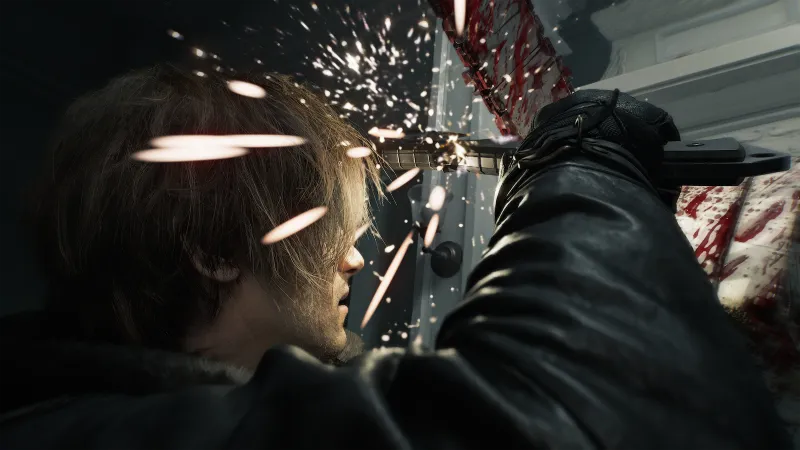
Koshi Nakanishi: The chainsaw is an incredibly symbolic element within the Resident Evil legacy. Whenever we begin work on a new installment, we dedicate a significant amount of thought to how that icon might evolve. In Requiem, our zombies have retained fragments of their pre-infection memories, which grants them the ability to manipulate tools. Once we established that enemies could wield chainsaws, it became a logical progression: if a zombie drops one, the player naturally wants to pick it up. Furthermore, Leon has survived countless encounters with chainsaw-wielding maniacs over the years. It felt narratively satisfying to let him finally turn the tables and use that power himself.
Speaking of that chainsaw, I noticed a detail during the Leon sequence—when dropped, the blade keeps spinning and can actually sever the limbs of zombies walking over it. Are these physics-based interactions a recurring theme?
Nakanishi: Absolutely. Turning the environment and the enemies’ own weaponry against them is a pillar of the Requiem experience. You will encounter many more opportunities to utilize enemy equipment in creative ways throughout the full game.
The game allows for seamless switching between first and third-person perspectives. Why did the team decide to default Grace to first-person and Leon to third?
Nakanishi: For the preview session, you joined the story already in progress. In the retail version, players will be prompted to select their preferred perspective right at the beginning. We want to empower players to choose the viewpoint that best suits their playstyle from the start.
Is the contrast between Grace’s vulnerability and Leon’s combat prowess intended to create a specific rhythm of tension and relief?
Nakanishi: That is precisely the goal. Grace’s segments are designed to be suffocating and horror-centric, as she lacks Leon’s extensive arsenal and training. This creates a high-pressure environment that eventually finds a “release” when the perspective shifts to Leon’s more action-oriented gameplay. I’m glad that dynamic resonated with you during the demo.
What was the core philosophy behind the creature designs this time around?
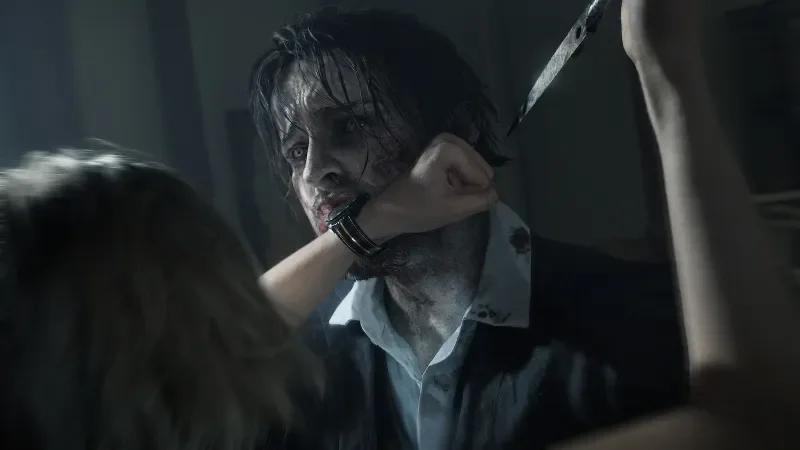
Nakanishi: In Requiem, everything circles back to the virus. While the zombies are the most visible threat, there are numerous other monstrosities birthed from this infection. We wanted to return to that foundational Resident Evil theme—the biological terror that links every enemy through a single, viral origin.
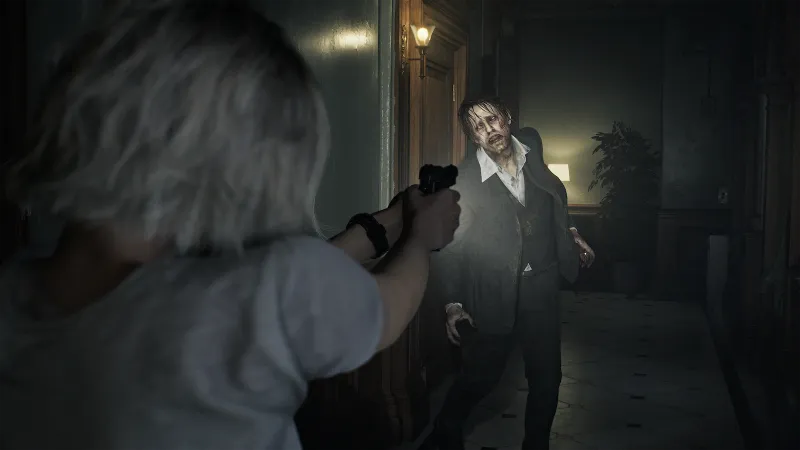
The preview felt strikingly nostalgic—Grace’s section evoked the dread of the RE2 police station, while Leon’s felt like the high-octane climax of a classic RE title. Was this “greatest hits” vibe intentional?
Nakanishi: We are very aware of Capcom’s history with this franchise. Our intent was to offer an evolved take on the gameplay loops fans adore. Grace represents the evolution of the survival horror found in RE2, while Leon reflects an advancement of the series’ more kinetic action. It’s a tribute to the past, refined for the modern era.
Can you explain the design intent behind the new blood synthesis system?
Nakanishi: It stemmed from two ideas. First, blood is omnipresent in horror environments; we asked ourselves if we could turn that visual staple into a tangible gameplay mechanic. Second, it adds a multifaceted layer of player choice. Beyond the simple “fight or flight” response, players now have to weigh the risk of engaging an enemy to harvest blood for crafting. For example, if you use a stealth injector to kill an enemy instantly, you won’t be able to collect their blood. It’s all about managing resources and deciding which risks are worth the reward.
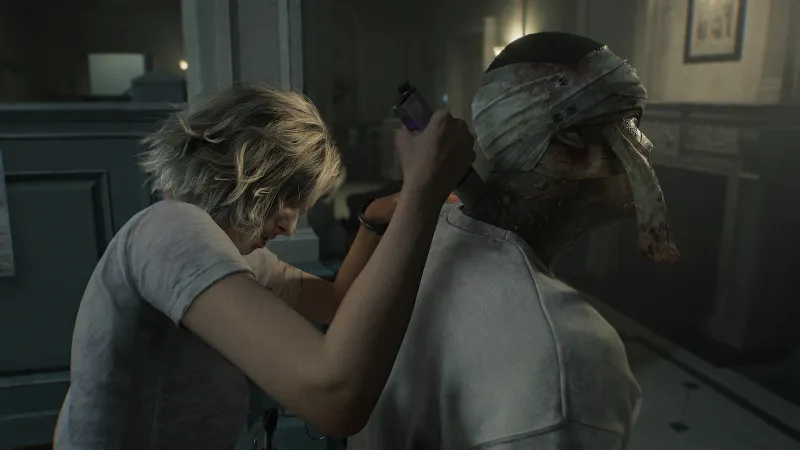
What truly distinguishes these zombies from the many variants we’ve seen across the series?
Nakanishi: The defining trait is their residual humanity. These zombies perform actions based on the lives they led before turning. You might see them attempting to carry out old responsibilities or focusing on specific objects from their past. This cognitive “ghost” not only makes them more unsettling but also provides observant players with tactical advantages if they pay close attention to those behaviors.
Nakanishi concluded our talk by putting to rest the rumors regarding the game’s structure, clarifying that while exploration is deep, it remains a focused survival horror experience. Resident Evil Requiem arrives on February 27.
For more on the upcoming title, explore our full hands-on preview or catch up on the latest Resident Evil Showcase highlights. You can also read about the game’s unique vehicle customizations and the recently revealed Nintendo Switch 2 Pro Controller special edition.
Related articles
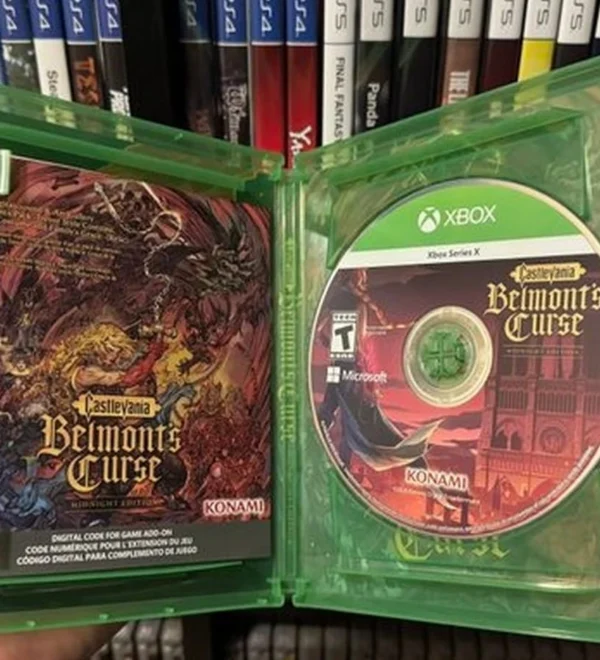 Boxed Games Become a Problem for Collectors as Issues Reach PS5
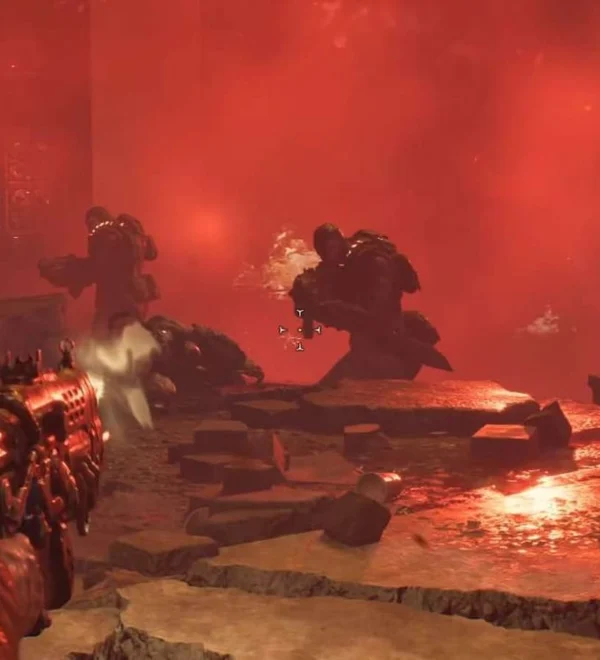 Gears of War: E-Day Reportedly Planned as Start of a New Trilogy, Rumors Say
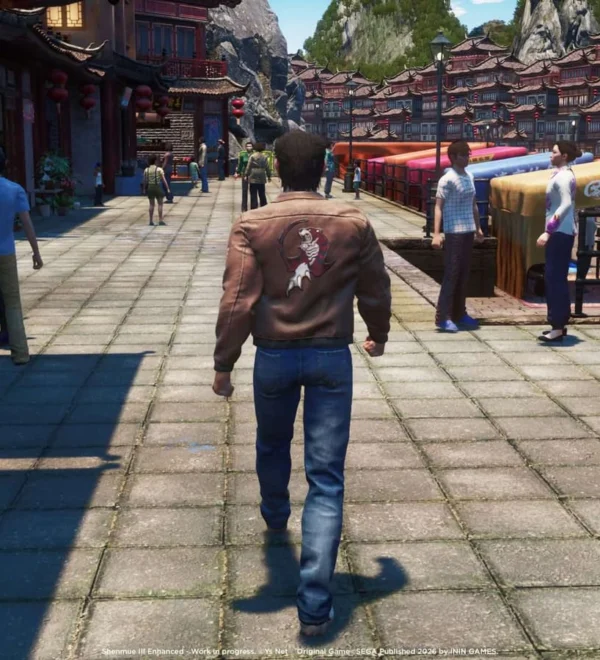 Shenmue III Enhanced Edition Delayed to Improve Graphics and Add New Features
 Ridley Scott Finds Screenwriter for New Film That May Continue the Prometheus and Alien: Covenant Story
 Zendaya to Be Promoted for Best Lead Actress Oscar for Third Dune Film
 Crimson Desert Charting the Unknown Expansion Will Add Sea Monsters and Ship Boarding, Details Revealed
 Ticket Presales Suggest Dune: Part Three Will Lose Heavily to Avengers: Doomsday at the Box Office
 DC Horror Film Clayface Earns Unusually High CinemaScore