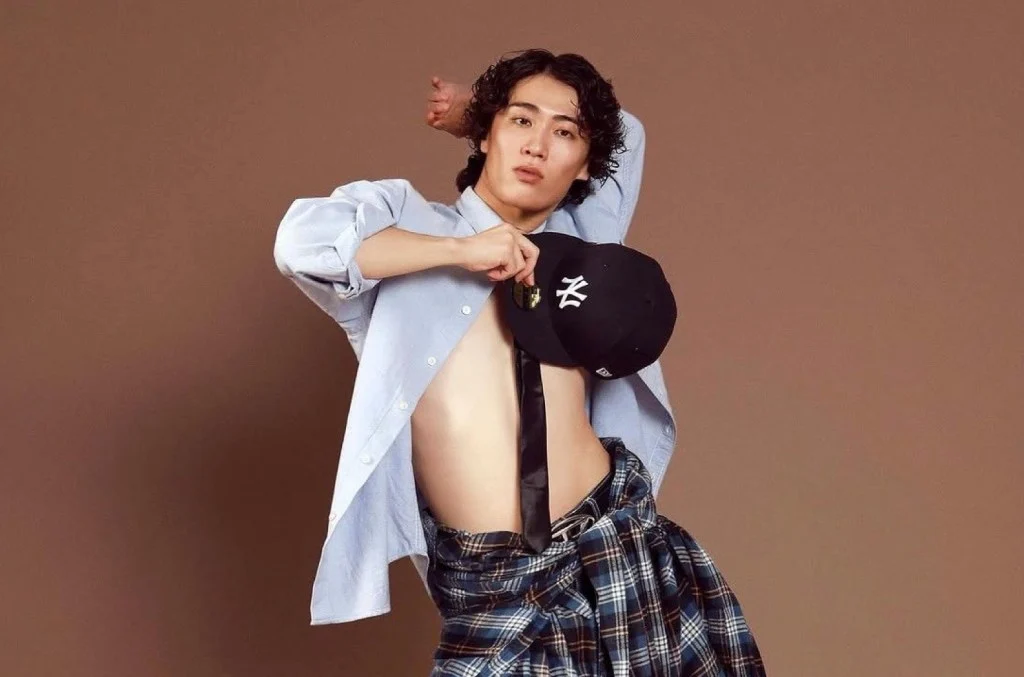
Dancer Ryota Takaji on His Journey to U.S. Entertainment and Performing in Bad Bunny’s Super Bowl Halftime Show: An Unbound Japan Interview

Unbound Japan is a fresh interview series dedicated to shining a light on entertainment professionals who have successfully carved out paths on the global stage. For our inaugural feature, we sat down with Los Angeles-based professional dancer Ryota Takaji. A lifelong performer, Takaji recently captivated audiences as part of Bad Bunny’s dance ensemble during the Super Bowl halftime show. He shares his journey into the heart of the U.S. entertainment industry and the mindset that keeps him moving forward.
When did your journey in dance begin?
It’s hard to pinpoint exactly, but I’ve been told that by age five, I was already mimicking the pop idols I saw on television. After attending a friend’s dance recital, I was immediately hooked. Watching icons like SMAP and Morning Musume on screen fueled that initial spark.
What sparked your pivot toward the international dance scene?
In elementary school, I had a mentor who was profoundly influenced by her training in the United States. Attending her workshops in Osaka gave me my first taste of a global perspective. By junior high, the rise of dance-class footage on YouTube was a game-changer; I realized the artists at the source of these styles were operating on an entirely different level. By high school, I was making solo treks to Tokyo on overnight buses just to attend masterclasses from visiting international choreographers.
When did you commit to moving to the U.S.?
I always knew I wanted to go abroad after high school. My first stint was a two-month intensive, but it felt insufficient. I returned to Japan, saved diligently, and eventually headed back for two years to balance language studies with dance training. Realizing that a professional visa was the only way to work legally, I returned to Tokyo to build my portfolio. Despite the complications of the pandemic, I stayed focused on my goal, eventually securing my visa and moving back to the States in late 2022.
How have you managed the inevitable setbacks?
Initially, I was blinded by the romanticized version of American life I saw in films like High School Musical. The reality of daily hurdles—like basic bureaucracy—was a shock, but I learned that persistence is the only way through. You stumble, you adapt, and you keep going.
Which artists have shaped your career?
In Japan, I had the privilege of working with Kyary Pamyu Pamyu and Fujii Kaze—a personal dream come true. Since arriving in the U.S., I’ve been involved in music videos for Eric Nam and have taken on specialized roles in K-pop choreography, assisting in the development of music video concepts.
What was the experience of dancing for Bad Bunny at the Super Bowl like?
It was a surreal milestone. Every dancer dreams of that stage. Because I wanted the performance to be a celebration of Latin and Hispanic culture, I was deeply moved to be part of such a landmark event. Getting there involved a grueling audition process where I relied on my training and a bit of serendipity. Being the only Japanese dancer in that lineup was a point of immense pride.
What are the unique challenges for Asian dancers in the U.S.?
The industry is demanding—from physical height requirements to the cultural inclination toward modesty. Navigating these obstacles as a smaller dancer while competing in a market that often prizes assertiveness has been difficult, but it has also forced me to grow significantly in confidence.
What advice would you give to aspiring global dancers?
Focus on consistent, incremental progress rather than comparing your timeline to others. Burnout is real, so treat your growth like a marathon. Your moment will arrive when it is meant to; your only responsibility is to be prepared when that opportunity knocks.
What is next for you?
I am eager to transition into choreography and creative direction. I want to take the technical and creative insights I’ve gained in the U.S. and use them to add new value to the Japanese entertainment industry. My journey as a dancer is evolving into a mission to bridge those two worlds.
— Interview by Sakika Kumagai, originally published via Billboard Japan.
Related articles
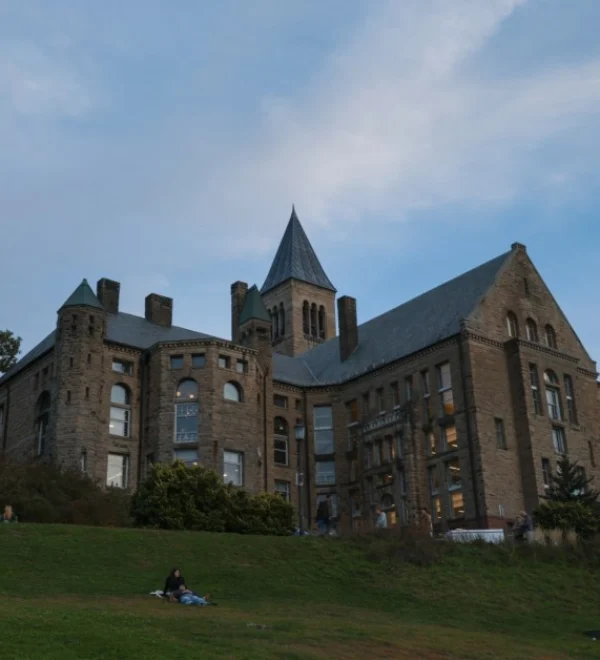 Cornell University Cancels Homecoming Concert Amid Fallout From Sexual Assault Case
 Night One of Head Trip 2026 Ends Early Due to Weather
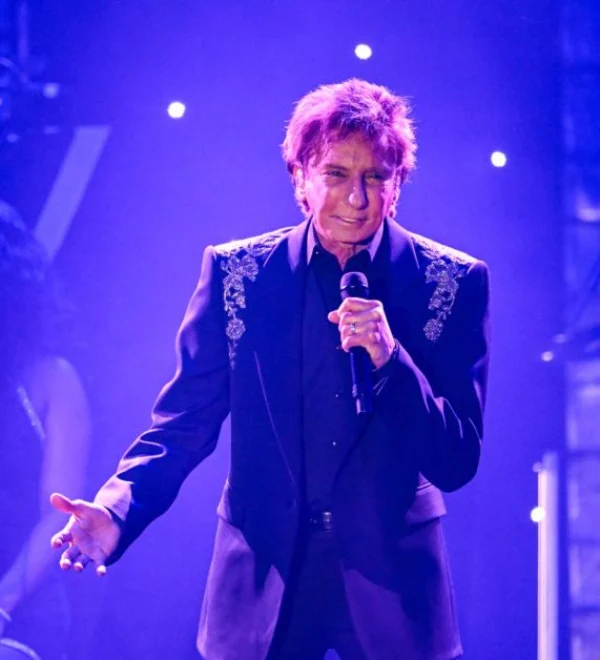 Barry Manilow Cancels Vegas Shows Due to Bronchitis After Walking Off Stage
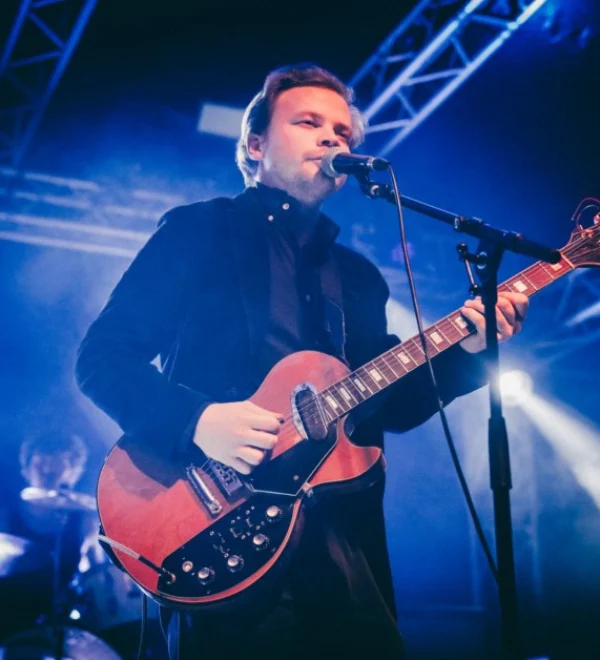 Geordie Greep Responds to Sexual Misconduct Allegation and Cancels Tour Dates
 Charli XCX Welcomes Tinashe for Surprise Performance at 2026 Austin City Limits Festival
 Ashnikko Covers Gwen Stefani’s What You Waiting For For Like A Version
 Lance Bass Says He Earned Just $35 a Day at the Height of NSYNC’s Fame
 Troye Sivan Discusses Getting Nicole Kidman for His Video and His Thoughts on ADÉLA’s Hit