
Bubsy 4D Developer Explains Why the Character’s Revival Is No Laughing Matter
Stepping into the Bubsy 4D demo at this year’s Game Developers Conference, my expectations were, to put it mildly, subterranean. For decades, the Bubsy franchise has functioned primarily as a punchline, and a title that cheekily nods to the disastrous Bubsy 3D felt like a cynical attempt to lean into “meme culture.” However, within minutes of picking up the controller, I was blindsided by a mechanically sophisticated 3D platformer. It offered a surprising level of depth, allowing for intricate move-chaining that immediately brought to mind one of this year’s standout titles: the critically acclaimed Demon Tides.
My intuition proved correct when Ben Miller, the lead developer at Fabraz who guided me through the demo, casually mentioned that his studio had just launched Demon Tides. Suddenly, the high-caliber polish of Bubsy 4D made perfect sense.
This revelation provided the missing context. It’s a prime example of an established indie powerhouse applying a distinct creative vision to a dormant IP—a rising trend in the industry. As Miller explained, Fabraz isn’t resurrecting the bobcat for cheap, ironic nostalgia. Instead, they see an opportunity to advance the platforming genre, engage in a dialogue with their previous work, and finally give the character the earnest revival he’s lacked for years.
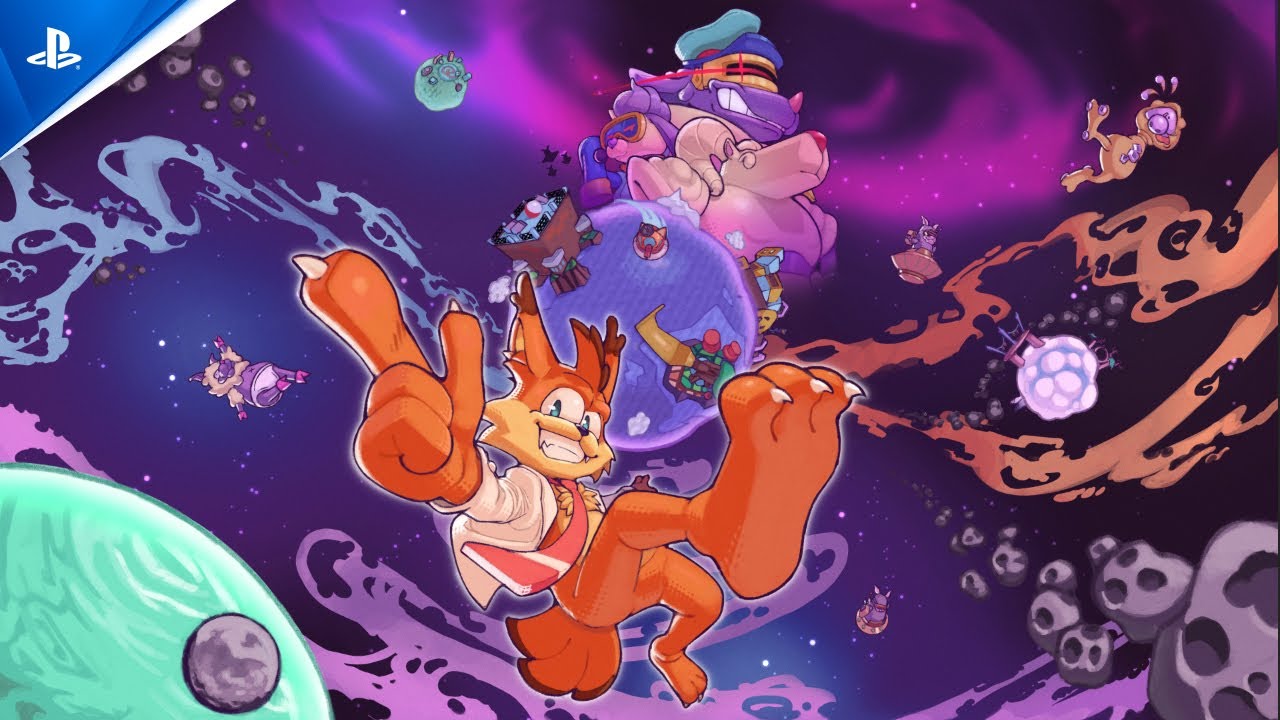
The genesis of Bubsy 4D is inextricably linked to the internet. In 2023, Atari acquired a massive catalog of over 100 classic franchises, including Bubsy—a property Atari CEO Wade Rosen holds in surprisingly high regard. In a 2023 interview, Rosen expressed a genuine desire to produce a “good” Bubsy title and invited indie creators to pitch their visions. Fabraz didn’t actually see the interview; instead, they were bombarded by fans demanding they take on the project. Initially, the team missed the irony, even creating an Akira-themed meme pleading with fans to stop the Bubsy requests.
The confusion deepened when Atari reached out directly to Fabraz for a pitch. It was only then that the studio realized the demand was real—whether born of irony or not. Fabraz embraced the challenge with total sincerity. This earnestness is palpable in the game’s meta-narrative, which portrays Bubsy with a tragic, BoJack Horseman-esque depth.
“He’s essentially a washed-up, B-list celebrity,” Miller told Polygon. “People have spent years taking shots at him. He’s had his failures, but we wanted to treat the character with dignity. He’s persisted for over two decades! Even as a meme, people can’t look away. There’s an underdog quality to him that’s quite endearing. We aren’t interested in cheap shots; that doesn’t feel productive or fair to his legacy. In a strange way, he’s an industry icon. People love to hate him, but there is still love there.”
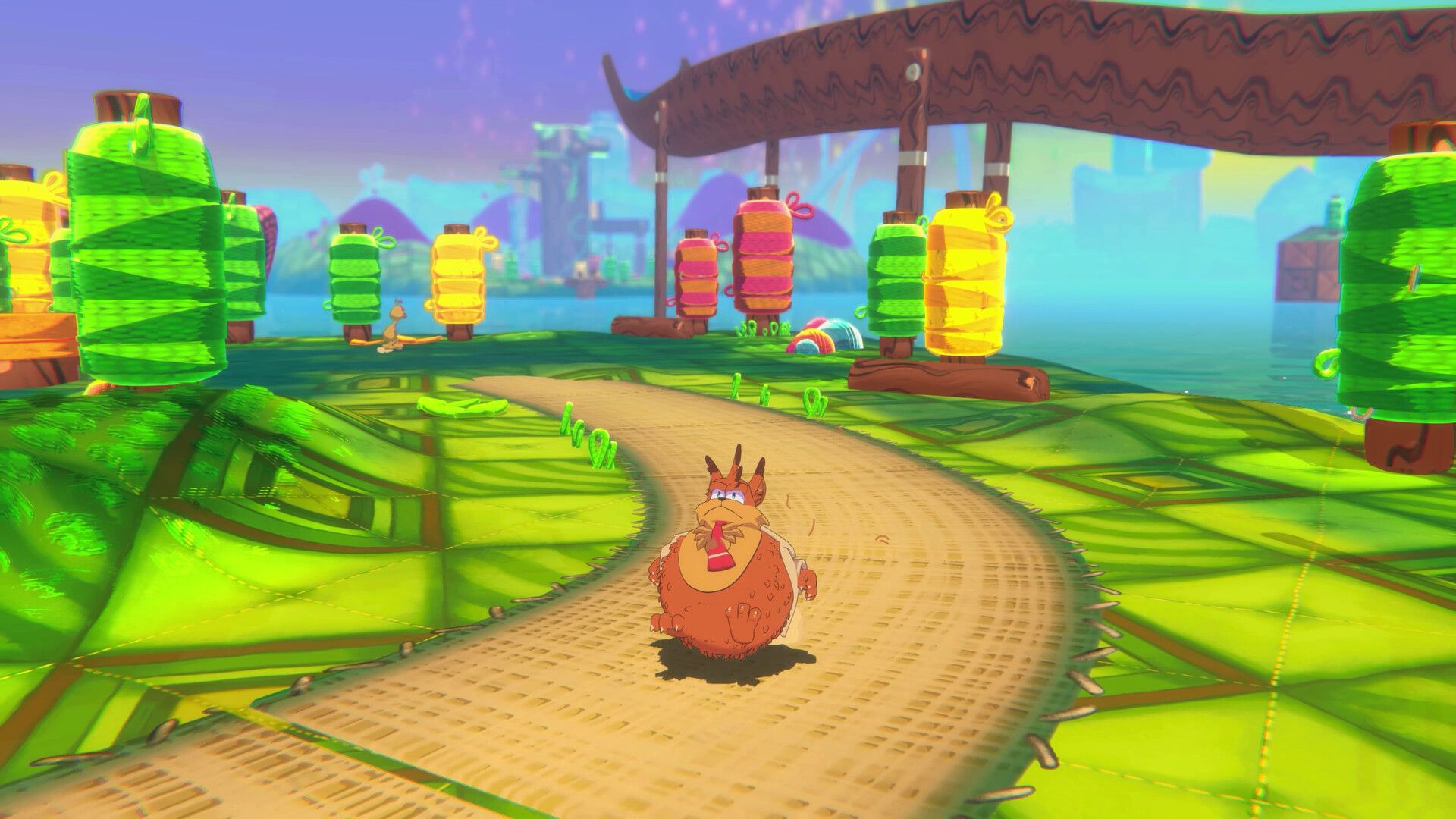
Instead of mocking the mascot, Fabraz focused on their core strength: crafting an exceptional platformer. While Demon Tides opted for an open-world approach, Bubsy 4D utilizes a structured, level-based format. Its design philosophy echoes Astro Bot; levels follow a linear progression but are peppered with divergent paths that reward skillful movement and exploration. For Miller, this isn’t just a throwback; it’s an evolution of the studio’s design language.
“Slime-san was our way of honoring retro aesthetics while pushing 2D boundaries,” Miller noted. “Demon Turf continued that, but we realized that relying too heavily on nostalgia can limit the conversation about what these games can achieve. We started looking at other developers to see how movement can be used as a primary toolkit for interacting with and discovering the world.”
That toolkit defines the Bubsy 4D experience. The chatty cat can sprint, double jump, glide, pounce, scale walls, and transform into a rolling hairball. These mechanics can be woven together to navigate massive gaps and vertical challenges. While Miller suggests Bubsy 4D is slightly more grounded than the “bonkers” movement in Demon Tides, both games share a common inspiration: Super Mario Odyssey.
“The magic of Odyssey—the hat throw, the dive, the jump—is just inherently satisfying,” Miller said. “It makes the player feel like they’ve discovered a secret exploit or outsmarted the designers. In our game, we intentionally design for those moments. We want to encourage experimentation. I remember playing Transistor and realizing halfway through that the systems allowed for these incredible, game-breaking combinations. There’s a profound sense of gratification in truly mastering a complex system.”
“We can’t just rely on retro. We can’t just go back to mine nostalgia.”
Miller describes a philosophy where every level contains an “intended” route, an “unintended-intended” route for skilled players, and a completely “unintended” space where players will inevitably break the game. Fabraz is leaning into this by supporting the speedrunning community from day one, including integrated leaderboards and ghost data.
While the DNA of Super Mario Odyssey is clear, Bubsy 4D also draws from an unlikely source: high-octane action games. The depth of the movement system feels surprisingly reminiscent of a certain stylish hack-and-slash series.
“It’s a blend of what we love about platformers and our broader gaming interests,” Miller explained. “A major touchstone for me was Devil May Cry. It’s an action game, but it provides a massive suite of viable options, allowing the player to express themselves through their specific moveset.”
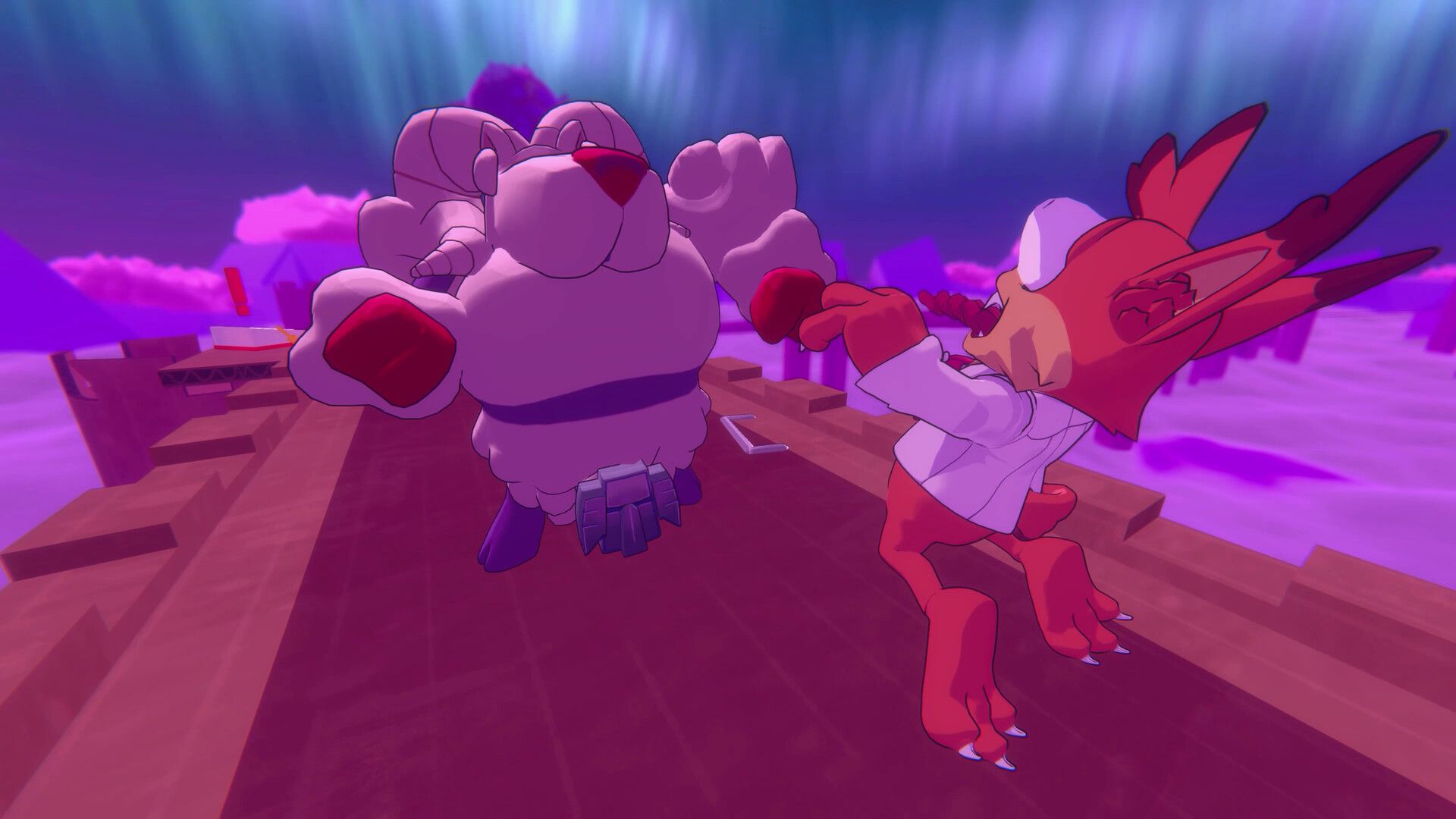
This level of dedication is rare for a franchise often dismissed as “vaporware.” A lesser studio might have coasted on basic mechanics and brand recognition, but Fabraz believes that mascot platformers still have room for innovation. It’s the difference between a forgettable budget title and a game with the staying power of a modern classic.
“Relying on the past isn’t enough,” Miller concluded. “Odyssey found that perfect balance. It’s full of love for history—like New Donk City and the 2D segments—but the core mechanics were forward-thinking and experimental. I felt the same way playing Donkey Kong Bananza; it’s a platformer, but it’s weird and fresh. That’s the energy we want to bring.”
If this demo was any indication, Bubsy’s next outing might finally earn the respect that has eluded the character for thirty years.
Source: Polygon
Related articles
 GTA VI Artist Describes Aftermath of 2022 Leak: It Felt Like Someone Got Inside Your Head
 AISLPC Opens Preorders for Pocket AIS Retro Gaming Handheld
 The Witcher 4 Will Release in a Physical Edition, but with a Catch
 Survival Game Enshrouded Exits Early Access With Version 1.0 Release
 Steam to Add New Trophy System to Address Old Achievement Issue
 Steven Spielberg and Stanley Kubrick Sci-Fi Film A.I. Coming to Peacock
 PlayStation Casts Doubt on 60 FPS Support for GTA VI
 Avatar: Seven Havens Episode 6 Ending Explained