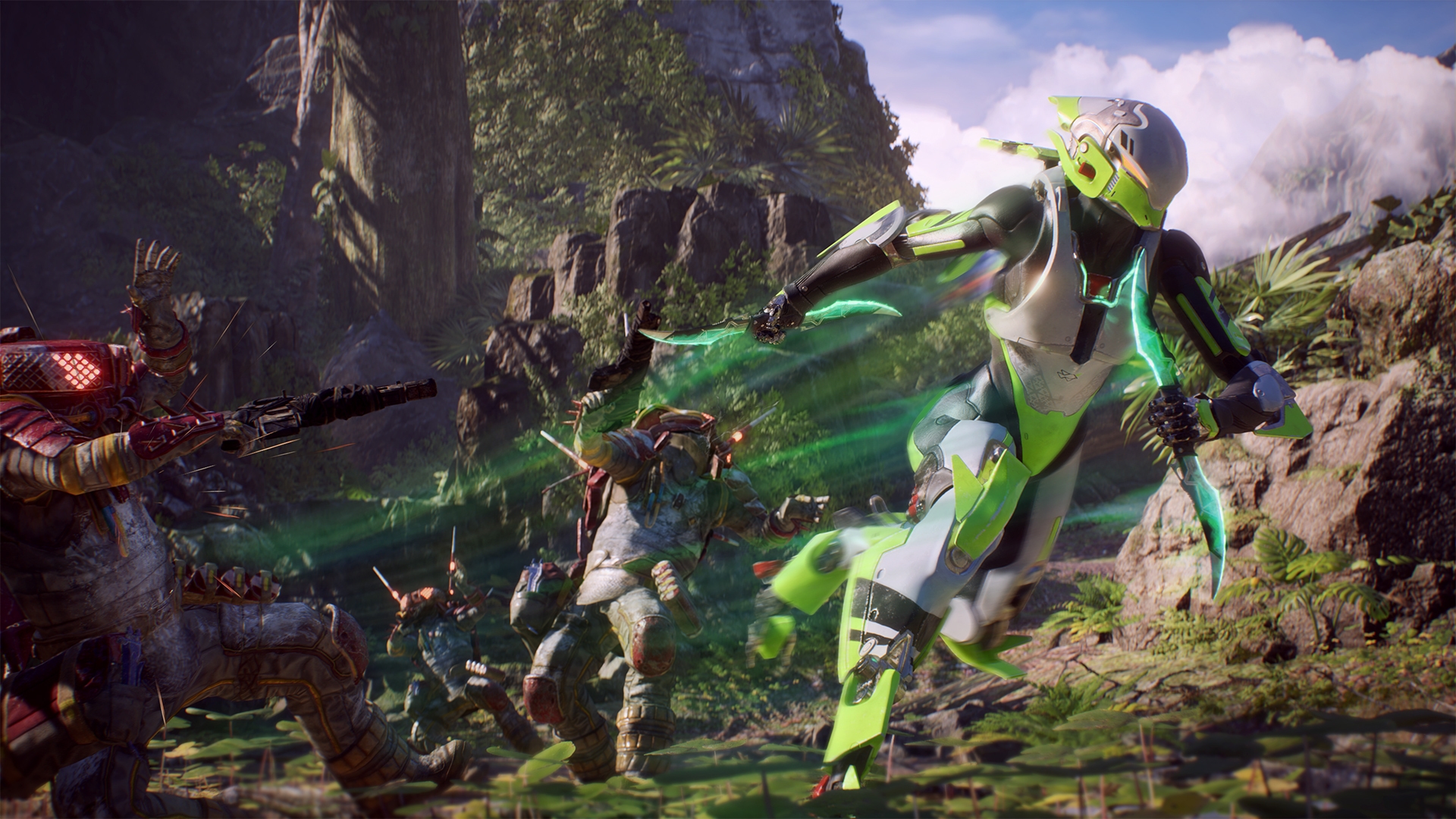
BioWare’s ill-fated looter shooter, Anthem, has reached the end of the road. The recent server shutdown has rendered the always-online title completely unplayable, even for those who purchased it—a scenario that the “Stop Killing Games” initiative has been campaigning against for nearly two years. According to former executive producer Mark Darrah, the technical foundation to avoid this fate existed within the game long before its release.
Recently, Darrah released a detailed post-mortem video reflecting on Anthem’s turbulent journey. He outlined his vision for “Anthem Next,” a proposed overhaul aimed at achieving a redemption story similar to No Man’s Sky. A critical element of this plan was the implementation of locally hosted servers—a feature that was already functional during the game’s development phase.
“The code for local servers was actually operational in our development environment until just months before launch,” Darrah revealed. “I’m not certain if it’s still functional, but that salvageable code exists. The primary benefit of this approach is that it removes the financial burden of maintenance. Instead of requiring dedicated servers to keep the game alive, you shift the hosting duties to the player’s own hardware.”
These revelations have gained fresh momentum following a comprehensive retrospective shared by Darrah this week. Reacting to the news, the “Stop Killing Games” campaign noted on social media that establishing sustainable end-of-life protocols for titles like Anthem is the core mission of their movement.
While Anthem remains a polarizing chapter in BioWare’s history, the initiative argues that the underlying principle transcends individual taste. In a follow-up statement, they emphasized that “one man’s trash is another man’s treasure.” Their stance is firm: if a consumer invests in a game, they should have a say in its longevity. The final decision on when to stop playing should rest with the customer, not the corporation.
Get the Latest Gaming News
Join our community for weekly updates, deep dives into game culture, and exclusive industry insights.
By subscribing, you agree to our Terms & Conditions and Privacy Policy. Must be 16 or older.
Source: gamesradar.com