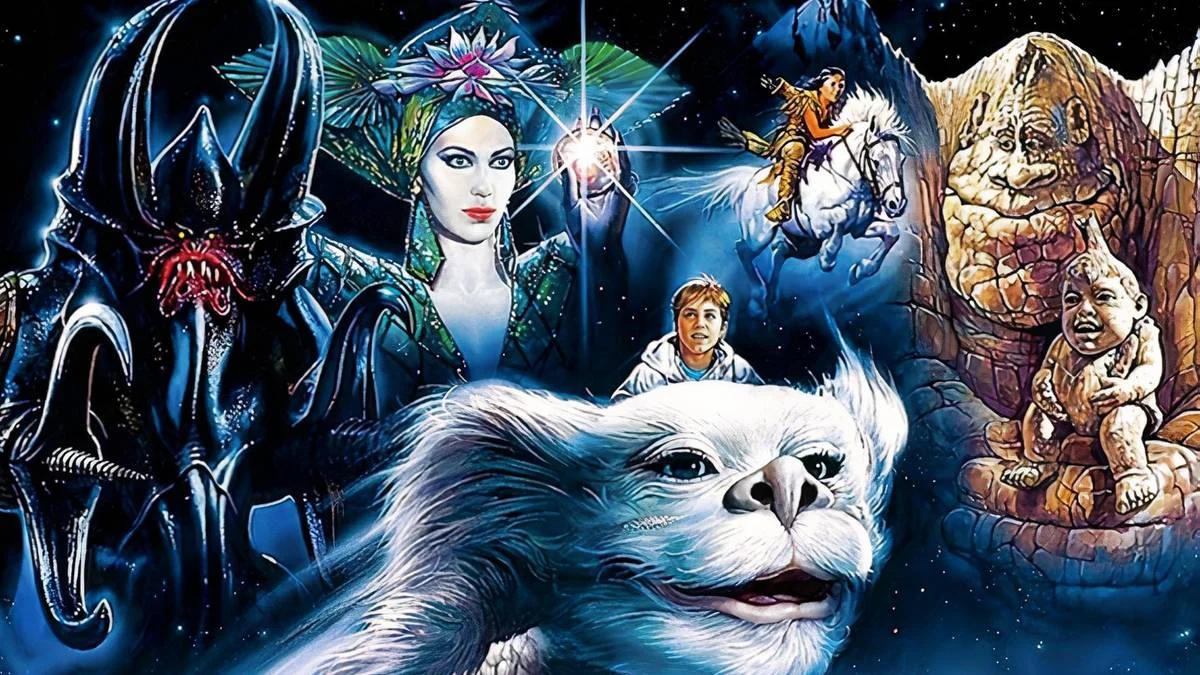
After 35 Years, This Epic Movie’s Disastrous Sequel Still Has One Saving Grace
Few cinematic conclusions capture the essence of pure, unadulterated wonder as effectively as the 1984 fantasy classic The NeverEnding Story.
After a journey spent vicariously living through the exploits of the young warrior Atreyu (Noah Hathaway) and the ethereal denizens of Fantasia, young Bastian (Barret Oliver) finds himself literally woven into the narrative. The Childlike Empress (Tami Stronach) reveals a profound truth: though the malevolent “Nothing” has laid waste to her realm, Bastian possesses the divine spark of imagination required to rebuild it. Given the power of infinite wishes, he asks how many he is granted, only to be told, “As many as you want.”
The film culminates in a breathtaking sequence featuring Bastian astride Falkor the Luck Dragon (voiced by Alan Oppenheimer), soaring through a rejuvenated world before crossing into reality to settle the score with his neighborhood bullies. It is a moment of total emotional catharsis.
While it is only natural to want to linger in that feeling of triumph, I must offer a stern warning: do not attempt to sustain that joy by watching the 1991 follow-up, The NeverEnding Story II: The Next Chapter. This sequel is a hollow, uninspired endeavor that manages to evoke the same sense of emptiness as the “Nothing” it once sought to defeat.
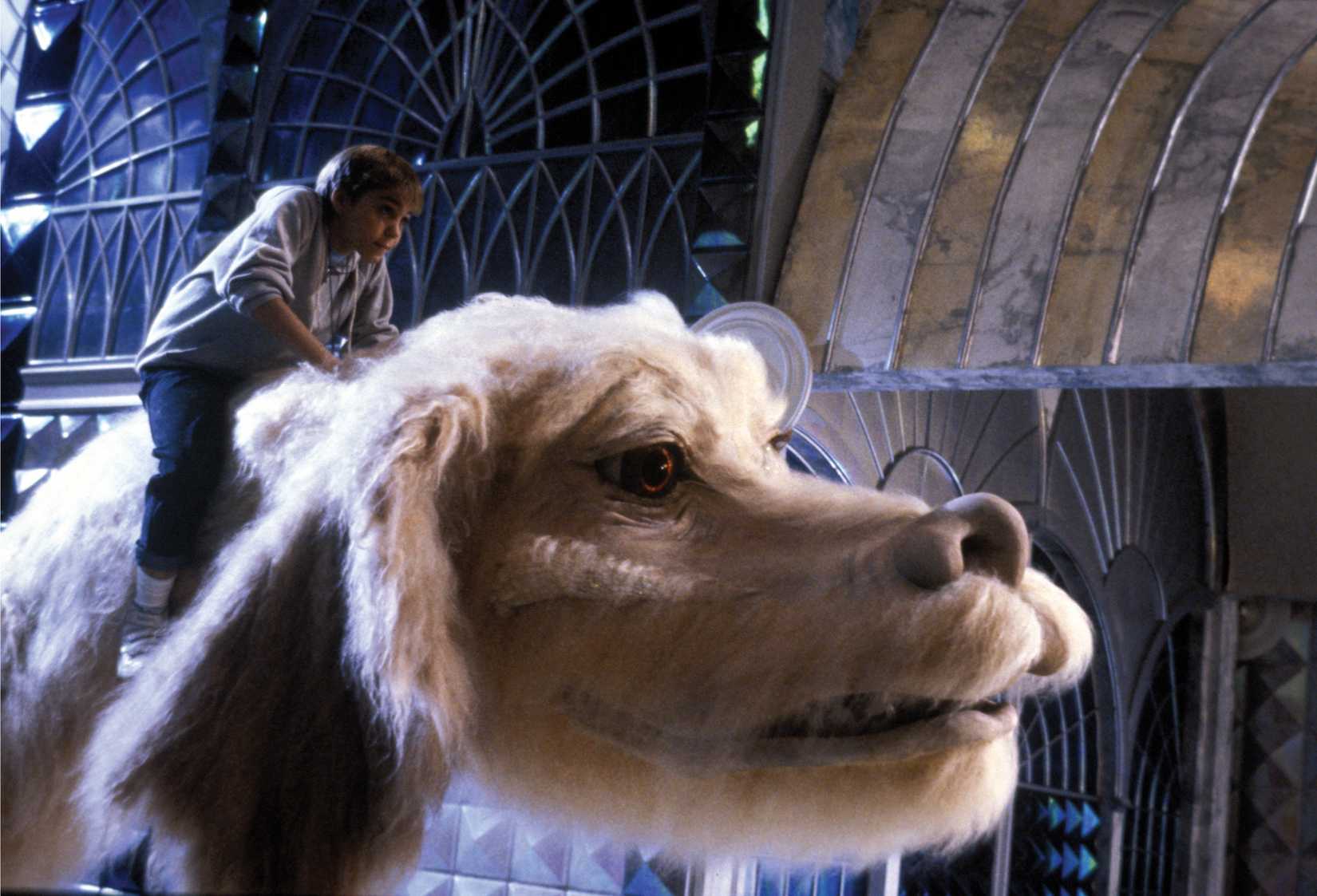
To understand the depth of this disappointment, consider that the production saw a near-total overhaul of its cast. Only Thomas Hill returns as the prickly bookseller, Carl Conrad Coreander. The late Jonathan Brandis stepped into the role of Bastian; while he was a talented performer, the character never quite feels like the same boy we left behind. The same disconnect plagues the new actors portraying Atreyu and the Childlike Empress.
Even the mythical creatures feel “off.” Falkor returns with a jarringly deep voice and unsettling crimson eyes that replace his original, soulful gaze. Meanwhile, the Rockbiter is saddled with a child—a creative choice that veers more toward the uncanny than the charming.
The film even attempts to introduce a contemporary musical theme that feels entirely out of place in the whimsical world of Fantasia.
However, the script is the primary culprit. In this iteration, Bastian is transported to Fantasia almost immediately, only to fall victim to a curse: for every wish he makes, he forfeits a memory. By the climax, he is on the verge of losing the memory of his late mother. It’s a narrative pivot that transforms the most magical element of the original film—the power of wishing—into a source of dread.
If that isn’t enough to dissuade you, perhaps the most interesting thing about the film’s legacy is the one genuine highlight that occurred in its orbit.
When The Next Chapter arrived in theaters 35 years ago in 1991, it served as the vehicle for a historic Warner Bros. revival. It premiered alongside Box-Office Bunny, the first new Bugs Bunny short to hit the big screen since 1964.
The theatrical cartoon short was once a staple of the cinema experience, a tradition dating back to the 1930s. However, by the mid-60s, rising costs and the growth of television animation largely killed off these seven-minute gems. While the Looney Tunes survived in reruns and TV specials, fresh theatrical content had effectively vanished for decades.
In 1990, during the massive “Bugs Bunny’s 50th Birthday” celebration, the studio greenlit Box-Office Bunny. Although it technically debuted in early 1991—slipping just past the official anniversary year—it was a monumental occasion for fans of the “wascally wabbit.”
The POLY Report: Essential Gaming News
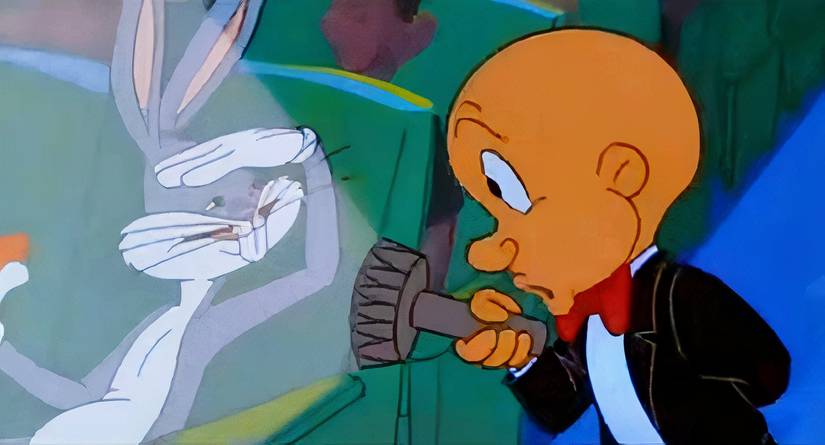
Directed by Darrell Van Citters, Box-Office Bunny finds Bugs Bunny’s burrow paved over by a sprawling modern multiplex. Emerging from his hole into a theater aisle, Bugs decides to stay for the show. He is soon intercepted by Elmer Fudd, now an usher demanding a ticket, leading to a classic chase that eventually draws in a disgruntled Daffy Duck.
Beyond its commemorative nature, the short was significant for being one of the first major Looney Tunes projects produced after the death of the legendary Mel Blanc. Jeff Bergman took on the formidable task of voicing the iconic trio. While Box-Office Bunny may not rank among the greatest shorts in the Looney Tunes canon—it’s slightly too brief and leans on predictable gags—its existence was a victory. It proved that these characters could survive and thrive even after the loss of their original voice.
Ultimately, while The NeverEnding Story II remains a lackluster sequel that misses the point of its predecessor, its theatrical run offered one redeeming quality: five minutes of Looney Tunes brilliance. That is more than can be said for The NeverEnding Story III, a film so misguided it’s best left entirely forgotten.
Source: Polygon
Related articles
 Enthusiasts Find Unusual Way to Run Steam Games on PS5 Without a PC
 Enthusiasts Find Hidden Potential to Nearly Double Performance of NVIDIA RTX 20, RTX 30 and RTX 40 GPUs
 Canceled Mass Effect Universe Was Built Around “Absolute Autonomy,” Franchise Technical Director Says
 Steam Frame Gets New Feature a Day After Player Asks Valve for Improvement
 Fans Launch Petition to Restore Classic Jiggle Physics After Blizzard Removes Them From WoW
 Cyberpunk 2077 Hits Record 2.8 Million Mod Downloads in 24 Hours on mod.io After Update 2.5
 Blizzard’s 2012 Action RPG Is Still the Best Co-Op Game on Game Pass
 Nintendo Switch 2 Hacked, Emulator Built, and Files From FromSoftware’s The Duskbloods Under Analysis