
A Major Mortal Kombat 2 “Death” Doesn’t Mean the End for a Fan-Favorite Character

Mortal Kombat 2 is an unrelenting display of decapitations, dismemberment, and death. It also serves as a reunion of sorts, bringing back familiar faces from the 2021 film, such as Josh Lawson’s Kano, while introducing new undead entities like Kung Lao (Max Huang) and Sindel (Ana Thu Nguyen). Their reappearances align well with the lore of the long-running video game series.
However, audiences might find the ultimate fate of Liu Kang (Ludi Lin) in Mortal Kombat 2 somewhat perplexing. His journey diverges sharply from the other combatants who perish during the clash between Earthrealm and Outworld. Given the notoriously convoluted history of the game franchise’s timelines, his exact future in the cinematic universe remains shrouded in mystery.
What do the high-stakes final moments of Mortal Kombat 2 imply for the inevitable Mortal Kombat 3? More importantly, what does this shift portend for Liu Kang? Let’s analyze.
[Editor’s Note: The following contains major spoilers regarding character deaths in Mortal Kombat 2.]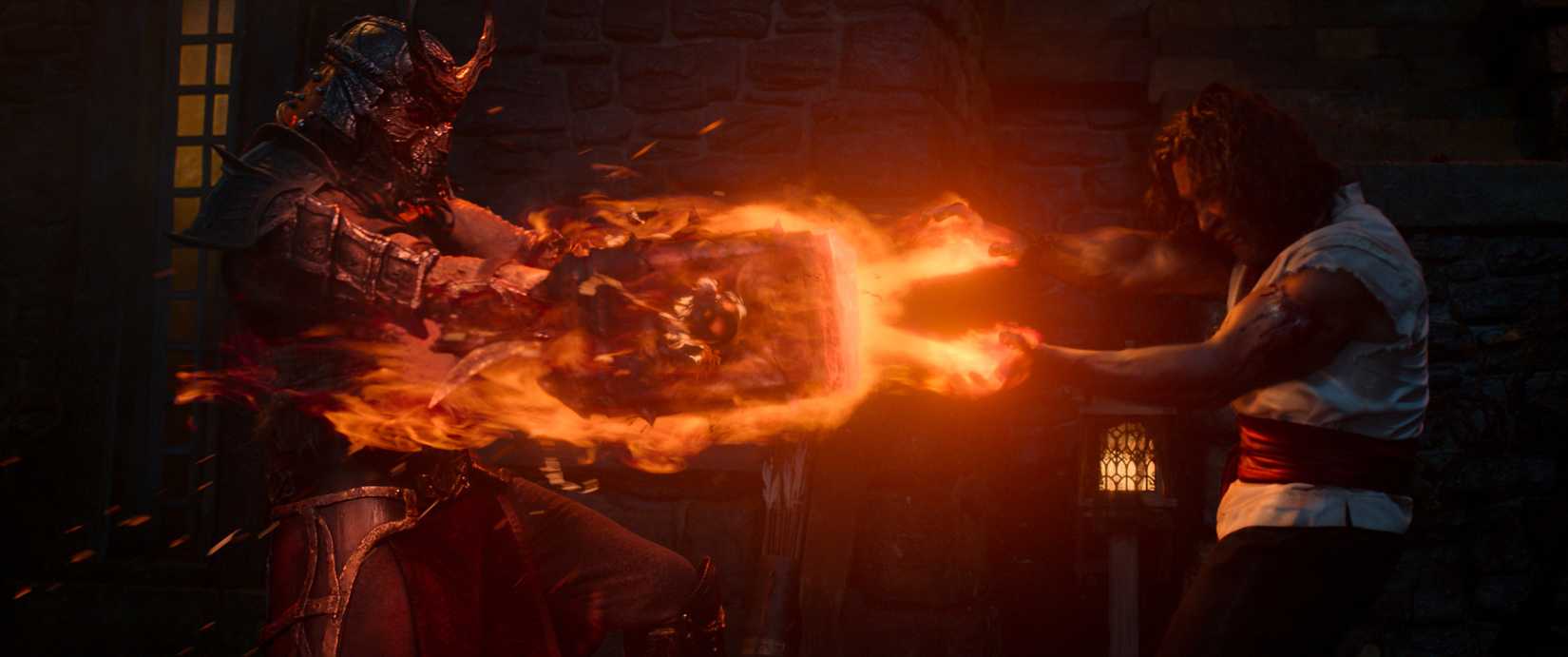 Image: Warner Bros. Pictures
The film’s primary antagonist, Shao Kahn (Martyn Ford), is responsible for a brutal tally of fatalities, including the violent demise of Cole Young and the throat-piercing execution of Jax. In the film’s climax, Shao Kahn delivers what seems to be a fatal blow to Liu Kang. However, rather than succumbing as a typical corpse, the Earthrealm champion’s body ignites into flame. Liu Kang warns that defeating him will only make him more powerful than the Kahn can conceive. Like a phoenix reborn from the ruins of Edenia, Liu Kang vows to retrieve Kung Lao from the afterlife.
While his permanent status remains ambiguous, death has historically been a revolving door for Liu Kang in the games. In 2002’s Mortal Kombat: Deadly Alliance, he is slain by Shang Tsung and Quan Chi, only to return as a “revenant”—the franchise’s iteration of a zombie. His spiritual and physical forms eventually fractured, leading to the ultimate cessation of both.
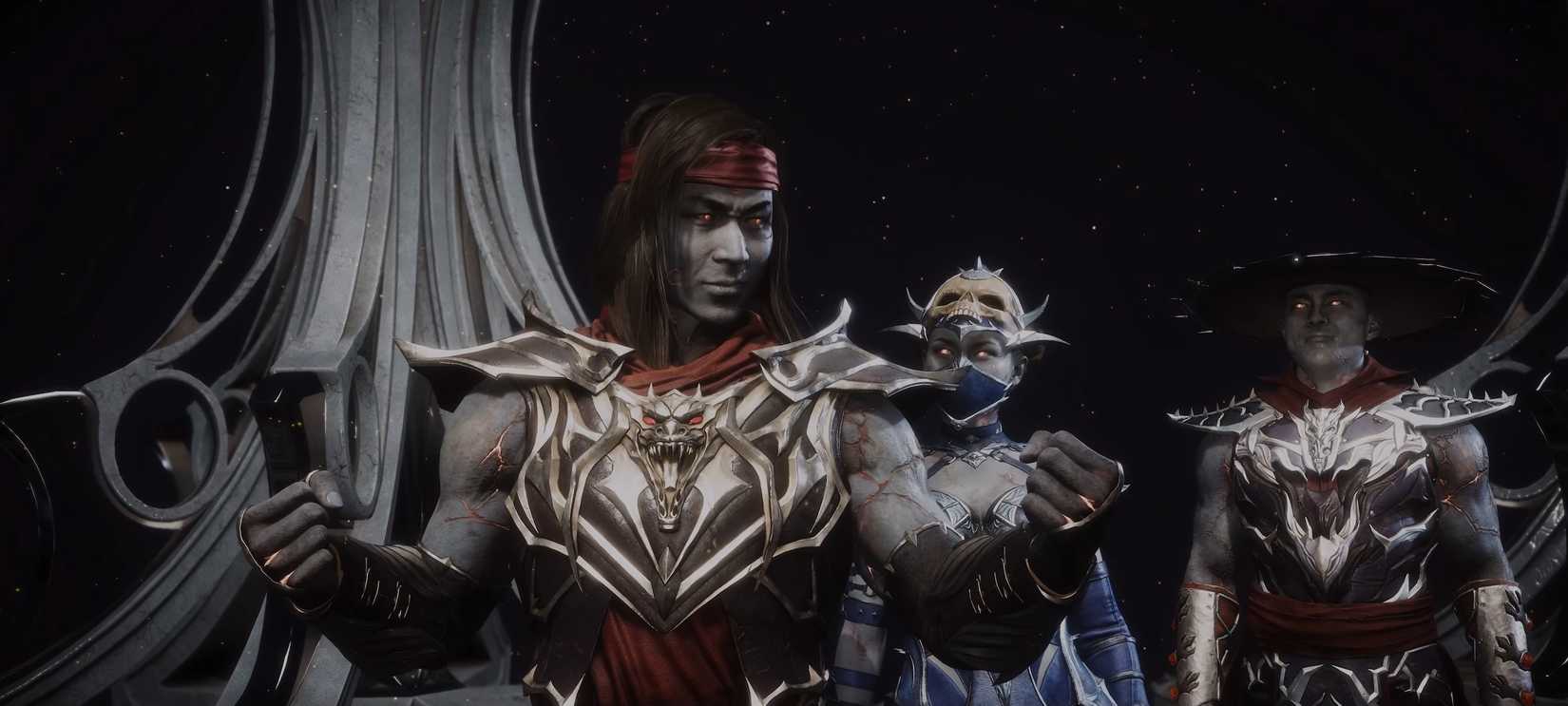 Image: NetherRealm Studios/Warner Bros. Games
In the 2011 soft reboot, Liu Kang returns in his human guise, only to be accidentally killed by his mentor, Raiden. Predictably, Quan Chi resurrects him as a revenant, and by Mortal Kombat X, he and Kitana rule over the Netherrealm. Fast forward through the timeline-bending events of Mortal Kombat 11 and its Aftermath expansion, and we see an amalgamation of versions—human, revenant, and god—merging into the singular “Fire God Liu Kang.” This entity subsequently resets the timeline entirely, establishing the foundation for 2023’s Mortal Kombat 1.
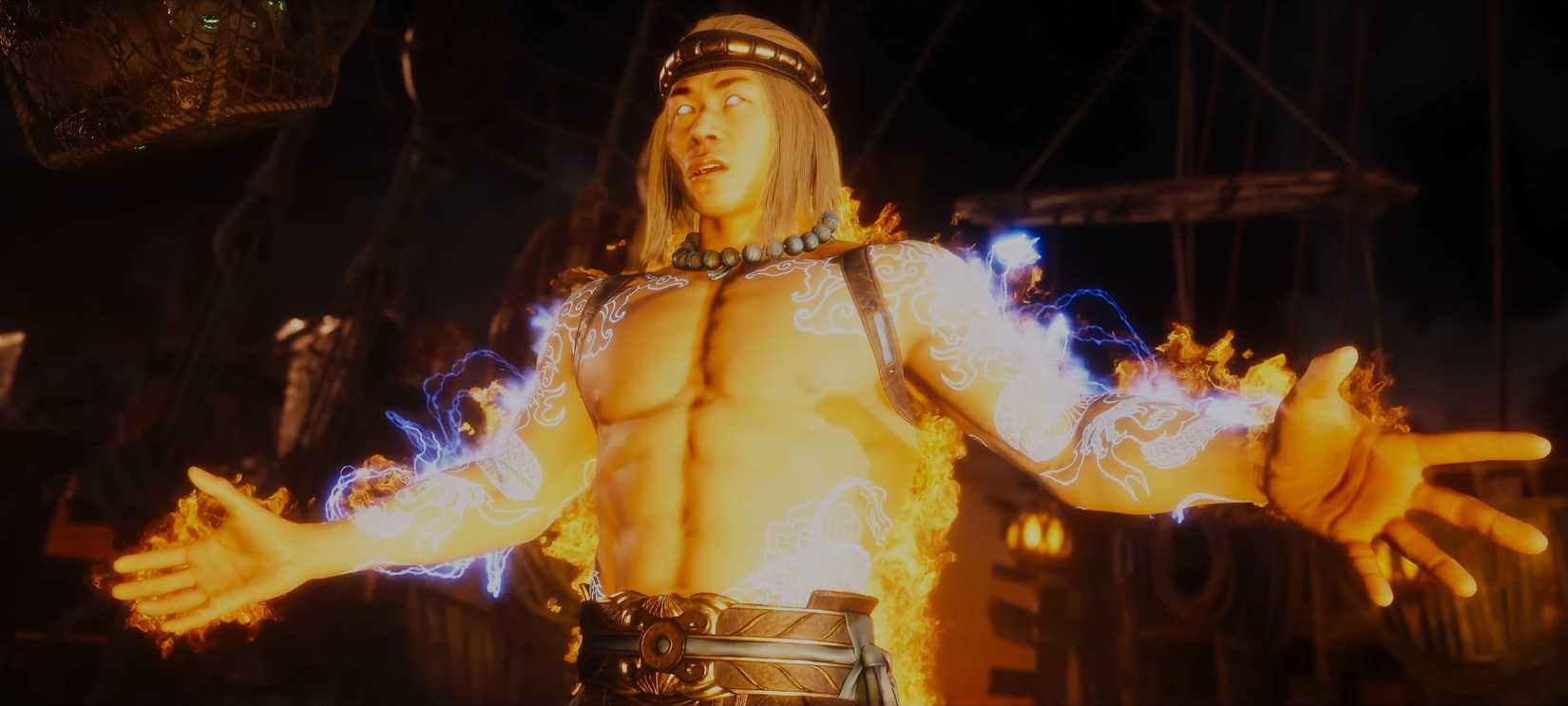 Image: NetherRealm Studios/Warner Bros. Games
While the Mortal Kombat 2 film lacks the space to fully unpack how Liu Kang transcends his humanity, the narrative trajectory clearly points toward him becoming a deity akin to Raiden. Having shed his mortal constraints, he has evolved into something far more formidable.
The finale suggests the surviving warriors are orchestrating a plan to retrieve their fallen allies from the clutches of the afterlife. While the sorcerer Quan Chi will undoubtedly play a pivotal role in this necromancy, Liu Kang’s new, elevated status makes him a central player. His vow to rectify matters with Kung Lao, even after their tragic confrontation, provides a clear roadmap for the narrative arc of Mortal Kombat 3.
Source: Polygon
Related articles
 US Xbox Sales Hit Historic Low Amid Record Prices While PlayStation Sees Weakest Result Since 2013
 PlayStation Store Launches Players’ Choice Sale With Discounts Up to 85 Percent
 SEGA Casts Charlie Cox in New Game Despite Initial Preference for American Actor
 Unused Ending Detail Revealed for The Last of Us Part II
 Unboxing Video Released for Unofficial Resident Evil Requiem Leon S. Kennedy Figure Set by Por.Toys
 Five Calvin and Hobbes Comic Strips About Hating School
 Square Enix’s Forgotten Loot-Shooter Was Years Ahead of Its Time
 Marathon Is the Scariest Horror Game of 2026