Ten years ago this month the fifth and final episode of Life Is Strange landed, and those of us who had followed its twists for months were confronted with a gut‑wrenching decision: preserve the seaside town and everyone who lives there, or keep Chloe — your reckless, magnetic best friend.
It was basically the Trolley Problem in interactive form, and the game’s statistics revealed something revealing about players: 52% chose Chloe over an entire town. I wasn’t shocked — if anything, I expected the percentage to be even higher. Plenty of us will raze a community if it means keeping the person we care about.
Chloe Price, though not the playable protagonist, is the emotional core of Life Is Strange. She’s combustible, easily provoked, sometimes manipulative and heartbreakingly imperfect — and yet she charms you anyway. At her best she’s witty, fearless and fiercely loyal: the kind of flawed, infuriating person you love fiercely despite their mistakes.
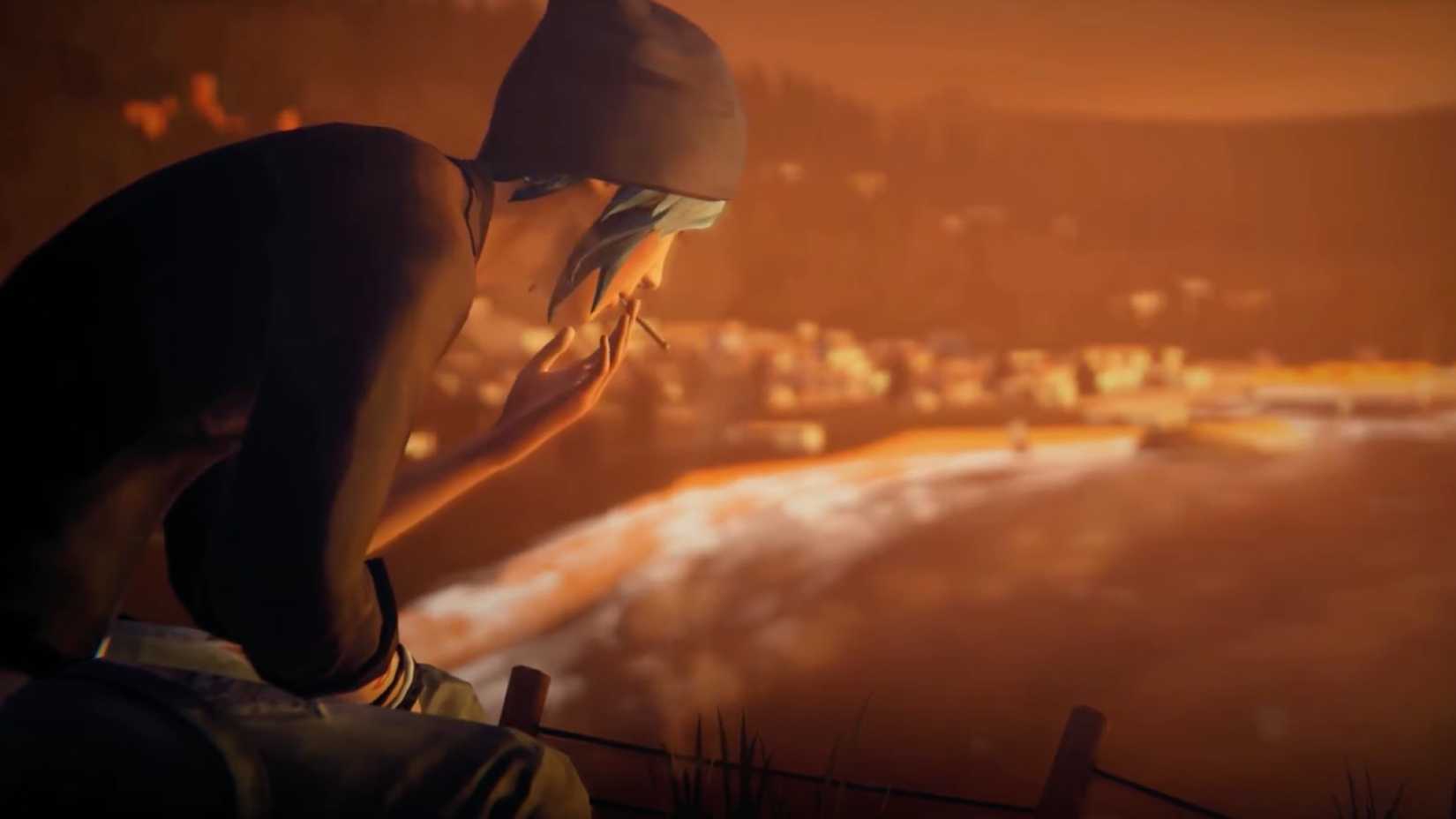
Life Is Strange lets players shape the bond between Chloe and Max — whether you play them as lovers or as inseparable friends, their chemistry feels authentic. Chloe is what gives Max texture; without her, Max starts to feel like a blank slate. Players empathize with Max because of the way she cares for Chloe, and the fact that so many people chose to save Chloe underscores how vividly written and emotionally resonant she is.
That strength, however, is the very thing that complicates sequels. When narrative decisions hinge on player choices — and when time travel and alternate realities enter the equation, as they do in 2024’s Life Is Strange: Double Exposure — continuing the story becomes a knotty task. The sequel makes a misstep that, to me, is hard to forgive: Chloe is largely absent. If you sacrificed her in the original, her absence makes grim sense. But if you saved Chloe, her nonexistence in Double Exposure is explained away with a shrug: Max says they simply “grew apart.”
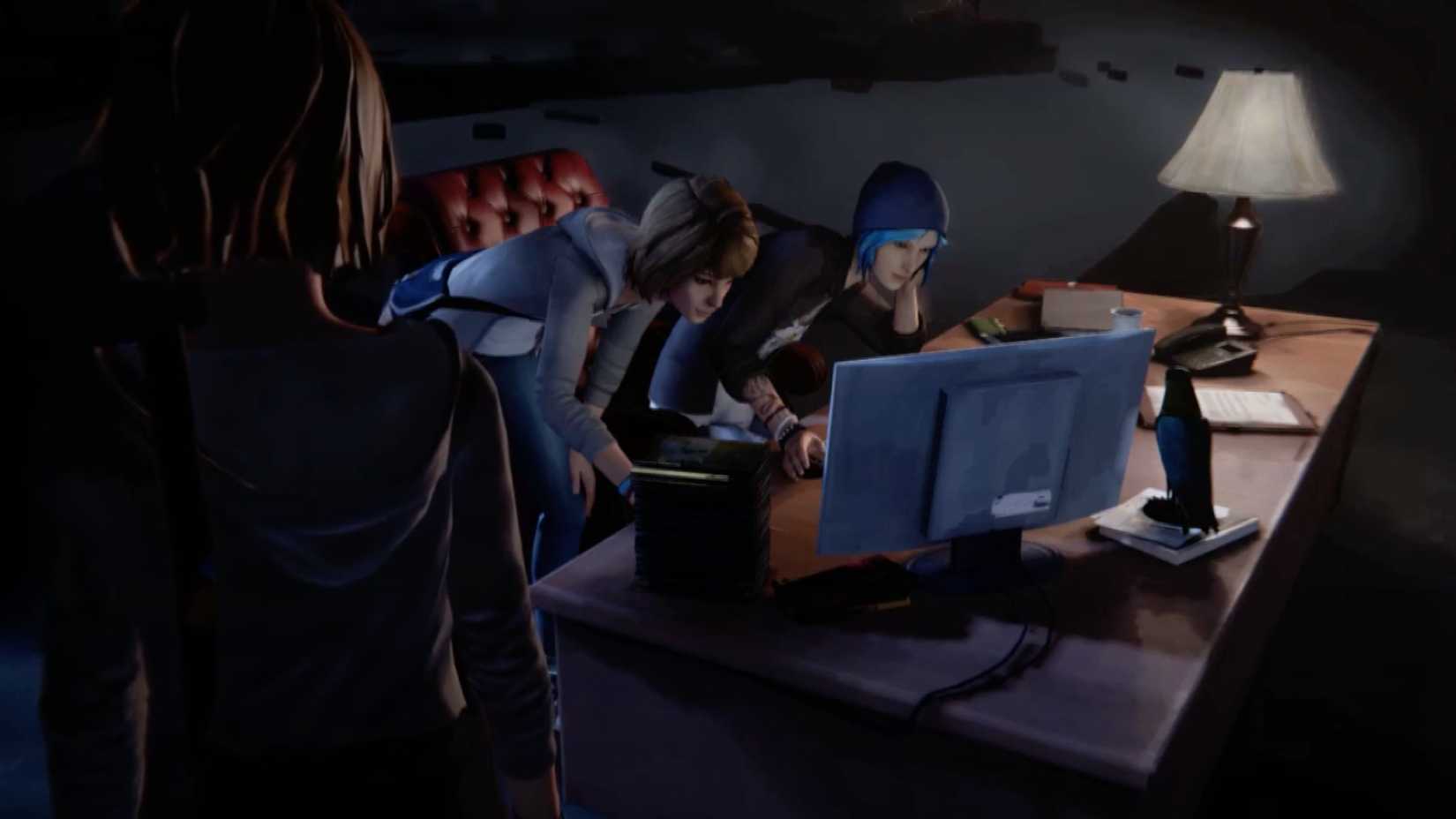
Come again? The Chloe who exploded when she felt abandoned, the Chloe Max repeatedly rescued by rewriting fate — that Chloe simply “drifted away”? After all the near‑misses and death‑defying rescues, it’s hard to accept a casual separation as the whole explanation. If Max and Chloe truly parted ways after surviving calamity together, it should be earned on screen; otherwise the choice to save Chloe in the first game loses emotional weight.
Max Caulfield — and the franchise at its finest — are inseparable from Chloe. If the writers insist on treating Chloe as a relic of the past, they should at least commit to a clear, decisive narrative outcome. Either keep her central to the story or give her a definitive fate.
Think about it: Chloe needs Max in more ways than affection. Without Max’s time‑bending interventions, Chloe’s life is precarious — she’s almost a Final Destination character in miniature, constantly flirting with disaster. From bathroom confrontations to reckless stunts and train mishaps, Chloe survives because Max rewinds time and alters the outcome. If she’s offscreen and unprotected, it’s hard to believe she should still be walking around unscathed.
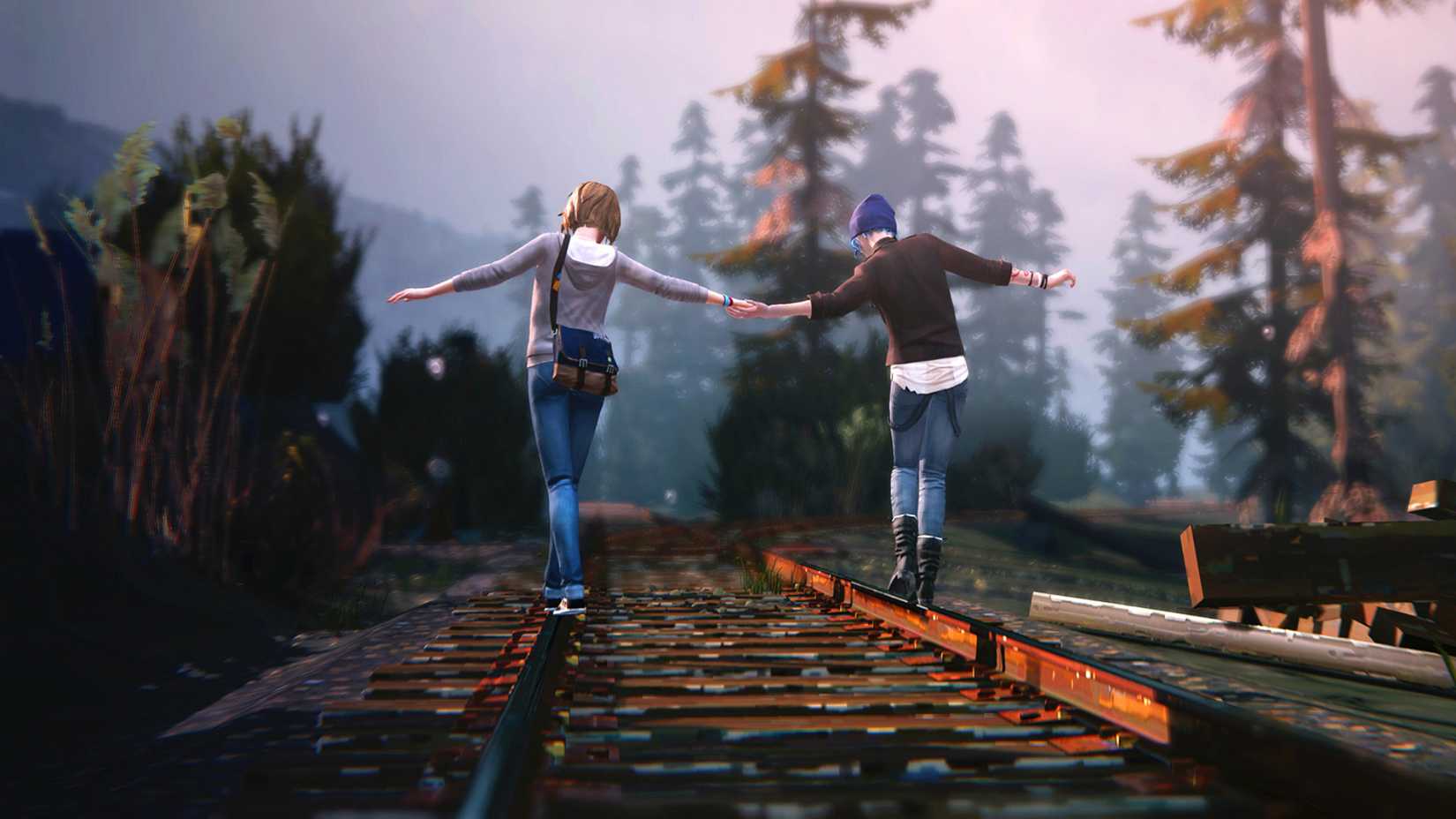
Life Is Strange: Double Exposure leans hard into the multiverse idea — taking Max between realities where a close friend is either dead or alive. If future installments keep exploring alternate timelines, I’d love to see that focus turned back toward the person who made us care in the first place: Chloe Price. Let the mechanics of parallel worlds center on the stakes around her survival.
There’s also the upcoming Life Is Strange TV adaptation to consider. Translating the games to television will raise two pivotal questions for writers: can they capture Chloe’s catalytic effect on Max, and will they make her death or survival official? How the show answers those questions will shape how audiences new and old experience this story.
Source: Polygon