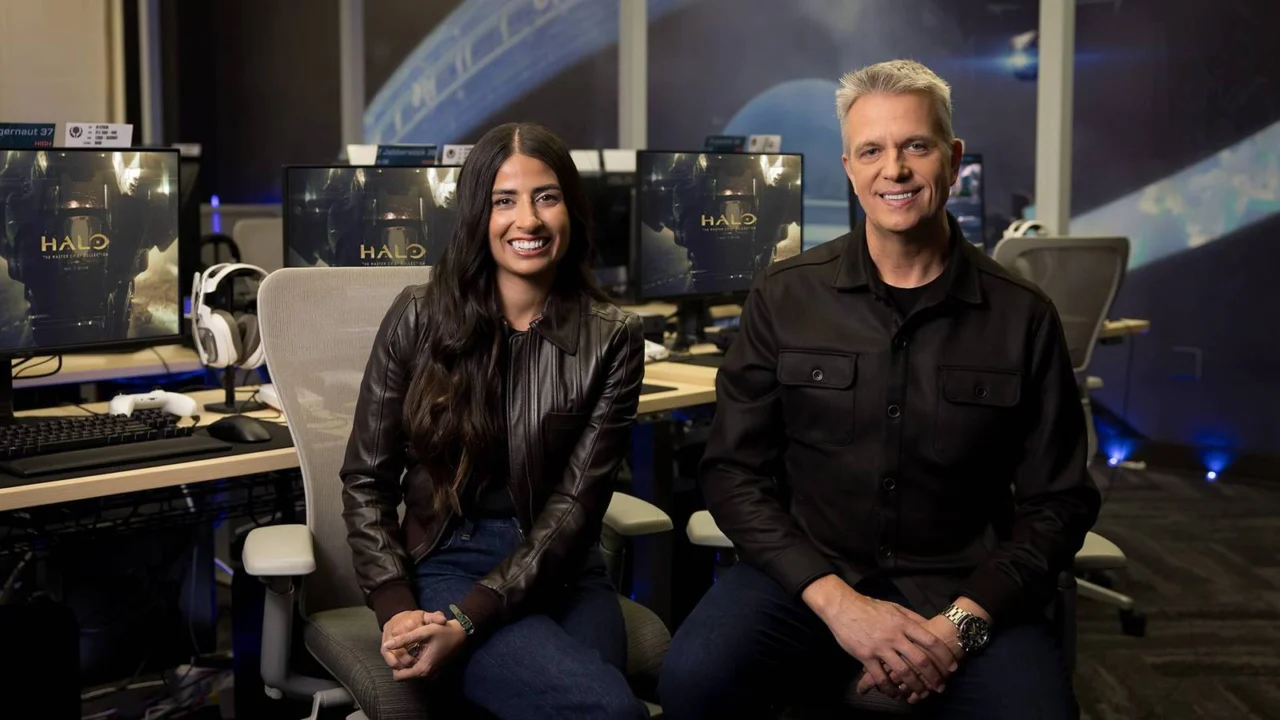
5 Key Trends to Watch at GDC This Year
Annually, the global gaming industry gravitates toward San Francisco for a pivotal summit: the Game Developers Conference (GDC). This gathering serves as a vital nexus for professionals, offering a week defined by high-level panels, technical showcases, and the clandestine meetings that often greenlight the next generation of interactive entertainment. While it lacks the consumer-focused bombast of the now-defunct E3, GDC is the engine room of the industry, signaling upcoming technological shifts and determining which creative visions receive the oxygen of funding.
The 2026 iteration arrives at a particularly turbulent juncture. Faced with escalating hardware expenses, the pervasive integration of AI, and a landscape of platform uncertainty, developers are convening in search of a sustainable blueprint for the future. GDC itself is undergoing a metamorphosis; this year, the organizers are attempting to bridge the gap between industry insiders and enthusiasts through an ambitious “Festival of Gaming” expansion.
Our team is on the ground in San Francisco to document how creators are navigating this complex ecosystem. Through hands-on demos, seminar attendance, and direct dialogues with developers, we are investigating the state of play. As the week unfolds, we will be focusing on five primary trends that are set to redefine the industry’s trajectory.
Defining the New GDC Era
Having covered GDC for years, I have grown accustomed to its identity as a business-first sanctuary—a place defined by professional networking within the Moscone Center’s inner sanctums. However, 2026 represents a departure from tradition. The event is pivoting toward a public-facing model, emphasizing the “Festival of Gaming” to draw in a broader audience. While GDC has always maintained a small expo floor, this year’s scale suggests a more aggressive attempt to court the general public.
The implications of this shift remain ambiguous. On paper, it appears GDC is attempting to fill the void left by E3, yet merging a professional conference with a fan convention is a delicate balancing act. If successful, it could secure the event’s longevity; if not, it risks diluting the professional utility that makes GDC essential. We will be monitoring this new dynamic to see if a permanent cultural shift is underway.
The AI Infiltration
GDC has always been a lightning rod for emerging—and sometimes polarizing—technologies. Whether it was the short-lived obsession with the Metaverse or the influx of NFT proponents, the show floor often mirrors the industry’s latest fixations. Currently, that focus has shifted entirely toward generative AI. There is a palpable tension between executives eager to automate processes and developers who view these tools with profound skepticism.
Expect AI to be the dominant theme of the week. The schedule is packed with machine-learning seminars that will likely face rigorous questioning from the gallery. Meanwhile, the expo floor will be crowded with tech firms attempting to normalize AI integration. Much like the blockchain push of previous years, the industry’s reception this week will determine whether AI becomes a foundational tool or remains a contentious peripheral gimmick.
The Escalating Economics of Development
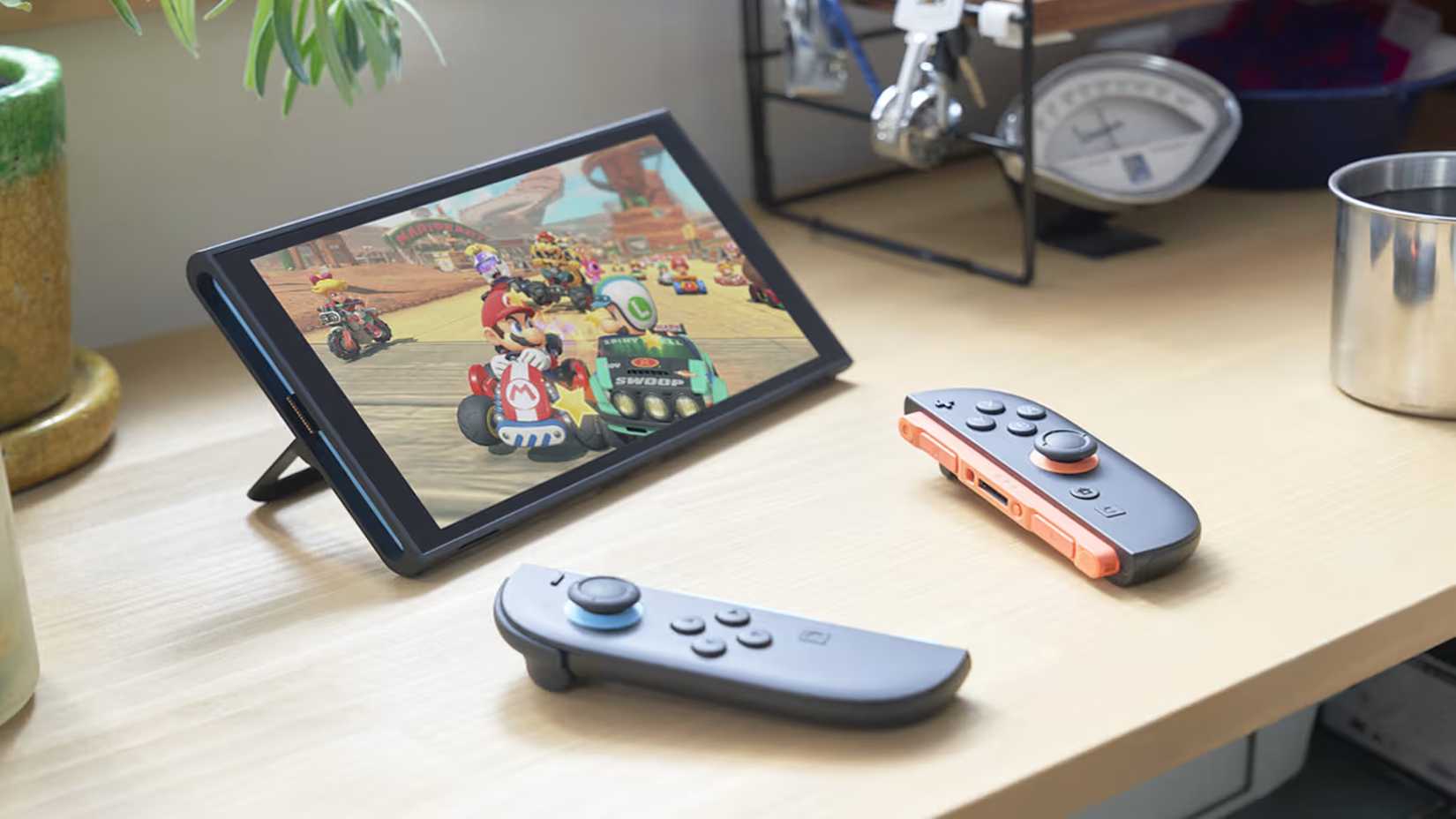 Photo: Nintendo
The impact of AI extends beyond software; it is actively disrupting the hardware market. As AI infrastructure consumes vast quantities of RAM, the global cost of memory components has surged. This financial pressure is being felt across the board, making PCs and consoles increasingly expensive to produce and purchase. These complications are further exacerbated by aggressive international trade tariffs, which have inflated the price of imported technology.
This year, GDC will double as an economic forum. Professionals are seeking ways to mitigate ballooning development budgets in an era of rising overhead. While definitive solutions are unlikely to emerge in a single week, the confrontation between creative studios and the tech giants driving these costs will undoubtedly spark intense debate behind closed doors.
The Xbox Reorganization
 Image: Xbox/Microsoft
Xbox is currently navigating a period of profound administrative upheaval. With the departure of Phil Spencer and Sarah Bond, Asha Sharma has stepped in as the new CEO, signaling a shift that has left many industry observers apprehensive. Speculation is rampant: is Microsoft preparing to pivot away from dedicated hardware? Is the brand transitioning toward a multi-platform service model powered by AI-generated content?
While a total roadmap is unlikely to be unveiled this week, Microsoft’s presence at GDC will offer critical clues. Keynote addresses focused on “building for the future” and technical deep dives into titles like Indiana Jones and the Great Circle will provide insight into the company’s new direction. For developers, the stakes are high; they need to know if the Xbox ecosystem remains a stable and lucrative platform for their upcoming projects.
Geopolitical Tensions and Global Attendance
GDC has historically thrived on its internationalism, acting as a global crossroads for creative minds. However, in 2026, maintaining this cosmopolitan spirit is increasingly difficult. Current U.S. travel policies and reports of border complications have created a climate of apprehension for international attendees. Many professionals are reconsidering whether the logistical risks of traveling to the United States outweigh the benefits of the conference.
The conference can ill afford a decline in global participation. Between the steep cost of admission and the high price of accommodation in San Francisco, GDC was already facing criticism from the developer community. A noticeable drop in international attendance could embolden calls to move the event to a more accessible global hub. Ultimately, if the world’s developers cannot congregate, the industry loses its best opportunity for diverse collaboration and cross-border innovation.
Source: Polygon
Related articles
 Quiet Express: Cabin 909 Is a Blue Prince-Style Mystery About a Train That Crashes Every 7 Days
 Three Resident Evil Remakes Launch on Switch 2
 Leap of Faith in a Ruined World: Where the Seeds Fall Demo Is Out
 Stranger Than Heaven Opening Act Trailer Shows Snoop Dogg’s Orpheus Captaining Ship in 1915
 Doug Cockle, Geralt’s game voice actor, initially mistook Henry Cavill’s invite for a scam, per an interview with Ginx TV (Cockle’s own account). Final headline: Witcher Game Voice Actor Doug Cockle Initially Mistook Henry Cavill’s Premiere Invite for a Scam
 Hellraiser Creator Hints at New Projects After Hellraiser: Revival Success
 Final Trailer Released for Bleach: Thousand-Year Blood War – The Calamity Anime
 Robert De Niro’s Best Gangster Movie Quote From Goodfellas Endures 36 Years Later