
40 Years Later: The Iconic Sci-Fi Thriller That Redefined Sequels and Changed Hollywood Forever

Every sequel confronts an inherent paradox: audiences crave the comfort of the familiar, yet they demand the excitement of the novel. Lean too heavily on nostalgia, and the film feels derivative; diverge too sharply, and it risks losing its identity. Hollywood has spent decades wrestling with this balance, but few franchises have mastered it quite like the one that began with a singular, nightmarish creature haunting a lone spacecraft—only to pivot, with surgical precision, into an entirely new genre.
Forty years on, Aliens remains the definitive case study in how to craft a sequel without simply mirroring its predecessor. By shifting away from the claustrophobic, haunted-house atmosphere of Ridley Scott’s 1979 original, James Cameron transmuted the series into a high-octane military thriller. He managed to retain the crushing weight of corporate malfeasance and the existential dread of encountering an uncontrollable cosmic horror, all while redefining the potential of the franchise. It wasn’t just a superior sequel; it served as a masterclass in narrative evolution.
While Alien focused on the primal instinct for survival against an unknown threat, Aliens pivots to the tragic hubris of the Colonial Marines. Bringing Ellen Ripley (Sigourney Weaver) back to the desolate moon of LV-426, the film arms a squad of soldiers with pulse rifles and heavy armor. Their arrogance—their belief that they could subjugate such a creature through sheer firepower—is exactly what makes their eventual downfall so harrowing.
Cameron recognized that increasing the scale of a movie doesn’t necessitate a mere repetition of tropes. The xenomorphs remained genuinely terrifying because he refused to let the Marines’ hardware grant the audience a sense of safety. Their swagger through the halls of Hadley’s Hope feels earned until the moment it is violently stripped away, proving that advanced weaponry is entirely insufficient against an apex predator.
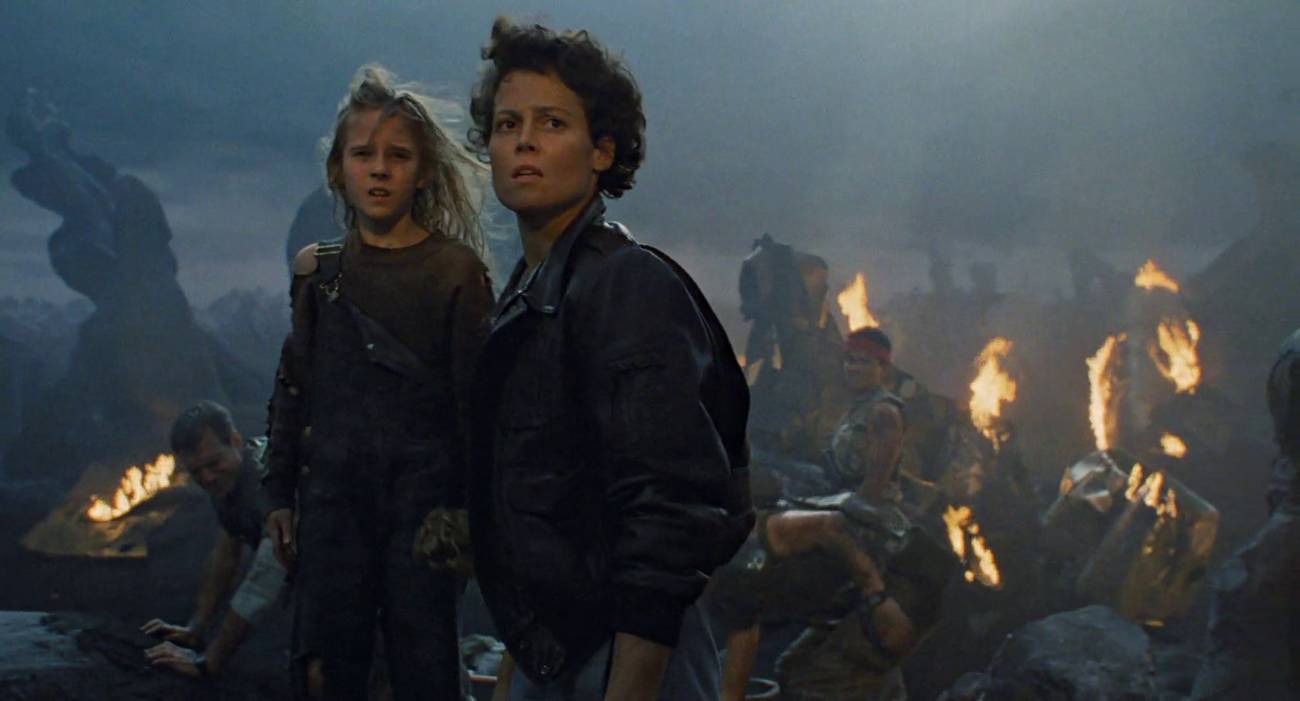
Ripley continues to serve as the franchise’s beating heart. Her return to LV-426 is not merely a mission; it is a confrontation with the trauma that shattered her life, compounded by her protective bond with Newt. Meanwhile, the introduction of the Alien Queen provided a breathtaking expansion of the series’ lore, delivered through visual storytelling rather than clunky exposition. It was a narrative necessity, not a marketing gimmick.

Cameron later revisited this sequel dynamic with Terminator 2: Judgment Day, but through a different lens. If Aliens is an act of reinvention, T2 is an act of refinement, perfecting a successful formula by flipping the roles of its primary players. Aliens, however, remains the bolder achievement because it dared to fundamentally change the tone and texture of its world.
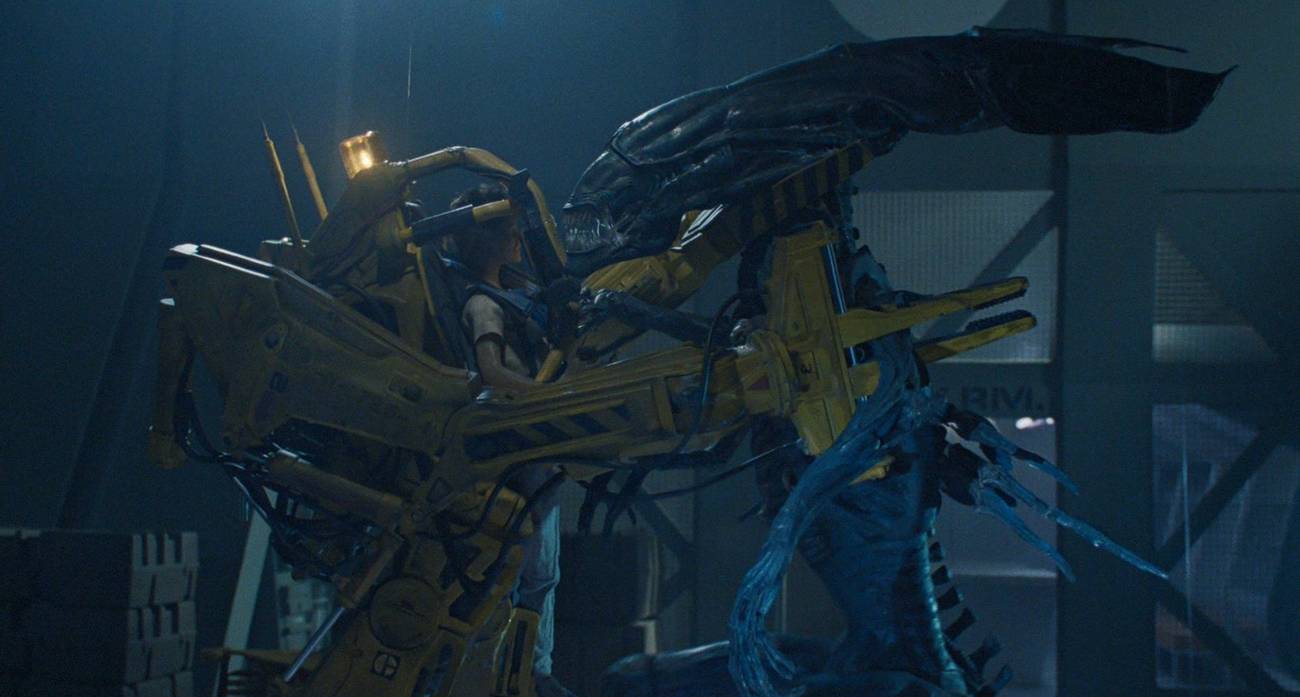
Today, the industry often confuses “bigger” with “better,” filling films with endless callbacks and lore-dumping. Aliens serves as a permanent rebuttal to that philosophy. A universe expands not through the accumulation of facts, but through the courage to tell stories that explore uncharted emotional and genre territories. It remains the gold standard for sequels because it understood that the most compelling way to revisit a world is to show us something we never expected to find there.
Source: Polygon
Related articles
 Could Marvel’s Wolverine Cost Sony a Top Nomination at The Game Awards Due to Low Scores
 Roblox Discloses Creator Earnings
 $400 Death Stranding 2 Sam Figure Features Typo
 Kojima Discusses Budget and Team Size Limitations for Death Stranding
 Blizzard Details Diablo IV Season 15 Battle Pass Rewards and Deluxe Edition Bonuses
 Activists Boycott New StarCraft Over Female Marine Character Designs
 Ten Best Nonfiction Books About World War II
 Why GTA 6 Has Not Received a Gameplay Trailer Yet