Jennifer Hale is intimately aware of the profound impact video games can have on a person’s life. During a recent video conversation, the iconic voice behind Commander Shepard shared a poignant story about a Mass Effect player who discovered the series under unique circumstances. After suffering a stroke in her early 30s, a woman was advised by her physiotherapist to pick up a controller to help restore her fine motor skills. That therapeutic journey eventually led her into the heart of the BioWare universe.
Beyond the technical side of gameplay, Hale emphasizes that gaming fosters deep-rooted connections, from lifelong friendships to romantic partnerships. For her, the series has provided a vital sense of belonging. She views her interactions with the Mass Effect community—whether at crowded conventions or in digital spaces—as an “incredible privilege.”
Notably, Hale avoids the term “fans.” She admits the word makes her uncomfortable because she views the audience as a “community.” To her, the players are the essential “other end of the experience,” whether they are engaging through deep-dive playthroughs, intricate cosplay, fan art, or even tattoos. “It’s incredible what the game means to them,” she remarked.
A significant factor in the trilogy’s enduring legacy is its commitment to inclusivity, which Hale describes as “revolutionary.” For those who only recently experienced the series via 2021’s Mass Effect Legendary Edition, it might be hard to fathom the controversy sparked by its progressive themes in 2007. The inclusion of same-sex relationship options famously drew the ire of Fox News. Hale remembers the backlash with a sense of irony: “It pissed Fox News off so much… and I was like, ‘Well, great. Just get the name right. It’s great for sales.'”
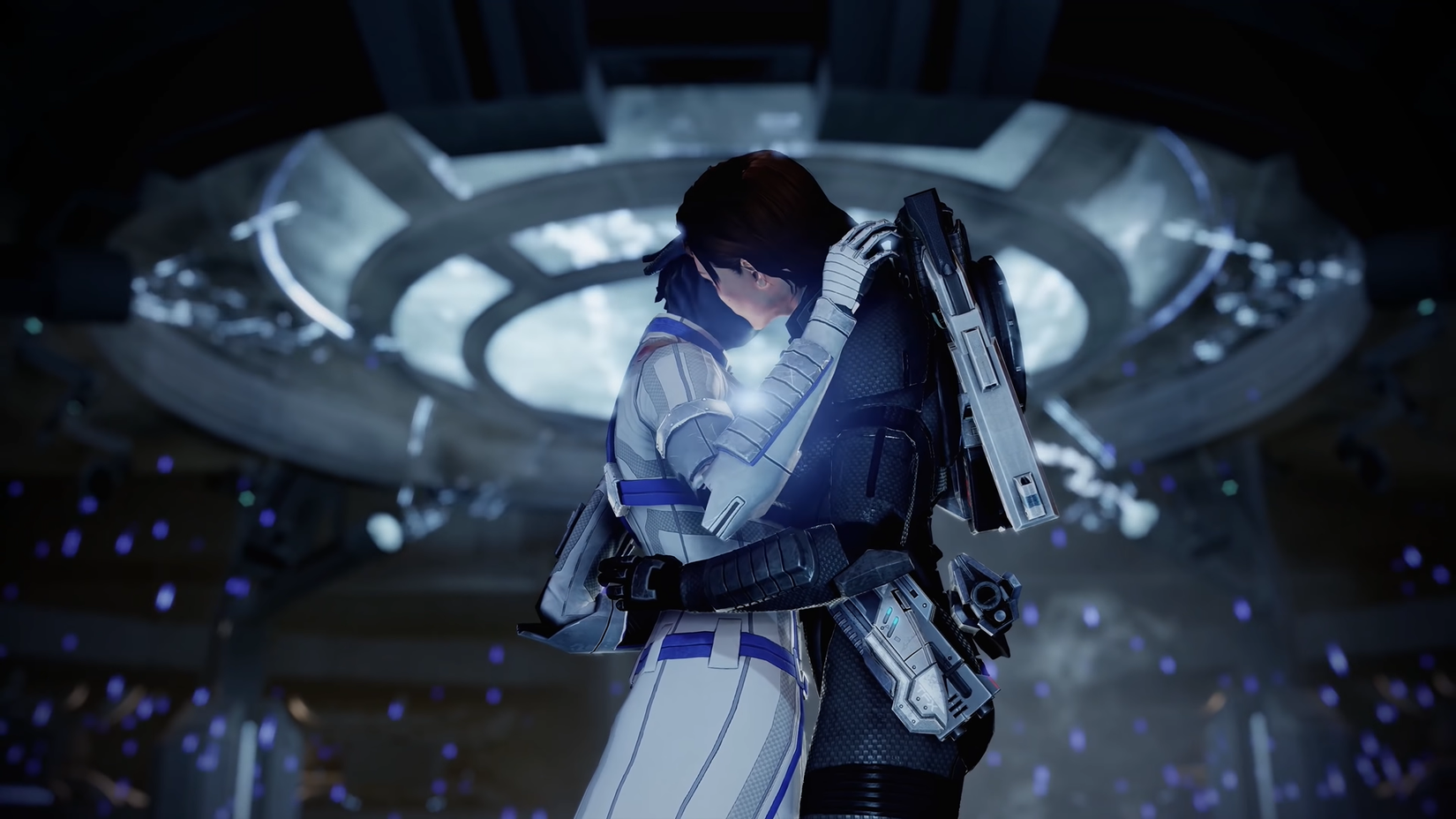
When the first trailer for the Legendary Edition debuted, Hale found herself overcome with emotion. Seeking a connection with the community, she shared her raw reaction online. One specific comment resonated deeply with her: “This is what representation looks like.”
Reflecting on her career, Hale noted that she entered the industry at a time when female characters were often treated as secondary. It wasn’t until the third installment that “FemShep”—the version of Shepard many fans consider the definitive protagonist—was featured on the game’s cover. “You just get used to being second-class… until somebody puts you in first class and you’re like, ‘Oh my God, this is what it feels like,'” she explained. This realization highlighted the vital importance of representation, something she believes the original trilogy achieved with remarkable quality.
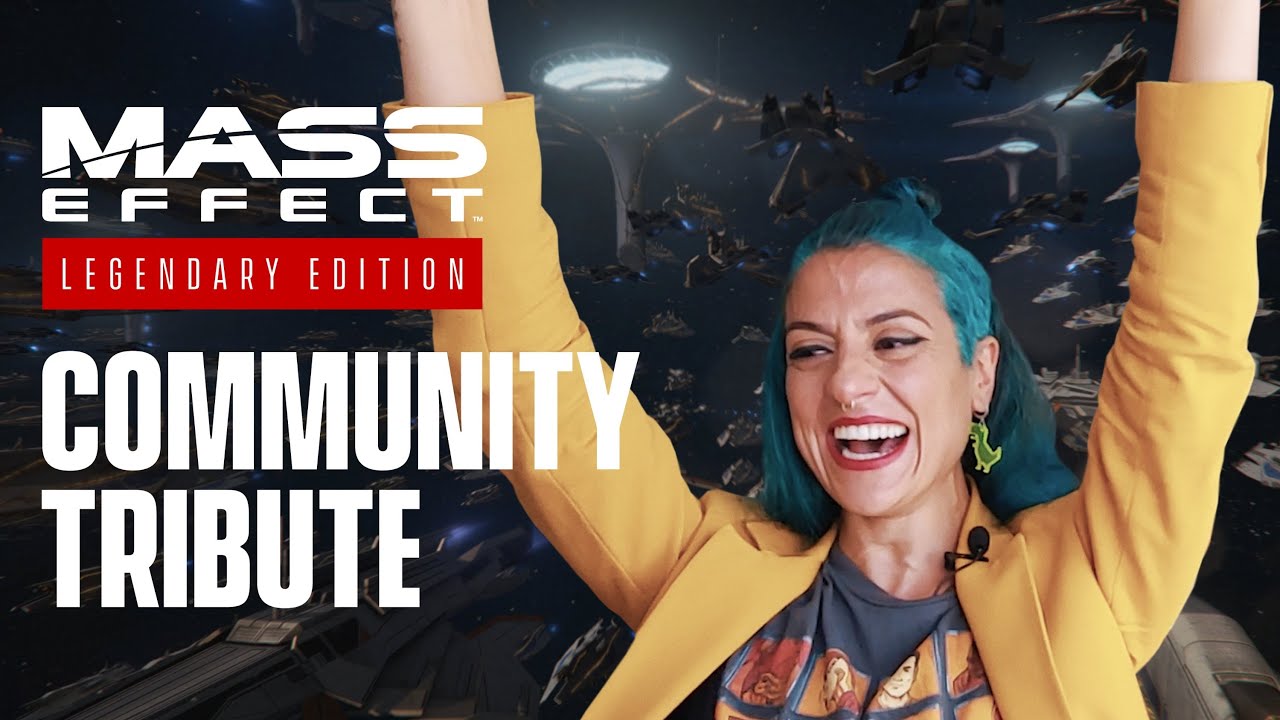
Despite being the voice of the galaxy’s savior, Hale isn’t a gamer herself. She jokingly admits that she “sucks” at playing them. During a profile for The New Yorker in 2011, she was encouraged to play the opening of Mass Effect 2, an experience she found both frustrating and illuminating. Seeing the game in action provided a level of context that voice actors rarely have during production.
Hale explained that 85% of her work involves “cold reading,” where she sees the script for the first time as she enters the booth. Seeing the finished environments and character models after the fact often makes her wish she could revisit her performance with that newfound perspective. “If I’d have known that, I would have added this nuance,” she lamented, noting that seeing the final product sometimes “makes me crazy.”
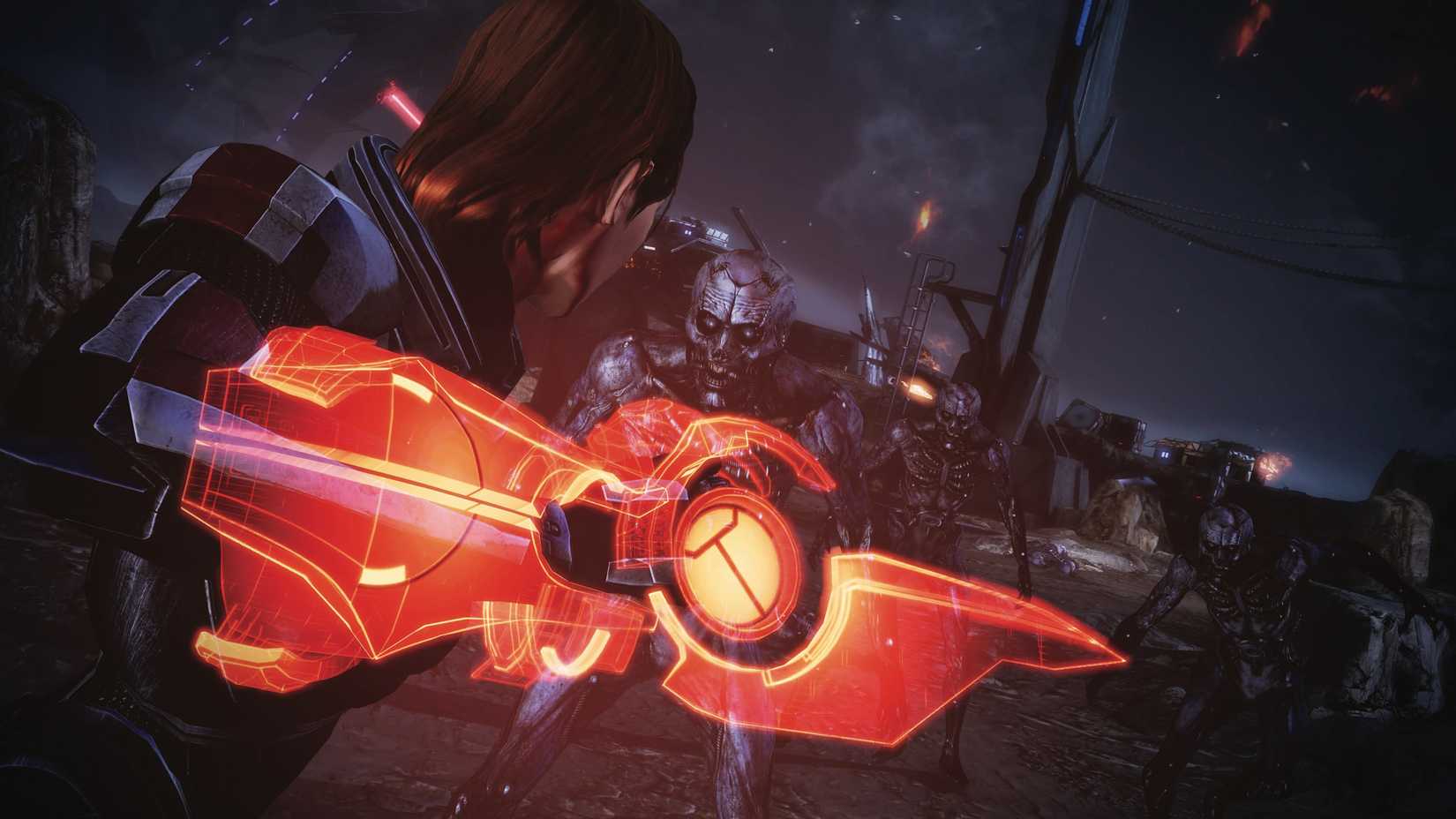
However, BioWare did provide Hale with more context than is typical for the industry, offering briefings on the overarching plot and the complex branching dialogue systems. This required Hale to master the “emotional whiplash” of recording Paragon and Renegade versions of the same scenes. She would record a neutral take before “flavoring” it for each moral path. Between the two, she found the Renegade lines more liberating: “Paragon is who I wish I was, and Renegade is what I wish I could say.”
By Mass Effect 2 and 3, Hale felt the team had truly hit their stride, allowing for a more authentic, grounded acting style. This realism occasionally became intense; she recalls making her director squirm during the recording of Shepard’s harrowing death scene at the start of the second game.
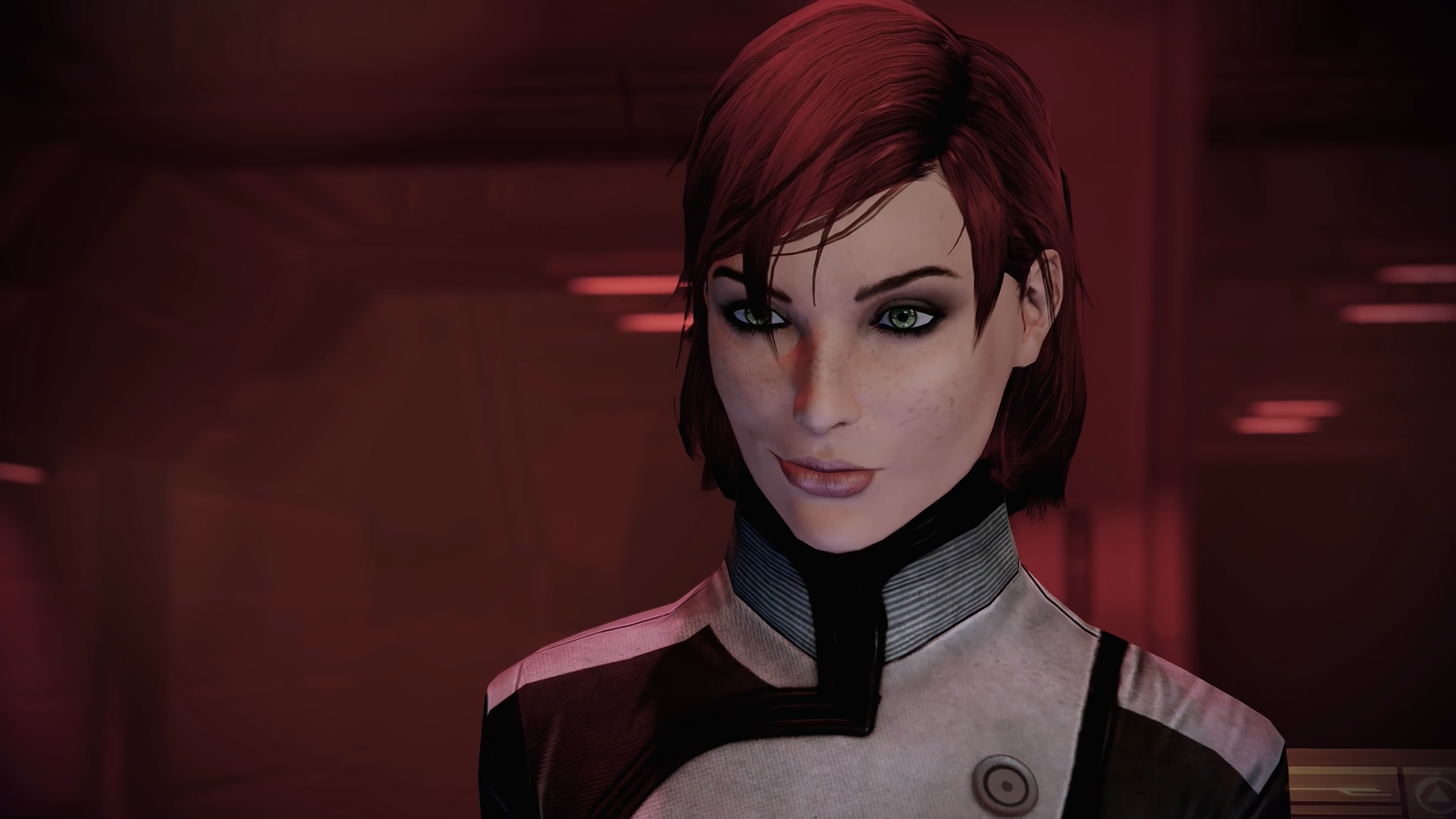
While voice recording is often an isolated process, Hale occasionally got to act against the recorded lines of her costars, such as Keith David (Captain Anderson). She described the ability to interact—even virtually—with another actor’s performance as “magic.” These interactions were often deeply emotional; she specifically remembers the goodbye scenes with Garrus being particularly difficult to get through. “Shepard doesn’t cry. Suck it up,” she would tell herself to stay in character.
As the series looks toward the future, Liara T’Soni is the only confirmed returning character, though fans continue to speculate about Shepard’s potential involvement. While Hale hasn’t yet worked on the upcoming title, she expressed a clear desire to return if it benefits the narrative. For now, she remains happy to see the community continue to cherish the Legendary Edition, even if she won’t be finishing a playthrough herself anytime soon.
Source: Polygon