On Thursday, the Nintendo Switch 2 adds another exclusive: Kirby Air Riders. It joins recent additions such as Hyrule Warriors: Age of Imprisonment and Donkey Kong Bananza. But this isn’t a routine sequel — it aims to rehabilitate the reputation of a once-maligned cult title.
Kirby Air Riders is a follow-up to 2003’s Kirby Air Ride, a GameCube action-racer directed by Masahiro Sakurai, the creator best known for Super Smash Bros. Given Sakurai’s stature today and the strong feelings fans have for Kirby, a modern sequel feels timely. Back in 2003, however, the reception was mixed: critics found the game’s design choices puzzling and the overall package underwhelming.
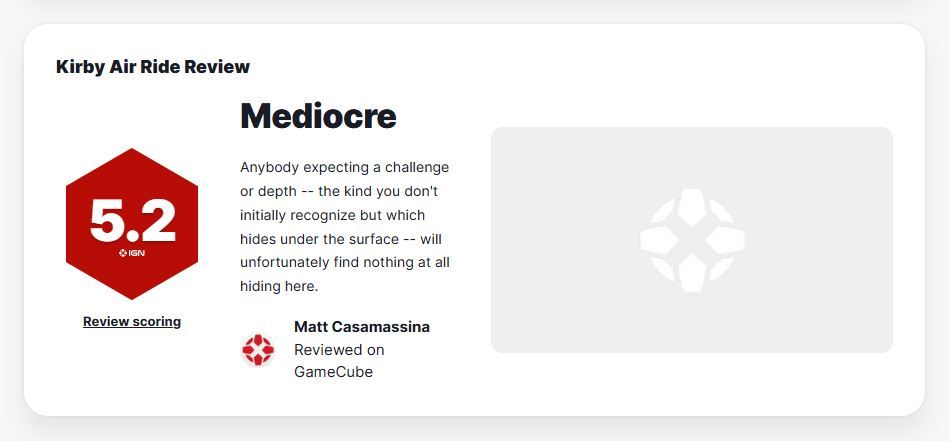
Metacritic lists Kirby Air Ride with an aggregated score of 61, reflecting a mix of praise and sharp criticism at launch. While outlets like Nintendo Power and GamePro offered favorable takes, prominent reviewers including IGN and GameSpot rated it roughly in the low-50s, and other outlets were even harsher. Much of the negative reaction centered on the game’s unconventional one-button control scheme — actions from boosting to inhaling enemies were mapped to a single input while vehicles accelerated automatically, a departure from typical racing controls.
At the time, IGN’s review repeatedly described the controls as unintuitive, arguing the design choices undermined the gameplay. Similarly, GameSpot’s critique condemned the overly simplified mechanics as limiting, noting the one-button approach felt stripped down and often dull. Even City Trial — now the mode many players remember fondly — was dismissed by some reviewers as shallow busywork rather than compelling open-world play.
Other critics struck a more balanced tone. G4’s X-Play praised the game’s bright visuals and inventive modes, but still concluded that Kirby Air Ride skewed toward younger players and lacked depth for older, more demanding audiences.
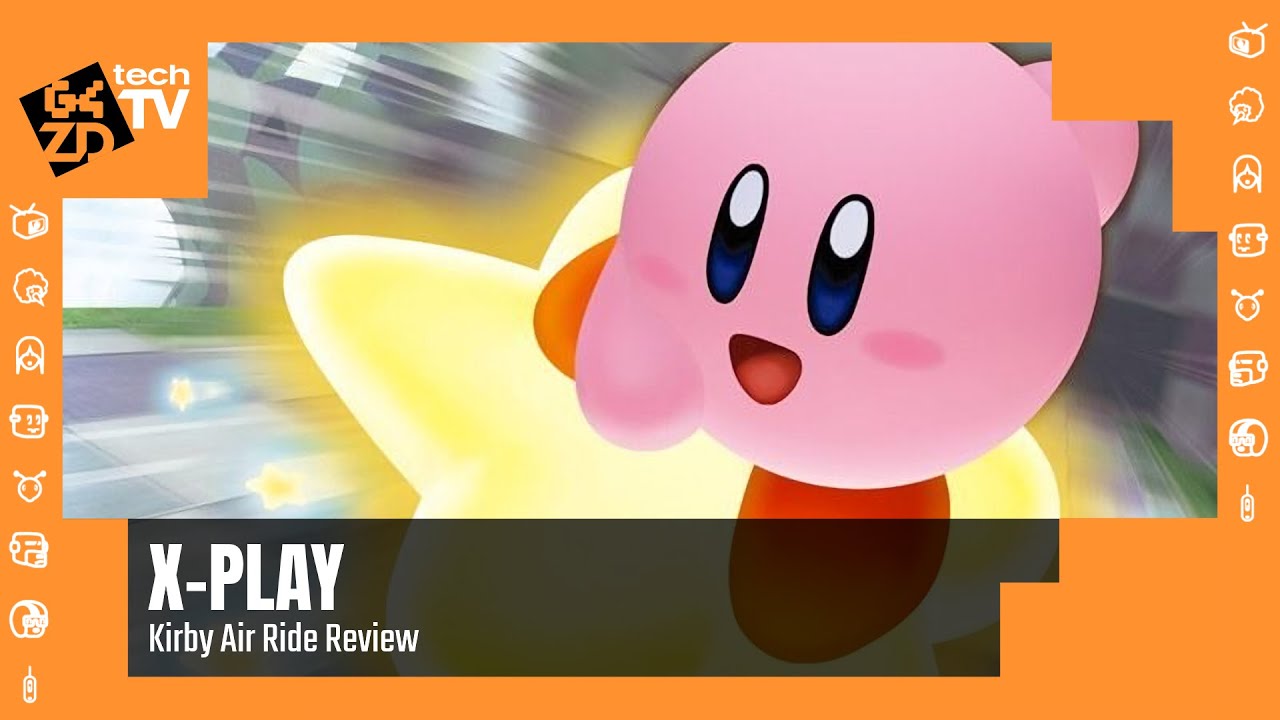
Context helps explain much of the initial disappointment. Kirby Air Ride released in North America on October 13, 2003 — months after the critically acclaimed F-Zero GX and just weeks before Mario Kart: Double Dash!! Those contemporaries stuck to familiar, refined racing formulas, while Kirby Air Ride deliberately experimented with fundamentals. Critics compared it directly to the stronger entries that bookended its launch window, which amplified perceptions of its weaknesses.
The trajectory is reminiscent of Titanfall 2 in 2016, which landed between Battlefield 1 and Call of Duty: Infinite Warfare and struggled commercially despite positive coverage. Over time Titanfall 2 found an appreciative audience and rose to cult status; the same reappraisal could happen for Kirby Air Ride if its sequel reframes how players and critics view the original.
There are reasons to be optimistic. Sakurai’s design sensibilities have been vindicated by later successes such as Super Smash Bros. Ultimate, and recent Kirby entries like Kirby and the Forgotten Land have increased goodwill toward the character. Crucially, the release context is very different: Kirby Air Riders arrives after the divisive Mario Kart World, a title that altered track and race structure in ways some fans disliked. That dissatisfaction has created appetite for alternatives — a dynamic that has helped other racers, like Sonic Racing: CrossWorlds, gain traction.
Even if Kirby Air Riders doesn’t completely overturn opinions of its predecessor, the timing and changed expectations could significantly affect critical and public response. What felt premature or perplexing in 2003 might land very differently today.
Sources: Metacritic review aggregate for Kirby Air Ride, IGN review, GameSpot review, and contemporary coverage of 2003 release context.
Source: Polygon