Why Magic: The Gathering Fans Are Wrong About Universes Beyond
During the pre-release weekend for Magic: The Gathering’s Marvel Super Heroes, I stopped by my local game store mid-morning to grab a few packs. It was a sleepy atmosphere; the shop was technically open, but the organized events weren’t scheduled until later in the afternoon. Aside from a pair of customers engaged in a board game in the corner, the tables were largely unoccupied.
As I placed my order for one collector booster and four play boosters, I heard a flurry of small footsteps rushing up the stairs behind me. A young girl, perhaps around ten, entered the store with her mother, vibrating with anticipation. Without missing a beat, she high-fived the life-sized statue of the pyromancer Planeswalker, Chandra Nalaar. As I settled at an empty table to crack open my packs, I noticed the mother and daughter were also picking up Marvel products. I couldn’t help but smile.
 |
Polygon Spicy Takes Cookout Fireworks, flame wars, and our hottest opinions over the holiday weekend. |
| Spice things up→ | |
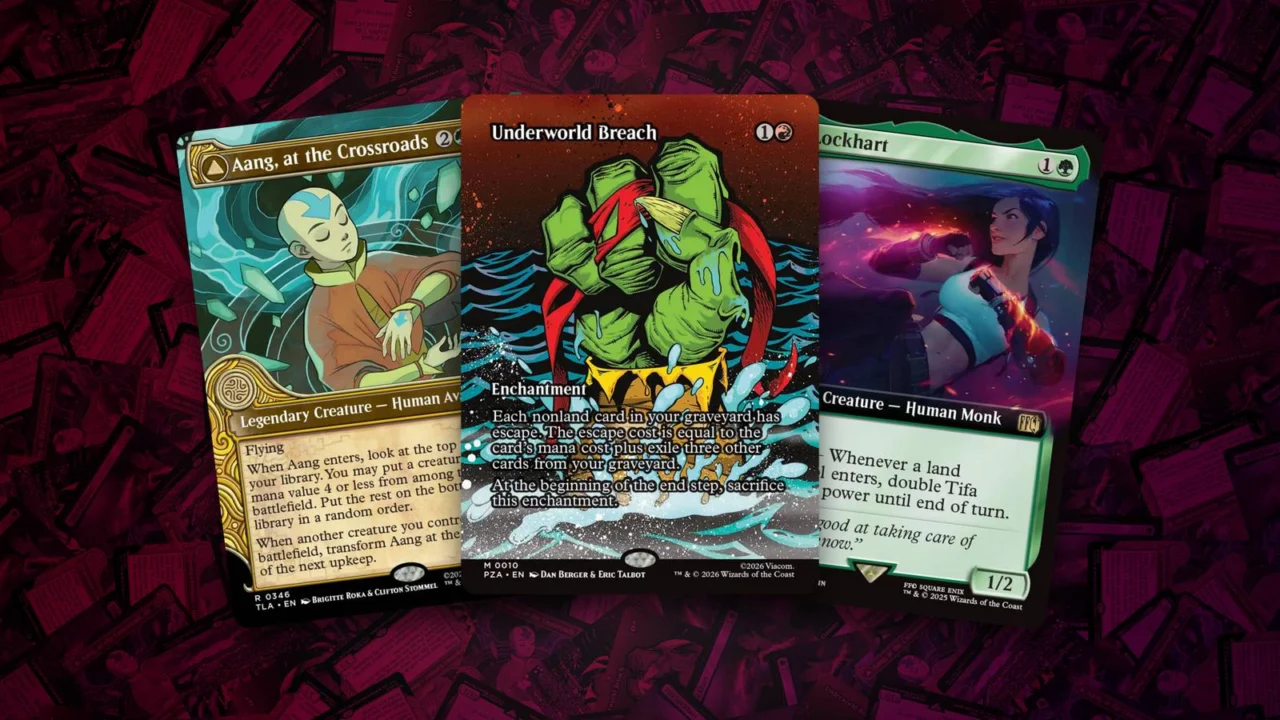
Critics often argue that the Universes Beyond line dilutes Magic’s unique identity, yet witnessing the genuine enthusiasm of a young new player is hard to dismiss. The pushback against these crossovers often comes from veteran players concerned that their hobby is losing its soul to an endless stream of intellectual property collaborations, frequently comparing the trend to the saturation of Fortnite.
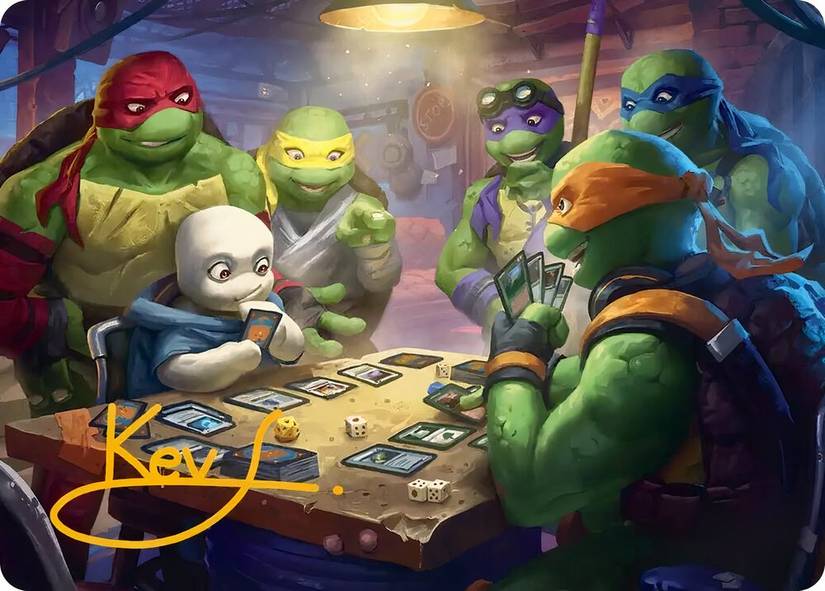
And yet, sets based on Avatar: The Last Airbender, Teenage Mutant Ninja Turtles, and Marvel are drawing in new fans by the thousands. From the perspective of the game’s long-term vitality, is there anything better than a thriving community bolstered by fresh faces investing in the hobby?
As the industry leader—surpassed in sheer volume only by the Pokémon TCG—Magic carries over 30 years of history and rich, proprietary lore. I was a kindergartner when the game debuted in 1993, though I didn’t start playing until the turn of the millennium. My collection is filled with relics from the Urza and Odyssey blocks, and I have fond memories of devouring Magic novels like The Brothers’ War. The joy of forming a deep emotional connection with a character, only to find them represented in a booster pack, is a pinnacle experience for any collector. It fuels creativity, inspires deck-building, and provides a narrative backbone to the hobby that is as rewarding as the gameplay itself.
Pokémon owes much of its massive success not necessarily to superior game mechanics, but to its mastery of the collector’s psyche—the thrill of pulling a beloved character on a piece of cardstock. While Magic has historically prioritized power levels and deck utility, other TCGs lean into the strength of the character relationship. For years, I drifted in and out of the Magic scene, only truly feeling re-engaged when Final Fantasy arrived in 2025.
Magic and Final Fantasy were the twin pillars of my formative gaming years, so their convergence felt like a monumental event. It turned a casual enthusiast into a dedicated collector. I spent weeks scouring stores for the Final Fantasy 7-themed Limit Break Commander deck. When I finally secured one, a long-time friend of mine remarked, “The best video game ever meets the best card game ever.”
Final Fantasy may well go down as Magic’s most successful set, likely because it tapped into a latent desire for nostalgia among those of us who grew up with the franchise. The design team clearly poured their hearts into it, creating mechanics that perfectly mirror the journeys of iconic heroes. When Zack Fair sacrifices himself to bolster his allies, or Yuna reaches into the “graveyard” to empower her summons, the card mechanics tell a story that feels entirely authentic to the source material.
Not every Universes Beyond set hits that same thematic peak, but they all serve a purpose. While I may not feel the same visceral connection to Marvel that I do to Final Fantasy, I recognize its power to act as a gateway for the next generation of players. When we argue about whether Spider-Man “belongs” in Magic, we are missing the point. The designers are asking a much more important question: “How do we help someone who loves Spider-Man discover the joy of Magic?”

Every living, breathing hobby requires an influx of new passion. Magic has endured for over three decades by reinventing itself, and while not every experiment hits the mark, I would much rather play an evolving game than one so obsessed with protecting its “purity” that it becomes stagnant.
Perhaps two decades from now, that girl I saw high-fiving Chandra will be the one welcoming a new player to the table. If Universes Beyond helps spark that legacy, then it has served its purpose. The game doesn’t belong exclusively to those who started in the 90s or 2000s; it belongs to everyone who finds magic within its borders. If it takes Cloud Strife or Spider-Man to open that door, that is a trade worth making every single time.
Source: Polygon
Related articles
 Journalists Showcase Switch 2 Version of Dragon’s Dogma 2: Dark Arisen
 Xbox Officially Introduces Disc-to-Digital Program
 Finji Sets October Release Date for Supernatural Action Game Usual June
 Microsoft Asks $900 for Its Anniversary Console
 Knives Chau, Kim Pine, and Stephen Stills Join Scott Pilgrim EX as Playable DLC Characters
 Fortnite Chapter 7 Season 4: All Boss Spawn Locations
 Sony Reveals PlayStation Plus Monthly Games for September
 Cyberpunk Gun-Fu Action Game ‘Spine’ Set to Launch Next Summer