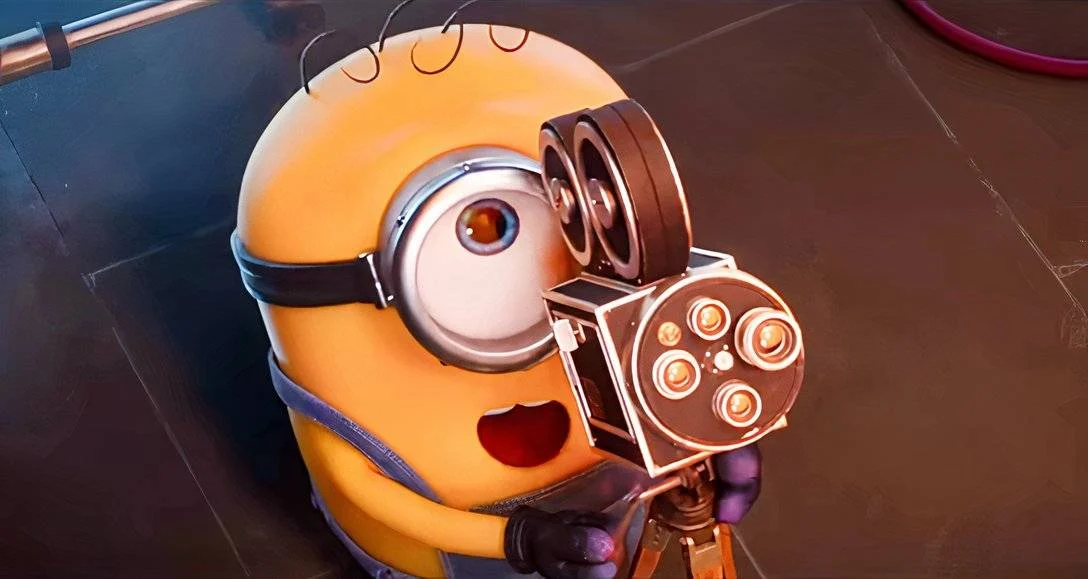
Franchise Fatigue Hits as Minions and Supergirl Struggle at the Box Office

The Fourth of July holiday proved to be a sobering reality check for Hollywood’s biggest brands. The critically panned Supergirl experienced a catastrophic decline during its sophomore frame, while the highly anticipated Minions & Monsters arrived with a notably softer-than-expected opening.
Illumination’s Minions franchise has long been a gold standard for reliable, runaway box-office success. Consequently, the reported figures—a $61.4 million five-day start and a $36.4 million three-day weekend—are eye-opening. To put this into perspective, The Super Mario Galaxy Movie commanded a staggering $190.1 million over its five-day debut earlier this spring. While Minions & Monsters isn’t necessarily a failure, it certainly falls short of the studio’s historical benchmarks.
Meanwhile, the outlook for Supergirl is increasingly dire. With an estimated weekend haul of just $9.6 million, the film suffered a punishing 74% drop, trailing even behind niche releases like Young Washington. While the Minions sequel may find its footing in the coming weeks, Supergirl appears to be a definitive box-office casualty.
According to data from Deadline, here is how the domestic box office shook out over the three-day holiday weekend:
- Minions & Monsters: $36.4 million
- Toy Story 5: $31 million
- Young Washington: $20.8 million
- Supergirl: $9.6 million
- Disclosure Day: $6 million
- Obsession: $5.3 million
- Backrooms: $3.3 million
- Jackass: Best and Last: $2.7 million
- Scary Movie: $1.1 million
- The Invite: $800,700
Despite a glut of heavy hitters—including new entries from the Minions, Toy Story, and Jackass brands—the holiday weekend failed to ignite significant momentum. While the discourse surrounding “franchise fatigue” remains contentious, these results underscore a clear message for 2026: brand recognition alone is no longer an automatic ticket to blockbuster status.
That is not to suggest the model is broken, as evidenced by the solid performance of Toy Story 5. Notably, that film benefited from a seven-year gestation period, a significant departure from the relentless, near-annual release cadences seen with recent DC and Despicable Me installments. In today’s oversaturated market, franchises must work significantly harder to manufacture genuine audience demand rather than relying on existing intellectual property.
Ultimately, whether it’s a high-profile superhero spectacle or a beloved animated sequel, studios must confront the reality that audiences are increasingly discerning. Franchise fatigue is no longer a theoretical concern—it is a tangible factor influencing the bottom line.
Source: Polygon
Related articles
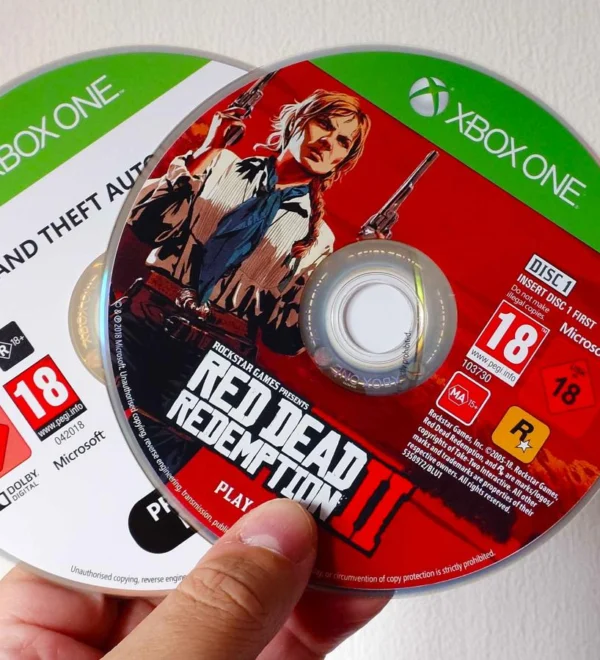 Xbox Officially Introduces Disc-to-Digital Program
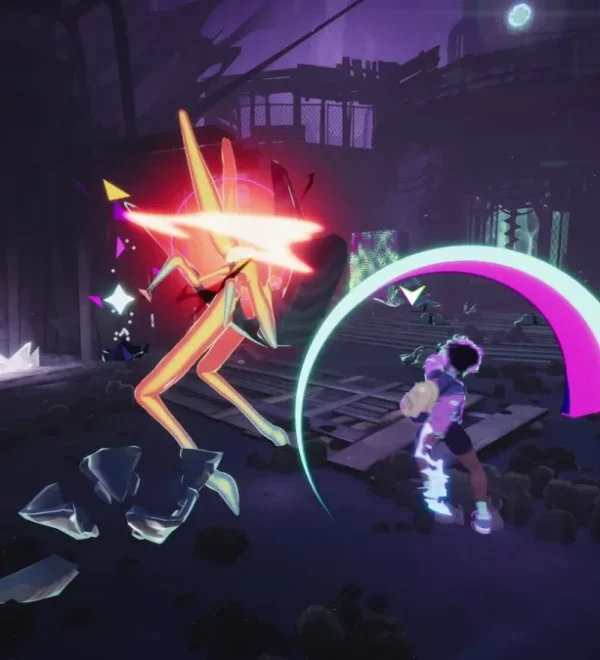 Finji Sets October Release Date for Supernatural Action Game Usual June
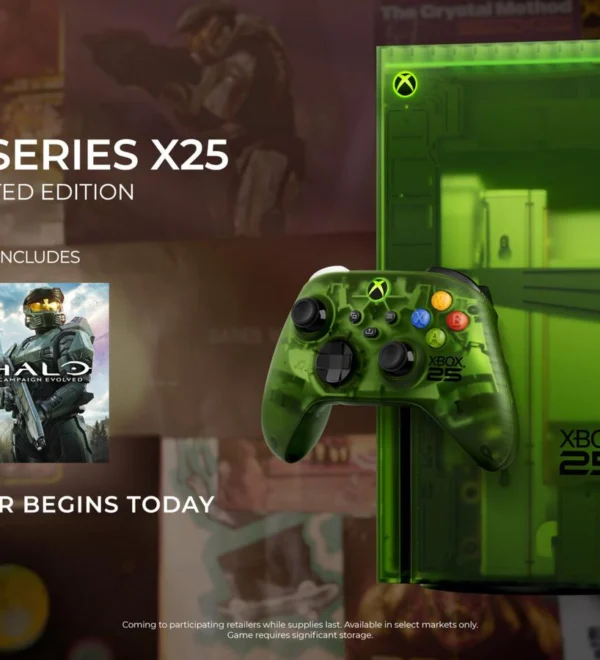 Microsoft Asks $900 for Its Anniversary Console
 Knives Chau, Kim Pine, and Stephen Stills Join Scott Pilgrim EX as Playable DLC Characters
 Sony Reveals PlayStation Plus Monthly Games for September
 Cyberpunk Gun-Fu Action Game ‘Spine’ Set to Launch Next Summer
 The Wolf Among Us Remastered Launches on October 29
 Saber Releases MudRunner on PlayStation 5 and Xbox Series