Why a Potential PS6 Delay Could Be a Major Strategic Win for Sony
Recent reports from Bloomberg suggest that Sony may defer the debut of the PlayStation 6 until 2028 or 2029, a move reportedly spurred by the insatiable global demand for AI-capable semiconductors. In previous console cycles, the mere suggestion of a delayed generational leap would have ignited widespread consumer frustration. However, the current gaming landscape reflects a strikingly different sentiment.
Public reaction to a potentially decade-long wait for the PS6 has transitioned from typical hardware fervor to a mixture of apathy and palpable relief. “The mere mention of a PS6 is exhausting; the PS5 hasn’t even hit its stride yet, and they expect us to drop another $600 for a dwindling library?” remarked one user on X. Another echoed the sentiment, suggesting that the community could comfortably wait until 2035 before needing a successor.
The ninth console generation has been defined by unprecedented friction, including pandemic-induced supply chain disruptions, ballooning development costs, and agonizingly long production timelines. As we approach the sixth year of the PS5’s lifecycle, true exclusives remain a rarity. The economic reality of modern game development has forced most third-party titles into multiplatform releases, while Sony’s own flagship first-party experiences increasingly migrate to PC to maximize profitability.
While the PlayStation 5 has surpassed 92 million units sold as of early 2026—securing its place as the eighth best-selling console in history—its tenure feels polarizing to many. The lack of a consistent “blockbuster” cadence has left a void, often filled by low-spec “forever games” like Fortnite, Roblox, and Minecraft, which continue to dominate engagement charts. With Grand Theft Auto 6—the generation’s most anticipated milestone—still looming in the distance amidst Rockstar’s trademark secrecy, many financially-conscious players view a hardware delay as a welcome reprieve rather than a setback.

Sony’s hardware constraints might actually serve as a catalyst for a software renaissance. A protracted lifecycle for the PS5 provides internal studios the breathing room to pivot toward smaller, experimental projects that don’t require seven years of development. This shift offers a prime opportunity for agile teams to revitalize dormant intellectual properties or explore spin-offs like God of War: Sons of Sparta. It is a chance for Sony to recapture the avant-garde spirit and risk-taking ethos that characterized its dominance in the late 90s and early 2000s.
Former PlayStation chief Shawn Layden touched on this during an interview with Polygon, noting that the industry has lost its “dynamic range.” He argued that when budgets reach triple-digit millions, risk tolerance evaporates, leading to a loss of variety. Layden nostalgically recalled an era where high-concept titles like Metal Gear Solid and PaRappa the Rapper could thrive on the same platform simultaneously.
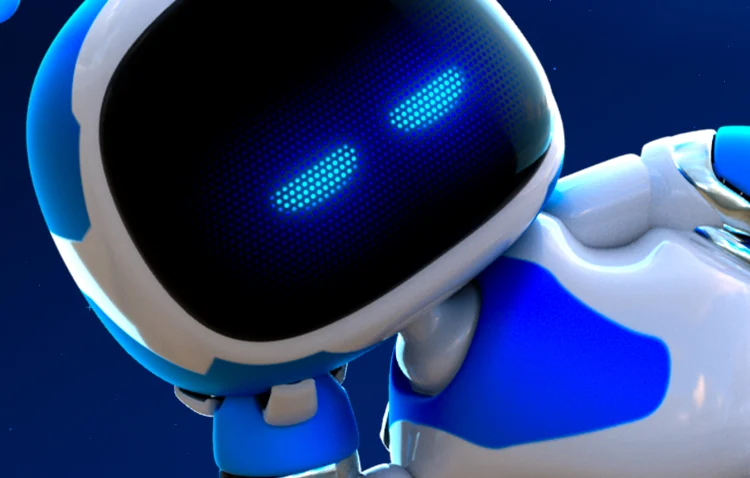
Nintendo has spent nearly a decade proving that market dominance doesn’t require chasing peak graphical fidelity or “teraflop” supremacy. It would be refreshing to see Sony adopt a similar philosophy. The overwhelming success of Astro Bot—which took top honors at the 2024 Game Awards—proves that audiences are hungry for high-quality, mid-budget ingenuity. There is a deep well of neglected franchises like Sly Cooper, Jak and Daxter, and Wipeout waiting for a modern reimagining. Even localized versions of cult classics like the Boku no Natsuyasumi series could tap into the massive “cozy gaming” market.
Of course, the alternative is a future of incremental hardware refreshes, rising subscription costs, and a redundant cycle of remasters. But for now, there is hope that this delay might lead to a smaller, stranger, and ultimately more creative era for PlayStation.
Source: Polygon
Related articles
 Cult Shooter Black Gets Fan-Made Android Port
 Details Emerge on Canceled Mass Effect Universe, Reportedly With Hitman-Style Missions and a Setting 600 Years After Shepard
 Xbox COO Helen Chiang leaves Microsoft after 21 years
 Aaron Paul Originally Had a Larger Role in Clayface Before His Part Was Reduced to a Cameo
 Pixel Body Horror Game Look Outside Is Coming to Consoles
 Paramount’s Scream 7 Becomes a Streaming Hit on Prime Video
 New Details Emerge About Marvel’s Zodiac Series, Featuring Spies Against People With Superpowers
 Fallout Day 2026: All the Major Announcements from Bethesda’s Fan Event