The high-fantasy world of the Forgotten Realms is heading to the small screen. Following the monumental success of The Last of Us, co-creator Craig Mazin is set to spearhead a Baldur’s Gate television adaptation for HBO. While developer Larian Studios has confirmed they have no direct involvement in the production, the series is intended to serve as a narrative continuation, picking up in the aftermath of the game’s tumultuous conclusion. However, defining a “starting point” is a complex task given the vast array of branching destinies available to players.
In broad terms, Baldur’s Gate 3 offers five primary resolutions. These outcomes are dictated by the player’s moral alignment, specific choices regarding the “Dark Urge” origin, and the definitive conclusions of companion-led story arcs—such as whether Astarion ascends to god-like vampirism or finds a more grounded redemption.
As we look forward to HBO’s interpretation, here is an overview of the potential canonical foundations for the series.
[Warning: Major spoilers for the finale of Baldur’s Gate 3 follow.]The Virtuous Path: Heroism Realized
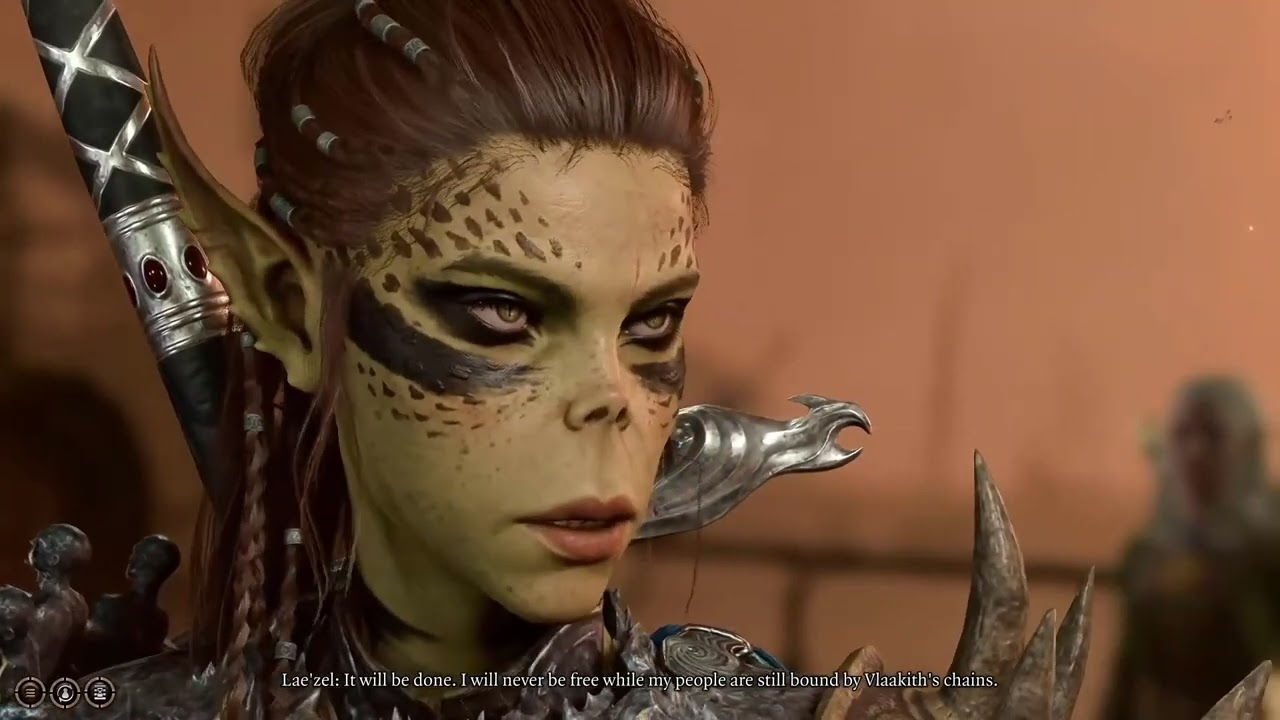
The standard “good” ending involves a climactic confrontation where the player defeats the Netherbrain and compels it to self-destruct, effectively neutralizing the parasitic tadpoles threatening the population. Should the party survive the ordeal, the story concludes with the heroes watching the sunrise over a battered but liberated Baldur’s Gate. Epilogue sequences offer closure for each companion, reflecting the bonds forged throughout the journey. The city itself begins the arduous process of reconstruction, signaling a return to relative peace and stability.
The Path of the Absolute: A New Tyranny
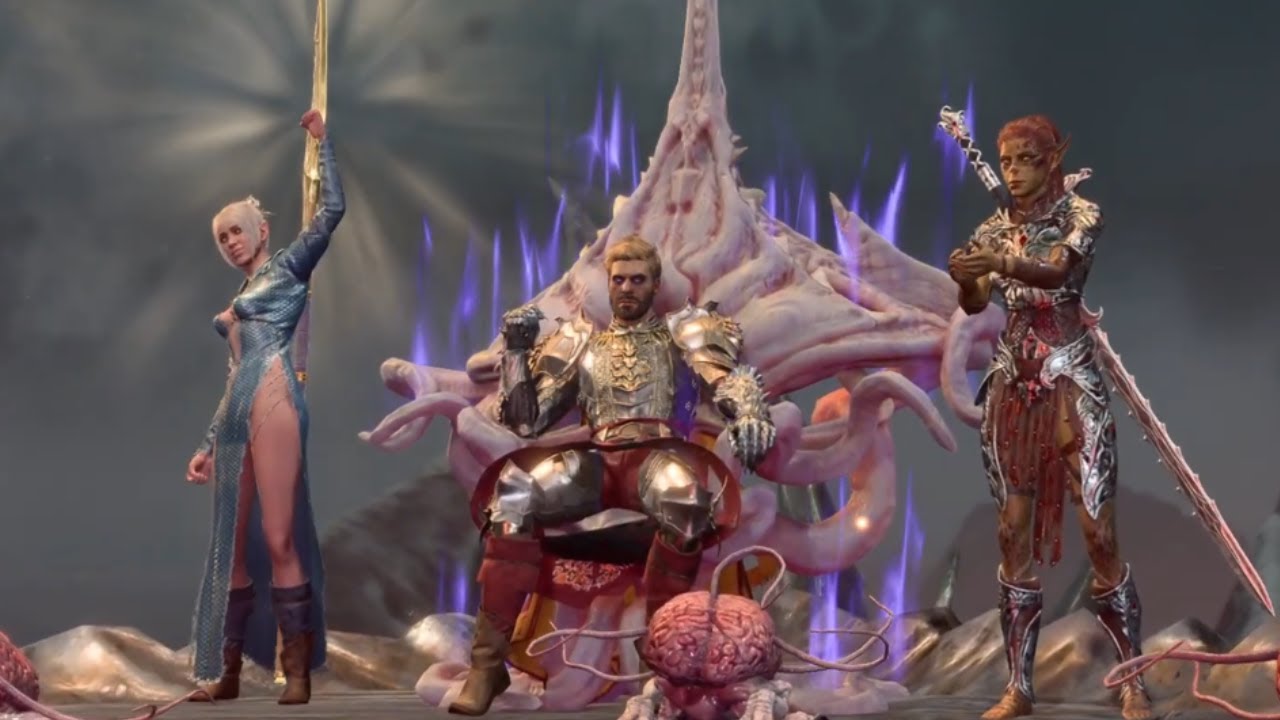
In this darker timeline, the player chooses to betray their allies at the moment of victory. Instead of destroying the Netherbrain, the protagonist seizes its power to become the new “Absolute.” This path requires the execution of the Mindflayer ally—whether it be The Emperor, Prince Orpheus, or a transformed companion like Karlach. By ascending the throne, the player exerts total psychic dominance over any infected individual, including their own party members. The city falls into a nightmare of Illithid occupation, ending with the protagonist’s chilling vow to rule “In my name.”
The Redeemed Soul: Defying the Dark Urge
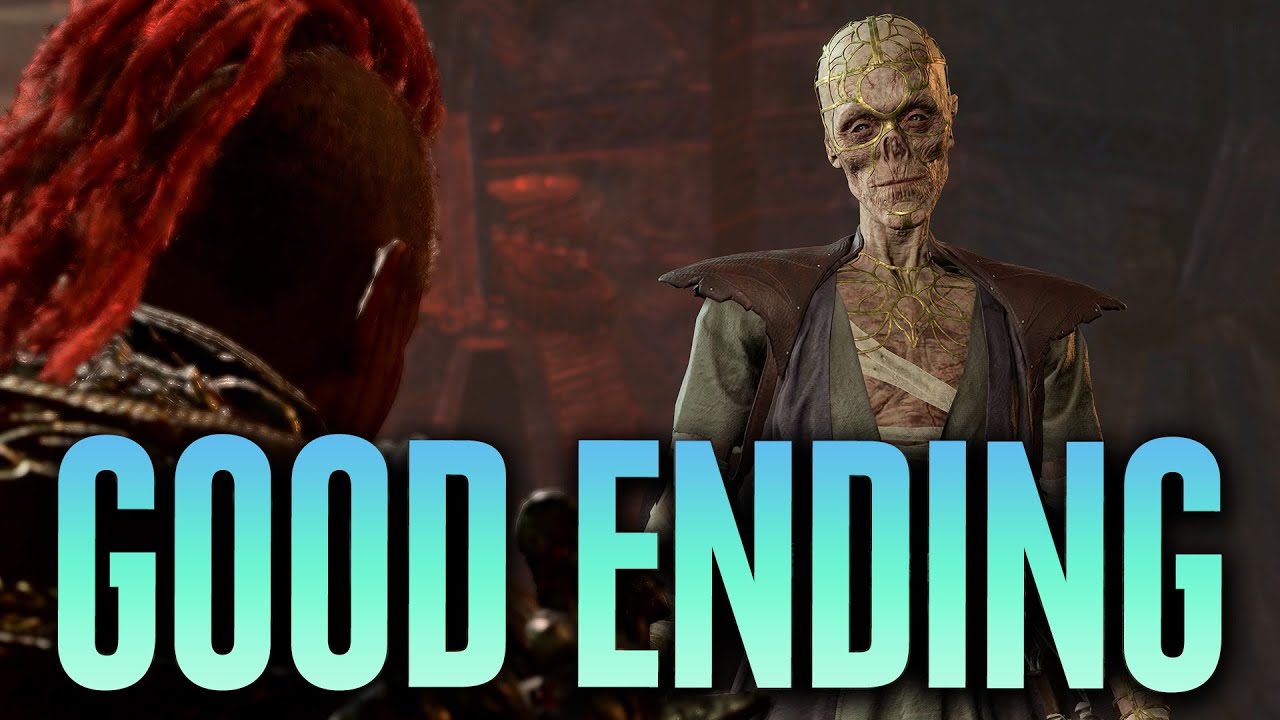
Players navigating the “Dark Urge” origin can reach a unique resolution by consistently resisting their bloodthirsty instincts. By rejecting Bhaal’s gift, defeating Orin the Red, and destroying the Netherbrain, the protagonist’s soul is cleansed of its divine corruption. This allows the character to reclaim their lost identity and enjoy a heroic conclusion similar to the standard “good” ending, free from the shadow of their murderous progenitor.
The Scion of Slaughter: Bhaal’s Champion
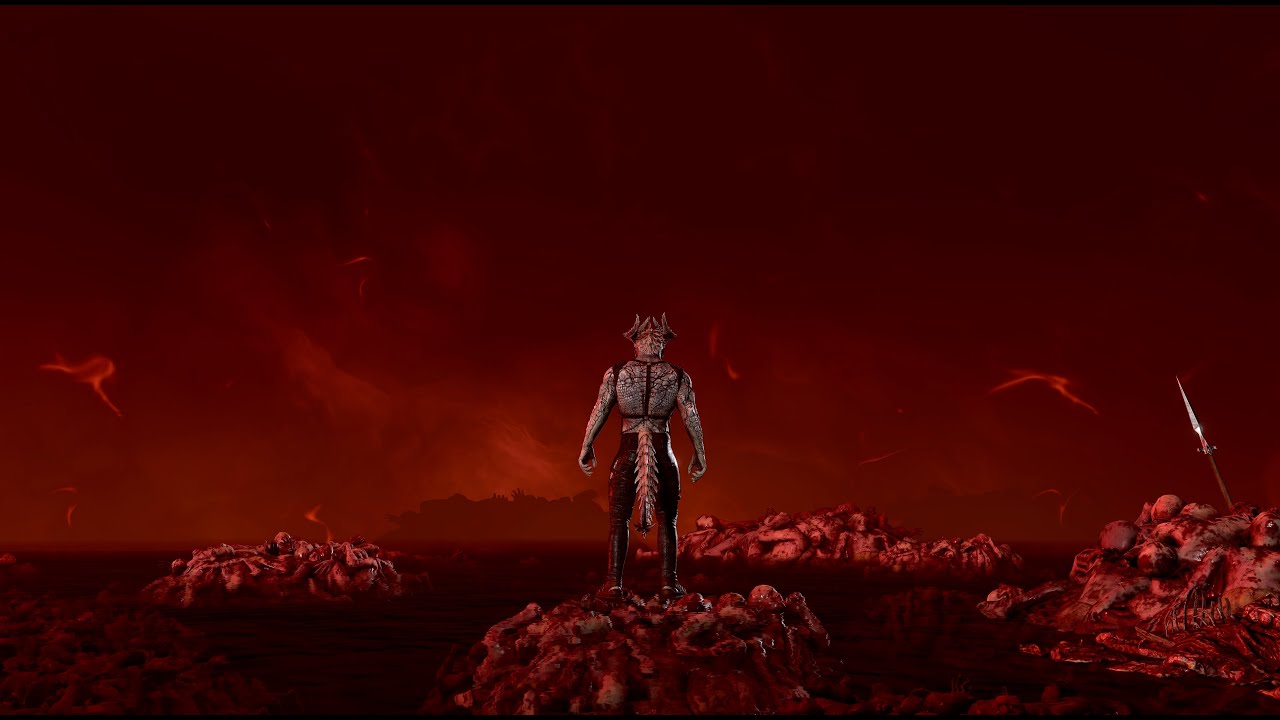
Conversely, the Dark Urge can fully embrace their heritage, claiming the Netherbrain as a vessel for Bhaal’s apocalyptic will. This is arguably the bleakest ending: the player murders their romantic interest in a final, twisted act of devotion before forcing their remaining companions to commit suicide. The narrator paints a picture of a world destined for total extinction, where the protagonist stalks the streets of Baldur’s Gate as a demigod of death, leaving nothing but blood in their wake until the “Father” is finally satisfied.
The Wizard’s Sacrifice: Gale’s Final Gambit
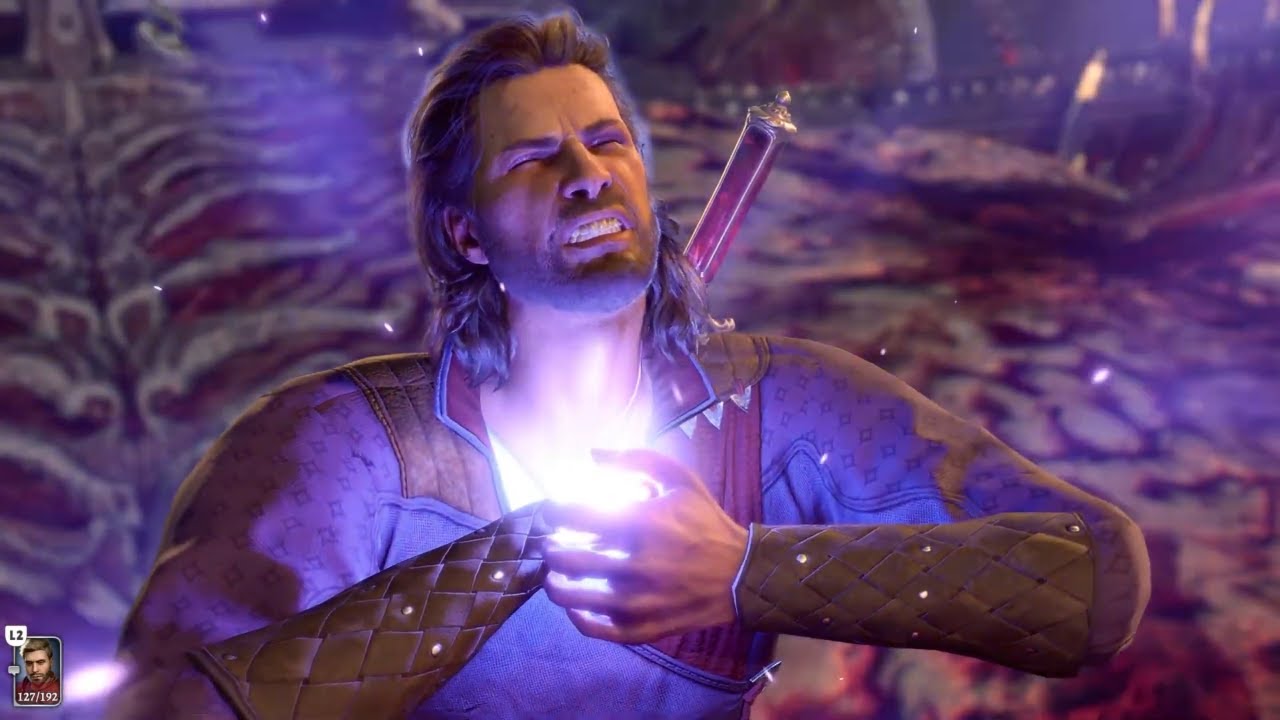
A final, explosive alternative exists for those who complete Gale’s personal quest. If the player follows Mystra’s instructions, Gale can ascend the brain stem alone and detonate the Netherese Orb within his chest. This act of self-sacrifice obliterates the Netherbrain and the tadpole threat instantly. While the city is saved and the sun rises over the docks, it comes at the cost of the wizard’s life—a bittersweet victory that the survivors mourn even as they celebrate their freedom.
While HBO has yet to reveal which path will be considered “canon,” the genocidal “Bad Dark Urge” ending seems unlikely, as the network has already hinted at the return of familiar faces. A world where every major character has been systematically executed offers little room for a recurring cast. Despite Larian’s hands-off approach to the show, CEO Swen Vincke noted that the game’s narrative depth was always designed to support a lasting legacy.
“It is incredible that a story born in a modest hotel conference room has transformed into a narrative compelling enough for an HBO series,” Vincke shared on social media. “We poured our hearts into ensuring Baldur’s Gate 3 honored its heritage; these characters and their stories are the fruit of that labor.”
Source: Polygon